Could an Elephant Survive Cold Weather? Shocking Survival Facts!
Have you ever wondered if an elephant, with its massive size and thick skin, could endure cold weather? It’s a curious question that sparks the imagination.
Elephants are known for thriving in warm climates, but could they really adapt to a chilly environment? This topic not only tickles your curiosity but also taps into your love for learning something new and unexpected. By exploring this intriguing question, you’ll discover fascinating insights about these majestic creatures and their surprising adaptability.
Dive in, and let your curiosity guide you to uncover the answer.
Credit: www.theguardian.com
Elephants And Their Natural Climate
Elephants live mostly in warm places. Their bodies suit hot weather well.
We will look at where elephants live and how their bodies help them stay cool.
Native Habitats And Temperature Ranges
African elephants live in savannas and forests. Asian elephants live in forests and grasslands.
- African elephants face temperatures from 20°C to 40°C (68°F to 104°F).
- Asian elephants live in areas with 15°C to 35°C (59°F to 95°F).
- Both types prefer warm weather and avoid cold climates.
Elephants do not naturally live where it is very cold. They need warm places to stay healthy.
Adaptations To Warm Environments
Elephants have special features to handle heat. Their skin, ears, and behavior all help them stay cool.
| Adaptation | Function |
| Large ears | Release body heat by flapping |
| Wrinkled skin | Holds moisture and cools the body |
| Thin hair | Allows heat to escape easily |
| Bathing in water | Cools skin and lowers temperature |
These traits help elephants live well in hot places. Cold weather would be hard for them.

Credit: www.reddit.com
Challenges Of Cold Weather For Elephants
Elephants are built for warm climates. Cold weather creates many problems for them. Their bodies are not designed to handle freezing temperatures.
Understanding these challenges helps us learn why elephants struggle in cold places. Their survival depends on how well they can cope with the cold.
Heat Loss And Body Temperature Regulation
Elephants have large bodies that lose heat quickly in cold weather. Their skin is thin in some parts, making heat escape easy. They do not have thick fur to keep warm.
They keep their body temperature steady by using their size and slow movements. But cold air and wind can lower their body heat fast. This makes it hard to stay warm.
Impact On Skin And Ears
Elephant skin is sensitive and can dry out in cold weather. Their ears, which help cool them in heat, can get very cold. Cold ears may cause pain or frostbite.
Because elephants use their ears to regulate heat, cold weather can confuse this process. Their ears lose heat instead of protecting the body.
Food Scarcity In Winter
Elephants need a lot of food daily. Cold seasons make plants and water hard to find. Food scarcity weakens elephants and lowers their energy.
Without enough food, elephants cannot keep their body heat. They become more vulnerable to cold and sickness.
- Less grass and leaves available
- Frozen water sources limit drinking
- More energy used to find food
Elephants In Cold Regions
Elephants usually live in warm places like Africa and Asia. Their bodies are made for heat, not cold. But people wonder if elephants can live in cold weather.
This article looks at stories and examples of elephants in colder areas. It helps us understand if elephants can survive in cold climates.
Historical Accounts And Observations
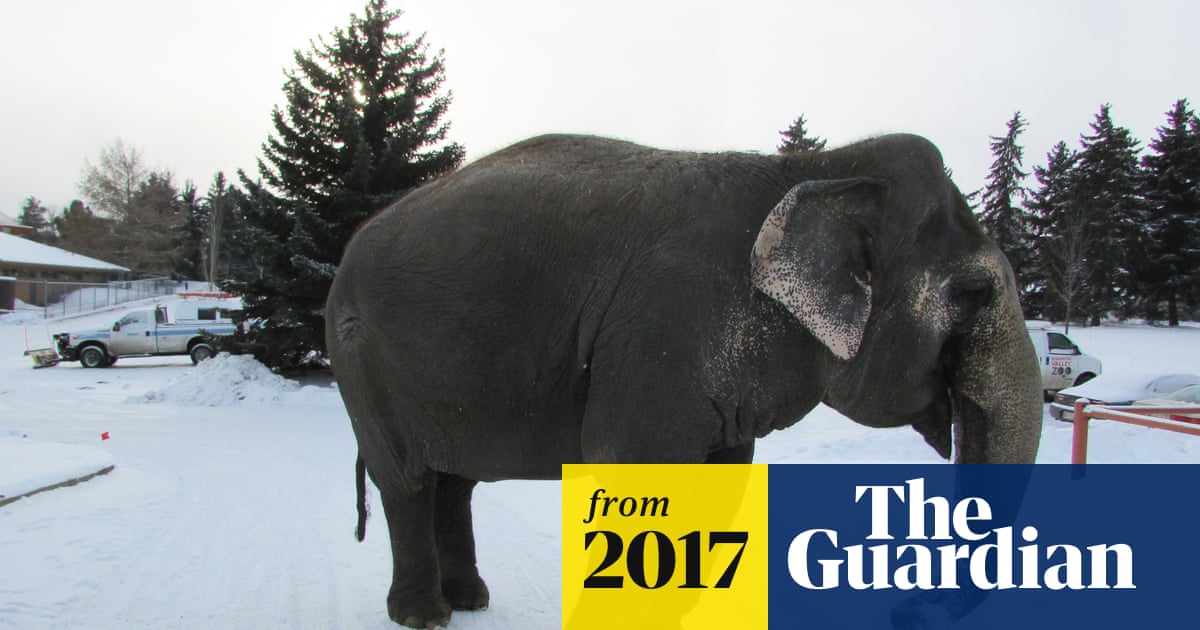
In history, some elephants have been seen in cold places. These elephants lived in zoos or were used in shows during winter. They wore thick blankets to stay warm.
People noticed elephants shiver and move slowly when it was cold. They used extra food and shelter to help elephants survive the cold months. These observations show elephants can live in cold if cared for well.
Examples Of Elephants In Temperate Zones
Some elephants live in places with cold winters but warm summers. For example, zoos in Europe and North America keep elephants safe in winter. They use heated barns and special care.
Wild elephants in temperate zones are rare. But captive elephants can live in these zones with help. Their thick skin and large size make cold harder to handle without shelter.
- Elephants in northern zoos have heated shelters.
- They get extra food to keep warm.
- Elephants can survive short cold spells with help.
- Long, harsh winters are not natural for elephants.
Survival Mechanisms In Cold Weather
Elephants live mostly in warm places. Cold weather is hard for them. They use some ways to stay warm and survive.
These survival mechanisms help elephants keep their body heat and protect them from the cold.
Behavioral Adjustments
Elephants change how they act to stay warm. They move less to save energy. They also look for sunny spots to warm up.
Sometimes, elephants use their ears to control heat. They keep them close to their bodies in cold weather to keep warm.
Physical Traits That Help Retain Heat
Elephants have thick skin that helps keep heat inside their bodies. Their skin has wrinkles that trap warm air close to their body.
- Thick skin reduces heat loss
- Wrinkles hold warm air near the skin
- Small amounts of body hair add slight insulation
Elephants have small ears compared to some animals. Smaller ears lose less heat in cold weather.
Role Of Social Structures
Elephants live in groups called herds. They stay close together in cold weather to share body heat.
Young elephants stay near adults for warmth and protection. The herd helps each other survive harsh cold conditions.
- Huddling reduces heat loss
- Adults protect calves from cold
- Group movement helps find warmer places
Human Intervention And Care
Elephants are not naturally built for cold weather. Their bodies do best in warm climates. Human help is needed to keep them safe in cold places.
Caregivers use special methods to protect elephants. They provide warmth, food changes, and medical care. This helps elephants survive cold seasons.
Shelters And Warmth Provision
Elephants need shelters to stay warm. These shelters block wind and rain. They keep the space cozy during cold days.
Warmth can come from heated floors or blankets. Caretakers watch elephants to make sure they are not too cold. They also provide warm water for drinking.
- Windproof shelters protect from cold air
- Heated floors keep elephants’ feet warm
- Blankets or towels help keep body heat
- Warm water helps maintain body temperature
Dietary Changes For Cold Seasons
Cold weather changes an elephant’s energy needs. Elephants need more food to stay warm. Their diet must include extra calories.
Caregivers add rich foods like grains and fruits. These foods help elephants keep energy and body heat. Fresh water is also important.
- Increase food quantity for extra energy
- Add high-calorie foods like grains and fruits
- Provide fresh water to prevent dehydration
- Monitor eating habits to ensure proper nutrition
Medical Care For Cold-related Issues
Cold weather can cause health problems in elephants. They may get cold stress or skin issues. Regular medical checks help find problems early.
Veterinarians treat cold-related illnesses. They give medicine and care as needed. Vaccines and parasite control also keep elephants healthy in winter.
- Regular health checks during cold months
- Treat cold stress and skin conditions
- Use vaccines to prevent diseases
- Control parasites that may worsen in winter

Credit: www.reddit.com
Lessons From Cold-climate Elephant Populations
Elephants usually live in warm places. Some groups live where it gets cold. We can learn how they survive cold weather.
These elephants show how animals change over time. They also tell us how to protect them in tough climates.
Adaptation Over Generations
Elephants in cold areas have changed to handle the cold. Their bodies and behavior help them stay warm. These changes take many years.
They grow thicker skin and more fat under their skin. They also change how they move and eat to save energy in winter.
- Thicker skin to protect from cold winds
- More body fat for insulation
- Reduced activity to save energy
- Eating different plants that grow in cold areas
Conservation Implications
Protecting cold-climate elephants needs special plans. They live in tough places with few food options. We must keep their homes safe.
Conservation efforts should focus on their unique needs. This includes food availability and shelter from harsh weather.
- Protect habitats from human damage
- Monitor food sources during winter
- Support research on cold-weather survival
- Help local communities live with elephants
Frequently Asked Questions
Can Elephants Adapt To Cold Weather Naturally?
Elephants have thick skin but lack dense fur for cold protection. They are native to warm climates, so natural adaptation to cold is limited. In cold weather, elephants may struggle to maintain body heat and could suffer from hypothermia without shelter or warmth.
What Challenges Do Elephants Face In Cold Climates?
Cold climates cause heat loss due to elephants’ large surface area and thin hair. They may experience frostbite, reduced mobility, and weakened immune systems. Food scarcity and frozen water sources also pose survival challenges in cold environments.
How Do Elephants Keep Warm In Winter Conditions?
Elephants use behaviors like huddling and seeking shelter to conserve heat. Their large size helps retain body warmth, but they rely on environmental factors like sun exposure. Without adequate shelter or heat sources, elephants risk cold stress in winter.
Could Elephants Survive In Snowy Environments Long-term?
Long-term survival in snow is unlikely for elephants. Their physiology and habitat needs are suited for warm climates. Prolonged exposure to cold can cause health problems, making snowy environments unsuitable for sustaining elephant populations naturally.
Conclusion
Elephants are built for warm climates, not cold weather. Their thin skin and large ears lose heat quickly. They need thick fur or fat to stay warm, which they lack. Cold weather can cause stress and health problems for them.
While they can survive short cold spells, long winters are tough. Elephants thrive best in hot, tropical places. Understanding their needs helps protect these amazing animals. Nature designed them for warmth, not freezing cold. Survival depends on the right environment and care.