How Can Winter Wheat Survive Cold Weather: Proven Survival Secrets
Have you ever wondered how winter wheat manages to survive the biting cold and harsh conditions of winter? You might think that freezing temperatures would spell disaster for crops, but winter wheat has a secret.
It’s like a natural survivor, thriving in the chill when most plants would wither away. Imagine the fields blanketed in snow, and underneath, this resilient crop is not only surviving but preparing to flourish. Understanding how winter wheat does this could change the way you think about farming and nature’s incredible adaptability.
Stay with us, and you’ll discover the fascinating mechanisms that allow winter wheat to endure and thrive during the frostiest months. Get ready to learn something that might just change how you see your winter landscape!

Credit: www.no-tillfarmer.com
Winter Wheat Growth Cycle
Winter wheat is a special type of wheat planted in the fall. It grows slowly during cold months and thrives in spring.
Understanding how winter wheat survives cold weather helps farmers protect their crops and improve yields.
Seed Germination In Cold
Winter wheat seeds can sprout even when soil temperatures are low. The seed absorbs water and starts to grow roots and shoots.
- Seeds need moisture to begin germination.
- Cold soil slows down but does not stop growth.
- Seedlings develop slowly to avoid damage.
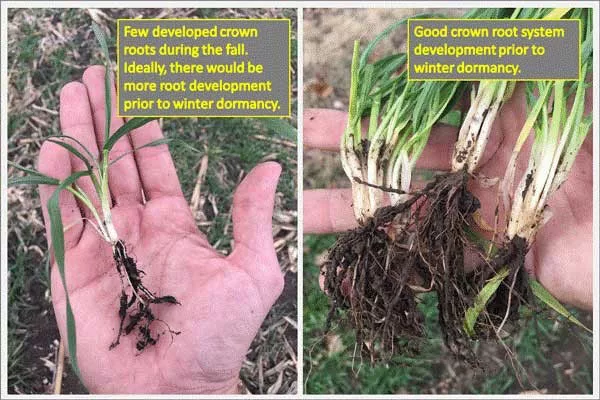
- Strong roots help the plant survive winter.
Vernalization Phase
Vernalization means the plant needs cold weather to start flowering. This phase happens during winter.
| Phase | Temperature Range | Duration |
| Vernalization | 0°C to 10°C (32°F to 50°F) | 4 to 8 weeks |
| Non-vernalized | Above 10°C (50°F) | No flowering |
Dormancy Period
Dormancy is when the plant stops growing to save energy during the coldest months. It protects itself from frost.
Key dormancy features:
- Growth slows or stops
- Cells become resistant to freezing
- Energy stored in roots
- Leaves may die back but roots live
Credit: extension.sdstate.edu
Cold Stress Effects On Wheat
Winter wheat faces many problems during cold weather. Cold stress affects its growth and survival.
The plant’s cells, water balance, and tissues can get damaged by freezing temperatures. Understanding these effects helps protect wheat better.
Cellular Damage Risks
Cold weather can harm wheat cells. Ice forms inside cells and breaks their walls.
This damage stops cells from working well. The plant may lose energy and nutrients.
- Ice crystals pierce cell membranes
- Cell structures get torn apart
- Cell functions slow down or stop
- Damaged cells lead to weaker plants
Frost Impact
Frost forms on leaves and stems during cold nights. This can freeze the plant’s outer parts.
Frozen tissues lose their ability to grow. Frost can also cause leaf spots and reduce photosynthesis.
- Frost freezes plant surface cells
- Leaves may turn brown or die
- Growth slows down after frost damage
- Photosynthesis drops due to leaf harm
Dehydration Challenges
Cold air holds less moisture. Wheat plants lose water through leaves in dry, cold weather.
Water loss causes dehydration. The plant cannot keep its cells full of water and nutrients.
- Cold air dries out wheat leaves
- Water moves out of cells to freeze outside
- Dehydration weakens cell functions
- Plants become less hardy and more stressed
Adaptations To Survive Cold
Winter wheat faces very cold weather during its growing season. It has special ways to survive freezing temperatures. These adaptations help the plant stay alive until spring.
The plant changes its body at a molecular level to resist cold damage. These changes include making antifreeze proteins, adjusting cell membranes, and storing sugars.
Antifreeze Proteins
Winter wheat produces antifreeze proteins to stop ice crystals from growing. These proteins bind to small ice crystals and stop them from becoming bigger. This protects the plant’s cells from damage.
- Bind to ice crystals
- Prevent ice crystal growth
- Protect cell structure
- Help maintain water balance
Membrane Fluidity Changes
Cold weather can make cell membranes stiff and fragile. Winter wheat changes the fats in its membranes to keep them flexible. This helps the cells work well even at low temperatures.
| Fat Type | Effect on Membrane |
| Saturated fats | Make membrane stiff |
| Unsaturated fats | Keep membrane fluid |
| Winter wheat change | Increases unsaturated fats |
Sugar Accumulation
Winter wheat stores sugars inside its cells. These sugars lower the freezing point of water in the plant. They act like natural antifreeze and give energy when the plant starts to grow again.
- Lower freezing point inside cells
- Protect cell membranes
- Provide energy during cold stress
- Help repair damage after cold
Genetic Traits For Hardiness
Winter wheat can survive cold weather because of its special genes. These genes help the plant stay alive during freezing temperatures.
Scientists study these genetic traits to breed wheat that grows well in cold climates. This helps farmers get good crops every year.
Cold Tolerance Genes
Cold tolerance genes control how winter wheat reacts to freezing weather. These genes help the plant protect its cells from damage.
Some important genes allow wheat to produce special proteins. These proteins stop ice crystals from forming inside the plant.
- CBF genes increase frost resistance
- Dehydrins protect plant cells from drying out
- Antifreeze proteins prevent ice damage
- Genes that control sugar levels help energy storage
Breeding Cold-resistant Varieties
Breeders select wheat plants with strong cold tolerance genes. They cross these plants to create new varieties that survive cold better.
They test these varieties in cold fields to see how well they grow. The best ones are shared with farmers for planting.
- Identify plants with strong cold tolerance
- Crossbreed to combine good traits
- Test new varieties in cold weather
- Choose plants that grow well and resist frost
Agronomic Practices For Protection
Winter wheat faces cold weather challenges during its growth. Proper farming practices help the crop survive and grow strong.
Farmers can use specific methods to protect winter wheat from frost and freezing temperatures.
Optimal Planting Time
Planting winter wheat at the right time is important for its survival. Early planting lets the roots grow before cold sets in.
The best time to plant is usually in early autumn. This timing helps the plant build strength before winter.
- Plant after soil temperature drops below 60°F (15°C)
- Aim for 6 weeks before first hard frost
- Use local climate data to choose exact dates
Soil Preparation
Good soil preparation improves winter wheat root growth. Well-prepared soil holds moisture and keeps roots warm.
Farmers should till soil to remove weeds and loosen the ground. Adding organic matter helps protect plants during cold spells.
- Remove weeds before planting
- Loosen soil to at least 6 inches deep
- Add compost or manure to improve soil
Mulching And Snow Cover Benefits
Mulching helps protect winter wheat from freezing temperatures. It keeps the soil warm and reduces moisture loss.
Snow cover acts as a natural blanket. It insulates plants and prevents damage from cold winds.
- Use straw or crop residue for mulch
- Mulch thickness should be 2 to 4 inches
- Snow cover protects plants from frost damage
- Do not remove snow; it helps keep roots safe

Credit: www.world-grain.com
Monitoring And Early Warning
Winter wheat needs protection from cold weather. Monitoring helps farmers see risks early. Early warning saves crops from damage.
Farmers use tools and inspections to track weather and plant health. This helps them act fast to keep wheat safe.
Weather Forecast Tools
Weather forecasts show temperature changes and frost risks. Farmers check daily reports to plan their actions.
Some tools give alerts about sudden cold snaps. These alerts help farmers prepare before damage happens.
- Local weather stations provide real-time data
- Online weather apps send frost warnings
- Satellite images track temperature trends
Field Inspections
Farmers walk through fields to check wheat health. They look for signs of frost damage or stress.
Regular inspections help catch problems early. Farmers can then protect wheat before cold harms it.
- Check leaves for frost damage
- Look for weak or yellow plants
- Note soil moisture and temperature
Frost Protection Methods
Farmers use frost protection to keep wheat safe during cold nights. These methods reduce frost damage risk.
Common methods include covering plants or using heaters. Watering fields can also help keep soil warm.
- Use row covers or blankets on young plants
- Turn on wind machines to mix warm air
- Spray water to form protective ice layers
Frequently Asked Questions
How Does Winter Wheat Tolerate Freezing Temperatures?
Winter wheat survives freezing by entering dormancy and producing antifreeze proteins. These proteins protect cells from ice damage during cold spells. The plant’s deep root system also helps absorb nutrients and water despite frozen soil, ensuring growth once temperatures rise.
What Role Does Vernalization Play In Winter Wheat Survival?
Vernalization triggers winter wheat to flower after exposure to cold. This process ensures wheat grows during optimal seasons. It helps the plant adapt to cold by strengthening its tolerance and synchronizing its growth cycle with environmental conditions.
How Does Snow Cover Protect Winter Wheat In Cold?
Snow acts as an insulating blanket, maintaining stable temperatures around wheat plants. It prevents extreme cold damage by reducing frost penetration into the soil. This insulation helps winter wheat avoid freeze injury and supports root health during harsh winters.
Can Winter Wheat Survive Without Cold Exposure?
No, winter wheat requires cold exposure for proper development. Without sufficient chilling, it may fail to flower or yield poorly. Cold exposure ensures vernalization, which is essential for its growth cycle and successful harvest.
Conclusion
Winter wheat uses strong roots and special leaves to fight cold. It grows slowly but stays alive under frost and snow. The plant stores energy to keep going through winter. Farmers plant it early to help it prepare for cold weather.
This hardiness helps wheat survive and produce grain in spring. Understanding these traits can help growers protect their crops better. Winter wheat’s natural strength makes it ready for harsh winter days. A smart choice for cold climates and reliable harvests.