Can Spider Mites Survive Cold Weather? Shocking Truth Revealed!
Imagine stepping into your garden after a chilly winter, only to find your plants looking less vibrant. You might think the cold has taken its toll.
But what if the real culprits are tiny, resilient pests? Yes, we’re talking about spider mites. These microscopic invaders are notorious for wreaking havoc on gardens. But here’s the question that puzzles many: can spider mites survive cold weather? The answer might surprise you.
Understanding this can be crucial for safeguarding your beloved plants. Stick around as we dive into the fascinating world of spider mites and their surprising adaptability. Discover the secrets to keeping your garden thriving, no matter the season.
Credit: myplantfactor.com
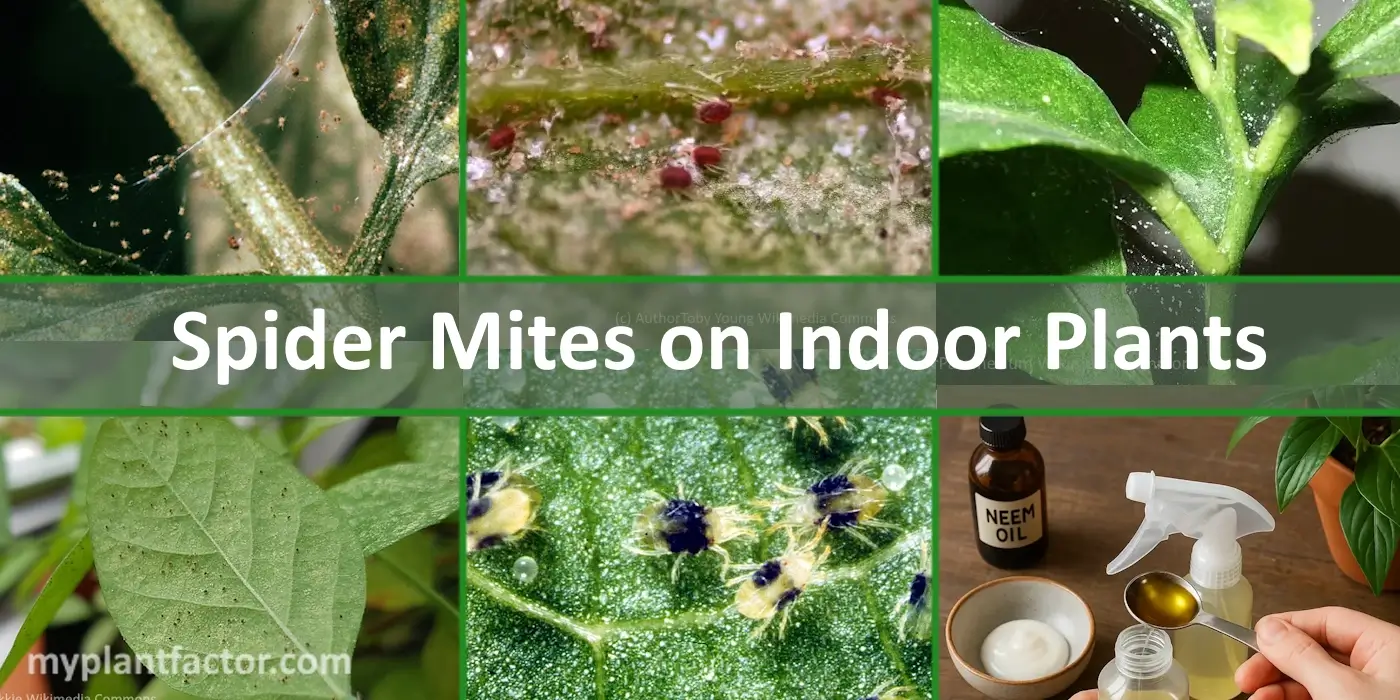
Spider Mite Basics
Spider mites are tiny pests that feed on plant leaves. They can cause damage by sucking out plant fluids.
These pests live in many environments and can be hard to see without a magnifier. Understanding them helps control their spread.
Common Species
There are many spider mite species. Some are more common in gardens and farms than others.
- Two-spotted spider mite (Tetranychus urticae)
- Red spider mite (Tetranychus cinnabarinus)
- European red mite (Panonychus ulmi)
- Spruce spider mite (Oligonychus ununguis)
- Carmine spider mite (Tetranychus cinnabarinus)
Life Cycle
The spider mite life cycle has several stages. Each stage helps the mite grow and reproduce quickly.
| Stage | Description | Duration |
| Egg | Laid on leaves, tiny and round | 3-5 days |
| Larva | Six-legged, starts feeding on plants | 2-3 days |
| Nymph | Eight-legged, larger and active | 4-5 days |
| Adult | Fully grown, reproduces quickly | 2 weeks or more |
Cold Weather Impact
Spider mites face challenges during cold weather. Low temperatures affect their survival and activity. Understanding how cold impacts these pests helps in managing them better.
This article looks at spider mites’ temperature tolerance and their behavioral changes in cold conditions.
Temperature Tolerance
Spider mites survive within certain temperature limits. They cannot live well below freezing points. Cold weather slows their growth and reproduction.
| Temperature Range | Effect on Spider Mites |
| Above 15°C (59°F) | Active and reproduce quickly |
| 5°C to 15°C (41°F to 59°F) | Slow activity and reproduction |
| 0°C to 5°C (32°F to 41°F) | Very low activity, survival drops |
| Below 0°C (32°F) | High mortality, many die |
Behavioral Adaptations
Spider mites change their behavior to survive cold. They seek shelter and reduce movement. These adaptations help them avoid freezing temperatures.
- Move to the undersides of leaves for warmth
- Clump together to conserve heat
- Enter a dormant state to lower metabolism
- Produce protective coverings to reduce water loss
Survival Strategies
Spider mites face tough conditions during cold weather. They use clever ways to survive the winter months.
These tiny pests do not just freeze or die. They hide and protect their eggs to keep their species alive.
Hiding Spots
Spider mites find safe places to avoid the cold. They hide under leaves and bark where it is warmer.
They also stay on the undersides of plants. These spots protect them from frost and wind chill.
- Underneath leaves
- Inside bark crevices
- Near plant stems
- In soil debris
Egg Resistance
Spider mite eggs are tough and can resist cold temperatures. This helps the species survive harsh winters.
The eggs have a hard shell that protects the young mites inside. They can stay dormant until warm weather returns.
- Hard outer shell shields eggs
- Eggs remain dormant in cold
- Hatch when temperatures rise
- Ensure new mites survive winter

Credit: ipm.ucanr.edu
Effects On Infestations
Spider mites are tiny pests that damage plants by feeding on their leaves. Cold weather affects how many spider mites survive and how fast they grow.
Understanding how cold weather impacts spider mite infestations helps gardeners manage these pests better.
Population Fluctuations
Spider mite numbers usually drop when temperatures fall. Cold weather slows their growth and reproduction.
Some spider mites die during extreme cold, but others can survive by hiding in protected spots.
- Cold reduces spider mite activity
- Extreme cold kills many mites
- Some mites survive in warm places
Spring Comeback
When spring arrives, spider mites become active again. Warm weather helps them multiply fast.
Surviving mites start new infestations. Their numbers can increase quickly without natural enemies.
- Warm temperatures speed up reproduction
- Plants become more vulnerable in spring
- Early control can stop big infestations
Preventive Measures
Spider mites can damage plants even in cold weather. Taking preventive steps helps protect your garden. Early actions reduce the risk of mite infestations during winter.
Understanding how to control spider mites in cold conditions supports healthy plants. Use winter treatments and environmental controls to keep mites away.
Winter Treatments
Applying treatments before and during winter helps manage spider mites. These treatments reduce mite survival and prevent population growth.
- Use horticultural oils to smother mites on plants.
- Apply insecticidal soaps that are safe for cold weather use.
- Remove and destroy heavily infested leaves or branches.
- Repeat treatments every two weeks for best results.
- Monitor plants regularly to catch early signs of mites.
Environmental Controls
Changing the plant environment can lower spider mite risks. Cold and moist conditions make it harder for mites to survive.
| Environmental Factor | Effect on Spider Mites |
| Humidity | High humidity reduces mite survival rates. |
| Temperature | Cold temperatures slow mite development. |
| Air Circulation | Good airflow prevents mite buildup on plants. |
| Plant Spacing | Proper spacing reduces mite spread between plants. |
Myths Vs Facts
Spider mites are tiny pests that can harm plants. People often wonder if cold weather kills them.
This article separates common myths from scientific facts about spider mites and cold weather.
Common Misconceptions
Many believe spider mites cannot survive cold winters. Some think freezing temperatures kill all of them.
- Spider mites die as soon as it gets cold outside.
- Winter kills all spider mite eggs and larvae.
- Spider mites only live in warm climates.
- Cold weather stops spider mites from damaging plants.
Scientific Findings
Research shows spider mites can survive cold weather by slowing their activity or hiding.
| Stage | Cold Weather Survival |
| Eggs | Can survive under leaf litter or bark |
| Larvae | Enter dormancy to avoid freezing |
| Adults | Seek protected spots to stay alive |
Many spider mites survive winter and become active again in spring. Cold slows them but does not always kill them.

Credit: www.pedchem.com
Frequently Asked Questions
Can Spider Mites Survive Freezing Temperatures?
Spider mites struggle to survive freezing temperatures. Extreme cold usually kills most of them. However, some may find shelter and survive mild cold spells.
How Do Spider Mites Survive Cold Weather?
Spider mites survive cold by hiding in protected areas. They seek shelter under bark, leaves, or soil. This helps them avoid harsh weather and come back in spring.
Does Cold Weather Reduce Spider Mite Infestations?
Yes, cold weather often reduces spider mite populations. Freezing temperatures kill many mites and disrupt their life cycle. However, some may return when warm weather resumes.
Can Spider Mites Overwinter On Plants?
Spider mites can overwinter on plants in sheltered spots. They remain dormant in bark crevices or leaf litter. This allows them to survive until favorable conditions return.
Conclusion
Spider mites can survive cold weather, but their numbers drop. Harsh cold slows their activity and growth. Some mites hide in warm spots to survive. Gardeners should watch plants closely during cold months. Removing dead leaves helps reduce mite shelter.
Keeping plants healthy also lowers mite risks. Cold weather helps control spider mites naturally. Stay alert and act early to protect plants. This way, you keep your garden mite-free.