Does Fleas Survive in Cold Weather? Shocking Truth Revealed!
Are you worried about your furry friend getting fleas even when the temperatures drop? You’re not alone.
Many pet owners wonder if these pesky pests can outlast the cold months. After all, the thought of dealing with itchy bites and constant scratching is enough to make anyone uneasy. But here’s the thing: understanding how fleas behave in cold weather can help you protect your pets and home.
So, before you bundle up and assume fleas are a summer problem, let’s uncover the truth. Stick around and you might be surprised by what you discover about these resilient little creatures.
Flea Biology Basics
Fleas are small insects that feed on the blood of animals. They can live on pets, wild animals, and sometimes humans.
Fleas are known for their strong jumping ability and fast reproduction. Understanding their biology helps control them better.
Flea Life Cycle
The flea life cycle has four stages: egg, larva, pupa, and adult. Each stage has different needs and habits.
Adult fleas lay eggs on animals or in their surroundings. The eggs hatch into larvae that avoid light and eat debris.
- Eggs hatch in about 2 days to 2 weeks
- Larvae develop for 5 to 20 days
- Pupae stay in cocoons for days to months
- Adults live on animals and feed on blood
Temperature Effects On Fleas
Fleas prefer warm and humid conditions. Cold weather slows their growth and activity.
In cold weather, flea eggs and larvae may die or stop developing. Pupae can survive longer by staying dormant.
- Fleas grow fastest at 70 to 85°F (21 to 29°C)
- Below 50°F (10°C), flea development slows or stops
- Pupae can stay hidden until warm weather returns
- Cold weather reduces flea populations outdoors
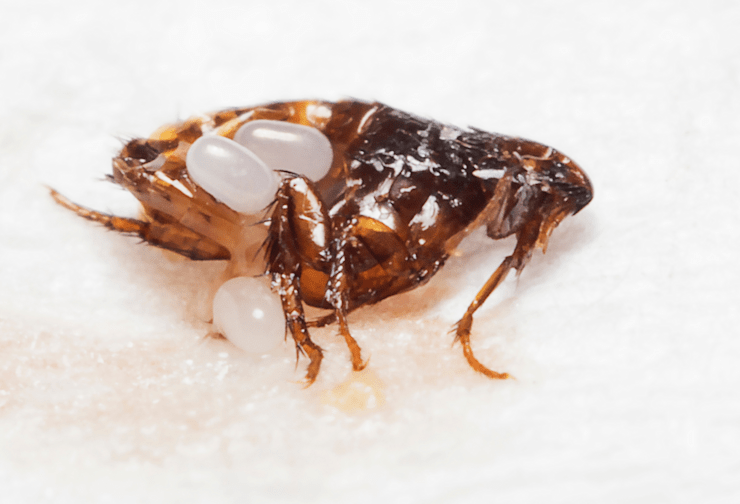
Credit: www.itchpet.com
Cold Weather Impact
Fleas are tiny pests that can cause big problems. People often wonder if cold weather stops fleas from living.
This article looks at how cold weather affects fleas and their chances of survival.
Can Fleas Survive Freezing Temperatures?
Fleas do not survive well in freezing weather. Most fleas die if exposed to temperatures below 32°F (0°C) for a long time.
- Fleas die quickly in freezing air.
- They avoid freezing by hiding in warm places.
- Flea eggs and larvae are more sensitive to cold.
- Fleas survive better indoors during winter.
Flea Adaptations To Winter
Fleas have ways to handle cold months. They change their behavior and life cycle to survive winter.
| Adaptation | Details |
| Seeking Warm Hosts | Fleas stay on animals that keep warm all year. |
| Egg Laying Timing | Fleas lay fewer eggs during cold months. |
| Hiding in Shelter | Fleas hide in carpets, pet beds, and cracks. |
| Slowed Development | Flea growth slows down to save energy. |
Indoor Vs Outdoor Survival
Fleas can live in different places during cold weather. Some survive indoors while others face challenges outside. Understanding where fleas survive helps control them better.
Cold weather affects fleas differently based on their environment. Indoor heat helps them live longer. Outside, cold limits their survival chances.
Fleas In Heated Homes
Fleas can survive well inside homes with heating. Warm temperatures let them grow and multiply. Pets bring fleas inside, where they find a safe place.
Inside, fleas stay active all year. They hide in carpets, furniture, and pet bedding. Heating keeps the indoor climate stable for fleas to thrive.
- Warm temperature helps flea eggs hatch faster
- Adult fleas live longer without cold stress
- Pets provide a constant food source
- Indoor hiding spots protect fleas from cold
Outdoor Flea Challenges
Outside, fleas face tough conditions in cold weather. Low temperatures slow their growth. Many fleas die before they can reproduce.
Snow and frost kill flea eggs and larvae. Fleas try to find animals or warm places to survive. Without shelter, they struggle to live long.
- Cold slows flea development
- Frost and snow harm flea eggs and larvae
- Fleas need hosts to stay warm
- Hiding spots help fleas survive winter outside
Preventing Flea Infestations In Winter
Fleas can survive cold weather by hiding in warm places. They stay active in your home and on pets. Knowing how to prevent fleas in winter helps keep your family safe.
Flea control requires a mix of treatments and home care. Use the right methods to stop fleas from growing and spreading during cold months.
Effective Flea Treatments
Use flea treatments designed for winter. These kill fleas and stop new ones from hatching. Treat your pets and surroundings regularly for best results.
- Apply flea medication to pets as directed by your vet
- Use flea collars to repel fleas
- Spray or fog indoor areas with flea control products safe for pets
- Wash pet bedding in hot water weekly
- Vacuum floors, carpets, and furniture often to remove eggs and larvae
Home Maintenance Tips
Keep your home clean and dry to reduce flea survival. Fleas hide in cracks and dark places. Fix leaks and seal gaps to block their entry and breeding.
| Maintenance Task | Benefit |
| Seal windows and doors | Stops fleas from entering |
| Fix leaks and damp spots | Removes flea breeding spots |
| Clear clutter and debris | Eliminates flea hiding places |
| Maintain yard and lawn | Reduces flea habitat outside |
| Vacuum frequently | Removes fleas and eggs indoors |
Myths About Fleas And Cold Weather
Many people think fleas cannot live in cold weather. They believe cold kills all fleas instantly. This idea affects how people try to control fleas during winter.
Understanding the truth about fleas and cold weather helps in managing flea problems better. Let’s clear up some common misconceptions and look at the facts.
Common Misconceptions
Some people believe fleas die as soon as temperatures drop below freezing. Others think fleas leave homes when it gets cold outside. Many assume fleas only survive in warm climates.
These ideas are not true. Fleas can survive cold weather in different ways. They do not simply vanish with the first frost or snow.
- Fleas die immediately at freezing temperatures.
- Cold weather drives fleas away from homes.
- Fleas only live in warm, tropical places.
Scientific Facts
Fleas survive cold weather by hiding in warm places. They live on pets, inside homes, or under leaf litter outdoors. Fleas slow down but do not die quickly in cold.
Flea eggs and larvae also survive cold by staying in protected spots. Fleas reproduce slower in winter, but they do not disappear. Warmer indoor temperatures help fleas stay active.
- Fleas survive cold by hiding in warm areas.
- They stay on pets or inside homes during winter.
- Flea eggs and larvae resist cold in sheltered spots.
- Fleas reproduce slower but keep living in cold weather.
- Indoor heat helps fleas stay active in winter.
Credit: www.canpharm.com
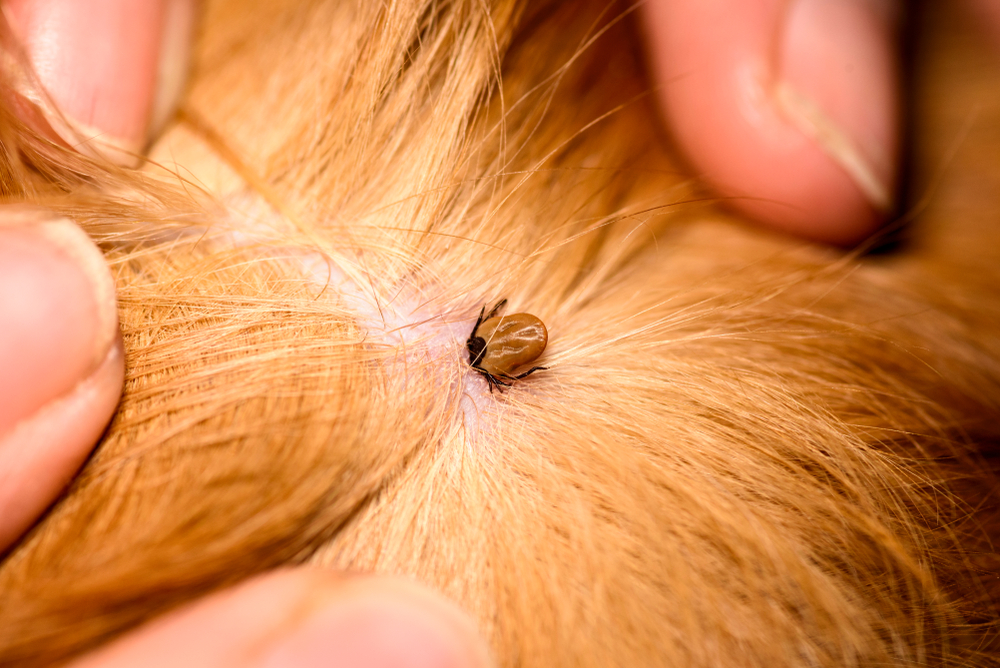
Credit: emeraldanimal.com
Frequently Asked Questions
Do Fleas Survive In Cold Weather?
Fleas can survive cold weather by hiding in warm places like pet fur or indoors. They become less active but do not die immediately.
How Do Fleas Survive Winter Months?
Fleas survive winter by entering a dormant state. They hide in carpets, bedding, or pets’ fur where temperatures stay warm.
Can Fleas Freeze To Death In Winter?
Fleas rarely freeze to death because they seek warm environments. Extreme cold outdoors may kill them, but indoor warmth protects them.
Does Snow Kill Fleas Effectively?
Snow alone does not kill fleas. Fleas survive under snow by staying in protected, warm spots. Proper pest control is needed.
Conclusion
Fleas can survive cold weather by hiding in warm places. They slow down but do not die easily. Homes and pets keep fleas safe during winter. Cleaning your house and pets helps control fleas all year. Stay alert, even when it feels cold outside.
Small steps stop fleas from spreading and causing problems. Remember, cold weather alone does not end flea trouble. Keep your space clean and watch your pets closely. Fleas are tough, but you can manage them well.