How Do Cows Survive a Hurricane: Amazing Survival Secrets Revealed
When a hurricane strikes, you might wonder how animals, especially cows, manage to stay safe. You’ve probably thought about people preparing for storms, but what about the cows grazing in open fields?
How do they survive the strong winds, heavy rain, and flooding? Understanding how cows cope with these extreme weather events can surprise you and give you a new appreciation for nature’s resilience. Keep reading to discover the incredible ways cows stay safe during hurricanes and what farmers do to protect them.
Credit: www.bradenton.com
Cows And Extreme Weather
Cows face many dangers during hurricanes. Strong winds and heavy rain can harm them. Farmers must help cows stay safe.
This article explains how cows survive hurricanes. It looks at their behavior and physical strength.
Behavioral Adaptations
Cows change how they act to stay safe in storms. They look for shelter and stay close to each other.
- Cows gather in groups to protect themselves.
- They seek higher ground to avoid floods.
- They hide behind trees or buildings to block wind.
- Many cows become calm to save energy during storms.
Physical Resilience
Cows have strong bodies that help them survive harsh weather. Their thick skin and muscles protect them.
| Feature | Benefit |
| Thick hide | Blocks cold wind and rain |
| Strong legs | Helps stand on slippery ground |
| Large lungs | Allows steady breathing in strong winds |
| Fat layer | Keeps them warm during cold storms |
Pre-hurricane Preparations
Hurricanes bring strong winds and heavy rain. Farmers must prepare early to protect their cows. These preparations help keep cows safe during storms.
Understanding both the actions farmers take and cows’ natural behavior is key to survival. Careful planning can reduce risks for livestock.
Farmers’ Protective Measures
Farmers get ready by securing shelter and food. They make sure cows have safe places to stay and enough water to drink.
- Move cows to higher ground to avoid floods
- Secure barns and fences against strong winds
- Store extra feed and clean water nearby
- Check emergency plans and communication tools
- Keep veterinary supplies ready for injuries
Cows’ Natural Instincts
Cows sense changes in weather. They often group together for safety and look for shelter on their own.
| Instinct | Behavior |
| Grouping | Cows stay close to protect from wind and rain |
| Sheltering | Find shelter under trees or in barns |
| Reduced Movement | Limit movement to save energy during storms |
During The Hurricane
Cows face many dangers during a hurricane. Strong winds and heavy rain can harm them.
Farmers watch their cows closely to keep them safe while the storm passes.
Seeking Shelter
Cows look for places to protect themselves from the wind and rain. They often find shelter near trees or buildings.
Shelter helps reduce stress and keeps cows warmer during the cold storm.
- Under large trees with strong branches
- Near barns or farm buildings
- Behind hills or natural land covers
Herding Patterns
Cows stay close together in groups during hurricanes. This helps them feel safer and stay calm.
The herd moves as one to find the best shelter and avoid danger.
- Group tightly to protect each other
- Follow the lead cow to safe spots
- Move slowly to avoid injury
Post-hurricane Recovery
Cows face many challenges after a hurricane. The storms damage their homes and food sources. Farmers work hard to help cows recover quickly.
Understanding how cows find food and water and handle health problems is important. This helps keep them safe and healthy after a storm.
Finding Food And Water
Hurricanes often destroy grass and plants cows eat. Water sources may be polluted or blocked by debris. Cows need clean water and food to regain strength.
- Farmers provide hay and feed when natural food is scarce.
- Fresh water tanks are cleaned and refilled regularly.
- Temporary fencing guides cows to safe water spots.
- Supplemental minerals and vitamins support recovery.
Health Challenges
Cows may suffer injuries or infections after a hurricane. Standing water and mud raise the risk of illness. Farmers watch cows closely for health issues.
| Health Issue | Cause | Care Needed |
| Foot rot | Wet, muddy conditions | Clean hooves, antibiotics |
| Respiratory illness | Cold, wet weather | Warm shelter, veterinary care |
| Dehydration | Limited water access | Fresh water, electrolyte solutions |
| Malnutrition | Scarce food | Supplemental feeding |
Technology Aiding Survival
Cows face many dangers during hurricanes. Technology helps farmers keep them safe. It provides real-time information and quick alerts.
With new tools, farmers can track cows and respond to emergencies faster. These technologies improve survival chances during storms.
Tracking And Monitoring
Farmers use GPS trackers to know where cows are at all times. Sensors monitor cow health and behavior. This data helps predict stress or danger from storms.
- GPS collars track cow location
- Health sensors check temperature and heart rate
- Mobile apps send alerts about cow conditions
- Weather stations provide local storm updates
Emergency Response Tools
Farmers use several tools to act quickly during hurricanes. These tools help move cows to safe areas and manage farm risks.
| Tool | Use | Benefit |
| Evacuation Plan Software | Maps safest routes | Speeds cow relocation |
| Automated Feed Systems | Delivers food during power outages | Keeps cows nourished |
| Emergency Lighting | Illuminates barns and paths | Improves visibility at night |
| Communication Radios | Connects farm workers | Coordinates response actions |
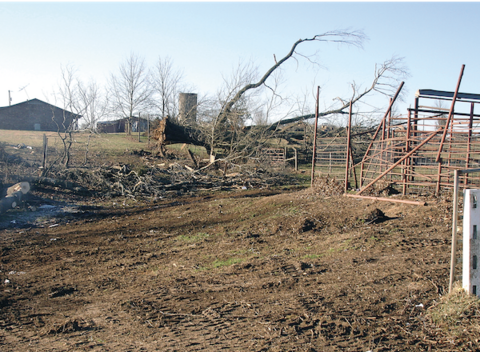
Credit: extension.msstate.edu
Lessons For Livestock Safety
Cows face many dangers during hurricanes. Strong winds and floods threaten their safety.
Farmers must prepare to keep their livestock safe in storms. Good shelter and plans help cows survive.
Improving Shelter Designs
Strong shelters protect cows from wind, rain, and debris. They need solid roofs and walls.
- Build shelters with sturdy materials like metal or reinforced wood
- Elevate floors to avoid floodwater
- Provide enough space for all cows to lie down comfortably
- Ensure proper ventilation to reduce heat and moisture
- Place shelters away from large trees or loose objects
Emergency Preparedness Tips
Farmers should make clear plans before a hurricane. Knowing what to do saves lives.
| Action | Purpose |
| Move cows to high ground | Prevent flood damage |
| Secure feed and water supplies | Keep cows fed and hydrated |
| Check emergency equipment | Be ready for power or water loss |
| Have a contact list for vets and helpers | Get quick assistance |
| Inspect shelters after the storm | Fix damage quickly |

Credit: www.msn.com
Frequently Asked Questions
How Do Cows Protect Themselves During Hurricanes?
Cows seek shelter in sturdy barns or high ground during hurricanes. Farmers often move them to safer areas in advance to reduce risks.
Can Cows Survive Flooding Caused By Hurricanes?
Yes, cows can survive flooding if moved to elevated land. Proper farm planning and early evacuation help protect them from floodwaters.
What Signs Indicate Cows Are Stressed During Hurricanes?
Cows show signs like restlessness, vocalization, and reduced feeding. Monitoring behavior helps farmers provide timely care and minimize stress impacts.
How Do Farmers Prepare Cows For Hurricane Season?
Farmers secure barns, stockpile feed, and create evacuation plans. Early preparation ensures cows have food, water, and shelter during storms.
Conclusion
Cows have surprising resilience during hurricanes. Their instinct guides them to safety. They seek shelter behind sturdy trees or hills. Farmers also play a crucial role. They ensure cows have safe spots. Good preparation can save lives. Monitoring weather updates helps farmers act swiftly.
Community support is vital too. Neighbors often share resources and advice. Together, they protect the herd. Understanding these measures can help many. It highlights the importance of preparedness. With care, cows can endure even fierce storms. Their survival depends on teamwork and strategy.
This knowledge benefits both farmers and livestock.