How Do Little Birds Survive Cold Weather: Essential Survival Secrets
Ever wondered how little birds manage to survive the biting cold of winter? It’s a question that intrigues many, and the answer might surprise you.
These tiny creatures, with their delicate frames, seem no match for harsh weather. Yet, they thrive. This article will uncover the fascinating strategies birds use to stay warm and safe. You’ll discover the incredible adaptations and survival tactics they employ.
By the end, you might find yourself seeing these resilient birds in a whole new light. Ready to unravel the secrets of nature’s little wonders? Let’s dive in.

Credit: www.arkwildlife.co.uk
Adaptations To Cold
Little birds face tough challenges during cold weather. They use special adaptations to stay warm and survive.
These adaptations help birds keep their body heat and find energy to live through cold days and nights.
Feather Insulation
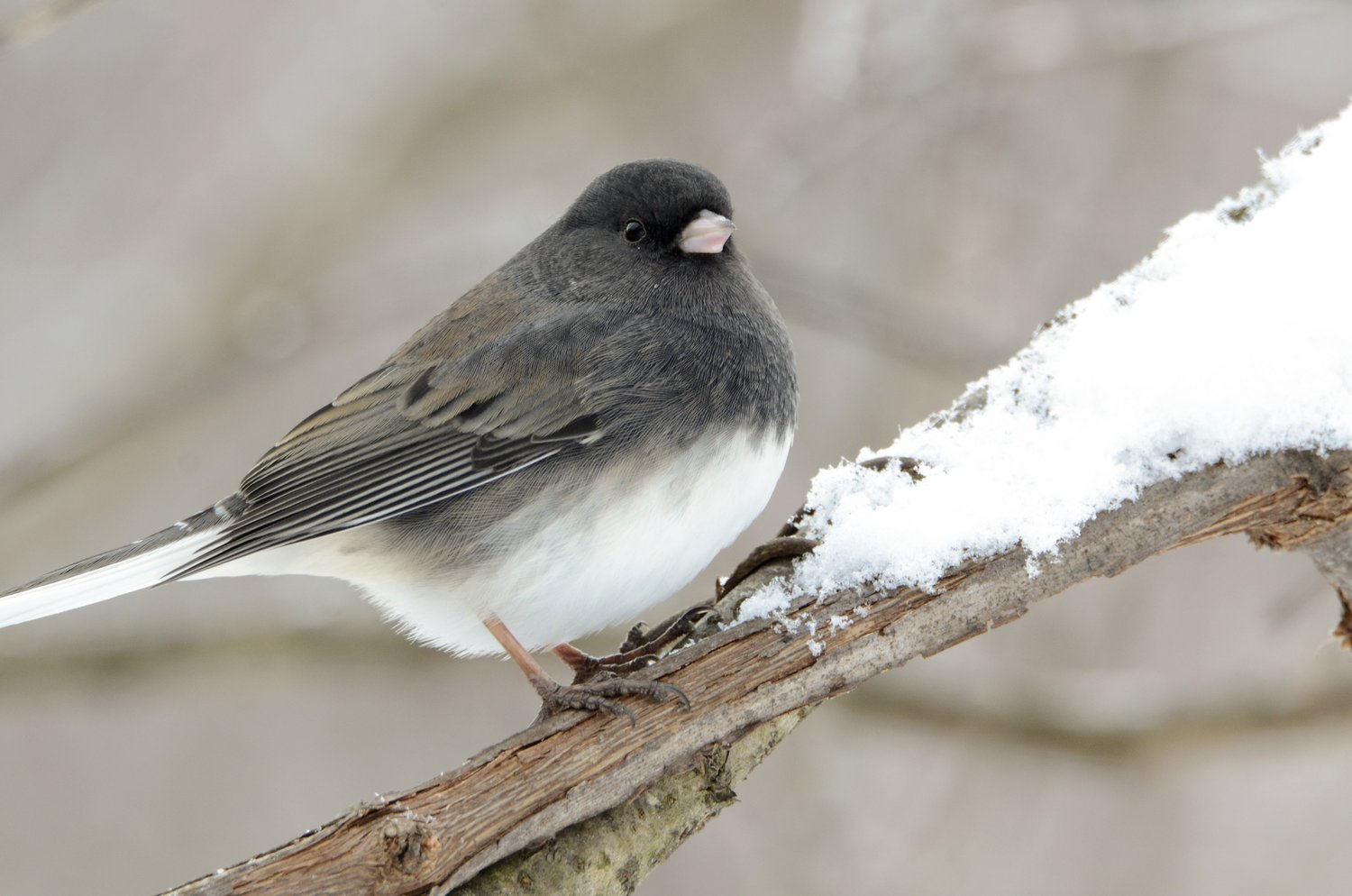
Birds have many feathers that trap air close to their bodies. This trapped air keeps them warm like a blanket.
They can fluff up their feathers to add more air space. This helps stop heat from escaping.
- Down feathers provide soft insulation
- Contour feathers protect from wind and rain
- Fluffed feathers increase trapped warm air
Body Fat Reserves
Little birds build up fat before cold seasons. Fat stores extra energy and helps keep their body warm.
Fat also acts as a layer under the skin. It works like extra insulation to stop heat loss.
- Fat stores energy for long cold nights
- Fat layer adds warmth under the skin
- Birds eat more food to build fat reserves
Shivering And Heat Production
Birds shiver to make their muscles move quickly. This movement creates heat inside their bodies.
Shivering helps birds raise their body temperature when it is very cold outside.
- Muscle contractions generate heat
- Shivering increases body warmth fast
- Birds use shivering to survive cold snaps
Behavioral Strategies
Little birds use smart behaviors to stay warm in cold weather. These actions help them save energy and survive harsh conditions.
They change how they act each day to keep their body heat and avoid danger from the cold.
Seeking Shelter
Birds find safe places to hide from the cold wind and snow. They use thick bushes, tree holes, or buildings for shelter.
Shelter helps birds keep warm by blocking cold air and rain. It also protects them from predators during winter.
Huddling Together
Birds often gather in groups to share body heat. Huddling helps each bird stay warmer than being alone.
They press close to each other, reducing heat loss and saving energy. This behavior is common in small birds during cold nights.
- Groups reduce exposure to cold air
- Shared warmth helps survive freezing temperatures
- Huddling also offers safety from predators
Reducing Activity Levels
Birds move less in cold weather to save energy. Less activity means they burn fewer calories and keep warm longer.
They rest more during the coldest parts of the day. This helps them conserve fat and stay alive until food is found again.
Food And Energy
Little birds face tough challenges in cold weather. They need more food and energy to stay warm. Their survival depends on finding enough nutrition during winter months.
Cold air makes birds burn energy faster. They must eat often to keep their body heat. Let’s look at how they find and use food in winter.
Increased Foraging
Birds spend more time looking for food in cold weather. They visit many places like trees, bushes, and feeders. This helps them find enough to eat.
- They search early in the morning and late afternoon.
- They join flocks to find food faster.
- They use memory to visit good feeding spots again.
High-energy Diets
Birds eat foods with high calories to get more energy. Seeds and nuts are rich in fats that help keep them warm. Insects also provide important proteins.
| Food Type | Energy Source | Benefit |
| Seeds | Fat | Long-lasting energy |
| Nuts | Fat and Protein | High calories and muscle repair |
| Insects | Protein | Body growth and strength |
Caching Food
Some birds save extra food for later use. They hide seeds and nuts in safe places. This behavior helps them during harsh weather when food is scarce.
Reasons birds cache food:
- Ensures food supply on cold days
- Reduces time spent searching in bad weather
- Helps young birds learn survival skills

Credit: www.arkwildlife.co.uk
Physiological Changes
Little birds face cold weather by changing how their bodies work. These changes help them save energy and stay warm. Their bodies adjust in ways that keep them alive during harsh winters.
Understanding these changes shows how birds survive without much food or shelter. Their bodies have special tricks to handle the cold.
Lowering Metabolism
Birds lower their metabolism to save energy in cold weather. Metabolism is how fast their bodies use energy. When it slows, they burn less fuel.
This helps birds survive when food is scarce. They can keep warm without needing as much food to burn.
Adjusting Blood Flow
Birds change how blood moves in their bodies to keep warm. Blood flow slows in their legs and feet. This lowers heat loss in cold parts.
At the same time, blood flow stays strong near vital organs. This keeps important body parts working well during cold weather.
- Reduces heat loss in extremities
- Keeps core body temperature steady
- Helps prevent frostbite on feet
Torpor And Hibernation
Torpor is a short-term drop in body temperature and activity. Birds use torpor to save energy at night or in cold weather. This state lowers their heart rate and breathing.
Some birds enter hibernation for longer periods. During hibernation, their body functions slow down a lot. This helps them survive when food is very hard to find.
Migration Patterns
Many little birds move to survive cold weather. Migration helps them find warmer places. This way, they stay safe and find food easily.
Birds use different migration patterns. Some travel short distances while others fly far away. These patterns depend on the bird species and the weather.
Short-distance Migration
Some small birds migrate only a short distance. They move from colder areas to nearby warmer spots. This helps them avoid harsh winter conditions.
Short-distance migration is less risky. Birds do not use much energy. They can return quickly if weather changes.
Timing And Triggers
Birds know when to start migrating by changes in daylight and temperature. When days get shorter and colder, birds get ready to fly.
Food availability is another trigger. If food becomes scarce, birds begin their journey early to find better places.
- Shorter daylight signals migration time
- Cold weather prompts birds to move
- Less food pushes birds to leave
Energy Management During Travel
Birds save energy by flying in groups or resting often. They eat high-energy foods before and during migration to keep their strength.
Some birds use wind currents to fly easier. They avoid flying in bad weather to reduce energy loss.
- Fly in groups to reduce effort
- Eat energy-rich foods before travel
- Use wind to help flying
- Rest during long journeys
Credit: swibirds.org
Frequently Asked Questions
How Do Little Birds Keep Warm In Winter?
Little birds fluff their feathers to trap heat close to their bodies. They also roost in sheltered spots to avoid wind and cold. Some increase food intake to boost energy and maintain body temperature.
What Foods Help Birds Survive Cold Weather?
High-energy foods like seeds, nuts, and suet help birds survive winter. These foods provide essential fats and calories to sustain their body heat. Birds also forage more frequently to meet their energy needs.
Do Birds Migrate To Avoid Cold Weather?
Many small birds migrate to warmer areas during winter to avoid harsh conditions. However, some species adapt by changing behavior and physiology to survive local cold climates.
How Do Birds Conserve Energy In Cold Weather?
Birds reduce activity and stay still to conserve energy during cold spells. They also enter torpor, a state of reduced metabolic rate, to save energy overnight.
Conclusion
Little birds stay warm by fluffing up their feathers. They find shelter in thick bushes or tree holes. Eating more food helps them keep energy all day. They tuck their heads under wings to save heat. Grouping together also shares body warmth.
These simple habits help them survive cold times. Nature’s way of protecting small birds is amazing. Next time you see a tiny bird in winter, remember these smart survival tricks. Small but tough, little birds face cold with strength and skill.