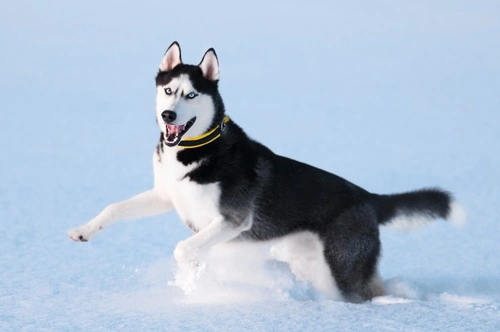
What Do Huskies Do to Survive Cold Weather: Essential Survival Traits
Have you ever wondered how huskies thrive in freezing temperatures that would leave most of us shivering? These incredible dogs seem to defy nature, effortlessly gliding through snow-covered landscapes with boundless energy.
It’s not magic, but rather a fascinating blend of biology and behavior that equips them for survival in the cold. Imagine if you could unlock the secrets of their resilience and apply it to your own life. Understanding what huskies do to endure harsh winters can offer surprising insights into adaptability, strength, and survival.
Ready to discover how these remarkable animals conquer the cold? Let’s dive into the world of huskies and uncover the mystery behind their winter endurance.
Thick Double Coat
Huskies survive cold weather because of their thick double coat. This coat keeps them warm and dry.
The double coat has two layers. Each layer has a special job to protect the dog.
Outer Coat Protection
The outer coat of a husky is made of long, straight hairs. These hairs protect the dog from snow and rain.
It acts like a shield. Water and dirt do not reach the skin because the outer coat is water-resistant.
- Blocks moisture from reaching the skin
- Shields against cold wind
- Keeps dirt and snow out
Insulating Undercoat
The undercoat is soft and thick. It traps warm air close to the husky’s body.
This layer keeps the dog warm even in freezing temperatures. It acts like a warm blanket.
- Traps heat to keep the dog warm
- Soft and dense for comfort
- Helps keep body temperature steady
Body Fat And Muscle
Siberian Huskies live in cold climates. Their bodies have special features to keep warm. Body fat and muscle help them survive freezing weather.
This article explains how Huskies use fat and muscle to stay warm in cold weather.
Natural Fat Layer
Huskies have a thick layer of fat under their skin. This fat acts like a warm blanket. It keeps their body heat from escaping. The fat layer grows thicker in winter.
- The fat layer protects internal organs from cold.
- It helps store energy for cold days.
- This fat also makes their skin less sensitive to frostbite.
- It supports insulation, keeping Huskies dry and warm.
Muscle Mass For Heat
Strong muscles generate heat when Huskies move. Muscle mass helps keep their body temperature steady. More muscle means more warmth in cold weather.
| Muscle Function | Benefit in Cold |
| Shivering | Creates heat fast |
| Movement | Maintains body warmth |
| Fat storage support | Protects organs |
Paw Adaptations
Huskies live in very cold places. Their paws help them stay warm and safe. These paws have special features for cold weather.
Two main parts help huskies survive the cold: fur between toes and rough paw pads. These parts work together to protect their feet.
Fur Between Toes
Huskies have thick fur growing between their toes. This fur keeps their paws warm. It also stops ice and snow from sticking to their feet.
- Acts as insulation against cold ground
- Prevents snow from building up between toes
- Protects skin from sharp ice or rough surfaces
- Helps huskies walk quietly on snow
Rough Paw Pads
Huskies have rough, thick paw pads. These pads give extra grip on icy surfaces. They also stop the paws from getting hurt by cold or sharp ice.
| Feature | Benefit |
| Thick skin | Protects against cold and rough ground |
| Rough texture | Prevents slipping on ice |
| Flexibility | Helps walk on uneven snow surfaces |

Credit: www.reddit.com
Behavioral Traits
Huskies are known for their ability to survive cold weather. They use special behaviors to stay warm and safe. These behaviors help them keep their body heat and avoid harsh conditions.
Understanding these traits shows how Huskies are built for cold climates. Their actions help them live comfortably when temperatures drop.
Curling To Conserve Heat
One common behavior Huskies use is curling their bodies. They curl up tightly to keep heat close to their bodies. This position reduces the surface area exposed to cold air.
- They tuck their nose under their tail.
- Their thick fur traps warm air inside.
- This posture helps protect vital organs.
- Curling lowers heat loss through the paws.
Seeking Shelter
Huskies also find or create shelters to stay warm. They look for places protected from the wind and snow. Shelters help block cold air and keep the environment stable.
| Shelter Type | Purpose |
| Snow Burrows | Trap heat and block wind |
| Natural Caves | Offer protection from weather |
| Dense Bushes | Provide cover and reduce wind chill |
| Man-made Shelters | Used when natural spots are unavailable |
Metabolic Adjustments
Huskies live in cold places. Their bodies change to keep warm. These changes help them survive freezing weather.
Metabolism is how their body uses energy. Huskies adjust their metabolism to stay warm and active.
Increased Caloric Intake
Huskies eat more food in winter. They need extra calories to keep their body heat high. Food gives them energy to stay warm.
Their diet has more fats and proteins. These nutrients burn slowly and release heat for a long time.
- More calories help fuel their muscles
- Fats provide long-lasting energy
- Proteins support body repair and warmth
Efficient Energy Use
Huskies use energy wisely. Their bodies reduce energy loss. This helps keep them warm without wasting fuel.
Their cells work to produce heat instead of moving too much. This way, they save energy for warmth and survival.
- Body reduces unnecessary movements
- More energy goes to heat production
- Muscle activity creates internal warmth

Credit: www.reddit.com
Respiratory Adaptations
Huskies have special features to help them breathe in cold weather. Their respiratory system keeps them warm and safe.
These adaptations protect huskies from the freezing air while they run and play outside.
Nasal Heat Exchange
Huskies have a unique nasal system that warms cold air before it reaches their lungs. This stops their body heat from escaping.
Their nose traps heat from the warm air they breathe out. This heat then warms the cold air they breathe in.
- Cold air enters the nose and passes through a complex network.
- Warm air from the lungs warms the nasal passages.
- This process saves body heat and protects lungs from cold air.
Breathing Techniques
Huskies use breathing methods to control how much cold air enters their body. They adjust their breath to stay warm.
By breathing slowly and deeply, huskies reduce heat loss and keep their lungs safe from the cold.
- Slow breathing limits cold air exposure.
- Deep breaths warm air inside the lungs.
- Rapid breathing is avoided in freezing weather.
Social Survival Strategies
Huskies use social ways to stay warm in cold weather. They rely on group actions to survive harsh conditions.
Living and working together helps huskies save heat and protect each other from cold winds.
Pack Huddling
Huskies stay close to share body heat. Huddling in a group helps keep them warm during cold nights.
They curl up in circles with their tails covering their noses. This reduces heat loss and keeps their faces warm.
- Close physical contact keeps warmth inside.
- Body heat shared among all pack members.
- Reduces exposure to cold air and wind.
- Helps pups and weaker dogs stay warm.
Cooperative Behavior
Huskies work as a team to survive cold weather. They share tasks like finding shelter and food.
They watch out for each other and take turns leading. This teamwork helps the whole pack stay safe and strong.
- Sharing shelter to block cold winds.
- Hunting or finding food together.
- Taking turns to rest and stay alert.
- Protecting weaker members from harsh weather.

Credit: www.reddit.com
Frequently Asked Questions
How Do Huskies Stay Warm In Freezing Temperatures?
Huskies have thick double coats that trap heat and insulate against cold. Their fur repels snow and water, keeping skin dry. They also have a dense undercoat that provides extra warmth during extreme cold.
Why Do Huskies Have Thick Fur Coats?
Their fur evolved to protect them from harsh Arctic climates. The double coat acts as a thermal barrier. The outer layer repels moisture, while the undercoat traps body heat, ensuring huskies remain warm in freezing weather.
Can Huskies Survive In Extreme Cold Without Shelter?
Yes, huskies can endure very low temperatures due to their natural adaptations. However, they still need shelter to avoid wind chill and prolonged exposure. Proper care ensures they remain healthy and comfortable in cold environments.
How Do Huskies’ Paws Help In Cold Weather?
Huskies’ paws have thick pads and fur between toes, providing insulation. This prevents frostbite and improves traction on ice. Their paw structure allows them to walk comfortably on snow and frozen surfaces.
Conclusion
Huskies have many ways to stay warm in cold weather. Their thick fur keeps the cold out and traps heat inside. They curl up tightly to save body heat. Strong paws help them walk on ice and snow. These dogs are built to handle harsh winters.
Watching how huskies survive teaches us about nature’s design. Their strength and warmth inspire us to face cold days better. Huskies show that with the right traits, cold weather is not a problem.