How Do Fish Survive Hurricanes: Shocking Nature Survival Secrets
Have you ever wondered how fish manage to survive the chaos and fury of a hurricane? It’s a fascinating mystery of nature that might surprise you.
When a hurricane strikes, you might picture the violent winds and crashing waves wreaking havoc on everything in their path. But beneath the surface, fish have developed incredible ways to ride out the storm. Understanding these survival tactics not only satisfies your curiosity but also deepens your appreciation for the resilience of marine life.
You’ll uncover the secrets of how fish withstand the wrath of hurricanes, and you might just find yourself amazed by their adaptability. Keep reading to discover the remarkable strategies fish use to stay safe and secure when nature unleashes its power.
Fish Behavior Before Storms
Fish have ways to sense changes in their environment before storms. These changes help them prepare for strong weather.
Understanding their behavior helps us learn how they survive hurricanes and other severe storms.
Sensing Environmental Changes
Fish detect changes in water pressure, temperature, and currents before a storm. These signals warn them of an approaching hurricane.
- Pressure drops as the storm nears
- Water temperature can change quickly
- Currents become stronger and more erratic
- Fish use their lateral line system to feel vibrations
- Some fish respond to chemical changes in the water
Seeking Shelter In Safe Zones
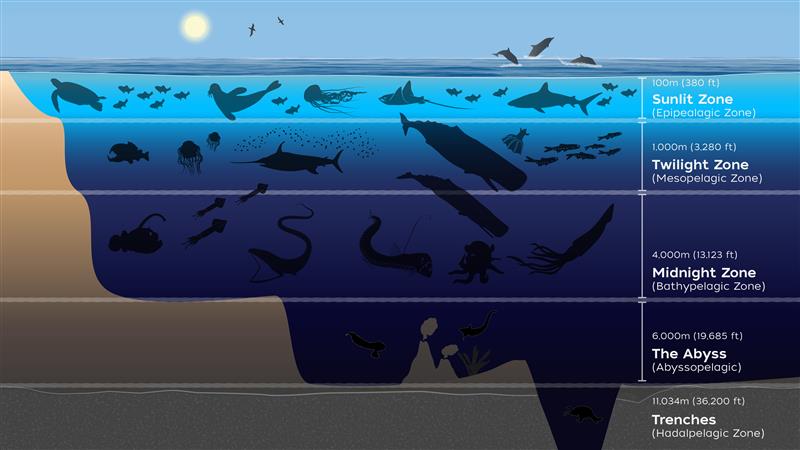
When fish sense danger, they move to safe areas to avoid strong waves and debris. These shelters help them stay protected during storms.
| Safe Zone | Description |
| Deep Water | Less affected by surface turbulence |
| Coral Reefs | Provide hiding places and protection |
| Under Rocks or Logs | Shelter from strong currents |
| Mangrove Roots | Natural barrier against waves |

Credit: www.youtube.com
Adaptations To Turbulent Waters
Fish face strong currents and waves during hurricanes. They need special ways to survive the rough water. Their bodies and behavior help them stay safe.
These adaptations let fish avoid danger and keep control in wild conditions. Understanding these traits shows how fish live through storms.
Physical Traits For Stability
Fish have bodies built to resist strong water flow. Their shape and fins help them stay steady. Some have flat bodies to hug the sea floor. Others have strong tails for power.
- Streamlined bodies reduce water resistance
- Strong fins act like anchors to hold position
- Thick scales protect against debris
- Muscular tails provide bursts of speed
Swimming Techniques During Storms
During hurricanes, fish change how they swim. They avoid open water and seek shelter. Some swim close to the bottom where currents are weaker. Others use quick, short bursts to move safely.
| Technique | Purpose |
| Bottom hugging | Reduces impact of waves |
| Short bursts | Escapes sudden threats |
| Using fins to anchor | Keeps position in strong currents |
| Seeking sheltered areas | Avoids the worst water movement |
Sheltering Strategies
Fish face strong waves and currents during hurricanes. They use smart ways to stay safe. Sheltering helps them survive the storm.
Many fish seek protected places in the ocean. These spots reduce the risk of injury or being swept away.
Hiding In Coral Reefs And Mangroves
Coral reefs and mangroves offer shelter and food. Fish hide in the small spaces between corals or roots. This keeps them safe from strong water flows.
- Coral reefs have many crevices for hiding.
- Mangrove roots reduce wave energy near shore.
- Both habitats provide food during storms.
- These areas help fish avoid predators during hurricanes.
Utilizing Underwater Caves And Crevices
Underwater caves and crevices are strong shelters. Fish enter these tight spaces to escape rough waters. The caves protect fish from debris and fast currents.
| Shelter Type | Protection Benefit |
| Underwater Caves | Blocks waves and debris |
| Rock Crevices | Offers narrow hiding spots |
| Coral Gaps | Reduces current force |
| Mangrove Roots | Dampens wave impact |
Credit: www.whoi.edu
Impact Of Hurricanes On Fish Habitats
Hurricanes cause major changes in water and fish homes. The strong winds and rain affect the places where fish live. These storms can harm fish and their environment in many ways.
Understanding how hurricanes affect fish habitats helps us learn how fish survive these events. Two key impacts are changes in water quality and habitat destruction with possible recovery.
Changes In Water Quality
Hurricanes stir up sediments and pollutants in the water. This lowers water quality and makes it hard for fish to breathe and find food. The water can become cloudy, salty, or have less oxygen.
- Storm runoff adds dirt and chemicals
- Oxygen levels drop due to mixing
- Temperature changes affect fish metabolism
- Salinity rises in some freshwater areas
- Algae blooms may occur after the storm
Habitat Destruction And Recovery
Strong winds and waves can destroy coral reefs, seagrass beds, and mangroves. These habitats protect fish and provide food. After the storm, some habitats slowly recover, but others take years.
| Habitat | Damage | Recovery Time |
|---|---|---|
| Coral Reefs | Broken and buried under sediment | 5 to 10 years |
| Seagrass Beds | Uprooted and covered with debris | 1 to 3 years |
| Mangroves | Felled trees and eroded soil | 2 to 5 years |
Long-term Survival After Hurricanes
Hurricanes cause big changes in the ocean and rivers. Fish face strong winds, waves, and floods. These events can damage their homes and food sources.
Fish have ways to survive after hurricanes. Their long-term survival depends on how they repopulate and adapt to new conditions.
Repopulation And Migration Patterns
After a hurricane, many fish move to safer places. They leave damaged areas and find new spots to live. This movement helps them avoid danger and find food.
Fish also reproduce more to replace lost numbers. Some species lay many eggs to increase chances of survival. Young fish grow and fill empty habitats over time.
- Fish migrate to deeper or protected waters
- Spawning increases after storms to boost population
- Juvenile fish repopulate damaged areas gradually
Ecosystem Resilience And Adaptation
Fish depend on their ecosystems to recover after hurricanes. Healthy coral reefs, mangroves, and seagrass beds provide shelter and food. These habitats help fish survive tough times.
Fish can also adapt to changes. Some change their diet or behavior to fit new environments. This flexibility helps them live in different conditions after storms.
- Coral reefs and mangroves protect fish homes
- Fish adjust diets to available food sources
- Adaptation helps fish survive new environmental challenges
Credit: www.islandpacket.com
Scientific Research And Discoveries
Fish face many dangers during hurricanes. Scientists study how fish survive these storms. They learn by tracking fish and using new technology.
Research helps us understand fish behavior and how they adapt to rough conditions. This knowledge can guide efforts to protect marine life.
Tracking Fish Movements During Storms
Scientists use special tags to follow fish during hurricanes. These tags send data about the fish’s location and depth. Tracking shows how fish move to avoid strong currents and waves.
- Fish swim to deeper waters to escape surface turbulence.
- Some species find shelter near coral reefs or underwater caves.
- Many fish reduce activity to save energy during storms.
- After the storm, fish often return to their original habitats.
Technological Advances In Marine Study
New tools help scientists study fish and ocean conditions during hurricanes. These tools collect data on water temperature, pressure, and movement.
| Technology | Use | Benefit |
| Acoustic Tags | Track fish location | Shows fish movement patterns |
| Underwater Drones | Record video and sensors | Observe fish behavior safely |
| Ocean Buoys | Measure water data | Monitor storm impact on environment |
Frequently Asked Questions
How Do Fish Sense Approaching Hurricanes?
Fish detect changes in water pressure and temperature. These shifts signal an approaching storm, prompting them to find shelter early.
Where Do Fish Hide During Hurricanes?
Fish seek refuge in deep waters, reefs, or underwater caves. These areas offer protection from strong currents and debris.
How Do Fish Survive Strong Hurricane Currents?
Fish use their fins to stabilize and swim into currents. This helps them avoid being swept away and reduces injury risk.
Do Hurricanes Affect Fish Migration Patterns?
Yes, hurricanes can alter migration routes temporarily. Fish adapt by changing paths to avoid dangerous storm zones.
Conclusion
Fish survive hurricanes by using natural instincts and shelter. They swim to deeper, calmer waters to avoid strong currents. Some hide among coral reefs or underwater plants for protection. Their bodies and movements help them stay balanced during rough waves.
These survival skills help fish live through storms and recover quickly afterward. Understanding this helps us appreciate how nature adapts to extreme weather. Fish show resilience even in the toughest conditions. Nature’s ways are simple yet effective.