Can Any Homes Survive a Category 4 Hurricane? Shocking Truths Revealed
When a Category 4 hurricane is on the horizon, your mind might race with questions about the safety of your home. The power and destruction of these storms can be terrifying, leaving you to wonder if any home can truly withstand their force.
Imagine standing in your living room, hearing the wind howl outside, and wondering if your walls will hold. This article dives into the heart of that fear and explores whether your home can stand up to a Category 4 hurricane.
We’ll uncover the secrets of resilient homes, the technology behind their strength, and what you can do to protect your sanctuary. Prepare to transform your anxiety into empowerment as you discover how to safeguard your home against nature’s fury.
Category 4 Hurricane Impact
Category 4 hurricanes are very strong storms. They can cause serious damage to homes and buildings.
Understanding the effects of these hurricanes helps us see if homes can survive the impact.
Wind Speeds And Damage Potential
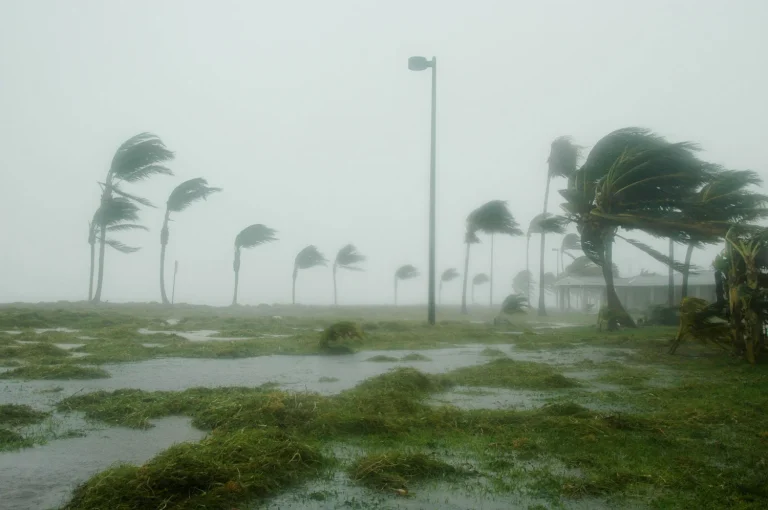
Category 4 hurricanes have wind speeds between 130 and 156 miles per hour. These winds can tear roofs off homes and break windows.
Strong winds can also knock down trees and power lines, which adds to the damage.
- Roofs can be lifted or destroyed
- Walls may collapse under strong wind pressure
- Flying debris can break windows and doors
- Older homes without storm protection are at high risk
Flooding And Storm Surge Effects
Flooding is a major danger in Category 4 hurricanes. Heavy rain and storm surge cause water to rise quickly.
Storm surge can push seawater inland, flooding homes and damaging foundations.
- Floodwaters can enter homes and destroy interiors
- Foundations may weaken or crack from water pressure
- Electrical systems can fail due to water damage
- Homes in low areas are more vulnerable to flooding
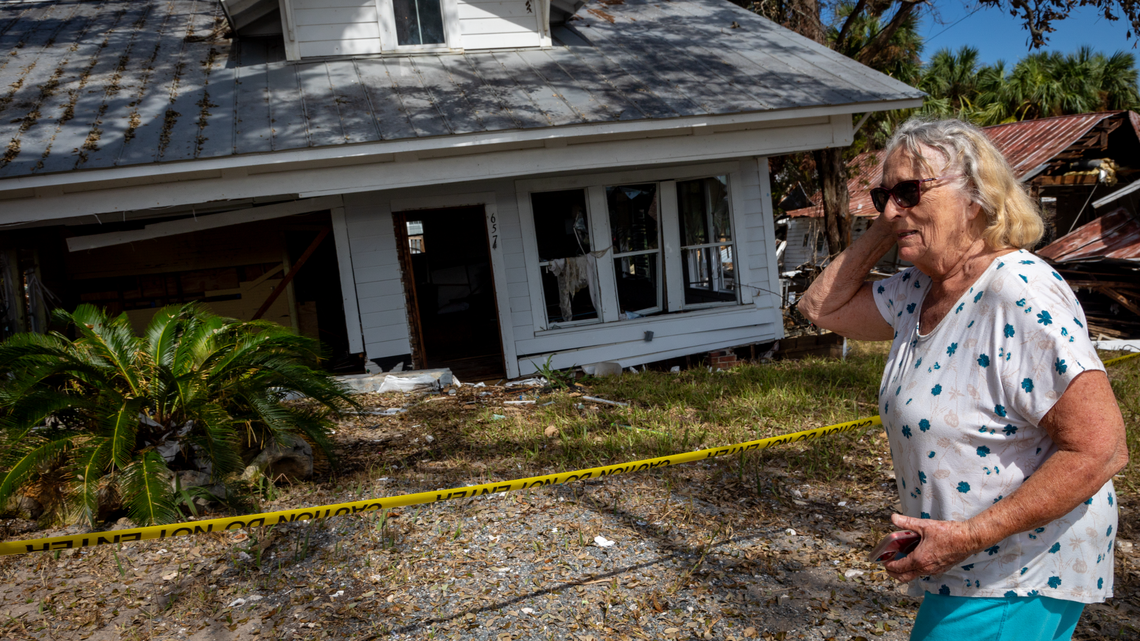
Credit: www.miamiherald.com
Home Construction And Materials
Category 4 hurricanes have very strong winds. These winds can damage many homes. The way a home is built and the materials used matter a lot. Strong homes can stand better against storms.
This article looks at home building rules, materials, and design. These factors help homes survive big hurricanes.
Building Codes And Standards
Building codes set rules for safe home construction. They include rules for wind resistance and roof strength. Homes built with strong codes resist hurricane damage better.
Many places in hurricane zones update their codes after big storms. This helps protect new homes from future hurricanes.
- Codes require strong roof connections to walls
- Windows and doors must resist high winds
- Foundations are built to avoid flooding damage
- Materials must meet wind and water resistance tests
Resilient Building Materials
Some materials handle hurricane forces better than others. Using strong materials helps homes stay safe. They reduce damage from wind and flying debris.
Materials like reinforced concrete, steel, and impact-resistant glass are good choices. They keep the home structure intact during storms.
- Reinforced concrete walls resist strong winds
- Steel framing adds strength to the house
- Impact-resistant windows prevent breakage
- Fiber cement siding holds up against debris
Role Of Design And Architecture
Design affects how well a home handles hurricane winds. Simple shapes and strong roof designs reduce wind pressure. This lowers the chance of damage.
Architects plan homes with fewer overhangs and secure roof slopes. These features help wind flow smoothly around the house. The house stays safer during storms.
- Simple roof shapes reduce wind uplift
- Secure roof-to-wall connections prevent roof loss
- Fewer openings mean less wind enters the home
- Elevated designs protect from flood waters
Types Of Homes That Withstand Storms
Category 4 hurricanes bring strong winds and heavy rain. Not all homes can survive such storms. Some homes are built to resist damage and keep people safe.
This article explains the types of homes that can withstand these powerful storms. Learn about strong materials and smart designs that help homes stand firm.
Concrete And Steel Structures
Homes made from concrete and steel are very strong. These materials resist wind and flying debris better than wood. They also last longer after storms.
- Concrete walls prevent wind damage.
- Steel frames add extra strength.
- Impact-resistant windows protect from broken glass.
- Roofs built with metal or reinforced concrete hold up well.
Elevated And Flood-resistant Homes
Flooding is common in hurricanes. Homes built on stilts or raised foundations avoid floodwater damage. These designs keep living spaces dry and safe.
| Feature | Benefit |
| Raised foundation | Keeps home above flood levels |
| Flood vents | Allow water to flow through without damage |
| Waterproof materials | Prevent water from entering walls and floors |
Innovative Hurricane-proof Designs
New home designs use smart shapes and technology to fight hurricanes. Rounded walls and aerodynamic roofs reduce wind pressure. Some homes even have safe rooms inside.
Common features include:
- Roof anchors that hold the roof firmly in place
- Shutters that protect windows from debris
- Flexible materials that move without breaking
- Backup power systems for emergencies
Common Vulnerabilities In Homes
Homes face many risks during a Category 4 hurricane. Strong winds and heavy rain can cause serious damage. Knowing common weak points helps prepare better defenses.
Three main areas often fail: roofs and windows, foundations, and damage from flying debris. Each has unique dangers that can hurt a home’s structure.
Roof Failures And Window Breakage
Roofs often suffer from high winds that lift or tear off shingles and panels. Broken windows let rain and wind inside, causing more damage.
- Loose or missing shingles increase leak risk.
- Weak window frames break under wind pressure.
- Unprotected glass shatters from flying debris.
- Improper seals allow water to enter.
Foundation Weaknesses
Foundations can crack or shift during floods or strong winds. Soil erosion and water pressure cause instability. Poor construction materials worsen these problems.
| Type of Weakness | Cause | Effect |
| Cracks in concrete | Water pressure | Structural damage |
| Soil erosion | Flooding | Foundation shift |
| Poor drainage | Heavy rain | Water pooling |
Impact Of Debris And Flying Objects
Flying debris hits homes with great force. It can break windows, damage walls, and puncture roofs. Loose objects become dangerous projectiles.
- Tree branches
- Roof tiles
- Loose outdoor furniture
- Signs and trash cans
Preparing Homes For Category 4 Hurricanes
Category 4 hurricanes bring very strong winds and heavy rain. Homes must be ready to face these harsh conditions. Proper preparation can protect your house and family.
This guide covers key ways to prepare your home. It focuses on strengthening the structure, adding protective barriers, and using landscaping for safety.
Reinforcing Structural Elements
Strong walls and roofs help homes survive strong winds. Use materials that resist damage. Secure joints and connections tightly.
- Install hurricane straps on the roof
- Use impact-resistant roof shingles
- Strengthen garage doors with braces
- Seal gaps and cracks to prevent water entry
Installing Storm Shutters And Barriers
Windows and doors are weak points during storms. Storm shutters block flying debris and reduce wind pressure on glass.
| Type of Shutter | Benefits | Installation |
| Accordion Shutters | Quick to open and close | Permanently mounted |
| Roll-Down Shutters | Strong and easy to operate | Mounted above windows |
| Bahama Shutters | Shade and protection | Attached at top of window |
| Storm Panels | Cost-effective and strong | Removed when not in use |
Landscaping And External Protection
Trees and plants near your home can cause damage if not cared for. Choose safe landscaping options to reduce risk.
- Trim branches away from roofs and windows
- Remove dead or weak trees near the house
- Use gravel or mulch to reduce soil erosion
- Install fences that can withstand strong winds
Case Studies Of Homes Surviving Hurricanes
Hurricanes can cause severe damage to homes. Yet, some houses survive even Category 4 storms. This article looks at real cases of homes that withstood such powerful hurricanes.
We will explore what helped these homes survive and what mistakes caused others to fail. These stories offer lessons for building safer houses in hurricane zones.
Successful Survival Stories
Many homes survived Category 4 hurricanes due to strong design and materials. Some used advanced building codes, while others had smart landscaping to reduce wind impact.
- Concrete walls and reinforced windows stopped flying debris.
- Roofs with hurricane straps stayed intact under high winds.
- Elevated foundations prevented flood damage.
- Storm shutters added extra protection to glass surfaces.
- Proper drainage systems kept water away from the house base.
These features combined helped many families stay safe and keep their homes standing.
Lessons Learned From Failures
Some homes failed due to weak construction or poor planning. Flooding, roof loss, and wall collapse were common problems. Studying these failures helps improve future building practices.
| Cause of Failure | Effect on Home | Lesson Learned |
| Weak roof connections | Roof blew off | Use hurricane straps for roof |
| Unprotected windows | Glass shattered | Install impact-resistant windows or shutters |
| Poor foundation elevation | Flood damage | Build on raised foundations |
| Inadequate drainage | Water pooling near house | Create proper drainage paths |
| Light building materials | Walls collapsed | Use reinforced concrete or strong framing |
Future Trends In Hurricane-resistant Housing
Hurricanes can cause severe damage to homes. Building houses that survive strong storms is very important. New ideas and technologies help make homes safer.
Designers and builders look for ways to make houses stronger and last longer. This helps protect families and reduce repair costs after hurricanes.
Emerging Technologies
New technologies improve the strength of homes against hurricanes. Materials like impact-resistant windows and reinforced walls make buildings tougher. Smart sensors can warn homeowners about dangers early.
Advanced construction methods use stronger frames and roofs. Some homes use flexible materials that move with the wind. This reduces damage during storms.
- Impact-resistant glass windows
- Reinforced concrete and steel frames
- Smart sensors for early alerts
- Flexible building materials
- Storm shutters and protective barriers
Sustainable And Resilient Communities
Building strong homes is part of creating resilient communities. These communities plan for storms by using green spaces and water drainage systems. This lowers flood risks and helps homes stay safe.
Sustainable building uses eco-friendly materials that last long. Community designs include safe shelters and easy evacuation routes. This prepares people better for hurricanes.
- Green spaces to absorb rainwater
- Eco-friendly, durable building materials
- Safe shelters within neighborhoods
- Clear evacuation paths
- Community storm preparedness plans

Credit: finance.yahoo.com

Credit: finance.yahoo.com
Frequently Asked Questions
Can Homes Truly Withstand A Category 4 Hurricane?
Yes, some homes can survive a Category 4 hurricane if built with reinforced materials and proper design. Strong foundations, impact-resistant windows, and hurricane straps increase durability significantly.
What Building Features Resist Category 4 Hurricane Damage?
Homes with concrete walls, metal roofs, and storm shutters resist damage best. Elevated structures and secure doors also reduce flood and wind damage risks effectively.
Are Traditional Wooden Homes Safe In Category 4 Hurricanes?
Traditional wooden homes are more vulnerable unless heavily reinforced. Without additional bracing and wind-resistant features, they risk severe structural damage or collapse.
How Does Home Elevation Help During Hurricanes?
Elevating homes reduces flood risk by keeping living spaces above water levels. This prevents water damage and helps homes survive storm surge impacts better.
Conclusion
Homes built with strong materials and proper design can survive Category 4 hurricanes. Still, no house is completely safe from such powerful storms. Preparing early and following safety rules matter a lot. Using impact-resistant windows and reinforced roofs helps protect your home.
Regular maintenance and updates increase a house’s strength against wind and water. Remember, safety depends on both building quality and your readiness. Stay informed and take action before a hurricane hits. Protecting your home is possible but requires effort and smart planning.