Can Pantry Moths Survive in Cold Weather? Shocking Truth Revealed!
Imagine opening your pantry, only to find tiny moths fluttering around. It’s unsettling, right?
You might wonder if these pesky pantry moths can survive during the cold months. As the temperature drops, you probably hope that they won’t last much longer. But is that really the case? Understanding the survival tactics of pantry moths in cold weather can help you keep your kitchen safe and your food fresh.
You’ll discover the truth about pantry moths and cold weather, and learn simple steps to keep these unwanted guests at bay. Don’t miss out—what you learn could save you from a moth invasion!

Credit: www.reddit.com
Pantry Moths Basics
Pantry moths are common pests in kitchens and food storage areas. They can infest grains, cereals, nuts, and dried fruits.
Understanding their habits helps control and prevent infestations effectively.
Common Types
The two most common pantry moths are the Indian meal moth and the Mediterranean flour moth. Both cause damage to stored foods.
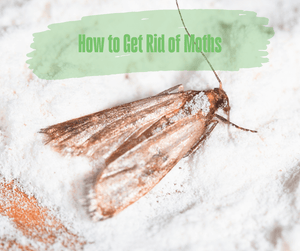
- Indian Meal Moth:Recognized by its coppery wing tips and grayish front wings.
- Mediterranean Flour Moth:Smaller, with pale gray wings and dark markings.
- Drugstore Beetle:Sometimes confused with moths, but also a common pantry pest.
Life Cycle
Pantry moths go through four stages: egg, larva, pupa, and adult. The larva stage causes the most damage to food.
| Stage | Description | Duration |
| Egg | Laid on food, tiny and hard to see | 2-14 days |
| Larva | White caterpillar that eats stored food | 2-41 days |
| Pupa | Cocoon stage before adult moth | 15-20 days |
| Adult | Flying moth that lays eggs | 5-25 days |
Habitats
Pantry moths prefer warm, dry places with easy access to food. They hide in cracks and crevices near food sources.
- Dark corners in pantries
- Inside food packages and containers
- Cracks in cupboards and shelves
- Near pet food storage areas
Cold Weather Effects
Pantry moths are common pests in kitchens and food storage areas. Cold weather can affect their survival and behavior.
Understanding how cold impacts pantry moths helps control their spread during winter months.
Temperature Tolerance
Pantry moths can survive in a range of temperatures but struggle in very cold weather. They usually thrive between 50°F and 85°F.
Temperatures below 40°F slow their activity and growth. Freezing temperatures can kill eggs and larvae over time.
- Optimal temperature: 50°F to 85°F
- Below 40°F: slowed growth and activity
- Freezing: likely death of eggs and larvae
Behavior Changes
In cold weather, pantry moths become less active. They reduce flying and feeding to save energy.
They often hide in warmer places like cupboards or near appliances. This helps them avoid the cold.
- Reduced flying and feeding
- Seek warm hiding spots
- Lower energy use during cold
Survival Mechanisms
Pantry moths use several ways to survive cold weather. They enter a dormant state called diapause to slow their metabolism.
They also lay eggs in protected places. These eggs can survive brief cold spells until warmer weather returns.
- Enter diapause to reduce metabolism
- Lay eggs in protected areas
- Eggs survive short cold periods
Freezing Temperatures Impact
Pantry moths can be a big problem in kitchens. Cold weather affects their survival chances. Freezing temperatures play a key role in stopping them.
This article explains how cold affects pantry moth eggs, larvae, and adults. It also looks at their long-term survival in the cold.
Eggs And Larvae
Pantry moth eggs and larvae are sensitive to cold. Freezing temperatures can kill many eggs and young larvae. This stops them from growing into adults.
Freezing food items for several days helps remove hidden eggs and larvae. This method works well to control infestations.
- Eggs die after 3-4 days below 0°F (-18°C)
- Larvae freeze and cannot develop further
- Freezing interrupts their life cycle
Adult Moths
Adult pantry moths are less tolerant of freezing cold than eggs or larvae. They usually die quickly if exposed to freezing temperatures.
Adults cannot survive long outside warm areas. Cold weather helps reduce flying moth numbers in homes.
- Adults die within hours below freezing
- Cold limits their ability to reproduce
- Freezing helps reduce moth activity
Long-term Survival
Pantry moths do not survive long in freezing conditions. Cold weather slows their growth and stops breeding. This reduces infestations over time.
In homes, freezing food and keeping cold temperatures helps control moth populations. Freezing is a natural way to stop moths from spreading.
- Cold reduces egg hatching rates
- Larvae development slows or stops
- Adult moths die faster in cold
- Repeated freezing lowers moth numbers
Preventing Infestations In Winter
Pantry moths can survive cold weather by hiding in warm places. Winter does not stop them from laying eggs. Keeping your pantry safe needs extra care in cold months.
This guide shares simple ways to stop moths in winter. Use storage tips, control your kitchen environment, and try natural moth deterrents.
Storage Tips
Good storage stops moths from reaching your food. Use airtight containers and keep food dry. Clean shelves often to remove eggs and crumbs.
- Store grains and nuts in sealed glass or plastic jars
- Keep flour and cereal in cool, dry spots
- Check packages for holes before buying
- Label and date all stored food items
- Dispose of old or infested food immediately
Environmental Controls
Control temperature and humidity to make your pantry less friendly to moths. Cold temperatures below 50°F slow their growth. Use a dehumidifier to lower moisture.
| Control Method | Effect on Moths |
| Keep pantry below 50°F (10°C) | Slows egg hatching and larva growth |
| Use dehumidifier | Reduces moisture that moths need |
| Seal cracks and gaps | Prevents moths from entering |
Natural Deterrents
Use natural items to keep moths away safely. These do not use chemicals and work well alongside cleaning and storage.
- Place bay leaves or dried lavender in pantry shelves
- Use cedar blocks or chips to repel moths
- Sprinkle whole cloves inside food containers
- Hang sachets of rosemary or mint near pantry doors
Dealing With Persistent Moths
Pantry moths can be a tough problem to solve. They often come back even after cleaning.
Cold weather does not always kill pantry moths. They can survive inside warm homes.
Signs Of Infestation
You may see small moths flying near your pantry shelves. You might find webbing on food packages.
Look for tiny larvae or cocoons in dry goods like flour, rice, and cereal.
- Small moths flying indoors
- Webbing or silk in food containers
- Clumped grains or powders
- Larvae inside opened packages
Effective Treatments
Empty your pantry and clean all shelves with soap and water. Throw away infested food.
Store dry goods in sealed glass or plastic containers to stop moths from returning.
- Remove all food items
- Clean pantry shelves thoroughly
- Dispose of infested products
- Use airtight containers for storage
- Vacuum cracks and corners
When To Seek Help
If moths keep coming back after cleaning, consider professional pest control. They use safe, effective methods.
Also get help if moths spread to other rooms or cause allergies in your family.
- Persistent infestations despite cleaning
- Moths spreading beyond pantry
- Health issues linked to moths
- Need for stronger treatments

Credit: www.aol.com
Credit: www.walthamservices.com
Frequently Asked Questions
Can Pantry Moths Survive Freezing Temperatures?
Pantry moths cannot survive freezing temperatures for long. Extreme cold kills their eggs, larvae, and adults. Freezing infested items for a week helps eliminate them effectively.
Do Pantry Moths Remain Active In Winter?
Pantry moths become less active in cold weather. They prefer warm environments to breed and feed. However, indoor heating often keeps them alive year-round.
How Does Cold Weather Affect Pantry Moth Reproduction?
Cold weather slows pantry moth reproduction significantly. Low temperatures inhibit egg hatching and larval growth. This reduces infestation risk during cold seasons.
Can Cold Storage Prevent Pantry Moth Infestations?
Cold storage can prevent pantry moth infestations by halting development. Keeping food below 50°F discourages moth activity. Proper sealing and refrigeration are essential for control.
Conclusion
Pantry moths struggle to survive in very cold weather. Freezing temperatures can kill their eggs and larvae. Still, moths may hide in warm places inside homes. Keeping your pantry clean helps stop moths from spreading. Use airtight containers to protect dry foods.
Regular checks catch moths before they multiply. Cold alone won’t fully remove moths from your home. A mix of cleaning and storage care works best. Stay alert to keep your kitchen moth-free all year.