How to Survive a Hurricane Not Evacuating: Essential Safety Tips
When a hurricane is on the horizon and evacuation isn’t an option, your mind might be swirling with worries and questions. How do you keep yourself and your loved ones safe when staying put seems like your only choice?
You’re not alone in this dilemma, and the answer lies in preparation and knowledge. Imagine transforming that anxiety into a sense of control and readiness. By the end of this guide, you’ll be equipped with clear, actionable steps to ensure your safety and peace of mind during the storm.
Stay with us as we uncover the essentials of surviving a hurricane without evacuating, turning fear into confidence with every tip and strategy.
Preparing Your Home
Getting your home ready is important if you plan to stay during a hurricane. Proper preparation can keep you safer and reduce damage.
Focus on making your house strong and removing loose items outside. This lowers the risk of injury and property loss.
Securing Doors And Windows
Doors and windows are weak points during a hurricane. Secure them well to keep wind and rain out.
Use sturdy materials like plywood or metal panels to cover windows. Make sure doors are locked and reinforced.
- Install heavy-duty locks on all doors
- Cover windows with plywood or storm panels
- Seal gaps around doors and windows with weather stripping
- Check that sliding doors lock tightly
Clearing Outdoor Areas
Remove or secure items outside that strong winds could blow around. Flying objects can cause damage or injury.
Check your yard for loose furniture, tools, and garden supplies. Store or tie down everything you can.
- Bring outdoor furniture inside or tie it down
- Clear gutters and drains to prevent flooding
- Remove dead branches and trim trees near your home
- Secure trash cans and pet supplies
Reinforcing The Roof
Your roof must hold strong against heavy winds and rain. Check it for loose or damaged parts.
Use hurricane straps or clips to secure the roof to the walls. Fix or replace missing shingles or tiles.
- Inspect roof for loose shingles or tiles
- Install hurricane straps to connect roof and walls
- Seal any cracks or holes to prevent leaks
- Clear debris from roof and gutters
Installing Storm Shutters
Storm shutters protect windows from flying debris and strong winds. Use them to shield your home effectively.
Choose shutters that fit your windows well. Install them before the storm hits for the best protection.
- Measure windows to find proper shutter size
- Install metal or polycarbonate storm shutters
- Use quick-release fasteners for easy removal
- Check shutters regularly for damage or wear
Gathering Emergency Supplies
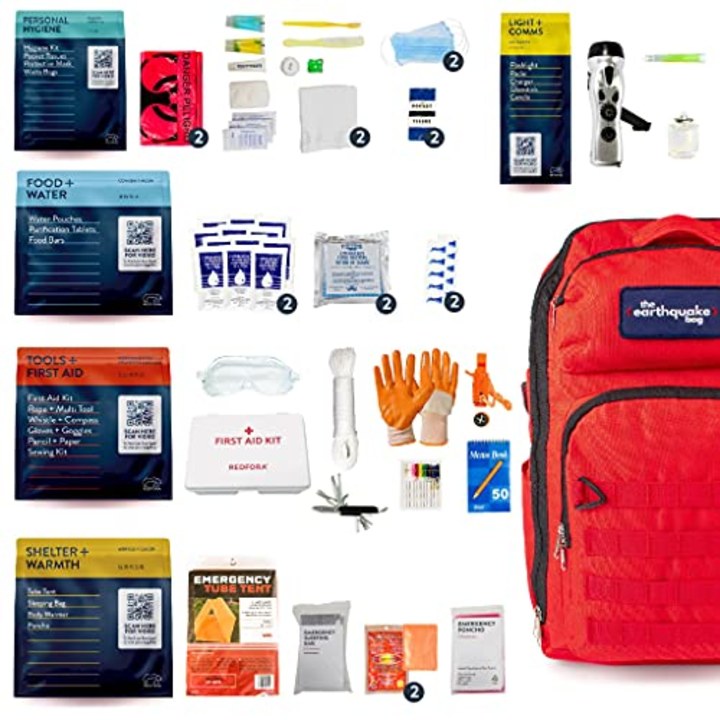
Preparing for a hurricane means having the right supplies ready. You may need to stay inside for days without help.
Collecting emergency items helps you stay safe and comfortable during the storm.
Stocking Non-perishable Food
Non-perishable food lasts a long time without refrigeration. This is important if power goes out.
Choose foods that are easy to prepare and eat, like canned goods and dry snacks.
- Canned vegetables, fruits, and meats
- Dry cereals and granola bars
- Peanut butter and nuts
- Instant noodles or rice
- Powdered milk or shelf-stable milk
Storing Drinking Water
Water is essential during a hurricane. Store enough clean drinking water for everyone.
Plan for at least one gallon per person per day for several days.
- Use sealed water bottles or containers
- Keep water in a cool, dark place
- Replace water every six months
- Have water purification tablets as backup
Assembling First Aid Kit
A first aid kit helps treat minor injuries during the hurricane. Gather basic medical supplies.
Include items to clean wounds, reduce pain, and manage allergies or other health needs.
- Bandages, gauze, and adhesive tape
- Antiseptic wipes and ointment
- Pain relievers and fever reducers
- Allergy medicine and any prescriptions
- Scissors and tweezers
- Disposable gloves
Collecting Flashlights And Batteries
Power outages are common in hurricanes. Flashlights provide light when it is dark.
Store extra batteries to keep your flashlights working for many hours.
- Choose LED flashlights for longer battery life
- Have several flashlights for different rooms
- Keep batteries in a dry place
- Use battery-powered lanterns for larger areas
Creating A Safe Room
Surviving a hurricane without evacuating means having a strong safe room. This room protects you from strong winds and flying debris.
Building a safe room takes planning. You need to choose the right place and add safety features.
Choosing The Best Location
Pick a room inside your home with no windows. Basements or interior closets work well. The room should have strong walls.
Avoid rooms with glass or exterior walls. Stay away from large open spaces. Smaller, sturdy rooms are safer.
Protecting Against Flying Debris
Flying debris can break through walls and windows. Reinforce your safe room with strong materials like plywood or metal.
Cover doors and any openings with storm shutters or heavy boards. This helps keep debris outside your safe room.
- Use thick plywood on windows and doors
- Install metal storm shutters if possible
- Secure shelves and heavy items inside the room
Ensuring Ventilation And Communication
Your safe room needs fresh air. Keep vents clear but protected with screens to stop debris. Do not block air flow.
Have a way to communicate outside, like a charged phone or battery radio. This helps you get updates and call for help if needed.
- Keep a battery-powered radio in the safe room
- Charge cell phones before the storm
- Use ventilation screens to block debris but allow airflow

Credit: mountainhouse.com
Managing Power Outages
Power outages often happen during hurricanes. They can last for hours or days. Managing power is very important to stay safe and comfortable.
Knowing how to use backup power and save battery life helps keep your essential devices working. This guide covers using generators, saving battery, and storing backup power.
Using Generators Safely
Generators can provide power during outages but must be used carefully. Always run generators outside. Keep them far from windows and doors.
- Never use a generator indoors or in a garage.
- Use heavy-duty extension cords made for outdoor use.
- Turn off the generator and let it cool before refueling.
- Keep a carbon monoxide detector in your home.
Conserving Battery Life
Battery-powered devices are useful during outages. Save battery by lowering screen brightness and closing apps. Turn off devices when not in use.
- Dim the screen on phones and tablets.
- Switch devices to airplane mode if no signal is needed.
- Close all unnecessary apps and background tasks.
- Use power-saving or low power mode.
- Charge devices only when necessary.
Storing Backup Power Sources
Keep backup power ready before a hurricane hits. Store batteries, power banks, and fuel safely. Check their condition regularly.
| Backup Power Source | Storage Tips | Safety Notes |
|---|---|---|
| Rechargeable Power Banks | Keep in a cool, dry place | Charge monthly to maintain battery life |
| Spare Batteries (AA, AAA) | Store in original packaging | Do not mix old and new batteries |
| Fuel for Generators | Use approved containers | Store away from heat and flames |
Staying Informed
Not evacuating during a hurricane means you must stay alert. Knowing what is happening helps you make smart choices.
Keep checking for updates about the storm. This helps you stay safe and prepared.
Tracking Weather Updates
Watch the weather reports closely. Use a radio, TV, or internet to get news about the hurricane.
Look for information about storm strength, direction, and arrival time. This helps you plan your actions.
- Check updates every hour or as often as possible
- Follow local weather channels for accurate news
- Use trusted weather websites or apps on your phone
Using Emergency Alert Systems
Emergency alerts give important warnings about the hurricane. Enable alerts on your phone or devices.
These alerts tell you about severe weather, evacuation orders, and safety tips. Listen carefully and act fast.
- Turn on weather alerts on your smartphone
- Sign up for local emergency notifications by text or email
- Keep a battery-powered NOAA weather radio ready
Communicating With Family And Neighbors
Talk often with your family and neighbors before and during the hurricane. Share information and check on each other.
Make a simple plan for emergencies. Know who to call and where to meet if needed.
- Set up a phone tree or group chat for quick updates
- Agree on a safe spot to meet after the storm
- Help neighbors who might need extra support
During The Hurricane
Staying inside during a hurricane can be dangerous if you do not take the right steps. You must focus on safety and stay aware of your surroundings.
This guide covers key actions to take during the storm if you cannot evacuate.
Avoiding Flooded Areas
Flooded areas are very risky. Water can rise quickly and hide dangers like sharp objects and electric wires.
- Stay on high ground inside your home.
- Do not walk or drive through water outside.
- Keep emergency kits in a dry, safe place.
- Listen to local alerts about flooding.
Staying Away From Windows
Strong winds can break windows and send glass flying. Stay away to avoid injury.
| Safe Areas | Reason |
| Interior rooms | Far from windows and outside walls |
| Basements | Below ground level and protected |
| Closets or hallways | Small spaces with no windows |
Remaining Calm And Alert
Keeping calm helps you think clearly and stay safe. Watch for updates and be ready to act.
- Take deep breaths to reduce stress.
- Keep a battery-powered radio nearby.
- Have a flashlight and spare batteries ready.
- Stay in touch with family or neighbors if possible.
After The Storm
The hurricane has passed, but dangers remain. You must stay alert and careful.
Check your safety and the condition of your home before moving around too much.
Checking For Injuries
Look for any injuries on yourself and others around you. Provide first aid if you can.
- Stop heavy bleeding by applying pressure.
- Keep injured people still and calm.
- Do not move anyone with a head or neck injury.
- Call emergency services if injuries are serious.
Inspecting Home For Damage
Check your home carefully for damage before entering. Look for broken glass, leaks, and cracks.
| Damage Type | What to Do |
| Broken windows | Cover with plastic or plywood |
| Roof leaks | Place buckets to catch water |
| Cracks in walls | Mark and monitor for changes |
| Gas smell | Leave immediately and call authorities |
Avoiding Downed Power Lines
Stay far away from downed power lines. They may still carry electricity and cause injury.
Never touch or move a downed line. Warn others to stay clear and report it.
- Keep at least 30 feet away from power lines.
- Do not touch anything touching a power line, like trees or cars.
- Call your local power company or emergency number to report downed lines.
Accessing Emergency Services
Use emergency services only for serious injuries or dangers. Help may be limited after the storm.
- Call 911 or local emergency numbers for urgent help.
- Provide clear information about your location and situation.
- Follow instructions from emergency responders.
- Stay on the line until told to hang up.

Credit: www.cpap.com
Credit: weather.com
Frequently Asked Questions
What Are Essential Supplies For Surviving A Hurricane At Home?
Essential supplies include water, non-perishable food, flashlights, batteries, first aid kits, and a battery-powered radio. Prepare enough for at least three days. Secure important documents and have a phone charger ready. These items help ensure safety and communication during a hurricane.
How Can I Reinforce My Home Before A Hurricane?
Secure windows with storm shutters or plywood. Reinforce doors and garage doors. Clear gutters and drains to prevent flooding. Trim trees near your house to avoid damage. These steps reduce structural damage and increase your home’s resilience during a hurricane.
What Safety Measures Should I Follow During Hurricane Winds?
Stay indoors and away from windows. Take shelter in a small, windowless room on the lowest floor. Avoid using candles to prevent fire hazards. Keep your emergency kit and communication devices nearby. These precautions minimize injury risks during strong winds.
How Do I Stay Informed Without Evacuating?
Use a battery-powered or hand-crank radio to receive updates. Follow official social media accounts for real-time information. Charge your phone and keep backup batteries. Staying informed helps you make timely decisions and remain safe throughout the hurricane.
Conclusion
Surviving a hurricane without leaving takes careful planning and calm. Keep supplies ready and stay informed through reliable sources. Secure your home well and find a safe spot inside. Stay away from windows and avoid floodwaters at all costs. Stay connected with family or neighbors when possible.
Stay alert for updates until the storm fully passes. Remember, safety comes first—your quick actions can protect you. Stay strong, stay safe, and prepare well to face the storm.