Can Zebras Survive in Cold Weather? Shocking Truth Revealed
Imagine a world where majestic zebras roam through snowy landscapes, their striking black and white stripes standing out against the white backdrop. You might wonder if these iconic animals, more commonly associated with the warm plains of Africa, could truly thrive in colder climates.
This question sparks curiosity and invites you to explore the intriguing relationship between zebras and cold weather. Could their unique adaptations allow them to survive, or is it just a whimsical notion? We’ll delve into the fascinating world of zebras and uncover whether these magnificent creatures are equipped to withstand the chill of winter.
Prepare to have your curiosity piqued and your assumptions challenged as we unravel the truth about zebras and their ability to endure the cold.
Zebra Habitats And Climate
Zebras live mainly in Africa’s grasslands and savannas. Their habitats have warm weather most of the year.
This article explains where zebras live and what weather they face. We also look at how cold weather affects them.
Natural Range Of Zebras
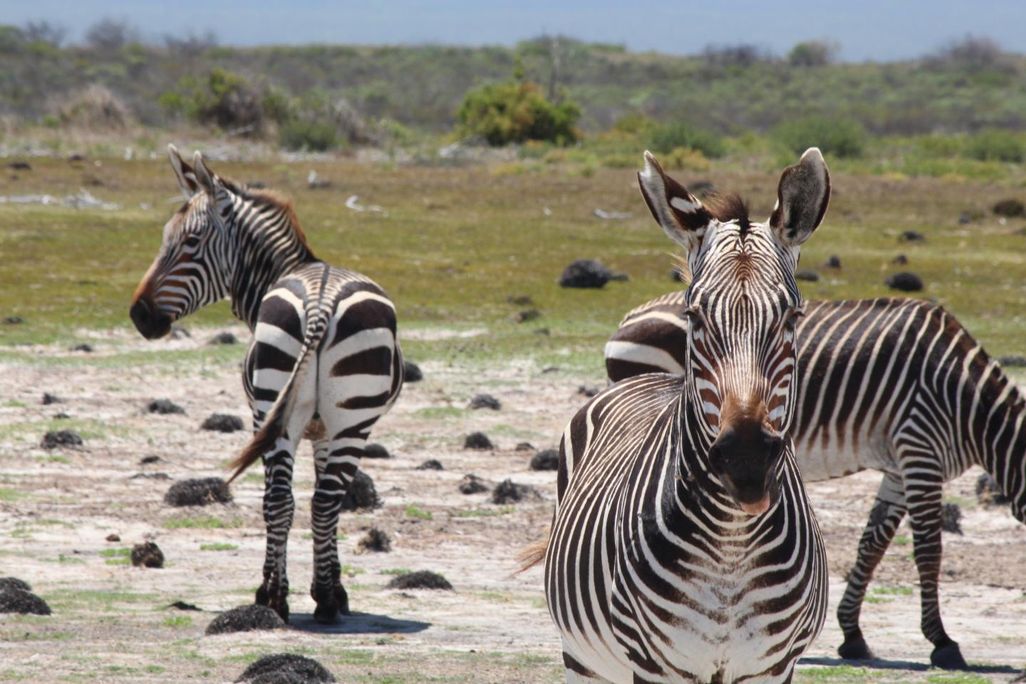
Zebras are found in many parts of Africa. They live in open plains, woodlands, and mountainous areas.
- Plains zebras live in grasslands and savannas in eastern and southern Africa.
- Mountain zebras are found in rocky hills and mountains in Namibia and South Africa.
- Grevy’s zebras live in dry areas of Kenya and Ethiopia.
Typical Weather Conditions
Zebra habitats usually have warm to hot weather. Rainfall varies by region but is often seasonal.
| Region | Temperature Range | Rainfall |
| Eastern Africa | 15°C to 30°C | 500-1000 mm/year |
| Southern Africa | 10°C to 28°C | 400-900 mm/year |
| Mountain Areas | 0°C to 20°C | 300-600 mm/year |
Zebras can handle cooler temperatures but not extreme cold. Snow and frost are rare in their habitats.
Zebra Adaptations To Temperature
Zebras live mostly in warm places. Their bodies have special ways to handle heat and cold. These adaptations help them survive in different temperatures.
This article looks at how zebras adjust to cold weather. It focuses on their coat, fur, and behavior changes.
Coat And Fur Characteristics
Zebras have thick fur that helps keep them warm in cold weather. Their black and white stripes may also help with temperature control.
The fur grows longer and denser during colder months. This extra layer traps heat close to the skin and protects against wind.
- Thick fur provides insulation
- Longer hair grows in winter
- Stripes may help with heat absorption and reflection
Behavioral Adjustments
Zebras change their behavior to stay warm in cold weather. They move to sunny spots and huddle together for warmth.
They also reduce their activity during the coldest parts of the day. This helps them save energy and keep warm.
- Seek sunlight to warm up
- Huddle in groups to share body heat
- Stay still during very cold times
Challenges In Cold Weather
Zebras live mostly in warm places like Africa. Cold weather brings many problems for them.
Low temperatures and harsh conditions make survival hard. Zebras face many challenges in cold climates.
Impact On Physiology
Zebras have thin coats made for warm weather. Cold makes it hard to keep their body heat.
They do not have thick fat layers like animals in cold places. This makes them lose heat fast.
- Thin fur offers little insulation
- Low fat reserves reduce warmth
- Cold stress can weaken their immune system
Food And Water Scarcity
Cold weather often means less grass and plants for zebras to eat. Snow can cover food sources.
Water may freeze, making it hard to find drinking water. This causes dehydration and hunger.
- Less available grass and plants
- Snow blocks access to food
- Frozen water limits drinking options
- Energy loss increases with less food
Cases Of Zebras In Cold Climates
Zebras usually live in warm places like Africa. People often wonder if they can live in cold weather. Some zebras have been seen in cold climates. These cases help us learn how zebras handle cold temperatures.
This article looks at zebras in zoos and wild places where it gets cold. We will explore how zebras survive and adapt in these different cold environments.
Zoos And Captive Environments
Many zoos keep zebras in cold regions far from their natural homes. Zoos use special care to help zebras stay warm. They provide heated shelters and extra food during winter months.
- Heated indoor areas protect zebras from frost and snow.
- Thicker bedding helps zebras keep their body heat.
- Zebras get special diets to keep energy high in cold weather.
- Staff watch zebras closely for signs of cold stress.
Wild Encounters In Cooler Regions
Zebras have been spotted in wild places with cooler climates. These places are usually on the edge of zebra habitats. In these areas, zebras face cold nights and chilly winters.
| Region | Average Winter Temperature | Adaptation |
| South Africa Highlands | 35°F (2°C) | Grow thicker coat |
| Zimbabwe Highlands | 40°F (4°C) | Seek sunny spots |
| Eastern Botswana | 38°F (3°C) | Group together for warmth |
Survival Strategies In Low Temperatures
Zebras live mostly in warm areas. Cold weather can be a big challenge for them. They use special ways to stay warm and survive.
These survival strategies help zebras keep their body heat and protect themselves from cold. Let’s look at how zebras use shelter, grouping, and changes inside their bodies.
Shelter And Grouping
Zebras find shelter to block cold winds. They hide behind trees or hills to stay warm. Shelter reduces heat loss and keeps them safe.
Zebras also stay close to each other in groups. Grouping helps them share body heat. They stand side by side, which lowers the cold impact.
- Shelter blocks cold wind
- Groups share body heat
- Close contact lowers heat loss
- Protects from harsh weather
Metabolic Changes
Zebras change their metabolism to survive cold. Their bodies burn more energy to make heat. This helps keep their body temperature steady.
They also slow down some body processes to save energy. This balance helps zebras live longer in cold conditions without using too much fuel.
- Increase energy use to generate heat
- Slow down non-essential body functions
- Maintain stable body temperature
- Save energy for survival

Credit: uk.news.yahoo.com
Comparisons With Other Equids
Zebras share many traits with other equids like horses and donkeys. Yet, their ability to live in cold weather shows some key differences. Understanding these helps us see how zebras survive in various climates.
We will compare zebras to horses and donkeys. This includes how they handle cold weather and their unique adaptations.
Horses In Cold Weather
Horses can live in cold weather better than zebras. They grow thick winter coats to stay warm. Their bodies also adjust to keep heat inside. Horses often store fat to use as energy during winter.
- Grow thick winter fur
- Store body fat for energy
- Can slow metabolism to conserve heat
- Often have shelter or human care
Differences In Adaptability
| Equid | Cold Weather Adaptations | Survival Strengths |
|---|---|---|
| Zebras | Shorter winter coat, less fat storage | Strong social groups, quick movement |
| Horses | Thick winter coat, fat reserves | Endurance, shelter use |
| Donkeys | Thin coat, less cold tolerance | Hardy in dry climates |
Zebras rely more on their social behavior and speed than on thick fur or fat. This makes them less adaptable to very cold climates than horses. Donkeys are even less suited for cold weather but survive well in hot, dry areas.
Future Outlook Amid Climate Changes
Zebras face new challenges as the climate changes. Their ability to survive in cold weather is tested by shifting temperatures.
Scientists study how zebras might adapt or move to new areas. These changes will affect their survival in the future.
Potential Range Shifts
Zebras may move to cooler or warmer regions depending on climate. This shift can change where they find food and water.
- Zebras could expand southward into cooler areas.
- Some populations may shrink if habitats become too hot or dry.
- New predators or diseases may appear in shifted ranges.
- Migration paths might change, affecting herd movements.
Conservation Concerns
Protecting zebras requires understanding how climate affects them. Conservation efforts must focus on habitat and health.
| Concern | Impact |
| Habitat loss | Less space for zebras to live and find food |
| Temperature extremes | Stress on zebras’ bodies and survival rates |
| Water scarcity | Reduced drinking sources in dry seasons |
| Human conflicts | Increased competition for land and resources |
Credit: www.smithsonianmag.com

Credit: nationalzoo.si.edu
Frequently Asked Questions
Can Zebras Live In Cold Climates Naturally?
Zebras are native to warm African savannas. They lack natural adaptations for extreme cold. Cold climates can cause stress and health issues for them.
How Do Zebras Cope With Cold Weather?
Zebras rely on their thick fur and social huddling to retain heat. However, their fur is not enough for severe cold. They prefer mild temperatures and shelter.
What Happens If Zebras Are Exposed To Cold Too Long?
Prolonged cold exposure can lead to hypothermia in zebras. It weakens their immune system and increases disease risk. They require warmer environments to survive and stay healthy.
Are Zebras Kept In Cold Zoos Healthy?
Zoos in cold regions provide heated shelters and special care. Proper management helps zebras avoid cold stress. Without such care, zebras may suffer health problems.
Conclusion
Zebras are built for warm climates, not cold weather. Their thin coats do not keep them warm in freezing temperatures. They rely on grasslands and water found in warmer places. In cold weather, they may suffer from illness or hypothermia.
Survival would be very hard for them outside their natural habitat. Nature designed zebras to thrive where it is hot and dry. Cold environments are simply not their home. Understanding this helps us protect zebras in the wild. Their survival depends on keeping their natural warm habitats safe.