Can Cruise Ship Survive Hurricane: Shocking Truth Revealed
Have you ever wondered what happens when a massive cruise ship encounters a fierce hurricane? You’re not alone.
Many travelers like you are curious about the safety and resilience of these floating cities in the face of nature’s most powerful storms. Imagine you’re on a beautiful vacation, enjoying the vast ocean views, when suddenly, the weather takes a dramatic turn.
How prepared are these ships to handle such unpredictable challenges? Before you set sail on your next adventure, discover the truth behind whether a cruise ship can truly survive a hurricane. Keep reading to uncover the fascinating technology and strategies that keep you safe on the high seas.

Credit: thevuccilawgroup.com
Cruise Ships And Hurricanes
Cruise ships travel across oceans and seas. They often face weather challenges, including hurricanes.
Hurricanes are strong storms that can be dangerous. This article explains how hurricanes form and how cruise ships stay safe.
How Hurricanes Form
Hurricanes start over warm ocean water. Warm air rises and makes clouds. The wind spins the storm.
The storm grows stronger if the water stays warm. It can turn into a big hurricane with strong winds and rain.
Common Hurricane Paths
Hurricanes usually move from east to west. They travel from the ocean toward land areas.
- In the Atlantic, hurricanes often start near Africa.
- They move toward the Caribbean, Gulf of Mexico, and the US coast.
- Some hurricanes turn north or northeast over time.
Cruise Ship Routes And Storm Zones
Cruise ships plan routes to avoid hurricanes. They watch weather reports closely during hurricane season.
Many cruise routes are in areas where hurricanes happen. Ships change course or delay trips to stay safe.
- Caribbean cruises can face hurricanes from June to November.
- Gulf of Mexico routes have similar hurricane risks.
- Ships use technology to track storms and avoid danger.
Cruise Ship Design And Safety
Cruise ships face many challenges at sea. One big challenge is hurricanes. These storms have strong winds and huge waves.
Shipbuilders use smart designs to keep cruise ships safe. These designs help ships survive rough weather.
Structural Strength And Stability
Cruise ships have strong steel hulls. These hulls protect the ship from breaking in strong waves.
The ship’s shape helps it stay steady. A wide base lowers the chance of tipping over.
- Reinforced steel frames increase durability
- Deep hull design improves balance
- Weight distribution helps prevent rolling
Safety Features Against Rough Seas
Ships have special systems to handle big waves. Stabilizers reduce the ship’s side-to-side movement.
Watertight doors keep water out if the ship takes damage. Emergency plans help protect passengers and crew.
- Hydraulic stabilizers reduce rocking
- Watertight compartments limit flooding
- Life-saving equipment is always ready
Technology For Weather Monitoring
Cruise ships use advanced tools to watch weather. Radar and satellites help crews see storms early.
Captains use weather data to change course. This helps the ship avoid the worst parts of a hurricane.
- Satellite tracking for storm detection
- Onboard radar for real-time weather updates
- Weather forecasting software for route planning
Hurricane Impact On Cruise Ships
Cruise ships face many dangers during hurricanes. Strong winds and high waves can affect their safety. Understanding how hurricanes impact these ships helps improve preparedness.
This article looks at the effects of storms on cruise ships. We explore the challenges in navigation and examine real cases of ships in hurricanes.
Effects Of High Winds And Waves
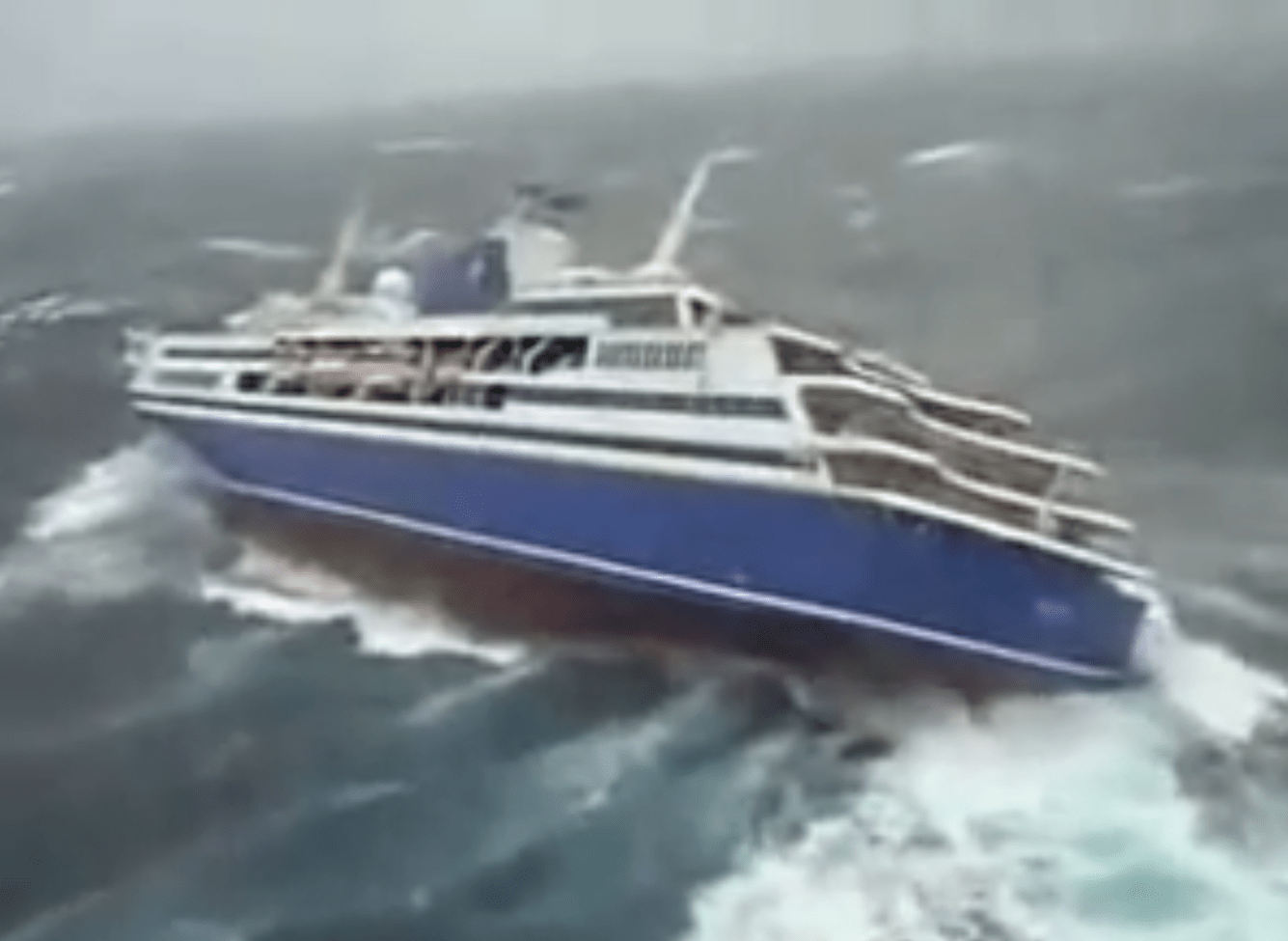
High winds push cruise ships off course. Waves can reach great heights and strike the ship’s sides. This causes rocking and damage to the ship’s structure.
- Damage to windows and decks
- Water entering lower decks
- Difficulty in maintaining stability
- Risk of equipment failure
Challenges Of Navigation During Storms
Storms reduce visibility and affect radar systems. Captains must change routes to avoid the worst parts of the hurricane. Steering becomes harder with strong currents and winds.
| Navigation Challenge | Effect on Ship |
| Poor Visibility | Hard to spot obstacles |
| Strong Winds | Ship pushed off course |
| High Waves | Risk of capsizing |
| Radar Interference | Reduced tracking ability |
Case Studies Of Ships In Hurricanes
Some cruise ships have faced hurricanes and survived. These cases show how crews respond quickly and use safety measures. They also reveal lessons for future storms.
- Changing course to avoid storm center
- Securing all loose items on deck
- Keeping passengers informed and calm
- Checking all safety equipment
Crew Training And Emergency Procedures
Cruise ships face many dangers at sea, including hurricanes. The crew must be well trained to handle these emergencies. Proper training helps keep passengers safe and the ship secure.
Emergency procedures are planned steps the crew follows during storms. These procedures reduce risks and help the ship survive harsh weather.
Storm Preparedness Drills
Crew members practice storm drills regularly. These drills prepare them for real hurricanes. They learn how to secure the ship and help passengers stay safe.
Drills include checking safety equipment and closing all watertight doors. The crew also practices evacuation routes to avoid confusion.
- Securing loose items on deck
- Closing all watertight doors
- Checking emergency equipment
- Practicing evacuation routes
- Coordinating with the bridge crew
Passenger Safety Protocols
The crew follows strict rules to protect passengers during hurricanes. They inform passengers about safety measures and what to do during the storm.
Passengers must wear life jackets and stay inside designated safe areas. Crew members guide passengers calmly to muster stations for headcounts.
- Informing passengers about safety rules
- Distributing life jackets
- Directing passengers to muster stations
- Performing headcounts
- Keeping passengers calm and informed
Communication During Emergencies
Clear communication is key during a hurricane. The crew uses radios and loudspeakers to share information quickly. This helps everyone stay alert and safe.
The captain updates the crew and passengers about the storm status. Emergency messages are repeated often to avoid confusion.
- Using radios for crew communication
- Announcing updates through loudspeakers
- Repeating important safety messages
- Keeping passengers calm and informed
- Coordinating with rescue teams if needed
Avoidance Strategies
Cruise ships face serious risks during hurricanes. Avoidance strategies help keep passengers safe. These strategies focus on staying away from storms.
Captains and crews plan carefully to avoid dangerous weather. They use technology and make quick decisions to steer clear of hurricanes.
Route Planning And Changes
Before a cruise starts, crews plan routes that avoid hurricane zones. They watch storm paths and adjust routes as needed. Changing course early helps avoid danger and rough seas.
- Check weather reports daily before sailing
- Use alternative routes to steer clear of storms
- Delay or cancel trips if a hurricane is near
- Stay in safe ports until the storm passes
Use Of Advanced Weather Forecasting
Cruise ships use advanced weather tools to track hurricanes. Satellites, radar, and computer models give accurate forecasts. This information helps crews prepare and change plans quickly.
| Forecast Tool | Purpose |
| Satellite Images | Track storm movement and size |
| Radar Systems | Detect rainfall and wind speed |
| Computer Models | Predict storm path and strength |
Decision Making Before And During Storms
Captains decide whether to sail or stay in port based on forecasts. During storms, they monitor conditions and change course if needed. Safety is the top priority for all decisions.
Key decisions include:
- Delaying departure if a storm is close
- Changing speed to avoid rough waters
- Finding shelter in protected bays or harbors
- Communicating constantly with weather centers

Credit: www.youtube.com
Real Stories From The Sea
Many wonder if cruise ships can survive hurricanes at sea. These giant vessels face extreme conditions during storms. Real stories from passengers and crew show what happens.
This article shares survivor experiences, famous hurricane encounters, and lessons learned from past incidents. These stories help us understand the strength of cruise ships in rough weather.
Survivor Experiences
Passengers and crew have faced hurricanes on cruises. Many describe fear and uncertainty, but also teamwork and hope. Some share how safety drills saved lives.
- Passengers stayed in their cabins during the storm to stay safe.
- Crew members worked around the clock to secure the ship and assist people.
- Some survivors recall strong winds rocking the ship for hours.
- Stories often mention the calm after the storm and relief felt by everyone.
Notable Hurricane Encounters
Some hurricanes tested cruise ships’ limits. Famous cases show how ships handled danger and stayed afloat. These events proved the design and training of crews were key to survival.
| Year | Ship Name | Hurricane Name | Outcome |
| 2017 | Oasis of the Seas | Irma | Rerouted to avoid strongest winds |
| 2005 | Norwegian Dawn | Wilma | Delayed voyage, minor damage |
| 1992 | Queen Mary 2 | Andrew | Weathered storm with no injuries |
Lessons Learned From Past Incidents
Cruise lines improved safety after storms. They changed routes and upgraded ship designs. Training for crew also became more strict to handle emergencies.
- Early hurricane tracking with advanced weather systems
- Clear communication with passengers about safety steps
- Stronger hulls and stabilizers to reduce ship movement
- Regular emergency drills for crew and passengers

Credit: www.youtube.com
Frequently Asked Questions
Can Cruise Ships Withstand Hurricane-force Winds?
Yes, cruise ships are engineered to endure hurricane-force winds. Their strong hulls and stabilizers enhance stability and safety during storms.
How Do Cruise Ships Avoid Hurricanes At Sea?
Cruise lines use advanced weather tracking to reroute ships away from hurricanes. They prioritize passenger safety by altering course early.
What Safety Measures Protect Passengers During Hurricanes?
Ships implement strict safety protocols, including securing loose items and instructing passengers to stay indoors. Crew members are trained for emergency response.
Are Cruise Itineraries Changed Due To Hurricanes?
Yes, itineraries often change to avoid hurricane paths. Cruise lines communicate changes promptly to ensure passenger safety and comfort.
Conclusion
Cruise ships prepare carefully for hurricane threats. They change course to avoid storms. Strong hulls and advanced technology protect passengers. Crew members train for emergencies constantly. Safety remains the top priority on board. While hurricanes are powerful, ships stay ready.
Passengers can enjoy trips with peace of mind. Sailing near storms is rare and risky. Choosing a trusted cruise line matters most. Ships can survive hurricanes with the right precautions.