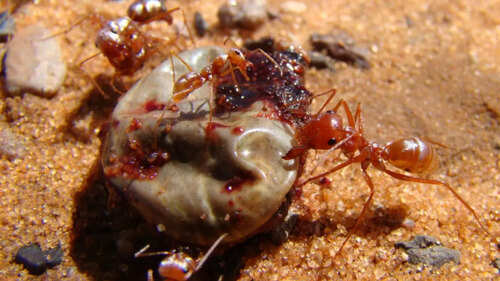
Can Ants Survive Extreme Heat: Shocking Facts Revealed!
When summer temperatures soar past 40°C (104°F) and pavement burns to the touch, you might assume all small insects perish in the extreme heat. But ants? These tiny, social insects not only survive scorching conditions—many thrive in them, with some species tolerating surface temperatures hot enough to fry an egg. If you’ve ever wondered can ants survive extreme heat, the answer is far more fascinating (and shocking) than you might expect. In this guide, we’ll break down exact heat tolerance thresholds, the wild adaptations that let ants beat the heat, how extreme temperatures disrupt colony life, and the human-driven factors making heat stress worse for ant populations worldwide.
Exact Heat Tolerance Limits for Ants
Ants are far more heat-tolerant than most people assume, but their limits vary drastically by species, nest location, and access to moisture. Unlike humans, who rely on sweat to cool down, ants depend on environmental and behavioral strategies to avoid lethal core body temperatures. A common misconception is that ants disappear during heatwaves because they die, but in practice, they are simply sheltering in underground burrows where temperatures stay stable and cool, even when surface conditions are deadly. You can also read our guide on can cockroaches survive in heat.
To contextualize these limits, the table below outlines temperature thresholds for common ant species:
| Ant Species | Active Temperature Range | Lethal Temperature Threshold | Notable Adaptation |
|---|---|---|---|
| Common black garden ant (Lasius niger) | 15–35°C (59–95°F) | >45°C (113°F) | Retreats to 30cm+ deep soil nests during heatwaves |
| Fire ant (Solenopsis invicta) | 20–40°C (68–104°F) | >50°C (122°F) | Builds multi-chambered nests with cross-ventilation shafts |
| Saharan silver ant (Cataglyphis bombycina) | 30–55°C (86–131°F) | >60°C (140°F) | Reflective body hairs, elongated legs to avoid hot sand |
| Argentine ant (Linepithema humile) | 10–38°C (50–100°F) | >42°C (108°F) | Forms large supercolonies that share resources during heat stress |
Most ants begin to slow their activity once temperatures exceed 35°C (95°F), as their metabolic rate spikes and water loss accelerates. Brief exposure to air temperatures above 50°C (122°F) is not immediately fatal for many desert species, as their core body temperature stays lower than ambient air if they remain in shade or underground. Prolonged exposure, however, causes irreversible cellular damage and dehydration, leading to colony collapse if workers cannot return to cool nest chambers quickly.
Behavioral and Structural Adaptations to Extreme Heat
Ants’ survival in extreme heat comes down to a combination of smart behavioral choices, ingenious nest engineering, and built-in physiological traits that work together to keep the colony safe. You can also read our guide on how do whales survive hurricanes.
Behavioral Avoidance Strategies
The simplest way ants avoid heat stress is by changing their daily activity patterns. Many species shift their foraging to the cool early morning or late evening, while desert specialists like Saharan silver ants forage exclusively during the hottest midday hours, when most predators are inactive. This temporal shift mirrors broader predator avoidance principles used by desert species to minimize risk during extreme conditions. Other ants adjust their trail routes to follow shifting shade as the sun moves, or retreat to the underside of rocks and leaf litter to escape direct solar radiation.
Nest Engineering for Temperature Control
Ant nests are far more sophisticated than simple holes in the ground. Most species dig burrows 30cm to 2m deep, where soil temperatures stay a consistent 20–25°C (68–77°F) even when surface temperatures exceed 50°C (122°F). Some species build complex tunnel systems with ventilation shafts that create airflow, pulling cool air in from lower openings and pushing hot air out the top. During extreme heat, workers will plug nest entrances with soil or debris to trap cool air inside, and move brood (eggs, larvae, and pupae) to the deepest, coolest chambers to protect the next generation. Colonies stockpile food and water in deep underground chambers, a proactive measure that mirrors human emergency supply essentials for extreme weather events. You can also read our guide on electric jacket how to survive.
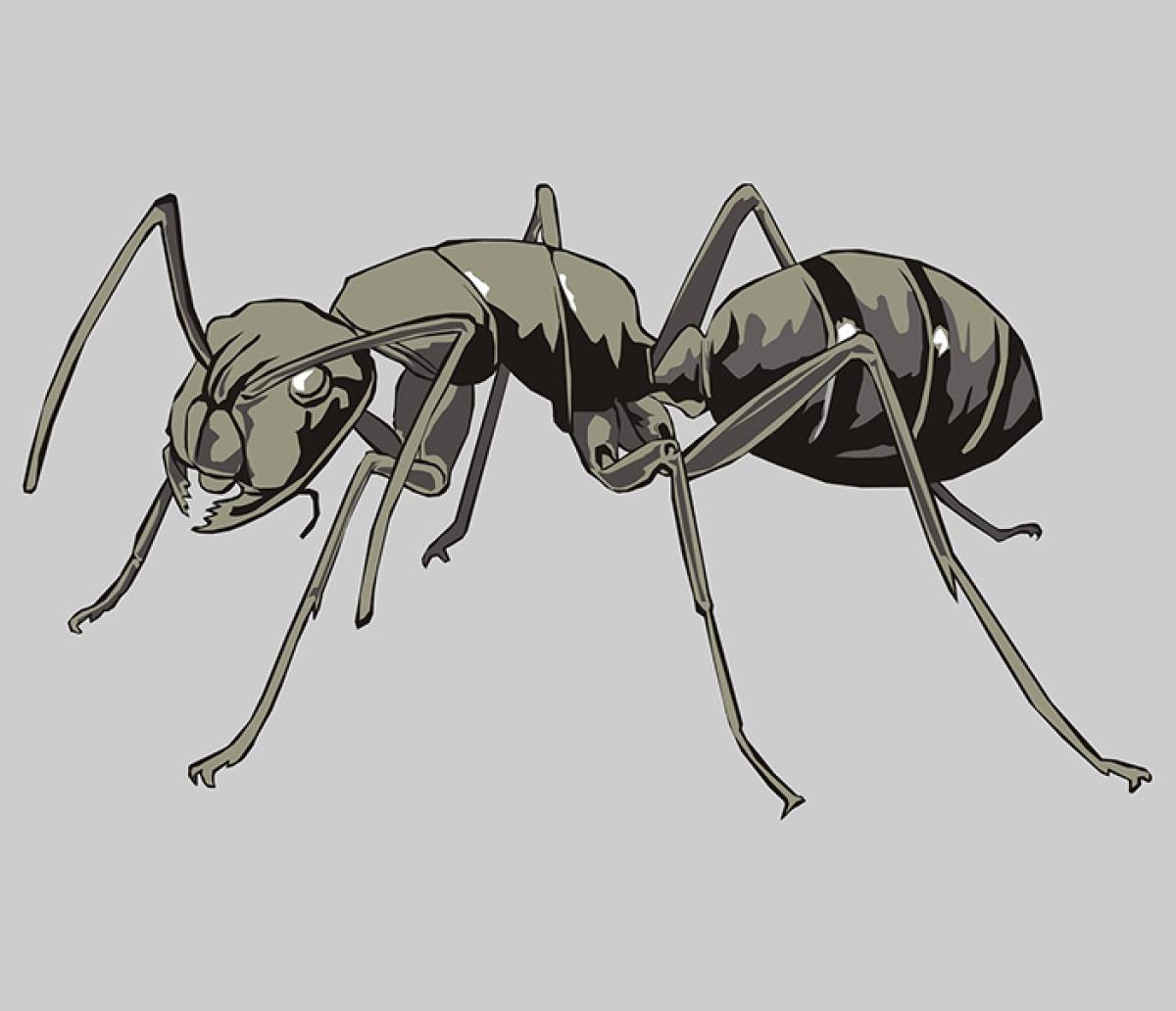 Cross-section of a typical ant nest, showing deep brood chambers and ventilation tunnels that maintain stable temperatures year-round.
Physiological Heat Resistance
Beyond behavior and nest design, ants have internal biological adaptations that let them tolerate higher temperatures than most insects. When exposed to heat, their bodies produce heat shock proteins: specialized molecules that repair damaged cells and prevent proteins from denaturing (breaking down) in high temperatures. These specialized proteins, first documented in heat-tolerant ant species by researchers at Arizona State University’s Ask A Biologist program, repair cellular damage caused by extreme temperatures, preventing fatal protein denaturation. Ants also have a waxy, waterproof exoskeleton that drastically reduces water loss, a critical adaptation for surviving hot, dry conditions. Some species can even produce metabolic water by breaking down stored food, letting them stay hydrated without access to external water sources for weeks.
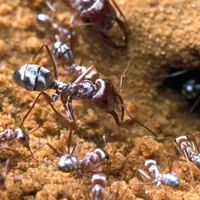 The triangular, silvery hairs covering Saharan silver ants reflect incoming solar radiation, reducing heat absorption and preventing core temperature from reaching lethal levels.
How Extreme Heat Disrupts Ant Colony Dynamics
Even heat-adapted ants face serious risks when temperatures exceed their tolerance thresholds, with impacts cascading through every part of colony life. You can also read our guide on can mushroom spores survive heat.
Brood and Reproductive Health
Ant eggs and larvae are far more sensitive to heat than adult workers. When nest temperatures rise above 35°C (95°F), queens will lay fewer eggs to reduce the number of vulnerable brood at risk. Prolonged exposure to heat can cause eggs to dry out and larvae to die, leading to a sharp decline in the colony’s workforce over time. Workers will prioritize moving brood to the coolest nest chambers during heatwaves, but if temperatures stay high for weeks, entire broods can be lost, leading to colony collapse.
Foraging and Resource Storage
Extreme heat forces colonies to drastically adjust their foraging patterns. Trips outside the nest are shortened to reduce exposure, and foraging is limited to the coolest parts of the day. Many colonies will also shift their diet to prioritize high-moisture food sources, such as ripe fruit or insects with high water content, to boost hydration for the colony. Brood care is a top priority for colonies during heatwaves, with workers moving larvae and eggs to the coolest nest chambers, a behavior that aligns with core survival resource planning principles for protecting vulnerable assets during crises. If food and water become scarce due to drought, colonies may raid neighboring nests, leading to increased inter-colony conflict that weakens multiple populations at once. You can also read our guide on survival kits emergency preparedness kit red cross.
Human-Driven Increases in Ant Heat Stress
Human activity is making extreme heat more common and more severe for ant populations, with urban development and climate change creating new survival challenges.
Urban Heat Island Effects
Cities and suburban areas are significantly warmer than surrounding rural areas, a phenomenon known as the urban heat island effect. Concrete, asphalt, and buildings absorb and retain solar radiation, raising local temperatures by 2–5°C (3.6–9°F) compared to nearby natural areas. Ants living in urban environments face higher baseline temperatures, less shade, and reduced access to natural water sources, leading to higher mortality rates during heatwaves. Some generalist species adapt by digging deeper nests or becoming fully nocturnal, but specialist species with narrow habitat requirements often cannot survive in modified urban landscapes. You can also read our guide on survival stories of animal attacks.
Climate Change and Range Shifts
Rising global temperatures are leading to more frequent, longer, and more intense heatwaves across most of the world. Research from the USDA Agricultural Research Service indicates that rising global temperatures are forcing many ant species to shift their ranges poleward or to higher elevations, with specialist desert species facing the highest risk of local extinction as their habitats become too hot even for their adapted traits. In some regions, heat-tolerant invasive species like the red imported fire ant are expanding their range faster than native species can adapt, outcompeting local ant populations and disrupting entire ecosystems.
Shocking Real-World Examples of Heat-Resilient Ants
While most ants avoid extreme heat when possible, a small number of species have evolved extreme traits that let them thrive in conditions that would kill almost any other insect. You can also read our guide on if you want to survive past read this guide.
Saharan Silver Ants: The Heat Tolerance Champions
Native to the Sahara Desert, Saharan silver ants (Cataglyphis bombycina) are widely considered the most heat-tolerant insects on Earth. They forage exclusively during the hottest part of the day, when surface sand temperatures exceed 60°C (140°F), a time when almost all predators are inactive. Their silvery, triangular body hairs reflect up to 90% of incoming solar radiation, and their long, stilt-like legs keep their bodies 5–10mm above the scorching sand, reducing heat transfer from the ground. They are also incredibly fast, running at speeds of up to 0.5m/s (1.1ft/s) to complete foraging trips in minutes before their core temperature reaches lethal levels.
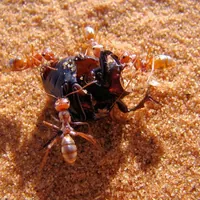 Saharan silver ants (Cataglyphis bombycina) forage during the hottest part of the day, when most predators are inactive, to access food sources with less competition.
Australian Desert Ants: Masters of Nest Engineering
Species of Melophorus ants native to the Australian outback build some of the most complex heat-adapted nests on the planet. Their burrows have multiple levels, with food storage and brood chambers located 1m or more below the surface, where temperatures stay cool year-round. Ventilation shafts create a constant airflow that removes hot air from the nest and pulls in cool, moist air from lower soil layers. Some species even collect dew from plant leaves at night and store it in underground reservoirs to provide water for the colony during long dry spells. You can also read our guide on can humans survive a solar flare.
Death Valley Ants: Surviving the Hottest Place on Earth
The California harvester ant (Pogonomyrmex californicus) lives in Death Valley, California, where summer surface temperatures regularly exceed 70°C (158°F). These ants avoid the heat by foraging only at night, and store seeds in cool, humid underground chambers to prevent them from drying out. Their thick, waxy exoskeletons reduce water loss by 50% compared to other ant species, letting them go weeks without access to free water. The adaptations of desert ants like Cataglyphis are shared by other heat-tolerant desert life such as cacti and succulents, which evolved reflective surfaces and water conservation mechanisms independently.
Frequently Asked Questions
Can ants survive in extreme heat conditions?
Yes, most ant species can survive short-term exposure to temperatures above 45°C (113°F) by sheltering in their underground nests, where temperatures remain stable and cool. Only prolonged exposure to extreme heat, or temperatures above a species’ specific lethal threshold, will kill entire colonies. You can also read our guide on underground survival shelters concrete bunkers.
How do ants regulate temperature in hot environments?
Ants use a combination of behavioral strategies (foraging at cool times of day, seeking shade) and structural nest design (deep burrows, ventilation shafts) to maintain stable nest temperatures. Some species also use physiological adaptations like heat shock proteins to protect their cells from heat damage.
What is the highest temperature ants can tolerate?
The most heat-tolerant species, the Saharan silver ant, can survive brief exposure to surface temperatures up to 60°C (140°F), and remain active at temperatures up to 55°C (131°F). Most common garden ant species have a lethal threshold of 45–50°C (113–122°F).
Do ants adapt to climate change and rising temperatures?
Some ant species are adapting by shifting their foraging times, digging deeper nests, or expanding their ranges to cooler areas. However, specialist species with narrow temperature tolerances, such as many desert ants, face high extinction risk as temperatures rise faster than they can evolve or adapt. Some species are adapting by shifting their foraging times to nocturnal hours, a change that aligns with nocturnal survival tactics used by many desert animals to avoid daytime heat.
Can ants survive being left in a hot car?
Yes, most ant species can survive short periods (1–2 hours) in a hot car, as long as they have access to moisture and shelter. However, prolonged exposure to temperatures above 50°C (122°F) will kill them quickly, as they cannot escape the heat and will dehydrate.
Do all ants die during heatwaves?
No, most ant colonies survive heatwaves by sheltering in their underground nests. Only colonies that lose access to moisture and food for extended periods, or are exposed to temperatures above their species’ lethal threshold, will die off. Just as temperature tolerance limits dictate whether garden plants survive unexpected frosts, ant species have fixed heat thresholds that determine their ability to withstand extreme heat events.
Conclusion
Ants are far more resilient to extreme heat than their small size suggests, thanks to a combination of behavioral flexibility, ingenious nest engineering, and built-in physiological protections. From Saharan silver ants that forage in 60°C (140°F) heat to garden ants that shelter 30cm below the surface to escape summer sun, these insects have evolved strategies that let them thrive in conditions that would kill most other organisms. That said, human-driven climate change and urban development are creating heat stress that many ant species cannot adapt to, with specialist and native species facing declining populations as temperatures rise.
These tiny insects’ survival strategies offer powerful lessons in resilience, adaptation, and proactive planning that apply to everything from personal emergency preparedness to community climate adaptation. Want to dive deeper into how other species survive extreme environmental conditions? Explore our full library of survival science guides to uncover more fascinating insights into nature’s most resilient organisms.