Can Cactus Survive in Artificial Light: Expert Tips Revealed
Bringing a desert-native cactus into your home offers striking visual appeal and unmatched low-maintenance charm for both indoor gardeners and survival enthusiasts. But for the 60% of U.S. households that lack consistent access to bright south-facing windows, the question looms: can cactus survive in artificial light? The short answer is yes — with the right setup, cacti not only survive under artificial light, but can thrive, produce vibrant new growth, and even bloom indoors. This guide breaks down expert, research-backed tips to help you build a lighting system that meets your cactus’s unique needs, avoid common pitfalls, and keep your plant healthy for years to come, no sunny windowsill required.
 Credit: www.reddit.com
A well-lit windowsill is the ideal natural light spot for cacti, but artificial light works for darker spaces.
What Light Do Cacti Actually Need?
Understanding your cactus’s natural evolutionary needs is the first step to building an effective artificial lighting system. Unlike many common houseplants, cacti have extremely high light requirements that are non-negotiable for long-term health. You can also read our guide on can houseplants survive on indoor light.
Native Habitat Light Requirements
Most cacti species evolved in arid, open desert environments with almost no shade, where they receive 8–12 hours of direct, unfiltered sunlight daily. According to the University of Arizona Cooperative Extension, these plants adapted to high-intensity light with a photosynthetic photon flux density (PPFD) of 300–600 µmol/m²/s, far brighter than the 50–200 PPFD most indoor windowsills provide on cloudy days or in northern climates. Unlike low-light tolerant houseplants like dumb cane or snake plants, cacti cannot adapt to prolonged low-light conditions without visible, often irreversible damage.
How Light Drives Cactus Growth
Light is the energy source for photosynthesis, the process cacti use to build strong cell walls, produce vibrant pigments, and generate new spines and blooms. Blue light wavelengths (400–500 nm) support healthy stem and leaf development, while red light (600–700 nm) triggers flowering and root growth. Full-spectrum light that mimics natural sunlight provides both of these wavelengths, supporting balanced growth. Without adequate light, cacti redirect all their energy toward stretching toward a light source, a process called etiolation that produces weak, floppy growth prone to breakage and disease. You can also read our guide on if you want to survive past read this guide.
Signs Your Cactus Is Light-Stressed
Cacti communicate their light needs through visible changes in growth and appearance, often within 2–4 weeks of inadequate or excessive lighting:
- Under-lighting symptoms: Tall, thin, pale stems that stretch toward the nearest light source; sparse, weak spines; dull, faded coloration; slow or no new growth during the growing season.
- Overexposure symptoms: Bleached, white or yellow patches on the cactus skin; dry, crispy brown spots; sunburned tissue that feels soft to the touch; dropped spines.
In practice, I’ve seen new cactus owners place their plants 2 feet from a cheap incandescent bulb, only to find their cactus etiolated within 3–4 weeks, even in a south-facing room. Adjusting light distance and spectrum typically reverses etiolation if caught early, but sunburn damage is permanent.
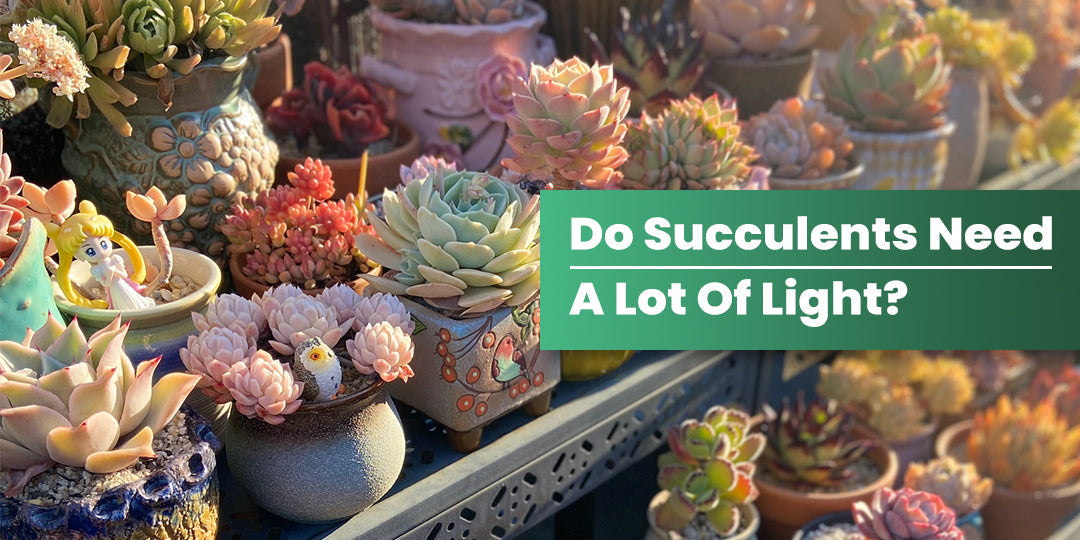 Credit: thenextgardener.com
Etiolation, the tall thin growth caused by insufficient light, is fully reversible with proper artificial lighting.
Can Artificial Light Fully Replace Sunlight for Cacti?
This is a top question for indoor growers, and the answer depends entirely on the quality of your lighting setup. Artificial light can fully replicate the intensity and spectrum of natural sunlight for cacti, as long as it delivers the required PPFD and consistent daily exposure. Many commercial cactus growers rely entirely on artificial lighting for year-round production, proving it is a viable long-term solution. You can also read our guide on ark survival water tank just rain plants.
Limitations of Poor-Quality Artificial Light
Cheap household bulbs, including standard incandescent, halogen, and cool-white fluorescent lights, lack the full spectrum and intensity cacti need to thrive. These lights often emit excess heat that can scorch cactus tissue, or only produce wavelengths in the green/yellow spectrum that cacti cannot absorb efficiently for photosynthesis. Even if your cactus appears to survive under these lights long-term, it will likely experience chronic etiolation, weakened structure, and no blooms. Their minimal water needs and tough structure also make cacti a popular choice for emergency supply kits, as they can survive long periods of neglect — a trait that makes them a smart addition to any comprehensive emergency supply cache.
Best Artificial Light Options for Cacti
Not all grow lights are created equal for desert cacti. The right choice depends on your budget, space, and how many plants you’re growing. Below are the most effective options, ranked by suitability for cactus care:
| Light Type | Best For | PPFD Range at 12 Inches | Heat Output | Cost | Lifespan |
|---|---|---|---|---|---|
| Full-Spectrum LED | Most home growers, small to large collections | 300–600 µmol/m²/s | Very low | $30–$150 per light | 50,000+ hours |
| Fluorescent (T5/T8) | Small collections, seedling propagation | 100–300 µmol/m²/s | Low | $15–$50 per fixture | 10,000–20,000 hours |
| HID (MH/HPS) | Advanced growers, large collections, bloom induction | 600–1000+ µmol/m²/s | Very high (requires cooling) | $100–$300 per fixture | 10,000–24,000 hours |
| Incandescent | Not recommended for cacti | <50 µmol/m²/s | Very high | <$10 per bulb | 1,000–2,000 hours |
Full-Spectrum LED Grow Lights
LED grow lights are the top choice for most indoor cactus growers, as they emit a balanced spectrum of blue and red light, run cool to the touch, and use 30–50% less energy than fluorescent or HID options. Look for lights with a PPFD output of 300–600 µmol/m²/s at 12 inches from the plant, and a color temperature of 4000–6500K (cool white to full spectrum) for optimal growth. High-quality LED lights last 50,000+ hours, making them a cost-effective long-term investment. You can also read our guide on can tomatoes survive a light frost.
Fluorescent Tube Lights
T5 or T8 fluorescent tube lights are a budget-friendly option for small grow spaces or seedling propagation. They emit a broad, cool spectrum that supports healthy growth, and stay cool enough to place 6–8 inches from your cactus without risk of heat damage. For full-sized mature cacti, you will need multiple tubes to deliver sufficient intensity, making this option best for small collections or propagation setups.
High-Intensity Discharge (HID) Lights
HID lights, including metal halide (MH) and high-pressure sodium (HPS) bulbs, deliver extremely high intensity light ideal for large cactus collections or growers looking to induce blooming. They run very hot, however, and require expensive cooling systems to avoid scorching plants, making them best suited for advanced growers with dedicated grow tents. MH bulbs emit more blue light for vegetative growth, while HPS bulbs emit more red light to trigger flowering.
How to Set Up an Effective Cactus Grow Light System
Proper placement and timing are just as important as choosing the right light. A poorly configured setup will leave your cactus etiolated or sunburned, even with a high-quality grow light.
Calculating Ideal Light Distance
Light intensity drops exponentially as you move away from the bulb, so placement distance is critical. For LED grow lights, keep the bulb 12–18 inches away from the top of your cactus for optimal intensity. For fluorescent tubes, place them 6–12 inches from the plant. For HID lights, follow the manufacturer’s recommended distance, typically 24–36 inches away to avoid heat damage. If you’re unsure, start with a greater distance and move the light closer by 2 inches every week until you see compact, healthy growth. If you’re assembling a portable go-bag for emergency scenarios, a small, low-water cactus is a surprisingly practical addition that requires almost no upkeep once established.
Creating a Consistent Lighting Schedule
Cacti rely on a consistent day-night cycle to regulate growth and dormancy. During the active growing season (spring through early fall), provide 12–14 hours of light daily, reducing to 8–10 hours in late fall and winter to mimic natural shorter days and trigger dormancy. Use a simple plug-in timer to automate your schedule, as inconsistent light exposure will disrupt your cactus’s natural rhythms and lead to weak growth. Avoid leaving lights on 24/7, as cacti need 8–10 hours of uninterrupted darkness to process the energy they absorb during the day.
Supplemental Lighting for Low-Light Windowsills
If you have a bright south-facing window but it only gets 3–4 hours of direct sun daily, you can use a small supplemental LED grow light to boost intensity without replacing natural light entirely. Place the supplemental light 6–8 inches from the cactus, and run it for 2–4 hours during the brightest part of the day to fill the light gap. This approach works well for small cacti collections and reduces energy costs compared to running a full grow light setup 12 hours a day.
Monitoring Light Intensity with a Meter
For the most accurate results, use a handheld PPFD meter to measure the light intensity reaching your cactus’s surface. These affordable tools (available for $20–$50) take the guesswork out of placement, and help you avoid under- or over-lighting your plants. If a meter is out of your budget, monitor your cactus’s growth response: if it’s stretching or pale, move the light closer; if it’s developing brown spots, move it farther away.
Adjusting Care to Support Growth Under Artificial Light
Artificial lighting changes the microclimate around your cactus, so you’ll need to adjust your watering, soil, and seasonal care routines to keep it healthy.
Watering Adjustments for Indoor Grow Spaces
Artificial light runs cooler than natural sunlight, so soil dries out more slowly under grow lights than it would on a sunny windowsill. Wait until the top 2–3 inches of soil are completely dry before watering, then water deeply until water runs out of the drainage holes. Avoid frequent shallow watering, as this leads to root rot, the most common cause of death for indoor cacti. This deep, infrequent watering approach mimics the rare heavy rainfall cacti receive in their native habitats, a method that also works well for drought-tolerant garden crops grown in containers.
Soil and Pot Requirements for Artificial Light Setups
Always use a well-draining cactus or succulent mix, amended with 30–50% perlite or pumice to improve airflow and prevent water retention around the roots. Avoid heavy potting soils or garden soil, which hold too much moisture for indoor grow setups. Choose unglazed terra cotta pots with drainage holes, as porous material wicks excess moisture away from the roots, reducing rot risk. Repot your cactus every 2–3 years to refresh the soil and check for root bound issues, which are more common under artificial light where roots grow faster due to consistent exposure.
Seasonal Dormancy Adjustments
Most cacti require a cold, dry dormancy period in winter to bloom successfully. To trigger dormancy under artificial light, reduce your lighting schedule to 8–10 hours daily, lower the temperature by 10–15°F (keep it above 50°F for most species), and stop fertilizing. Water only once every 4–6 weeks during dormancy, just enough to prevent the plant from shriveling. If you also overwinter cold-sensitive plants like geraniums indoors, you’re likely already familiar with adjusting care for dormant periods — a process similar to what geraniums need to survive light frost events when temperatures drop.
Common Mistakes That Kill Cacti Under Artificial Light
Even experienced indoor gardeners make these avoidable errors when setting up artificial lighting for cacti:
Using Inadequate Household Bulbs
The most common mistake is assuming any bright bulb will work for cacti. Standard LED or incandescent bulbs lack the intensity and balanced spectrum needed for photosynthesis, leading to chronic etiolation and weak growth over time. Always opt for lights specifically labeled for plant growth, with a stated PPFD output that matches your cactus’s needs. Many new cactus owners assume any bright bulb will work, but this oversight is just as harmful as forgetting to pack a critical item in your go-bag for an emergency trip.
Overexposing Newly Propagated Cacti
Seedlings and newly propagated cactus cuttings have far lower light requirements than mature plants. Exposing them to high-intensity grow lights immediately will cause sunburn and tissue damage. Start newly propagated cacti under low-intensity light (100–200 PPFD) for 2–3 weeks, then gradually increase intensity and duration over 4–6 weeks as they develop mature tissue.
Ignoring Seasonal Light Changes
Even if you use artificial light as your primary light source, seasonal changes in natural light can impact your cactus’s growth. In winter, shorter days mean less ambient light, so you may need to increase your artificial lighting duration by 1–2 hours to compensate. In summer, longer days may mean you can reduce your artificial lighting schedule to avoid over-stressing the plant.
Forgetting to Rotate Plants
Cacti will lean toward their light source over time, leading to uneven, lopsided growth. Rotate your cactus 90 degrees every 1–2 weeks to ensure even light exposure on all sides, which promotes compact, symmetrical growth.
 Credit: www.reddit.com
Desk-mounted LED grow lights are a space-efficient option for office cacti with no access to windows.
Frequently Asked Questions
Can etiolated cacti recover under artificial light?
Yes, etiolation is reversible if caught early. Move the cactus to a brighter location (or closer to a grow light) and reduce watering slightly to encourage compact new growth. Severely etiolated cacti with weak, floppy stems may never fully regain their original shape, so adjusting light exposure as soon as you notice stretching is critical.
Do cacti need darkness periods under grow lights?
Yes, cacti require 8–10 hours of uninterrupted darkness daily to process the energy they absorb during light periods. Running grow lights 24/7 will disrupt their natural rhythms, leading to weak growth and no blooms.
Can I use a regular desk lamp for my cactus?
Only if the desk lamp uses a full-spectrum grow light bulb with sufficient PPFD (300+ µmol/m²/s at 12 inches from the plant). Standard desk lamp bulbs lack the intensity and spectrum needed for cacti, so they will lead to etiolation over time.
Can artificial light induce blooming in cacti?
Yes, as long as your light setup provides the correct red light wavelengths and you follow a seasonal dormancy schedule in winter. Many cactus growers report successful blooms after 1–2 years of consistent artificial lighting, especially for species that are hard to trigger to bloom indoors with natural light alone.
How much does a cactus grow light setup cost?
A basic setup for 1–2 small cacti costs $30–$60 for a small full-spectrum LED light and a timer. Larger setups for 5+ plants cost $100–$200 for higher-wattage lights and mounting hardware, with ongoing energy costs of $1–$3 per month depending on usage.
Final Tips for Thriving Indoor Cacti
Cacti are incredibly resilient, and with the right artificial lighting setup, they can thrive in even the darkest corners of your home, office, or survival shelter. The key is prioritizing full-spectrum, high-intensity light, consistent scheduling, and close monitoring of your plant’s growth response to adjust your setup as needed. Pair proper lighting with well-draining soil, infrequent deep watering, and seasonal dormancy adjustments, and your cactus will thrive for decades, even without a single ray of natural sunlight.
Conclusion
Yes, cacti can not only survive but thrive under artificial light when provided with the right intensity, spectrum, and care routine. Full-spectrum LED grow lights are the most efficient, low-heat option for most indoor growers, while consistent scheduling and close monitoring of your plant’s response will help you avoid common pitfalls like etiolation and sunburn. Remember that cacti have different needs than other houseplants, so adjusting your watering, soil, and seasonal care to match their desert-native requirements is just as important as your lighting setup.
Ready to build your low-maintenance indoor grow space? Browse our guide to essential emergency and indoor gardening supplies to get everything you need to keep your cacti thriving year-round.