Have you ever wondered if your beloved houseplants can truly thrive under just indoor light? You’re not alone.
Many plant enthusiasts face the same question, especially when natural sunlight is limited. Imagine the joy of seeing your indoor garden flourish, even in the coziest corners of your home. By understanding the magic behind indoor lighting, you can unlock the potential for your plants to not just survive, but to thrive.
You’ll discover the secrets to making your home a plant paradise. You’ll learn how to choose the right light for your leafy friends and avoid common mistakes that stunt their growth. Dive in, and you’ll soon be the proud owner of a lush, vibrant indoor oasis. Don’t miss out on transforming your home into a green haven—read on to find out how!

Credit: planethouseplant.com
Light Requirements For Houseplants
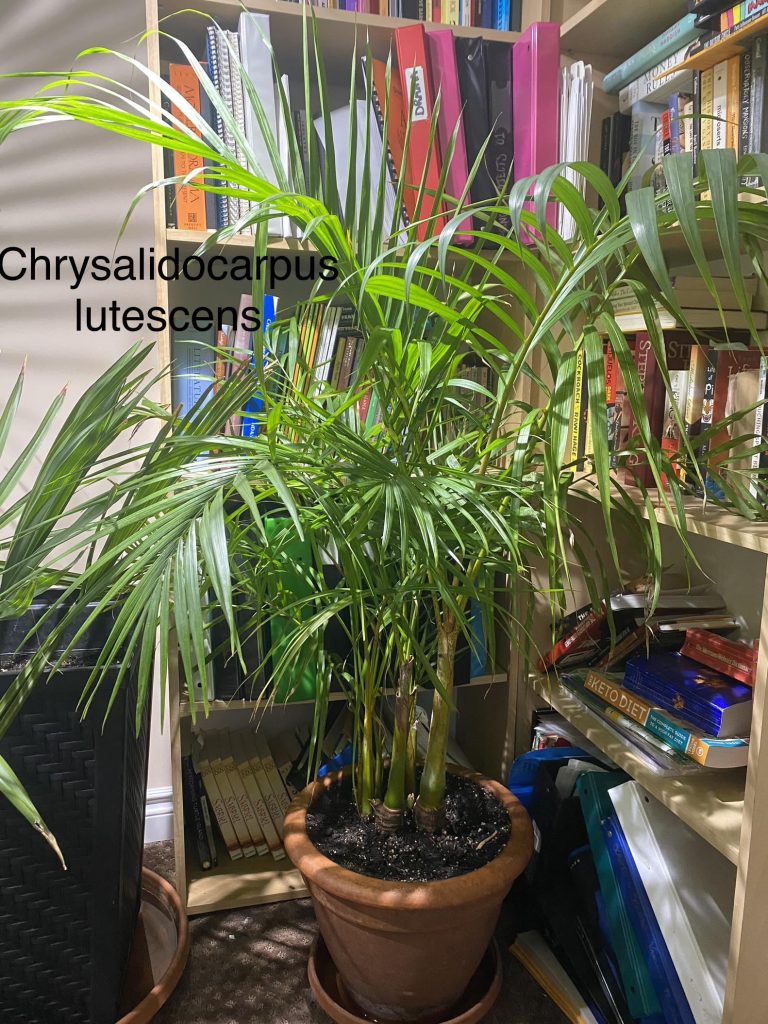
Understanding the light requirements of your houseplants is key to keeping them healthy and thriving indoors. Light affects how plants grow, bloom, and even resist disease. Your home’s natural lighting conditions determine which plants will flourish and which might struggle.
Types Of Indoor Light
Indoor light mainly comes in three forms: natural, artificial, and a mix of both. Natural light varies depending on the window direction—south-facing windows get the most sun, while north-facing ones receive the least. Artificial light includes fluorescent, LED, and incandescent bulbs, each with different intensities and color spectrums.
Think about where you place your plants. A spot near a window might get bright, indirect sunlight, while corners deeper inside the room often rely on artificial light. Your choice influences which plants will thrive in that space.
Low Light Vs Bright Light Plants
Some plants are surprisingly adaptable to low light, such as snake plants and pothos. These plants can survive in dim corners but may grow slower or lose some vibrancy. Bright light plants like succulents and fiddle leaf figs need several hours of direct or strong indirect light to stay healthy.
Have you noticed how some plants lean toward the light source? It’s a sign they need more light to stay balanced. Matching your plant’s light needs with your home’s conditions saves you frustration and keeps your greenery lively.
Measuring Light Intensity Indoors
Estimating light indoors isn’t always obvious. One simple way is to observe shadows: sharp, well-defined shadows mean bright light; soft or no shadows indicate low light. For more precision, a light meter or smartphone app can measure foot-candles or lux levels.
Tracking light intensity helps you decide if a plant will survive in a particular spot or if you need to add grow lights. Have you ever moved a plant only to see it perk up immediately? That’s the power of the right light intensity.

Credit: gharko.in
Choosing Plants For Indoor Light
Choosing the right plants for indoor light is essential for their survival and growth. Different plants need different amounts of light to thrive. Some plants do well in low light spaces, while others require bright indirect light. Knowing your light conditions helps you pick plants that will flourish in your home.
Best Plants For Low Light
Low light plants grow well in places with little natural sunlight. These plants stay healthy under shaded or dim conditions. Perfect for rooms without windows or corners far from light sources.
- Snake Plant (Sansevieria)
- ZZ Plant (Zamioculcas zamiifolia)
- Philodendron
- Pothos (Epipremnum aureum)
- Cast Iron Plant (Aspidistra elatior)
Plants That Need Bright Indirect Light
Bright indirect light means the plant gets plenty of light but not direct sun rays. These plants grow best near windows with filtered light or curtains. They avoid leaf burn and stay vibrant.
- Spider Plant (Chlorophytum comosum)
- Peace Lily (Spathiphyllum)
- Fiddle Leaf Fig (Ficus lyrata)
- Boston Fern (Nephrolepis exaltata)
- Calathea
Avoiding High Light Plants Indoors
High light plants need direct sunlight to grow well. These plants often struggle indoors where light is weaker. Direct sun is rare inside, which can cause poor growth or leaf damage.
Examples to avoid indoors:
- Cactus species needing full sun
- Succulents requiring strong light
- Olive trees and citrus plants
- Bird of Paradise (Strelitzia) without sun
Enhancing Indoor Light For Plants
Providing enough light for your houseplants indoors can be tricky, especially if natural sunlight is limited. Enhancing indoor light is key to keeping your plants healthy and thriving. Simple adjustments and tools can make a huge difference in how much light your plants actually receive.
Using Grow Lights Effectively
Grow lights are a reliable way to boost light for your indoor plants. Choose full-spectrum LED grow lights, as they mimic natural sunlight and use less energy.
Place the lights about 6 to 12 inches above your plants to avoid burning leaves. Set a timer for 12 to 16 hours daily—plants need consistent light, just like outdoors.
If you’ve ever struggled with leggy, pale plants, grow lights could be your solution. They give your plants the energy to grow strong and green, even in rooms with little natural light.
Positioning Plants Near Windows
Windows are your plants’ best natural light source. South- or west-facing windows provide the most intense light, perfect for sun-loving plants.
Rotate your plants every few days to ensure all sides get light. This stops uneven growth and keeps your plants balanced.
Don’t forget about sheer curtains—they let in light but protect delicate leaves from harsh direct sun. Have you noticed your plant leaning toward the window? That’s a sign it needs better positioning.
Reflective Surfaces To Boost Light
Reflective surfaces can multiply the light your plants receive. Placing mirrors or white boards near plants bounces sunlight around the room.
Try setting your plants on light-colored shelves or near glossy walls. These surfaces help spread light to darker spots.
Even aluminum foil works in a pinch. Just shape it to reflect light without overheating your plants. Have you experimented with reflections in your space? It’s a low-cost trick that can brighten up your plant’s corner dramatically.
Signs Of Light Stress In Plants
Plants need the right amount of light to grow well indoors. Light stress happens when they get too much or too little light. This stress shows in their leaves, stems, and overall growth. Recognizing these signs helps keep houseplants healthy and thriving.
Symptoms Of Too Little Light
- Leaves turn pale or yellow.
- Growth slows down or stops.
- Leaves become larger but thinner.
- Plant leans toward the light source.
- Lower leaves drop off easily.
- New growth looks weak or small.
Symptoms Of Too Much Light
- Leaves develop brown or burnt spots.
- Edges of leaves turn dry and crispy.
- Leaf color fades or becomes bleached.
- Plant wilts even with enough water.
- Leaves curl or twist abnormally.
- Growth becomes stunted or distorted.
Correcting Light-related Issues
- Move plants closer to windows for more light.
- Use sheer curtains to reduce harsh sunlight.
- Rotate plants regularly to ensure even light.
- Try grow lights if natural light is low.
- Trim damaged leaves to promote new growth.
- Watch plants daily to adjust light as needed.
Additional Care Tips For Indoor Plants
Indoor plants need more than just light to thrive. Proper care helps them stay healthy and vibrant. Adjusting water, nutrients, and environment supports growth indoors. Understanding these care tips improves plant life.
Watering According To Light Levels
Plants in bright spots use water faster. They need more frequent watering to stay hydrated. Low-light plants use less water. Overwatering can harm roots, especially in dim areas.
Check soil moisture before watering. Water only when the top inch feels dry. Use pots with drainage holes to prevent water buildup. Adjust watering based on plant needs and light exposure.
Fertilizing For Indoor Growth
Indoor plants need nutrients to grow well. Use a balanced, water-soluble fertilizer for best results. Feed plants once a month during active growth seasons. Avoid fertilizing in winter when growth slows.
Follow label instructions carefully. Too much fertilizer can burn roots. Slow-release fertilizers also work well for indoor plants.
Maintaining Humidity And Temperature
Most houseplants prefer humidity between 40-60%. Dry indoor air can cause leaf browning and drop. Increase humidity by grouping plants together or using a tray with water and pebbles.
Keep plants away from cold drafts and heating vents. Ideal temperatures range from 65°F to 75°F (18°C to 24°C). Stable temperatures help plants stay healthy and avoid stress.

Credit: www.housebeautiful.com
Frequently Asked Questions
Can Houseplants Survive On Only Indoor Light?
Yes, many houseplants can survive on indoor light. Low to medium light plants like pothos and snake plants do well indoors. However, some plants need brighter light to thrive and may require supplemental grow lights.
What Indoor Light Is Best For Houseplants?
Natural indirect sunlight is best for most houseplants indoors. East or north-facing windows provide gentle light. For low-light rooms, LED grow lights mimic sunlight and support plant growth effectively.
How Can I Improve Indoor Light For Houseplants?
Use sheer curtains to diffuse sunlight and place plants near windows. Rotate plants regularly for even light exposure. Adding LED grow lights can boost light levels in darker rooms.
Which Houseplants Need The Least Light Indoors?
Snake plants, ZZ plants, pothos, and cast iron plants require minimal light. These plants adapt well to low-light conditions and are great for indoor spaces with limited natural light.
Conclusion
Houseplants can live well with indoor light. Some need bright light, others low light. Choose plants that match your room’s light level. Rotate plants to help all sides grow. Watch for signs of too little light, like pale leaves. Using grow lights can help in darker spaces.
Remember, healthy plants bring life and calm to your home. Keep them happy, and they will thrive indoors. Simple care makes a big difference for your green friends.