Survival Kits Emergency Preparedness Kit Red Cross: Ultimate 72-Hour Essentials Guide
With 2024 and 2025 breaking records for weather-related disaster declarations across North America, emergency preparedness is no longer a niche priority for outdoor enthusiasts — it’s a baseline safety measure for every household. The American Red Cross’s 72-hour emergency kit guidelines remain the global gold standard for short-term disaster readiness, designed to sustain you through the critical window before official emergency aid arrives. This guide breaks down official Red Cross recommendations, reviews top licensed and guideline-aligned kits for 2026, and shares practical tips for customizing and maintaining your supplies to fit your household’s unique needs.
Official American Red Cross 72-Hour Kit Requirements
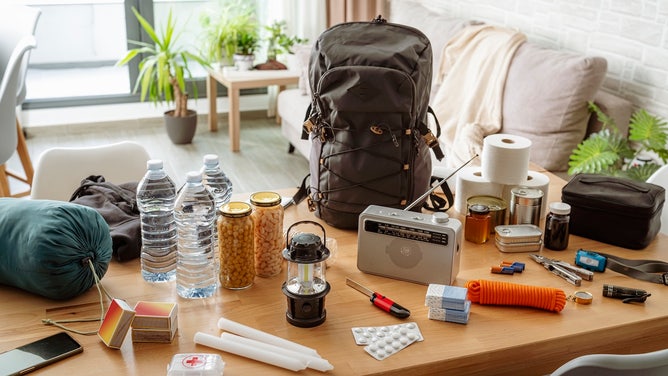
The Red Cross updates its kit guidelines annually to reflect current disaster risks, and the 2026 standards prioritize versatility for urban, suburban, and rural households alike. All official kits are built to support 1–4 people for 72 hours (3 days) with no access to external power, clean water, or grocery stores. Core requirements fall into six non-negotiable categories:
- Water: 1 gallon per person per day (3 gallons total for 72 hours) for drinking, sanitation, and hygiene. Most pre-assembled kits only include 1–1.5 liters per person, so supplemental storage is almost always required.
- Food: 2,000+ calories per person per day of non-perishable, no-cook items with a 5+ year shelf life. Avoid items that require refrigeration or cooking, as power and gas lines are often disrupted during disasters.
- First aid and medical supplies: A comprehensive kit to treat cuts, burns, sprains, and allergic reactions, plus a 7-day supply of all prescription medications for household members.
- Shelter and warmth: A thermal emergency blanket, waterproof tarp, andseason-appropriate clothing (hat, gloves, sturdy shoes) for each person.
- Communication and power: A battery-powered or hand-crank NOAA weather radio, flashlight, whistle for signaling, and a power bank to charge mobile devices.
- Hygiene and sanitation: Moist towelettes, garbage bags, plastic ties, and a small trowel for personal sanitation if plumbing is unavailable.
Custom add-ons for households with pets, babies, or members with disabilities are also recommended, including pet food, diapers, and extra mobility aids. You can also read our guide on emergency preparedness survival backpack kits.
Why the 72-Hour Window Is the Critical Preparedness Standard
Federal emergency management agency FEMA confirms that 72 hours is the average timeline for federal aid to reach households in widespread disaster scenarios like hurricanes, wildfires, or earthquakes. Local first responders may be overwhelmed addressing life-threatening incidents first, leaving households to self-sustain for the first 3 days post-disaster. This is why the Red Cross sets 72 hours as the minimum kit standard, rather than a "nice-to-have" extra. For households in high-risk zones (coastal hurricane areas, wildfire zones, or earthquake-prone regions), building a 7–14 day supplemental supply is recommended to cover extended response times.
Top Red Cross-Licensed and Red Cross-Guideline-Aligned 72-Hour Kits for 2026
All kits below are vetted to meet or exceed Red Cross 2026 guidelines, with options for solo users, couples, families, and specialized use cases like vehicle storage or workplace safety. You can also read our guide on what would you put in a survival kit.
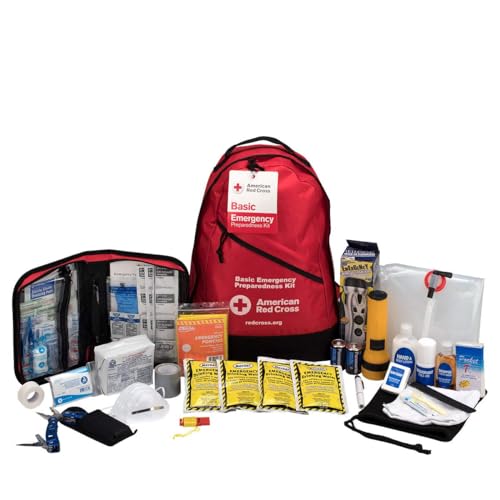
1. American Red Cross 3-Day Basic Emergency Backpack (1-Person)
 Official Red Cross 3-day basic backpack, stocked with core survival supplies for solo use
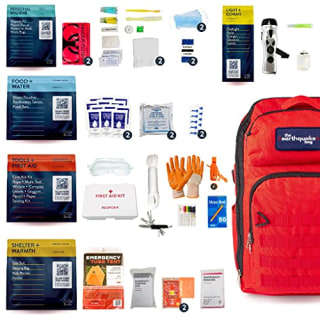
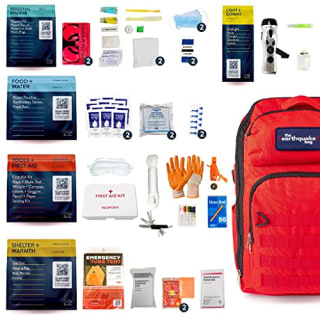
This officially licensed Red Cross backpack is the most accessible entry point for solo users new to emergency preparedness. It includes 1.5 liters of water per day, 2,400 calorie emergency food bars, a thermal blanket, basic first aid supplies, a phone charger, and a whistle, all packed into a 7-pound, water-resistant backpack that fits easily in closets, cars, or office under-desk spaces. It is ideal for urban dwellers, college students, and commuters who need a low-fuss, trusted kit for unexpected power outages, storms, or evacuation orders.
Pros:
- Officially licensed by the American Red Cross, ensuring contents meet strict safety and quality standards
- Compact and lightweight for easy grab-and-go access during evacuations
- Includes a phone charger to maintain communication with emergency contacts and alert systems
- Meets core Red Cross 72-hour guidelines for solo use
Cons:
- Water supply is half the Red Cross’s recommended 1 gallon per day, so you will need to add 1.5 gallons of stored water to meet official standards
- Basic first aid supplies do not include items for more serious injuries like gauze rolls or trauma pads
- Food bars are not suitable for users with gluten, nut, or soy allergies
If you’re looking for a no-fuss, Red Cross licensed kit for solo use, this backpack is a reliable, low-cost option that meets all core 72-hour guidelines — view current pricing and availability here.
2. Ready America 72-Hour 1-Person Emergency Kit
 Lightweight 1-person 72-hour kit with first aid and emergency food, for solo disaster preparedness
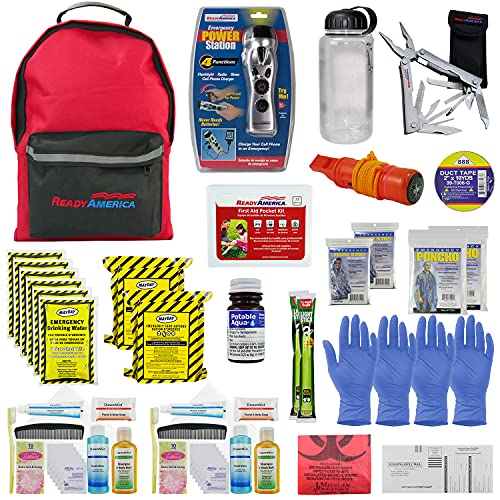
This budget-friendly Ready America kit is a trusted alternative to official Red Cross licensed products, designed to meet all Red Cross 72-hour guidelines for solo users. Weighing just 4.2 pounds, it includes a 2,400 calorie emergency food bar, 6 liters of water, a comprehensive first aid kit, thermal blanket, and a 5-in-one emergency whistle, packed into a bright red, water-resistant backpack measuring 5.1 x 9.7 x 12.3 inches. It is ideal for solo commuters, hikers, and renters who want a reliable kit for car storage, office desks, or home emergency stashes.
Pros:
- Includes 6 liters of water, double the amount in the official Red Cross basic backpack
- Bright red backpack improves visibility during search and rescue operations
- Lightweight and compact for easy storage in small spaces
- Priced 30% lower than official Red Cross licensed 1-person kits
Cons:
- Does not include a phone charger or power bank for device charging
- First aid kit lacks advanced supplies for treating serious wounds or burns
- Water supply still falls 1 gallon short of the Red Cross’s daily recommendation
This kit is a smart pick for budget-conscious solo users who want a no-frills, reliable base for their emergency supplies — check current pricing here.
3. Ready America 72-Hour 2-Person Emergency Kit
 Compact 2-person 72-hour kit with first aid and thermal blanket, ideal for couples
Designed for two users, this Ready America kit includes 12 liters of water, 4,800 calories of emergency food, a 66-piece first aid kit, two thermal blankets, and a 5-in-1 emergency whistle, packed into a 3.79-kilogram, water-resistant red backpack. It is perfect for couples, roommates, or small families with one child, and works well as a base kit for car storage, home emergency stashes, or camping trips.
Pros:
- Includes enough supplies for two people for the full 72-hour window
- Durable, water-resistant backpack protects contents from rain and snow
- 66-piece first aid kit covers minor to moderate injuries
- Compact enough to fit in most car trunks or under-bed storage
Cons:
- No power bank or phone charger included for communication
- Food bars are not allergy-friendly for common dietary restrictions
- No supplemental tools like a multi-tool or can opener included
This kit is a cost-effective pick for small households that want a ready-to-go base for their emergency preparedness plan — view pricing here.
4. Ready America 72-Hour 2-Person Deluxe Emergency Kit (With Power Station)
 Clear 2-person 72-hour deluxe kit with power station for quick content visibility
This deluxe 2-person kit builds on the standard Ready America 2-person model with a compact power station capable of charging a smartphone 2–3 times, a multi-tool, emergency ponchos, and a deck of playing cards for stress relief during long waits for aid. The clear backpack design lets you quickly scan contents without rummaging during high-stress scenarios, making it ideal for users who prioritize fast access to supplies. It meets all Red Cross 72-hour guidelines for two people, with extra water and food to cover minor delays in aid.
Pros:
- Includes a power station to keep phones, radios, and medical devices charged
- Clear backpack design eliminates the need to open the bag to check supplies
- Extra water and food included to cover extended 72-hour windows
- Lightweight at just 2 pounds for easy carrying during evacuations
Cons:
- Power station has limited capacity and cannot charge laptops or large devices
- Clear backpack material shows dirt and wear faster than opaque alternatives
- No specialized supplies for extreme cold or heat
This is the best pick for tech-reliant households that need to stay connected to emergency alerts and loved ones during a disaster — check pricing here.
5. Ready America 72-Hour 4-Person Deluxe Emergency Kit
 4-person 72-hour deluxe kit with power station for family disaster preparedness
Built for families of 4 or small groups, this deluxe Ready America kit includes 24 liters of water, 9,600 calories of emergency food, a 107-piece first aid kit, four thermal blankets, a power station, and a battery-powered radio, packed into a 16 x 9 x 12 inch water-resistant backpack. It is ideal for families with school-age children, or households that want a single, centralized kit for home use that can be split into smaller packs if needed.
Pros:
- Includes enough supplies for 4 people for the full 72-hour window
- 107-piece first aid kit covers a wide range of minor to moderate injuries
- Power station and radio keep households connected to emergency alerts
- Durable, bright red backpack is easy to locate during evacuations
Cons:
- Weighs 3 pounds when fully packed, which may be heavy for younger family members to carry
- Food bars are not suitable for users with common dietary allergies
- No specialized supplies for pets or members with disabilities
This is the most versatile family-sized kit on the market, meeting all Red Cross guidelines for small group use — view pricing here.
6. American Red Cross 25-Person First Aid Kit (Central Supply Add-On)
 118-piece hard case first aid kit for workplaces, community spaces, and group use
This officially licensed Red Cross first aid kit is not designed as a standalone 72-hour kit, but is a critical add-on for workplaces, community centers, schools, and group event spaces. It includes 118 pieces of medical supplies, including gauze rolls, antiseptic wipes, burn gel, elastic bandages, and tweezers, packed into a bright red, crush-resistant hard case. It is ideal for organizations that need to meet OSHA first aid requirements or provide emergency medical support for groups of 25 or fewer people.
Pros:
- Officially licensed by the American Red Cross, meeting strict quality and safety standards
- 118-piece kit covers a wide range of minor to moderate injuries
- Crush-resistant hard case protects supplies from damage in storage or transport
- Bright red color makes it easy to locate in emergency scenarios
Cons:
- Not designed for individual or household 72-hour use, as it lacks food, water, and warmth supplies
- Requires regular restocking of consumables like antiseptic wipes and bandages
- Bulky for small storage spaces
This kit is a non-negotiable add-on for any group or workplace emergency supply plan — check pricing here.
7. American Red Cross Deluxe All-Purpose First Aid Kit (Portable Add-On)
 Comprehensive 299-piece first aid kit for home, travel, and everyday use
This deluxe Red Cross first aid kit is a versatile add-on for any 72-hour kit, with 299 pieces of supplies to treat cuts, scrapes, burns, splinters, and allergic reactions. It includes a thermometer, instant cold packs, burn gel, and a first aid instruction booklet, packed into a compact, zippered case that fits easily in backpacks, car glove boxes, or desk drawers. It is ideal for users who want to upgrade the basic first aid supplies included in pre-assembled 72-hour kits.
Pros:
- 299 pieces cover nearly every common minor injury scenario
- Officially licensed by the American Red Cross for guaranteed quality
- Compact, zippered case is easy to store and transport
- Includes a first aid instruction booklet for users with limited medical training
Cons:
- Not designed for serious trauma or major medical emergencies
- Some consumable supplies have a 2–3 year shelf life and require regular replacement
- Slightly bulky for ultra-lightportable kits
This kit is a cost-effective upgrade for users who want to ensure their 72-hour kit is fully stocked for any minor medical scenario — view pricing here.
8. American Red Cross Car Winter First Aid Kit (Vehicle-Specific Add-On)
 27-piece winter-specific car kit with warmth and signaling tools for cold-weather driving
This winter-specific Red Cross kit is designed for drivers in cold climates, with 27 pieces of supplies to address winter-specific roadside emergencies like hypothermia, minor accidents, and being stranded in snow. It includes hand warmers, a thermal blanket, bandages, antiseptic wipes, a window breaker, and a reflective safety vest, packed into a compact case that fits in most car glove boxes or trunk storage. It is ideal for commuters, road trippers, and households in northern regions that face frequent ice, snow, and sub-zero temperatures.
Pros:
- Includes winter-specific supplies like hand warmers and a thermal blanket to prevent hypothermia
- Compact design fits easily in any vehicle’s storage compartments
- Includes signaling tools like a reflective vest for visibility to rescuers
- Officially licensed by the American Red Cross for guaranteed quality
Cons:
- Only 27 pieces, so it lacks supplies for more serious injuries
- No food or water included for extended stranding scenarios
- Hand warmers have a limited shelf life and require annual replacement
This kit is a low-cost, high-impact add-on for any driver’s vehicle emergency stash — check pricing here.
9. American Red Cross Emergency Response Pack (Lightweight First Response Add-On)
 Lightweight 1.13-pound first response kit for outdoor activities and emergency carry
This ultra-lightweight Red Cross first response pack weighs just 1.13 pounds, making it ideal for adding to a larger 72-hour kit for outdoor activities like hiking, camping, or attending large events. It includes 40+ pieces of first aid supplies, including adhesive bandages, gauze pads, antiseptic wipes, and medical tape, packed into a clear, zippered pouch that is easy to locate in dark bags or backpacks. It is also a great standalone kit for office safety officers or event staff who need quick access to first aid supplies.
Pros:
- Ultra-lightweight design adds minimal bulk to larger emergency kits
- Clear pouch makes contents easy to locate quickly in high-stress scenarios
- Officially licensed by the American Red Cross for guaranteed quality
- Includes a wide range of first aid supplies for common outdoor injuries
Cons:
- Very limited capacity, so it cannot replace a full first aid kit
- No supplies for serious trauma or medical emergencies
- Clear pouch material shows dirt and wear easily over time
This pack is a high-value add-on for anyone who wants to add lightweight first response capabilities to their existing 72-hour kit — view pricing here.
How to Build, Customize, and Maintain Your 72-Hour Kit
Pre-assembled kits are a convenient starting point, but customizing your supplies to your household’s unique needs will dramatically improve your readiness in a real emergency.
Step 1: Choose Between a Pre-Assembled Base Kit or DIY Build
Pre-assembled licensed kits are a great choice for new preppers, as they eliminate the guesswork of sourcing individual supplies and ensure all items meet Red Cross guidelines. A DIY build is better for households with specific dietary, medical, or pet needs, as it lets you swap out generic supplies for tailored alternatives. If you have a member with a severe nut allergy, for example, a DIY kit lets you replace standard emergency food bars with allergy-safe alternatives that meet calorie requirements.
Step 2: Customize for Your Household’s Unique Needs
No two households have the same risk profile, so add these items to your base kit as needed:
- For households with pets: Add 3 days of pet food, a leash, a collapsible water bowl, and copies of pet vaccination records. If you live in a hurricane zone, review our full hurricane kit essentials checklist for storm-specific pet safety tips.
- For members with prescription medications: Add a 7-day supply of all daily medications, plus a list of dosages and prescribing doctors. Store meds in a waterproof, temperature-stable container.
- For families with babies: Add diapers, wipes, formula, baby food, and a soft blanket.
- For cold climates: Add extra thermal blankets, hand warmers, and a snow shovel.
- For all kits: Add a compact survival knife for cutting cordage, preparing food, or minor repairs. Our guide to what serrated survival knife edges are for breaks down the best options for emergency use, and you can find trusted sources for quality survival knives if you need to add one to your kit.
Step 3: Store Your Kit for Fast Access and Rotate Supplies Every 6 Months
Store your primary 72-hour kit in an easily accessible location near your home’s main exit, such as a hall closet or garage shelf. Keep a smaller supplemental kit in your car for roadside emergencies, and a compact kit at your office for unexpected shelter-in-place orders. If you spend a lot of time commuting or traveling, follow our vehicle emergency packing guide to build a trunk stash tailored to roadside stranding scenarios.
Rotate your kit’s contents every 6 months: replace expired food, water, medications, and first aid supplies, and test flashlights, radios, and power banks to ensure they function. Mark your calendar for spring and fall checks to stay on track.
Common 72-Hour Kit Mistakes to Avoid
Even experienced preppers make these avoidable errors when assembling their kits:
- Skimping on water: Most pre-assembled kits only include 1–1.5 liters of water per person per day, far below the Red Cross’s 1-gallon recommendation for drinking, sanitation, and hygiene. Always add supplemental stored water to meet official guidelines.
- Forgetting special needs: Don’t overlook pet supplies, prescription medications, or dietary restrictions when selecting a kit. Generic emergency food bars often contain common allergens like nuts and soy, so swap them out if needed.
- Storing the kit out of reach: Avoid attics, basements, or locked garages that may be inaccessible during a disaster. Store your kit near an exit, at ground level, where all household members can reach it.
- Skipping cash and documents: ATMs and payment systems are often down for days after a disaster. Add $100–$200 in small bills to your kit, plus copies of your ID, insurance policies, and medical records stored in a waterproof pouch.
- Forgetting a manual can opener: Most emergency food bars do not require opening, but if you include canned goods in your DIY kit, a manual can opener is a non-negotiable item (power outages will render electric models useless).
Frequently Asked Questions
What is included in a Red Cross 72-hour survival kit?
A Red Cross-aligned 72-hour kit includes 1 gallon of water per person per day (3 gallons total for 72 hours), non-perishable no-cook food (2,000+ calories per person per day), a comprehensive first aid kit, thermal blanket, battery-powered or hand-crank radio, flashlight, whistle, multi-tool, personal hygiene items, and copies of important documents. Pre-assembled licensed kits bundle these items for convenience, though many require supplemental water to meet official guidelines.
How often should I replace the supplies in my 72-hour kit?
Rotate your kit’s contents every 6 months to account for expiration dates on food, water, medications, and first aid supplies. Mark your calendar for spring and fall checks, and replace any damaged or expired items immediately. Don’t forget to test flashlights, radios, and power stations annually to ensure they function when needed.
Are Ready America kits Red Cross approved?
Ready America kits are not officially licensed by the American Red Cross, but all models listed here meet or exceed the Red Cross’s 72-hour supply guidelines. They are a trusted, budget-friendly alternative to official Red Cross licensed products for users prioritizing value and reliability.
What’s the difference between a 72-hour emergency kit and a bug-out bag?
A 72-hour kit is designed to sustain you for the critical 3-day window before emergency aid arrives, with a focus on core survival needs like water, food, and first aid. A bug-out bag is built for longer-term evacuation, often including camping gear, additional clothing, and more extensive tools for weeks of off-grid living. Most households should start with a 72-hour kit before investing in a full bug-out bag.
Do I need a separate emergency kit for my car?
Yes: a vehicle-specific emergency kit is critical for roadside incidents, winter storms, or being stranded during a disaster while away from home. Our vehicle emergency packing guide outlines the must-have items for a go-bag that fits in your trunk or glove box.
Final Takeaway: Start Your Preparedness Journey Today
A well-stocked 72-hour emergency kit is the single most impactful step you can take to protect your household during unexpected disasters. The American Red Cross’s time-tested guidelines provide a clear, actionable framework for building a kit that works for your unique needs, whether you opt for a pre-assembled licensed product or a custom DIY build.
If you’re new to emergency preparedness, start small: pick a base 1 or 2-person kit that fits your household size, add any necessary customizations for pets, medical needs, or regional disaster risks, and store it in an accessible, easy-to-grab location near your home’s main exit. Set a recurring 6-month reminder to check and rotate supplies, and practice a quick 5-minute "grab and go" drill with your household to ensure everyone knows where the kit is stored.
Don’t wait for a disaster warning to start preparing — small, consistent steps now will give you peace of mind and a critical safety net when you need it most. For households in high-risk hurricane zones, you can also review our hurricane preparedness checklist for additional storm-specific supply recommendations.