Emergency Preparedness Long Term Survival: Top Essential Food and Supply Picks
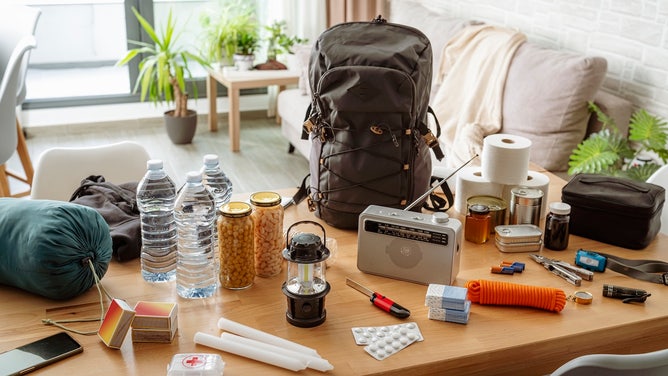
Long-term survival emergency preparedness goes far beyond a basic 3-day grab bag — it requires a multi-layered plan for food, water, shelter, and security that can sustain you and your family for weeks or even months during grid-down events, supply chain disruptions, or extended natural disasters. Unlike short-term kits designed for rapid evacuation, long-term stockpiles prioritize nutrient-dense, low-prep, shelf-stable supplies that require minimal maintenance and no refrigeration. The picks below are vetted for real-world performance, with honest trade-offs and practical tips to avoid common prepper mistakes, like overbuying single-use items or ignoring dietary restrictions.
To build a foundational understanding of core survival gear principles, start with our core survival gear overview. You can also read our guide on what would you need in a hurricane survival kit.
Why Long-Term Survival Planning Requires More Than a Basic 3-Day Kit
FEMA recommends a minimum 2-week supply of food, water, and essentials for most disaster scenarios, but long-term survival situations (30+ days) demand supplies that won’t spoil, require no cooking, and meet diverse nutritional needs. Common gaps in basic kits include allergen-friendly food options, water purification tools for when stored supplies run out, and off-grid power for communication and medical devices. Many preppers also make the mistake of relying on expired MREs or snack bars that lack the protein, fiber, and micronutrients needed to maintain energy and health during extended crises. The picks below address these gaps, with a focus on versatility and long-term reliability.
Top Essential Food Picks for Long-Term Survival
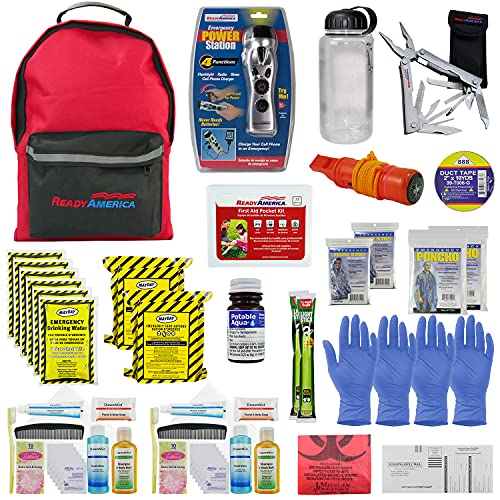
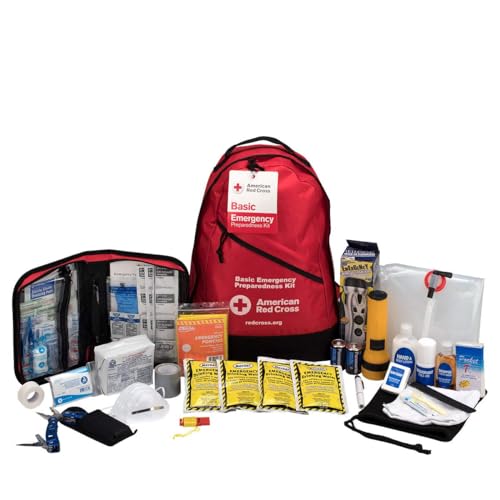
The best long-term survival foods balance calorie density, nutrient profile, shelf life, and ease of preparation, with options for different dietary needs and use cases. You can also read our guide on survival kits emergency preparedness kit red cross.
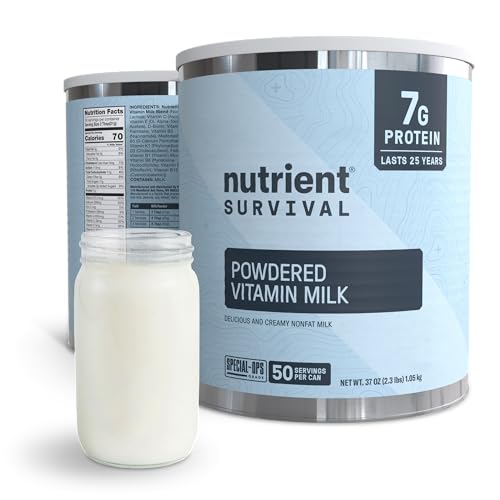
1. Nutrient Survival Powdered Whole Milk with Vitamins
This freeze-dried powdered milk is formulated specifically for emergency use, with 21 essential vitamins and minerals added to replace the nutrients lost in the drying process. Each 1-pound can yields 60 servings, has a 25-year shelf life when stored in a cool, dry location, and is free of soy, gluten, and GMOs, making it suitable for most common dietary restrictions. Unlike many emergency dairy alternatives, it reconstitutes to a consistency nearly identical to fresh milk, and can also be used for baking, cooking, and making smoothies to rotate your stockpile without waste.
Pros:
- Complete nutrient profile with 21 added vitamins and minerals
- 25-year shelf life with proper storage
- Allergen-friendly (soy-free, gluten-free, non-GMO)
- Versatile for both emergency and everyday use
- Compact, stackable can design for easy storage
Cons:
- Requires 1 cup of water per serving, so not usable if water supplies are critically low
- Powdered texture may take adjustment for people used to fresh dairy
- Single-can serving count is low for large families (a family of 4 would need 4+ cans for a 2-week supply)
When access to fresh dairy is limited, this product provides a reliable source of calcium and protein to support long-term health. A common prepper mistake is storing emergency food and never using it, leading to expired supplies; rotating 1 can of this milk into your monthly meal plan ensures it stays fresh and palatable.
 Freeze-dried powdered milk provides a reliable source of calcium and protein when fresh dairy is unavailable
For additional allergen-friendly emergency food options, see our guide to gluten-free survival staples.
Purchase the Nutrient Survival Powdered Milk on Amazon here.
2. Katadyn NRG-5 Emergency Food Rations
These compact, ready-to-eat ration bars are designed for high-energy output in minimal space, making them ideal for bug-out bags, vehicle emergency kits, and short-term crisis scenarios. Each pack contains 9 bars, with 400 calories per bar, for a total of 3,600 calories per pack. The rations have a 5-year shelf life, require no cooking or preparation, and are resistant to extreme temperatures, making them suitable for storage in vehicles, attics, or outdoor gear lockers.
Pros:
- No preparation required, ready to eat straight from the package
- High calorie density for sustained energy during physically demanding situations
- Lightweight (1.1 lbs per pack) and compact (5.4 x 2.3 x 3.2 inches) for easy storage
- Temperature-resistant for use in extreme heat or cold
- Long 5-year shelf life with minimal storage requirements
Cons:
- Limited flavor variety, with a plain, biscuit-like taste that may not appeal to all users
- Not a complete meal replacement for extended use, as they lack sufficient protein and fiber for long-term health
- Low serving count per pack, so multiple packs are needed for group use or multi-day emergencies
For balanced nutrition during multi-day emergencies, pair these rations with a shelf-stable protein source like canned tuna or peanut butter. The high carb and fat content makes them ideal for maintaining stamina during evacuation or physical labor, but they should not be relied on as a sole food source for more than 1–2 weeks.
 High-calorie emergency rations are ideal for bug-out bags and short-term crisis scenarios
Purchase the Katadyn NRG-5 Emergency Food Rations on Amazon here.
3. Ready Hour 120-Serving Emergency Meal Entrée Kit
This bulk meal kit is designed for families or groups preparing for extended emergencies, with 120 servings of fully cooked, ready-to-eat meals including pasta, rice, chili, and potato dishes. The meals are stored in a flood-proof, BPA-free bucket, have a 25-year shelf life, and require only hot water to prepare (no cooking equipment needed if using a portable camp stove or pre-heated water). The bucket is lightweight for its size, with a built-in handle for easy transport during evacuations.
Pros:
- Large serving count sufficient to feed a family of 4 for 30+ days
- 25-year shelf life with durable, moisture and pest-resistant packaging
- Meal variety reduces menu fatigue, a common issue with single-type emergency food
- No refrigeration required, making it suitable for storage in garages or basements
- Flood-proof bucket protects contents from water damage during storms or flooding
Cons:
- 20 lb bucket is heavy to transport during rapid evacuations
- Most meal varieties contain gluten and dairy, so not suitable for allergen-sensitive users without modification
- Requires water for preparation, so not usable if water supplies are critically low
Per USDA emergency food storage best practices, store all shelf-stable supplies in a cool, dry location away from direct sunlight to maximize shelf life. If you live in a coastal region prone to hurricanes, having a dedicated emergency food supply is non-negotiable, as public supply chains can be disrupted for weeks after a major storm. For a full list of water and food requirements for hurricane preparedness, see our coastal storm kit essentials.
 Bulk emergency meal kits provide consistent nutrition for families during extended power outages or supply shortages
Purchase the Ready Hour 120-Serving Emergency Meal Kit on Amazon here.
Critical Non-Food Supply Picks for Long-Term Survival
Food is only one component of long-term survival planning. The following non-food supplies address common gaps that leave preppers vulnerable during extended crises.
1. Emergency Drinking Water: Datrex 3-Day Water Pouch Pack
Water is the most critical survival supply, with the human body only able to survive 3 days without it. The Datrex 3-Day Water Pouch Pack includes 18 individual 120g (4.2 oz) sealed pouches, for a total of 3 days of water for one person (1 gallon per day is the standard recommended intake). The pouches are BPA-free, lightweight (5 lbs total), and have a 5-year shelf life, with a compact 5x5x7 inch design that fits easily in any emergency kit or bug-out bag.
Per FEMA’s long-term preparedness guidelines, individuals should store 1 gallon of water per person per day for a minimum of 14 days, making these pouches a short-term stopgap while you build a larger water storage supply. For extended scenarios, pair these pouches with a portable water filter like a Sawyer Squeeze or water purification tablets to treat water from natural sources like rivers or rainwater.
Pros:
- Individual sealed pouches prevent waste and contamination
- No preparation required, ready to drink straight from the package
- Durable, puncture-resistant packaging that resists leaks
- Lightweight and compact for storage in small spaces
Cons:
- Only covers 3 days of water for one person, so insufficient for long-term use without additional supplies
- Bulky for large groups, requiring multiple packs for a family
- Not a sustainable long-term water solution without complementary purification tools
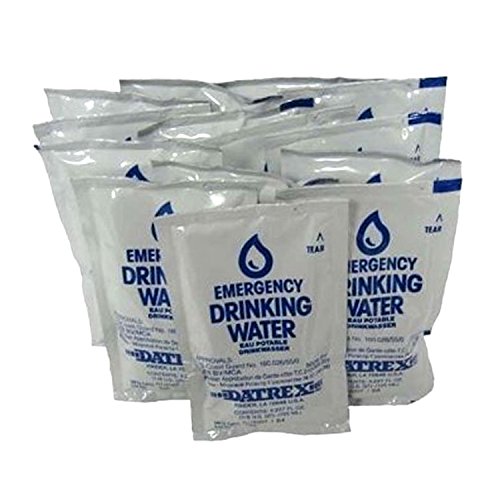 Individual sealed water pouches are ideal for bug-out bags and emergency kits where space is limited
Purchase the Datrex 3-Day Emergency Water Pack on Amazon here.
2. Off-Grid Power & Lighting Supplies
Reliable power is critical for communication, charging medical devices, food preparation, and lighting during extended grid-down events. Top picks for long-term survival include:
- Jackery Explorer 500 portable power station: 500W output, 10+ year lifespan, charges via wall outlet, car port, or solar panel
- LED headlamps with extra lithium batteries: 100+ hour battery life, hands-free design for tasks in low light
- Solar-powered phone and radio chargers: No fuel required, ideal for long-term off-grid use
A common mistake is storing power banks with a full charge for months on end, which degrades battery life over time. Rotate the charge of your power bank every 3 months to maintain 80% or higher capacity. For non-lethal security tools to protect your homestead during extended crises, review our home defense survival gear guide.
3. Prepper’s Long-Term Survival Guide (Ulysses Press, 2014, 2023 Updated Edition)
While the original 2014 edition of this guide is still widely used, the 2023 updated edition adds current guidance on satellite communication, pandemic preparedness, and modern off-grid technology. The book covers foundational self-sufficiency skills, including building raised bed gardens for food production, rainwater harvesting, basic perimeter security, and off-grid power system setup. It is designed for both beginners and experienced preppers, with actionable steps that require no specialized tools or prior experience.
Pros:
- Comprehensive coverage of core survival skills for both rural and urban settings
- Actionable, step-by-step instructions that are easy to follow for beginners
- Compact 193-page paperback design that fits easily in a survival kit or bookshelf
- Updated 2023 edition includes modern guidance on mesh networks and emergency communication
Cons:
- Limited coverage of specialized medical preparedness for chronic conditions
- Some outdated guidance on fuel storage for older model generators
- Less focus on community-based survival planning for urban areas
Pair this guide with current FEMA and CDC guidance for the most up-to-date disaster response protocols. For detailed plans to construct durable, weather-resistant shelter, see our underground shelter construction guide.
 A foundational survival guide covers core self-sufficiency skills for long-term disaster scenarios
Purchase the Prepper’s Long-Term Survival Guide on Amazon here.
Building Your Long-Term Survival Stockpile: Next Steps
You don’t need to buy all your survival supplies at once to be prepared. Start with a 2-week supply of food and water for your household, then expand to a 30-day supply, and eventually a 6-month stockpile as your budget allows. Test your supplies every 6 months: rotate expired food into your regular meal plan, test water filters to ensure they work, and practice building a fire or preparing a meal with your stored supplies to avoid fumbling during a real crisis. For a complete breakdown of kit components tailored to specific disaster types, from wildfires to winter storms, see our comprehensive survival kit packing list.
Frequently Asked Questions
How long does freeze-dried emergency food actually last?
Most high-quality freeze-dried emergency meals and powdered dairy products have a shelf life of 20–25 years when stored in a cool, dry, dark location with temperatures between 50–70°F (10–21°C). Heat, moisture, and direct sunlight are the biggest threats to shelf life, so avoid storing supplies in attics, garages, or basements with fluctuating temperatures. Always check expiration dates annually, and rotate supplies into your daily meal plan to avoid waste. Note that MREs (Meals Ready to Eat) have a shorter 3–5 year shelf life, even with proper storage.
Can I survive long-term on emergency food rations alone?
While emergency rations are formulated to provide adequate calories and nutrients for short-term crises (up to 2 weeks), they are not designed to be a sole food source for months or years. Most rations lack sufficient fiber, fresh produce, and diverse micronutrients for long-term health. For extended survival scenarios, pair stored emergency food with a home gardening plan, canned goods, and shelf-stable protein sources like beans and canned meat.
What’s the minimum amount of water I need to store for long-term survival?
FEMA and the CDC recommend storing 1 gallon of water per person per day for a minimum of 14 days, for drinking, cooking, and basic hygiene. For longer-term scenarios (30+ days), you will need additional water purification tools, including portable filters, purification tablets, and the ability to collect and treat rainwater or natural water sources.
Are emergency food supplies safe for people with food allergies?
Many commercial emergency food brands offer allergen-friendly options, including gluten-free, soy-free, dairy-free, and nut-free varieties. Always read ingredient labels carefully, as cross-contamination can occur in manufacturing facilities. For severe allergies, consider building a custom emergency food supply from single-ingredient shelf-stable items you know are safe for your needs.
How do I prevent pests from ruining my long-term food supply?
Store all dry goods in airtight, pest-proof containers (Mylar bags with oxygen absorbers are ideal for long-term storage). Keep storage areas clean and free of crumbs, and inspect supplies every 6 months for signs of infestation. Avoid storing food in cardboard boxes, as pests can chew through them easily.
Conclusion
Preparing for long-term survival is about reducing risk, not achieving perfection. The food and supply picks outlined above address the most common gaps in basic emergency kits, with a focus on nutrient density, long shelf life, and versatility for both at-home stockpiles and portable evacuation kits. All picks include clear trade-offs to help you choose the right options for your household’s size, dietary needs, and budget. Ready to build your complete long-term survival stockpile? Start with a 2-week supply of the food and water picks outlined above, then expand your kit with our full survival gear checklist to cover shelter, security, and first aid needs. Stay ready, stay safe, and protect the people you care about with smart, incremental preparation.