What to Include in a Hurricane Survival Kit: Essential Life-Saving Items
The wind starts to sound like a freight train, the lights flicker twice, and then the house goes dark. That is the moment your hurricane kit either works or it doesn't. There is no store run, no Amazon delivery, and no last-minute trip for batteries once the outer bands arrive.
A hurricane survival kit is not a shopping list you buy once and forget. It is a system: enough water, food, medicine, light, power, and documentation to keep your household functioning for at least 7 days without utilities, plus a smaller grab-and-go version if you are told to evacuate. You can also read our guide on what to buy for survival kit.
This guide walks through exactly what to pack, how much, how to store it, and — just as important — what most people get wrong. Everything here reflects the way real storms unfold: power out for days, water pressure gone or under a boil notice, roads blocked, cell towers overloaded, and gas stations dry within a 100-mile radius.
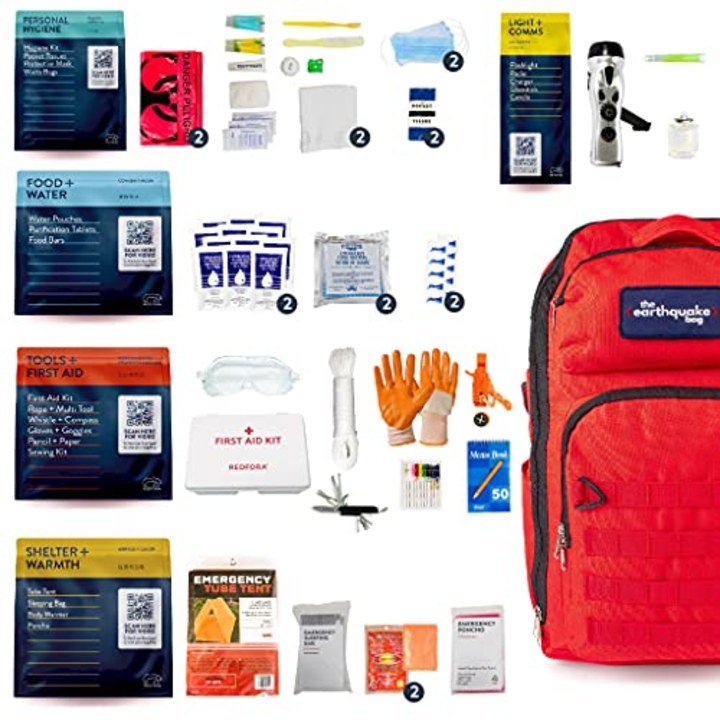
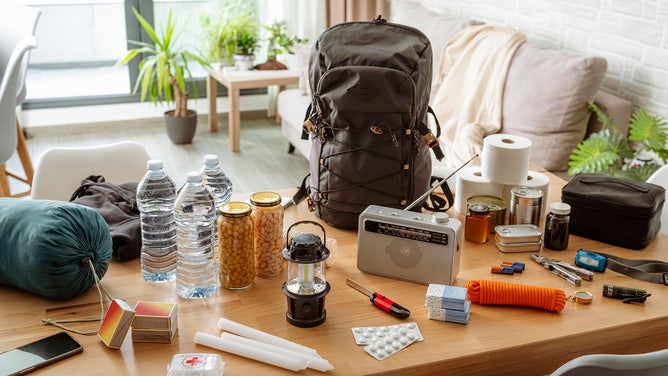
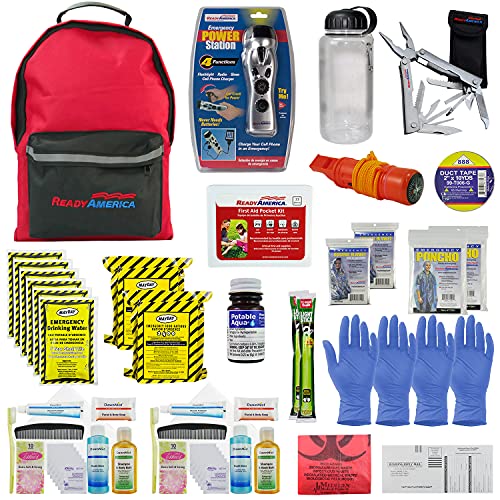
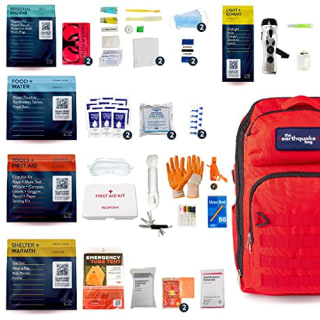
A pre-built two-person disaster bag like this covers the basics, but almost every commercial kit needs to be topped up with water, medications and personal documents.
Credit: www.nbcnews.com
The Two-Kit Rule: Shelter-in-Place vs. Go-Bag
The single biggest planning mistake is building one giant tub and calling it done. Hurricanes force two very different decisions, and each needs its own kit. You can also read our guide on how do whales survive hurricanes.
| Shelter-in-Place Kit | Evacuation Go-Bag | |
|---|---|---|
| Purpose | Survive at home with no power/water | Leave in under 10 minutes |
| Duration | 7–14 days | 72 hours |
| Size | Storage tubs, closet or pantry shelf | One backpack per person, under 20 lbs |
| Water | 1 gallon per person per day | 3 L per person, plus a filter bottle |
| Food | Canned + shelf-stable, cooking possible | No-cook bars, pouches, nut butter |
| Extras | Generator fuel, tools, tarps, sanitation | Documents, cash, meds, chargers, ID |
Build the go-bag first. It is smaller, cheaper, and it doubles as the "grab this if the roof fails" bag even when you plan to ride the storm out. In practice, families who evacuate at the last minute end up leaving with nothing but a phone and a car charger — the go-bag prevents that.
If you're starting from zero and want a broader foundation before adding hurricane-specific gear, our breakdown of what belongs in a general emergency stash is a sensible first stop. You can also read our guide on how to survive various animal attacks.
Water: The Item You Will Underestimate
Water is where nearly every kit falls short. One gallon per person per day is the floor, not the target — and that figure covers drinking and minimal sanitation only.
How Much to Actually Store
- Minimum: 1 gallon per person per day × 7 days
- Realistic: 1.5 gallons per person per day (accounts for heat, cooking, hand washing, and flushing)
- Pets: 1 ounce per pound of body weight per day, plus extra for hot conditions
- A family of four for one week: roughly 42 gallons
That is seven 6-gallon jugs, or about 80 sealed half-litre bottles. It sounds excessive until the county issues a boil-water advisory and the tap runs brown for four days. You can also read our guide on how to survive animal attacks.
Storage That Actually Survives a Storm
- Commercially sealed bottled water — longest shelf life, easiest to ration, no prep needed.
- Food-grade 5–7 gallon containers — refill every 6 months; label the date in permanent marker on the lid.
- A bathtub bladder (WaterBOB or similar) — holds ~100 gallons of tap water for flushing and washing. Fill it the day before landfall, while pressure is still good.
- Every empty pitcher, pot, and cooler — fill these in the final 24 hours.
Treatment Backup
Storage alone is not enough. Flooding pushes contaminated surface water into municipal lines, and boil notices routinely last a week after a major storm.
Keep at least two of the following:
- A hollow-fiber filter (0.1-micron or finer) rated for bacteria and protozoa
- Unscented household bleach, 5–6% sodium hypochlorite — roughly 8 drops per gallon of clear water, doubled for cloudy water, stirred and left 30 minutes
- Chlorine dioxide tablets — slower, but they handle viruses too
- A stove and fuel to bring water to a rolling boil for one minute
A common mistake: buying bleach with "splash-less" or scented on the label. Those formulations contain additives and are not safe for water treatment. Read the active-ingredient line.
Food: 7 Days, No Refrigeration, No Cooking Required
Assume the stove, microwave, and fridge are all offline. Assume it's 92°F and humid inside the house. Now plan the menu.
What Belongs in the Kit
| Category | Examples | Why It Works |
|---|---|---|
| Protein | Canned tuna/chicken pouches, beans, jerky, peanut butter | Shelf-stable, no cooking |
| Carbs | Crackers, tortillas, instant oats, granola | Dense calories, easy on the stomach |
| Comfort/energy | Trail mix, dried fruit, hard candy, instant coffee | Morale matters more than people expect |
| Hydration | Electrolyte powder, shelf-stable juice boxes | Heat + exertion = fast salt loss |
| Kids/elderly | Applesauce cups, pudding, familiar snacks | Appetite drops under stress |
Target 2,000+ calories per adult per day. Aftermath work — hauling debris, running a generator, moving furniture — burns far more than sitting on the couch.
Practical Rules
- Pack a manual can opener. Two, ideally. The number one preventable failure in home kits.
- Choose pop-top cans wherever available.
- Buy foods your family already eats. A hurricane is not the moment to introduce freeze-dried stroganoff to a seven-year-old.
- Include disposable plates, cups, and utensils — washing dishes with rationed water is a waste.
- Add a small propane or butane camp stove for outdoor use only, plus fuel.
Rotation
Label each container with the earliest expiry date inside. Then eat and replace on a schedule — the simplest system is to pull from the kit for a normal week's meals every six months and restock immediately. Set a recurring calendar reminder for June 1 (Atlantic season opening) and September 1 (peak).
Lighting and Power
Utility restoration after a major hurricane is measured in days for most neighborhoods and weeks for the hardest-hit ones. Plan light and power accordingly.
Lighting
- One LED headlamp per person. Hands-free beats handheld every time — you'll be carrying, cleaning, and cooking in the dark.
- Two or three LED lanterns for room lighting, ideally with a warm-light mode that doesn't wreck night vision.
- A hand-crank or solar flashlight as the never-dies backup.
- Spare batteries in the correct sizes, stored in their original packaging, checked twice a year. Lithium AA/AAA cells hold charge far longer in storage than alkaline and won't leak into your gear.
- Skip candles. Post-storm house fires from open flame are a documented, recurring problem, and fire departments may not be able to reach you.
Power
- Power banks: 20,000 mAh minimum per household member. Charge them fully whenever a named storm enters the basin, not when the watch is issued.
- A folding solar panel (20W+) with USB output — slow, but it works indefinitely.
- 12V car chargers and a full tank of gas. Your vehicle is a generator you already own.
- A portable power station (300–1,000 Wh) if budget allows — enough for CPAP machines, phones, fans, and a laptop, with none of the carbon monoxide risk.
Generator Safety — Non-Negotiable
Portable generators kill people every hurricane season, and almost always the same way: carbon monoxide poisoning from running the unit indoors, in a garage, or too close to a window. Keep generators at least 20 feet from the house, exhaust pointed away, and install battery-operated CO alarms on every level of the home. Never backfeed a generator into a wall outlet — it can electrocute line crews working on your street.
Communication and Information
Cell networks degrade fast during landfall — towers lose commercial power, backup batteries run down within hours, and the surviving sites get congested with everyone calling at once.
Core Communication Kit
- A NOAA Weather Radio with S.A.M.E. alerting, battery-powered with a hand crank. This receives National Weather Service broadcasts directly, independent of cell and internet. Program it to your specific county code so it only alarms for warnings that affect you.
- A written emergency contact card in every wallet and every bag: family, an out-of-state contact, doctor, pharmacy, insurance agent and policy number, utility outage line, and your local emergency management office.
- An out-of-area check-in contact. Local circuits jam first; long-distance and text messages often get through when calls do not.
- Paper maps of your county and evacuation routes. Navigation apps fail when data does, and washed-out roads aren't in the database anyway.
Before the Storm
Download offline maps, screenshot your evacuation zone, and note your zone letter or number — it's assigned by county, not by flood zone, and knowing it saves precious time when orders are issued. Official forecast tracks and watch/warning products come from the National Hurricane Center, and preparedness checklists tailored to your household are maintained at Ready.gov. Use those rather than screenshots of spaghetti models circulating on social media.
Text, don't call. SMS uses tiny amounts of bandwidth and queues until it can deliver.
First Aid and Medications
Emergency medical services routinely suspend responses when sustained winds exceed roughly 40–45 mph. For a window of many hours, you are your own first responder.

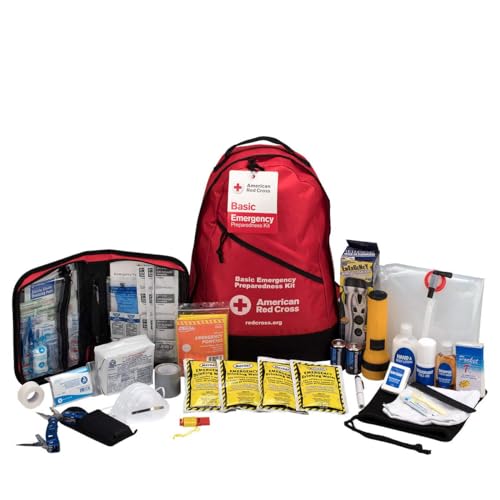
A proper trauma-capable kit goes well beyond adhesive strips — bleeding control and wound irrigation matter most after a storm.
Credit: www.schoolhealth.com
Build a Real Kit, Not a Drugstore Tin
Wound care
- Assorted adhesive bandages, sterile gauze pads (2×2 and 4×4), roller gauze
- Medical tape, elastic bandage wraps
- Antiseptic wipes, saline for irrigation, antibiotic ointment
- Nitrile gloves (several pairs), trauma shears, tweezers
Bleeding control
- Pressure dressing and hemostatic gauze
- A commercial tourniquet — post-storm chainsaw and debris injuries are common and severe
Medications
- Pain relief (acetaminophen and ibuprofen), antihistamines, anti-diarrheal, antacids
- Oral rehydration salts
- Hydrocortisone cream, insect bite treatment
- Any prescription drugs — aim for a 14-day supply
Support items
- Digital thermometer, instant cold packs, burn gel
- N95 masks for mold and dust during cleanup
- A printed first aid reference card
The Prescription Problem
Pharmacies close, and their systems go offline with the power. Ask your prescriber about an emergency refill authorization before hurricane season, keep a printed medication list (drug name, dose, frequency, prescriber), and store medicines in a sealed waterproof container.
If anyone in your household depends on refrigerated medication such as insulin, plan the cold chain now: a quality cooler, frozen gel packs, and a thermometer inside the cooler so you're not guessing. If someone depends on powered medical equipment, register with your utility's medical priority list and your county's special-needs shelter program — registration usually has to be done in advance, not during a storm.
Sanitation and Hygiene
This is the least glamorous category and the one that causes the most misery. When sewer lift stations lose power, toilets stop flushing regardless of whether you have water.
Pack:
- Heavy-duty contractor trash bags plus regular kitchen bags
- Toilet bags with gelling agent, or kitty litter/sawdust as an absorbent
- A 5-gallon bucket with a snap-on toilet seat lid
- Toilet paper — far more than you think, kept dry in a sealed bag
- Hand sanitizer (60%+ alcohol) and unscented bar soap
- Baby wipes and body wipes for no-water washing
- Feminine hygiene supplies, diapers, adult incontinence supplies
- Toothbrushes, toothpaste, deodorant
- Disinfectant wipes and unscented bleach for surface cleaning
- A small towel per person (microfiber dries fastest in humidity)
A working toilet system and a daily wipe-down do more for morale over a long outage than any other single item in the kit. Standing water and disrupted sewage are also the main drivers of post-storm illness, so hand hygiene before eating is not optional.
Tools, Gear and Physical Safety

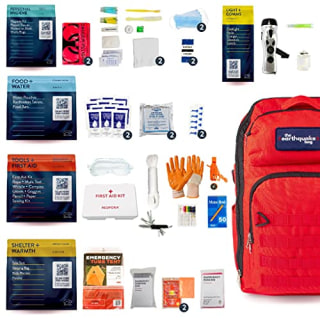
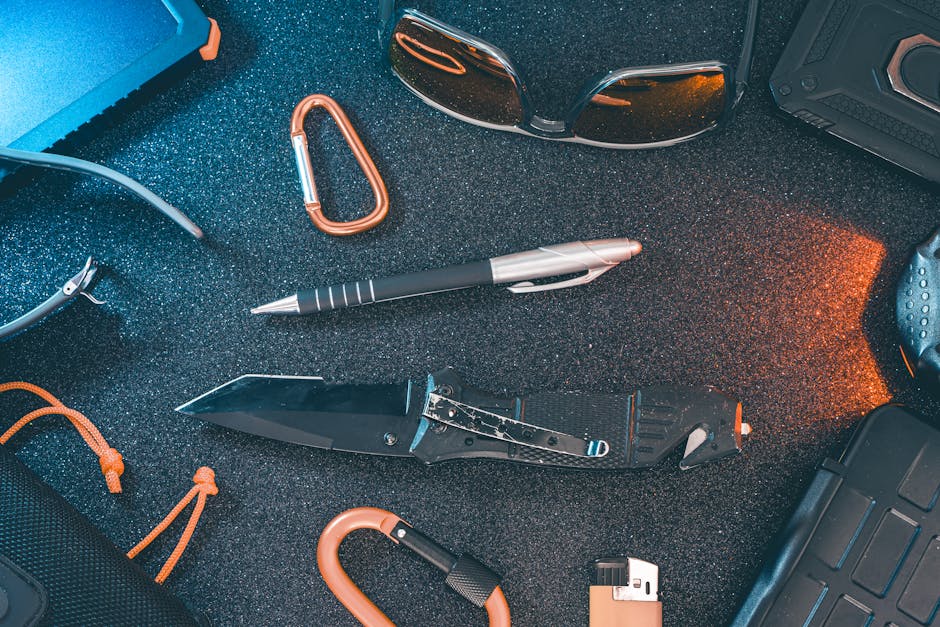
Multi-tools, cordage, and cutting tools earn their space — most post-storm work is clearing, cutting, and temporary patching.
Credit: www.amazon.ca
The Working Tools
- A full-tang fixed-blade knife or a robust folding knife. Blade geometry matters more than gadgetry here — a plain edge cuts cleanly, while a partially toothed blade handles rope, seatbelts and fibrous material far faster.
- A quality multi-tool with pliers, drivers, and a wire cutter.
- Work gloves — leather palm, cut-resistant. Debris is glass, metal roofing, and splintered wood.
- Adjustable wrench sized for your gas meter shutoff, kept at the meter.
- Pry bar and hammer, plus a pack of screws and a manual screwdriver.
- A hand saw or bow saw for clearing branches without fuel.
- Duct tape and heavy plastic sheeting (6 mil) for patching windows and covering roof breaches until a tarp goes on.
- Two blue tarps (minimum 12×16 ft) and 100 ft of paracord or rope. Tarps sell out within hours of landfall.
If you're still choosing a primary blade, our guidance on where reliable fixed blades are sourced and the notes on Schrade's manufacturing origins will help you avoid the flood of cheap, soft-steel copies that fail under real load.
Fire and Structural Safety
- A 2A:10B:C rated fire extinguisher on each floor, gauge in the green, and everyone in the house knows the PASS method (Pull, Aim, Squeeze, Sweep).
- Battery-operated smoke and carbon monoxide alarms with fresh batteries.
- Know where your main water shutoff, breaker panel, and gas shutoff are — and be able to find them in the dark.
Personal Documents, Cash and Identity
Every disaster generates a second wave of problems: proving who you are, proving what you owned, and paying for things when the card networks are down.
The Document Pack
Store originals or certified copies in a waterproof, zip-sealed pouch inside the go-bag:
- Driver's licenses, passports, birth certificates, Social Security cards
- Homeowners/renters and flood insurance policies with policy numbers and the claims phone number
- Property deed or lease, vehicle titles and registration
- Recent bank and mortgage statements
- Medical records, immunization records, prescription list
- Pet vaccination records (required by most pet-friendly shelters)
- A printed contact sheet
Also make a digital backup: scan everything to an encrypted cloud folder and a USB drive kept in the bag. Then walk your home with your phone recording video — open closets, drawers, and cabinets, narrating brands and approximate values. That five-minute video is the single most useful thing you can do for an insurance claim, and it costs nothing.
Cash
Card readers need power and connectivity; ATMs need both plus cash in the machine. Keep $300–$500 per household in small bills — fives, tens and twenties. Nobody has change for a fifty when the register isn't working.
Clothing, Shelter and Comfort
What to Pack Per Person
- Two complete changes of clothing: long sleeves and long pants, quick-drying synthetic or wool rather than cotton
- Sturdy, closed-toe, waterproof boots with puncture-resistant soles. Nails through the foot are one of the most common post-storm injuries, and flip-flops are a genuine hazard around debris.
- Rain jacket and rain pants
- A hat and sunglasses — the sun after a hurricane is brutal
- Wool or synthetic socks, several pairs; wet feet in humid heat macerate fast
- High-visibility item or bright outer layer so rescuers can spot you
Sleeping and Comfort
- A sleeping bag or two wool blankets per person
- Inflatable sleeping pads if you may end up on a floor or in a shelter
- Battery-powered fans — indoor temperatures climb quickly with no A/C and boarded windows
- Earplugs and eye masks (shelters are loud and never fully dark)
- Books, cards, board games, coloring supplies. Days two through five are boring, and boredom in kids becomes anxiety fast.
Special Populations: Infants, Elderly, Pets and Mobility Needs
Infants and Toddlers
- Formula (ready-to-feed requires no water mixing — this is the safer choice during a boil notice), bottles, nipples
- 7+ days of diapers, wipes, rash cream, disposable changing pads
- Baby food pouches and a spoon
- Infant-appropriate fever reducer with a dosing syringe
- Extra clothing, a hat, and blankets
- One comfort item — a familiar blanket or toy will do more for sleep than anything else in the bag
Older Adults
- Extra glasses, hearing aid batteries, denture supplies
- Written medication schedule and pill organizer
- Mobility device accessories: cane tips, walker glides, wheelchair tire pump and patch kit
- Manual wheelchair as backup if a powered chair is the primary device
- Note that heat stress hits older adults hardest — prioritize fans, cooling towels, and hydration
Pets
- 7 days of food in a sealed container, plus water and collapsible bowls
- Carrier sized for each animal (shelters generally require one)
- Leash, harness, and current ID tags plus microchip registration you've verified this year
- Medications, vaccination records, a recent photo of you with the pet for reunification claims
- Litter, pan, and waste bags
- A comfort item and, if your vet advises, a calming aid — storms terrify most animals
Emergency shelters vary enormously in what they accept. Confirm your county's pet-friendly shelter list before the season, not during a watch.
Storage, Containers and Where to Keep It
- Use wheeled, latching plastic totes for the home kit — waterproof-ish, stackable, and movable by one person.
- Keep the kit on an upper floor or elevated shelf if you're in a surge or flood-prone area.
- Store it where you can reach it in the dark, near your identified safe room (an interior room, lowest floor, no exterior windows).
- Inventory list taped inside each lid. Simple, and it saves ten minutes of rummaging.
- Put the go-bags by the door you'd actually leave through, not in the attic.
For a broader look at how to organize gear across different scenarios, our notes on assembling a bug-out load cover weight distribution and packing order in more detail.
Your Hurricane Preparation Timeline
| When | What to Do |
|---|---|
| Start of season (June 1) | Full kit audit: rotate food and water, test radios and lights, replace batteries, verify insurance coverage and flood policy waiting period |
| Storm enters the basin (5–7 days out) | Refill prescriptions, top up fuel and cash, review evacuation zone and route |
| Watch issued (48 hours) | Charge everything, fill vehicles, secure loose yard items, fill bathtub bladder, freeze water bottles |
| Warning issued (36 hours) | Board or shutter windows, move valuables up, cook and eat perishables, set fridge to coldest |
| 12–24 hours out | Final water fill, phones and power banks at 100%, go-bags staged at the door, decide evacuate or shelter — and commit |
| During | Stay in the safe room, monitor the weather radio, do not go outside during the eye |
| After | Assume every downed line is live, avoid floodwater, photograph damage before cleanup, run generators outdoors only |
A note on flood insurance: most policies carry a waiting period of roughly 30 days before coverage takes effect. Buying it when a storm is already named is too late. Handle it at the start of the season.
Common Mistakes That Sink Otherwise Good Kits
- Planning for three days. Three days is the old baseline. After a major landfall, 7–14 days is the realistic figure for power and water restoration in hard-hit areas.
- Untested gear. The lantern with corroded contacts, the stove nobody has lit, the tarp nobody has rigged. Test everything once a year in daylight.
- Batteries left in devices. Alkaline cells leak and destroy the flashlight you were counting on. Store them separately or use lithium.
- Forgetting the can opener. Still the classic.
- Only digital documents. Cloud access requires power and connectivity. Keep paper.
- No plan for the pets. People refuse to evacuate without their animals — plan for them and you remove that decision.
- Ignoring mental load. Snacks people actually like, a deck of cards, and a quiet way to occupy children are legitimate survival items.
- Assuming the kit is finished. Households change. Recheck it every year.
Budget Tiers: Building It Without Buying It All at Once
Essentials first (roughly $150–$250) Water storage, one week of shelf-stable food, manual can opener, headlamps and batteries, basic first aid kit, weather radio, work gloves, tarp and rope, cash reserve.
Second pass ($250–$600) Water filter, power bank and solar panel, camp stove and fuel, upgraded trauma-capable first aid kit, fire extinguisher, boots and rain gear, bucket toilet system, document safe.
Long-term investments ($600+) Portable power station, generator with CO alarms and safe fuel storage, permanent shutters or impact glass, whole-home surge protection, chainsaw with PPE.
Buy in the off-season. Prices are lower, stock is available, and you're making decisions calmly instead of in a crowded aisle at 6 a.m.
Frequently Asked Questions
How long should a hurricane survival kit last?
Plan for a minimum of 7 days, and 14 days if you live on a barrier island, at the end of a long peninsula, or in any area where a single road carries all the traffic. The old 72-hour standard assumes outside help arrives on day three, which does not hold after a major landfall that damages a wide region.
How much water do I really need?
One gallon per person per day is the absolute minimum for drinking and basic sanitation. Aim for 1.5 gallons per person per day in hot, humid conditions, and add water for pets. For a family of four over seven days, that's roughly 42 gallons. Store a filter and unscented bleach as backup, since boil-water notices often outlast the outage.
Should I evacuate or shelter in place?
Evacuate if you are in an ordered evacuation zone, in a mobile or manufactured home, in a surge-prone or flood-prone area, or if anyone in the household depends on powered medical equipment you cannot back up. Evacuation orders are based on storm surge and structure type, not wind speed alone. Surge is the leading cause of hurricane deaths. When in doubt, leave early — leaving late is far more dangerous than leaving.
What food should I pack that needs no cooking?
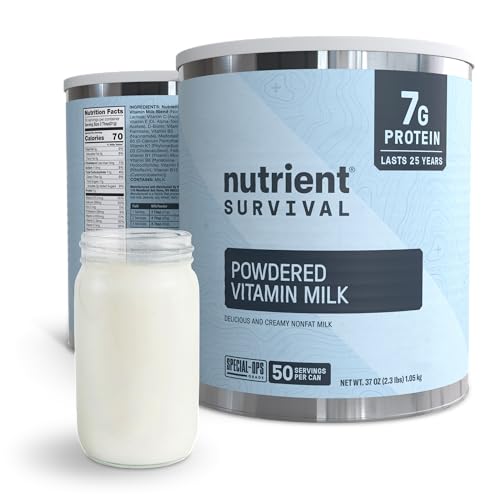
Canned tuna and chicken pouches, peanut butter, crackers, tortillas, granola and protein bars, dried fruit, nuts, shelf-stable milk, canned beans and vegetables, applesauce cups, and instant oatmeal (which works with cold water in a pinch). Target 2,000+ calories per adult per day and include foods your family already eats.
Do I really need cash?
Yes. Card terminals need electricity and a network connection, and ATMs need both plus a cash refill. Keep $300–$500 in small bills — fives, tens and twenties — because vendors operating on generator power rarely have change.
How often should I check and rotate my kit?
Twice a year at minimum: at the start of hurricane season and again near the seasonal peak. Rotate food and stored water, test every light and radio, replace batteries, check the fire extinguisher gauge, confirm prescriptions are current, and update documents after any move, birth, new vehicle, or policy change.
What's the most commonly forgotten item?
A manual can opener, closely followed by a spare pair of glasses, pet food, and enough toilet paper. Right behind those: something to keep children occupied. Boredom during a long outage becomes stress remarkably quickly.
Can I just buy a pre-made kit?
A commercial kit is a reasonable starting point, but treat it as a shell. Almost every off-the-shelf kit is built for 72 hours, includes only token amounts of water, and cannot know your prescriptions, your documents, your children's ages or your pets. Buy one if it accelerates you, then double the water, extend the food, and add the personal layer yourself.
Final Word: Preparation Is a Habit, Not a Purchase
The households that come through a hurricane in decent shape are rarely the ones with the most expensive gear. They are the ones who checked the batteries in May, filled the tub before the pressure dropped, knew their evacuation zone by heart, and had a printed list of who to call.
Start today with the three things that fail most often: water quantity, a working manual can opener, and a fully charged, tested power bank. Then work down this guide one category at a time over the next few weeks. Nothing here needs to happen in a single afternoon — it just needs to happen before the cone points at you.
Next step: print the timeline table above, tape it inside your kit lid, and set two calendar reminders — June 1 and September 1 — to audit everything. Five minutes now saves you a very long week later.
For a companion checklist you can work through room by room, see our walkthrough of storm-season supplies for the home, and if you're deciding which gear is worth the money, our guidance on choosing dependable emergency equipment will keep you from overspending on things that never leave the tub.