Imagine finding yourself in an unexpected situation where you need to rely on your instincts and what you have on hand. The thought can be daunting, right?
Having a well-prepared survival kit can make all the difference between feeling lost and being ready to tackle any challenge. Whether it’s a natural disaster, a camping trip gone awry, or simply the peace of mind knowing you’re prepared, packing the right items is crucial.
But what exactly should you include in your survival kit? The answer might surprise you. Stick with us, and you’ll uncover the essential items that could make all the difference when you need them the most. Let’s dive into this vital topic to ensure you and your loved ones are ready for anything that comes your way.
Basic Survival Gear
Basic survival gear forms the core of any survival kit. It ensures your safety and comfort in tough situations. Choosing the right items helps you stay alive longer and reduces stress. Prioritize items that provide water, food, shelter, and warmth. These essentials support your body’s most critical needs.
Water And Hydration Tools
Water is the most vital resource for survival. Carry a durable water bottle or hydration bladder. Include water purification tablets or a portable filter. These tools make unsafe water drinkable. A small collapsible cup or container helps in collecting water. Staying hydrated prevents dehydration and maintains energy.
Food And Nutrition Supplies
Pack lightweight, high-energy food items. Choose non-perishable items like energy bars, nuts, and dried fruit. Include ready-to-eat meals that require no cooking. Keep some salt and sugar packets for taste and energy. Small utensils or a spork can aid in eating. Proper nutrition keeps your strength up during emergencies.
Shelter And Warmth Essentials
Protection from the elements is crucial. Carry a compact emergency blanket or bivvy sack. A lightweight tarp or poncho provides shelter from rain and wind. Pack some fire-starting tools like waterproof matches or a lighter. Include a small, warm hat and gloves for cold weather. These items help maintain body heat and prevent hypothermia.

Credit: www.youtube.com
Navigation And Communication
Navigation and communication are the backbone of any survival kit. Without a clear sense of direction or a way to call for help, your chances of staying safe drop significantly. These tools not only guide you but also keep you connected when things get tough.
Maps And Compasses
A reliable map and compass are essential. GPS devices can fail or run out of battery, but a map and compass work without power. Have a detailed topographic map of the area you’re in, and learn how to read it accurately.
Choosing a compass with a clear baseplate and adjustable bezel helps with precise navigation. Practice using your compass before you need it. Knowing how to take a bearing and follow a route can mean the difference between getting lost and finding your way home.
Emergency Communication Devices
Staying in touch during an emergency is critical. Cell phones might not work everywhere, so add alternative communication devices to your kit. Devices like satellite messengers or personal locator beacons (PLBs) allow you to send distress signals from remote locations.
Some emergency radios also include weather alerts and can recharge via solar power or hand crank. Think about where you’ll be and what signals are available. Carrying multiple options increases your chances of reaching help when you need it most.
First Aid And Medical Supplies
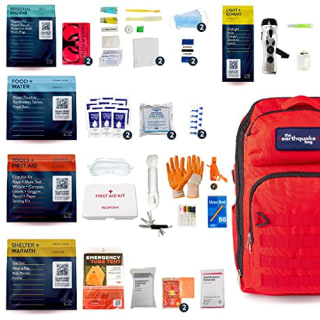
First aid and medical supplies are essential in any survival kit. These items help treat injuries and prevent infections. They provide immediate care before professional help arrives. Having the right supplies can save lives and reduce complications.
Basic First Aid Kit Items
- Adhesive bandages in various sizes
- Sterile gauze pads and adhesive tape
- Antiseptic wipes and ointment
- Scissors and tweezers
- Disposable gloves
- Instant cold packs
- Elastic bandages for sprains
- CPR face shield or mask
- Thermometer
Medications And Personal Care
- Pain relievers like ibuprofen or acetaminophen
- Antihistamines for allergic reactions
- Anti-diarrheal medication
- Any prescribed medicines you need daily
- Hydrocortisone cream for skin irritation
- Burn cream or aloe vera gel
- Oral rehydration salts
- Personal hygiene items like hand sanitizer

Credit: www.amazon.com
Tools And Equipment
Tools and equipment form the backbone of any survival kit. They help you build shelter, prepare food, and stay safe. Choosing the right tools increases your chances of managing tough situations. Pack items that are durable, lightweight, and multi-functional. Focus on essentials that serve multiple purposes and save space.
Multi-tools And Knives
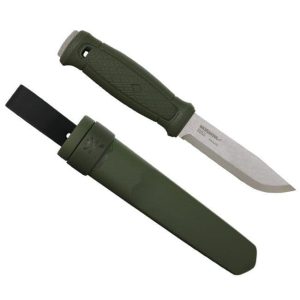
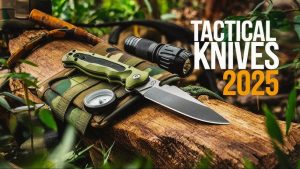
Multi-tools combine various functions in one compact device. They include pliers, scissors, screwdrivers, and knives. A strong fixed-blade knife is vital for cutting, carving, and protection. Choose blades made from high-quality stainless steel for durability. Keep blades sharp and clean to ensure effectiveness. Folding knives offer safety and portability but may be less sturdy than fixed blades.
Fire Starting Tools
Fire is crucial for warmth, cooking, and signaling. Pack waterproof matches or a reliable lighter for quick fire starts. Carry a ferrocerium rod for sparks in wet conditions. Include fire starters like cotton balls soaked in petroleum jelly. Store fire tools in a dry, easy-to-access container. Practice using these tools before emergencies occur.
Lighting Solutions
Proper lighting improves visibility and safety at night. Compact LED flashlights are energy-efficient and bright. Headlamps free up your hands for tasks in the dark. Carry extra batteries or a solar charger for backup power. Glow sticks can provide light without batteries but are less bright. Always check your lighting gear regularly to ensure it works properly.
Clothing And Personal Items
Choosing the right clothing and personal items for your survival kit can make a huge difference when you face unexpected situations. These essentials not only protect you from the environment but also help maintain your health and comfort. Think about what you truly need to stay safe and functional, rather than packing everything you own.
Weather-appropriate Clothing
Your survival kit should include clothing that matches the climate where you are most likely to be. Layering is key—start with moisture-wicking base layers to keep sweat away from your skin. Add insulating layers like fleece or wool to trap heat, and finish with a waterproof and windproof outer shell.
Consider packing:
- A sturdy pair of waterproof boots
- A warm hat and gloves for cold weather
- Lightweight, breathable clothes for hot climates
- A change of socks—wet feet can lead to serious problems
Have you ever been caught unprepared in bad weather? You’ll understand how vital the right clothing is when your body temperature drops or you’re soaked through. Prioritize versatility and durability to get the most from your clothing choices.
Personal Hygiene Items
Keeping clean in survival situations can be tough, but neglecting hygiene can lead to infections and illness. Pack compact, easy-to-use items that help you stay clean without taking up much space.
Essentials to include:
- Biodegradable soap for washing hands and body
- A small toothbrush and toothpaste
- Travel-sized wet wipes for quick cleaning
- Sanitary supplies tailored to your needs
- A compact towel or microfiber cloth
Imagine being stuck outdoors for days with no way to clean your hands before eating—how would you feel? Including hygiene items in your kit ensures you protect your health and morale. Small, thoughtful additions can make a big difference in tough conditions.

Credit: www.amazon.com
Specialty Items For Specific Needs
Specialty items in your survival kit address unique needs that general supplies might not cover. These items ensure everyone in your group stays safe and comfortable, especially those with specific requirements. Think beyond basics—what will truly support your loved ones when the unexpected happens?
Items For Children And Pets
Children and pets need more than just food and water; they require comfort and safety too. Pack familiar toys or blankets to ease anxiety and maintain a sense of normalcy. Don’t forget child-friendly snacks, diapers, wipes, and any medications specific to your kids.
For pets, carry leash, collar, and a sturdy carrier or crate. Include enough pet food, water, and portable bowls. Also, add a pet first aid kit and waste bags to keep things clean and manageable.
Additional Items For Long-term Survival
Long-term survival calls for items that sustain you beyond a few days. Include water purification tools like filters and tablets to ensure a continuous safe water supply. Stock up on seeds for growing food if you have space and time.
Consider multi-purpose tools and sturdy cookware that can handle extended use. Extra batteries, solar chargers, and durable clothing help maintain comfort and utility over weeks or months. What would you need to keep going if help took a while to arrive?
Packing Tips And Maintenance
Packing and maintaining a survival kit takes careful attention. A well-organized kit helps you find items quickly during emergencies. Regular updates ensure everything stays useful and ready to use. Keeping your kit in good shape can save time and stress when you need it most.
Organizing Your Kit
Start with a clear layout. Group items by type or purpose. Use small bags or containers inside your main kit. Label each section for quick access.
- Separate food, water, and medical supplies.
- Keep tools and batteries in another section.
- Use waterproof bags to protect important items.
Place frequently used items near the top. Heavy items should go at the bottom. This balance helps keep your kit stable and easy to carry.
Regular Kit Updates And Checks
Check your survival kit every three to six months. Look for expired food and medicines. Replace old batteries and damaged tools.
Test equipment like flashlights and radios. Make sure everything works properly. Write the date of your last check inside the kit.
Adjust your kit based on changing needs. Add new items if your environment or situation changes. Remove things you no longer need.
Frequently Asked Questions
What Are Essential Items For A Survival Kit?
Essential items include water, non-perishable food, first aid supplies, fire starters, and a multi-tool. These basics ensure safety, hydration, and the ability to address emergencies effectively.
How Much Water Should I Pack In A Survival Kit?
Pack at least one gallon of water per person per day. This amount covers drinking, cooking, and basic hygiene for survival situations.
Why Include A First Aid Kit In A Survival Kit?
A first aid kit helps treat injuries quickly, preventing infections and complications. It is crucial for managing cuts, burns, and minor wounds during emergencies.
What Tools Are Necessary In A Survival Kit?
Include a knife, multi-tool, flashlight, and fire starter. These tools aid in shelter building, food preparation, and signaling for help.
Conclusion
Packing a survival kit saves lives in emergencies. Choose items that meet your basic needs: water, food, warmth, and safety. Keep the kit small but complete. Check and update it regularly. Being prepared gives peace of mind. Stay ready for any unexpected situation.
Your safety depends on what you carry. Simple tools can make a big difference. Start packing today to stay safe tomorrow.