How Does a Hurricane Survive at Night: Unveiling Nature’s Fury
Have you ever wondered how hurricanes continue their fierce journey even when the sun sets? You might think that the absence of sunlight could weaken these powerful storms, but that’s not the case.
Hurricanes are like unstoppable forces of nature, and their ability to thrive at night is nothing short of fascinating. You’ll discover the secrets behind a hurricane’s nighttime endurance. We’ll unravel the mysteries of how these storms harness energy even in the dark, keeping you on the edge of your seat as we dive into the science and awe-inspiring power that fuels them.
Keep reading to uncover the hidden dynamics that make hurricanes relentless, day or night.
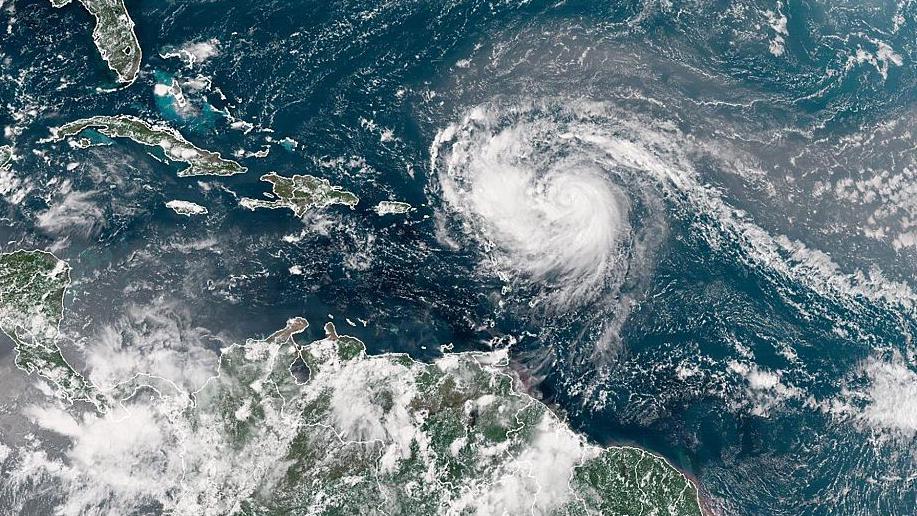
Credit: abcnews.go.com
Hurricane Basics
Hurricanes are large storms with strong winds and heavy rain. They form over warm ocean water.
At night, hurricanes keep moving and growing. They do not need sunlight to survive.
Formation And Structure
Hurricanes start as small storms over warm water. They grow as the water evaporates into the air.
The storm has a center called the eye. Around the eye, strong winds and rain spiral outward.
- The eye is calm and clear
- The eye wall has the strongest winds
- Rainbands stretch far from the center
Energy Sources
Hurricanes get energy from warm ocean water. The heat causes water to turn into vapor.
As the vapor rises, it cools and forms clouds. This process releases heat, which fuels the storm.
- Warm water must be at least 79°F (26°C)
- Heat from water keeps the storm alive day and night
- Strong winds pull more warm air into the storm
Daytime Vs. Nighttime Dynamics
Hurricanes change their behavior from day to night. These changes affect how they survive and grow. Understanding these differences helps explain how hurricanes keep their strength after dark.
Two main factors influence a hurricane’s survival: temperature effects and atmospheric changes. Each plays a key role in how the storm behaves during the day and at night.
Temperature Effects
During the day, sunlight heats the ocean surface. Warm water gives energy to the hurricane. At night, the ocean cools slightly because of the lack of sunlight. But the water stays warm enough to feed the storm.
- Daytime warmth fuels strong winds and rain.
- Nighttime cooling slows energy input but does not stop it.
- Warm ocean layers keep the hurricane alive overnight.
Atmospheric Changes
The atmosphere around the hurricane shifts between day and night. Air pressure and wind patterns change. These changes affect the storm’s shape and strength.
| Time | Atmospheric Condition | Effect on Hurricane |
| Daytime | Higher convection and stronger winds | Increases storm growth |
| Nighttime | Lower convection, stable air layers | Maintains storm strength, slows growth |
Heat Retention Mechanisms
Hurricanes need warm air to keep their energy. At night, they keep heat in special ways. These ways help the storm stay strong even without sunlight.
Two main factors help hurricanes hold heat: the ocean and a process called latent heat release. Both work together to keep the hurricane alive during the night.
Ocean’s Role
The ocean acts like a giant heater for hurricanes. During the day, the sun warms the surface water. At night, the ocean slowly releases this stored heat into the air.
This warm air above the ocean feeds the hurricane with energy. The ocean’s heat helps keep the storm’s winds strong and its clouds thick, even when there is no sunlight.
Latent Heat Release
Latent heat release happens when water vapor turns into liquid water in storm clouds. This change releases heat into the air.
This heat release warms the air inside the hurricane. It helps keep the storm’s energy high and supports strong wind and rain, even at night.
- Water vapor rises in the hurricane’s clouds
- It cools and changes into liquid droplets
- Heat is released during this change
- The released heat warms the air, feeding the storm
Wind Patterns At Night
Hurricanes keep moving even at night. Their wind patterns change but stay strong. Nighttime wind helps hurricanes survive.
Understanding wind patterns shows how hurricanes keep their power. The wind moves in special ways inside the storm.
Cyclonic Circulation
Cyclonic circulation means winds spin around the center of the hurricane. This spinning keeps the storm alive.
At night, the winds still spin in the same direction. This spinning pulls warm air up, which fuels the hurricane.
- Winds rotate counterclockwise in the Northern Hemisphere
- Spinning lifts warm, moist air from the ocean
- This air cools and forms clouds and rain
Vertical Wind Shear
Vertical wind shear is the change in wind speed or direction at different heights. It can affect hurricane strength.
At night, low vertical wind shear helps the hurricane stay strong. High shear can tear the storm apart.
- Low shear means winds are similar at all levels
- High shear means winds change a lot between low and high altitudes
- Low shear supports steady hurricane growth
Storm Intensity And Night Survival
Hurricanes can stay strong even during the night. Their power depends on how their inner parts behave. Understanding this helps us know how storms survive dark hours.
The storm’s eye wall and rainbands play key roles. These parts control wind speed and rainfall. They also affect how the storm keeps its energy while it is dark outside.
Eye Wall Behavior
The eye wall is the ring of strong winds around the calm eye of the hurricane. It holds the highest wind speeds and heavy rain. At night, the eye wall can keep spinning fast.
- The eye wall pulls warm, moist air from the ocean.
- This air fuels the storm’s strength continuously.
- Cooling at night does not stop the warm air flow.
- The eye wall can even get tighter, making the storm stronger.
Rainband Activity
Rainbands are bands of heavy rain and thunderstorms that circle the eye wall. They help spread the storm’s energy outward. Their activity changes during the night.
| Rainband Feature | Daytime Activity | Nighttime Activity |
|---|---|---|
| Thunderstorm Strength | Strong due to sunlight heating | Remains strong using stored energy |
| Rainfall Intensity | Heavy with warm air | Heavy but can vary |
| Wind Patterns | Consistent and strong | May shift but stays powerful |
Technological Insights
Hurricanes continue to survive and change during the night. Scientists use technology to watch and study them closely. These tools help track the storm’s strength and path.
Technology helps us understand how hurricanes behave in darkness. It gives clear views and data, even without sunlight.
Satellite Monitoring
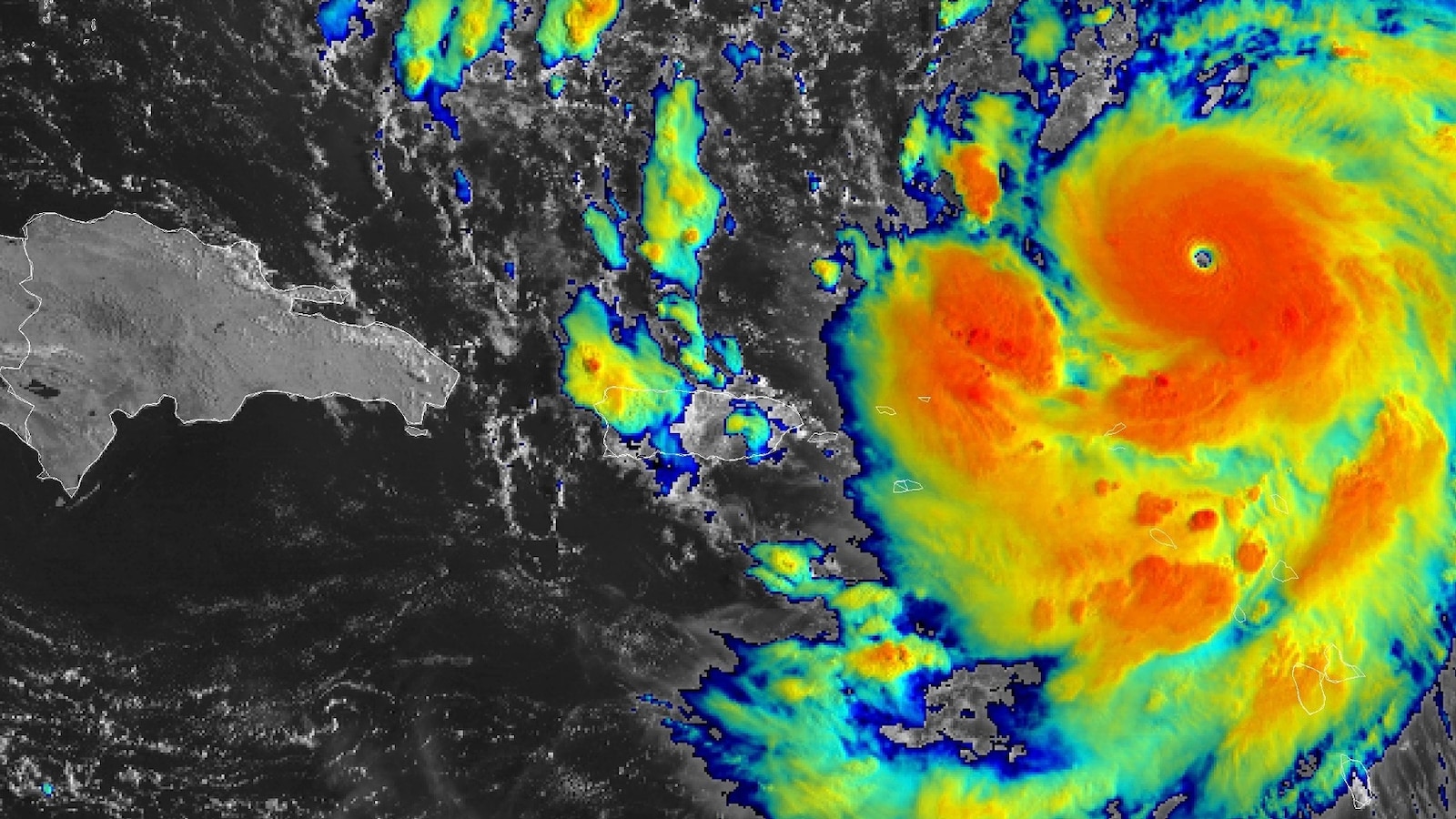
Satellites orbit high above Earth and send pictures of hurricanes. They work day and night, using special sensors to see through clouds.
Infrared sensors detect heat from the storm. This shows the hurricane’s eye and strong parts at night. Satellites track changes in size and movement.
- Provide real-time images 24/7
- Use infrared to see temperature differences
- Track storm speed and direction
- Help predict future paths
Radar Observations
Radar sends radio waves that bounce off rain and clouds inside hurricanes. This helps measure rain intensity and storm structure at night.
Ground-based radars near coasts scan incoming storms. They give detailed views of wind speeds and rain bands as the hurricane approaches land.
- Detect rainfall and wind patterns
- Track eye wall and rain bands
- Provide data for short-term warnings
- Help emergency teams prepare
Impacts On Forecasting
Hurricanes change a lot at night. These changes affect how we forecast their path and strength. Understanding these changes helps meteorologists give better warnings.
Nighttime changes can make forecasting harder. This is because hurricanes behave differently without sunlight. Forecasters use special tools to track these changes.
Predicting Nighttime Changes
At night, hurricanes often grow stronger or shift their structure. Cooler air near the surface and warmer air higher up can change the storm’s shape. This makes it tricky to predict exactly what will happen.
- Storms can intensify due to less daytime wind shear.
- Eye walls may contract, making the storm stronger.
- Cloud patterns can change, affecting wind speed forecasts.
- Temperature differences in the atmosphere shift rapidly.
Emergency Preparedness
Because nighttime changes are hard to forecast, emergency plans must be flexible. People should be ready for sudden changes in storm strength or path during the night.
| Emergency Action | Reason |
| Stay alert for new updates | Storm can strengthen suddenly |
| Keep emergency supplies ready | Power outages may happen at night |
| Have a safe shelter plan | Wind direction can change quickly |
| Follow local authority instructions | Evacuation orders may change |

Credit: www.reuters.com

Credit: m.youtube.com
Frequently Asked Questions
How Does A Hurricane Maintain Energy At Night?
Hurricanes maintain energy at night by drawing heat from the ocean’s warm surface waters. This heat fuels the storm’s convection and wind. Without sunlight, the ocean’s stored warmth sustains the hurricane’s power and structure through nighttime hours.
Why Don’t Hurricanes Weaken After Sunset?
Hurricanes don’t weaken after sunset because they rely on ocean heat, not sunlight. The warm water below provides continuous energy. This heat keeps the storm’s core strong, allowing it to survive and even intensify during the night.
What Role Does Ocean Temperature Play At Night?
Ocean temperature plays a crucial role by supplying heat to the hurricane. Warm waters near the surface keep the storm energized. At night, this heat transfer continues, preventing the hurricane from losing strength when sunlight is absent.
Can Hurricanes Intensify During Nighttime Hours?
Yes, hurricanes can intensify at night. Without sunlight, the ocean’s heat is still available. This ongoing energy source can cause a hurricane to strengthen, especially if atmospheric conditions are favorable.
Conclusion
Hurricanes keep their power even in the dark of night. Warm ocean water fuels their strength all day and night. Clouds and winds stay strong, moving energy around. Nighttime does not stop the storm’s fierce force. Scientists watch these storms closely to understand them better.
Knowing how hurricanes survive helps people stay safe. Nature’s power is both amazing and dangerous. Staying informed saves lives when storms approach. Always respect the strength of hurricanes, day or night.