Can Gorillas Survive Cold Weather: Shocking Truth Revealed!
Imagine standing in a lush, green forest, surrounded by the gentle rustle of leaves and the distant call of exotic birds. Now, picture a sudden chill in the air, the kind that makes you instinctively pull your jacket tighter around you.
But what if you were a gorilla, a creature not accustomed to frosty winds and biting cold? Have you ever wondered how these majestic creatures cope when temperatures drop? Gorillas, with their thick fur and strong bodies, seem like they could handle just about anything nature throws their way.
But cold weather? That’s a different story. In this blog post, you’ll discover the surprising ways gorillas adapt to chillier climates and why their survival strategy is more fascinating than you might think. By the end, you’ll not only have a deeper appreciation for these incredible animals but also a newfound understanding of how they, much like us, need to adapt to thrive in changing environments. So, are you ready to explore the chilly side of gorilla life? Let’s dive in!
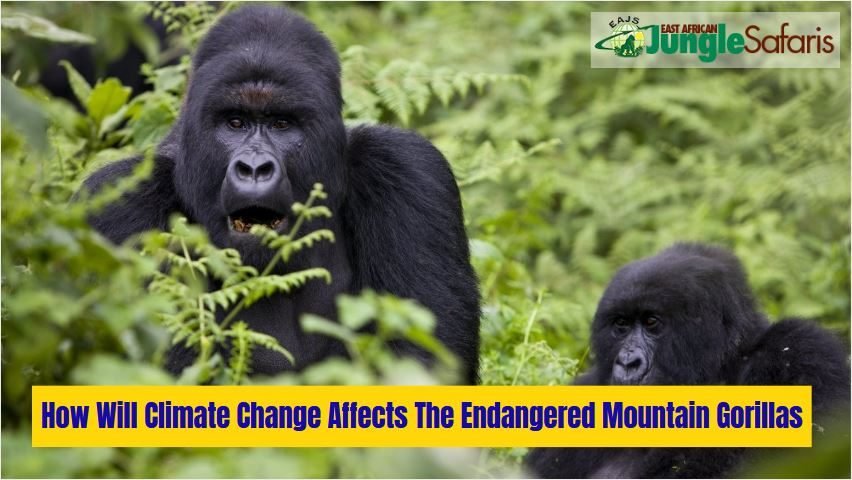
Credit: eastafricanjunglesafaris.com
Gorilla Habitats And Climate
Gorillas live in different parts of Africa. Their homes vary from dense forests to mountain regions. The climate in these areas affects their daily lives and survival.
Understanding the natural living conditions and temperature ranges helps us see if gorillas can handle cold weather.
Natural Living Conditions
Gorillas mostly live in tropical forests. These forests have thick trees, lots of plants, and fresh water. Mountain gorillas live at high altitudes where the air is cooler.
- Lowland gorillas live in warm, wet rainforests.
- Mountain gorillas live in cooler, misty mountain forests.
- Gorillas build nests on the ground or in trees to stay safe.
- Dense forests protect them from strong winds and cold.
Temperature Ranges In Habitats
Temperatures where gorillas live change by habitat type. Lowland areas stay warm all year. Mountain areas get colder, especially at night.
| Habitat Type | Average Temperature (°C) | Temperature Range (°C) |
| Lowland Forest | 24 – 27 | 20 – 30 |
| Mountain Forest | 13 – 18 | 5 – 20 |
Mountain gorillas survive cooler nights by growing thick fur. They also huddle together to keep warm. Lowland gorillas do not need thick fur because the weather is warm.

Credit: neprimateconservancy.org
Gorilla Adaptations To Temperature
Gorillas live in many places with different weather. Some live where it is warm. Others face cold temperatures.
They have special ways to stay warm and survive. These ways include their body features and how they act.
Physical Traits For Warmth
Gorillas have thick fur that helps keep their body heat. Their fur covers most of their body except the face, hands, and feet.
- Dense hair traps warm air close to the skin.
- Large body size reduces heat loss.
- Short ears and noses limit heat escaping.
- Strong muscles help generate body heat.
Behavioral Adjustments
Gorillas change how they act to stay warm in cold weather. They use their environment and their group to protect themselves.
| Behavior | How it Helps |
| Huddling together | Shares and keeps body heat |
| Building nests with leaves | Creates warm sleeping spots |
| Moving slowly | Conserves energy and warmth |
| Seeking sunlight | Absorbs heat from the sun |
Effects Of Cold On Gorilla Health
Gorillas live mostly in warm and tropical areas. Cold weather can affect their health in many ways. Understanding these effects helps us know how they survive harsh climates.
This article explains how cold affects gorillas’ bodies and the risks they face when exposed to low temperatures.
Physiological Responses
Gorillas have natural ways to handle cold weather. Their thick fur helps keep them warm. They also reduce activity to save energy. When cold, their bodies may slow down to keep heat.
- Thicker fur grows in colder months
- They huddle together to share body heat
- Lower activity helps conserve energy
- Blood flow to skin reduces to keep core warm
Risks Of Cold Exposure
Cold weather can harm gorillas if they stay outside too long. Their immune systems may weaken. They can get illnesses like pneumonia or frostbite.
| Risk | Effect |
| Hypothermia | Body temperature drops dangerously low |
| Frostbite | Skin and tissue damage on extremities |
| Respiratory Infections | Coughs and pneumonia due to cold air |
| Weakened Immunity | More likely to get diseases |
Case Studies Of Gorillas In Cold Environments
Gorillas usually live in warm places. They are not built for cold weather. Still, some gorillas have faced cold climates.
This article looks at examples of gorillas living in cooler places. It shows how they survive and adapt.
Captive Gorillas In Cooler Climates
Many zoos keep gorillas in places with cold winters. These gorillas wear thick fur to stay warm. But zoos help by giving heated shelters.
Staff watch gorillas closely during cold days. They add extra blankets and heating lamps. Gorillas also spend more time inside.
- Heated indoor spaces protect from frost
- Extra food helps maintain energy
- Blankets and heat lamps add warmth
- Regular health checks prevent cold stress
Wild Gorillas Facing Unusual Cold
Wild gorillas usually live in mild mountain forests. Sometimes, these areas get colder than usual. Gorillas respond by huddling together for warmth.
They also eat more to keep their bodies warm. Some groups move to lower areas with less cold during winter months. This helps them survive harsh weather.
- Group huddling conserves body heat
- Increased food intake boosts energy
- Seasonal movement to warmer spots
- Thicker fur grows in colder months
Comparing Gorillas To Other Primates
Gorillas live mostly in tropical forests. They face different weather than some other primates. Comparing their cold tolerance to other primates helps us understand their survival needs.
Some primates live in cooler places and have ways to handle cold. We will look at how gorillas compare to these primates in cold weather.
Cold Tolerance Levels
Gorillas have thick fur but less than some cold-climate primates. Their bodies are not made for freezing temperatures. Other primates, like Japanese macaques, have thicker fur and fat layers.
| Primate | Habitat Temperature | Fur Thickness | Fat Layer |
| Gorilla | Warm tropical | Moderate | Low |
| Japanese Macaque | Cold temperate | Thick | High |
| Chimpanzee | Tropical | Thin | Low |
| Gelada Baboon | High altitude | Thick | Moderate |
Survival Strategies
Gorillas use some ways to stay warm but not like cold-weather primates. They stay in groups to share heat and rest during cold times. Other primates have more ways to survive cold.
- Gorillas eat more leaves and stems to get energy.
- Japanese macaques soak in hot springs to warm up.
- Gelada baboons have thick fur and huddle closely.
- Chimpanzees build nests to protect from cold winds.
Implications For Gorilla Conservation
Gorillas live in forests with mild temperatures. Cold weather can be hard for them. Understanding this helps protect gorillas better.
Climate changes bring colder weather to some gorilla homes. This affects their survival and needs to be studied.
Climate Change Challenges
Climate change causes unusual cold spells in gorilla habitats. These animals are not made for very cold weather. It can lower their chances to find food and stay warm.
Cold weather can cause stress and illness in gorillas. It also affects the plants they eat. This makes survival harder for them.
- Unpredictable cold spells
- Reduced food availability
- Higher risk of sickness
- Stress from changing habitat
Habitat Protection Measures
Protecting gorilla homes helps them survive cold weather. Forests keep the temperature stable and provide food. Preserving these areas is very important.
Creating safe zones and stopping deforestation helps gorillas. It also supports plants and animals they depend on. These actions improve their chances to live through cold times.
- Stop cutting down forests
- Protect food plants
- Create wildlife corridors
- Monitor gorilla health

Credit: www.fauna-flora.org
Frequently Asked Questions
Can Gorillas Survive In Cold Weather Conditions?
Gorillas are adapted to mild tropical climates and struggle in cold weather. They lack thick fur and fat layers, making cold survival difficult. They prefer dense forests with stable temperatures, not extreme cold environments.
What Adaptations Help Gorillas Manage Cooler Temperatures?
Gorillas have thick skin and some body hair that provide minimal insulation. They huddle together for warmth and stay in sheltered areas during cooler periods. However, these adaptations are insufficient for prolonged exposure to cold weather.
Do Gorillas Live In Snowy Or Icy Habitats?
No, gorillas are native to tropical African forests where snow and ice are rare. They avoid high-altitude regions with extreme cold, preferring warmer, stable environments for survival and comfort.
How Does Cold Weather Affect Gorilla Behavior?
In colder weather, gorillas reduce activity to conserve energy and seek shelter. They increase social huddling for warmth and may change nesting habits. Prolonged cold stress can impact their health negatively.
Conclusion
Gorillas live mostly in warm forests and mountains. Their thick fur helps them stay warm. Cold weather can be hard for them to handle. They need shelter and food to survive cold times. Gorillas do not live in very cold places naturally.
They adapt best to mild or warm climates. Protecting their homes helps keep gorillas safe and healthy. Understanding their needs shows how nature works. It reminds us to care for all animals carefully.