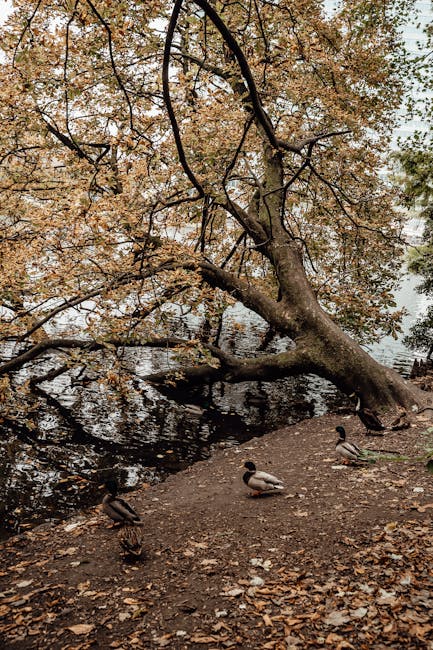
How Do Ducks Survive Hurricanes: Incredible Nature’s Secrets Revealed
Have you ever wondered how ducks manage to survive the wrath of a hurricane? These seemingly delicate creatures face nature’s fiercest storms with remarkable resilience.
If you’ve ever marveled at the tenacity of wildlife, you’re in for a fascinating exploration. You’ll uncover the secrets behind ducks’ incredible survival skills during hurricanes. We’ll dive into their instinctive behaviors, physical adaptations, and the surprising strategies they use to weather these powerful storms.
By the end, you’ll have a newfound appreciation for these feathered survivors and a deeper understanding of how nature equips its creatures to handle the most daunting challenges. Prepare to be amazed by the incredible survival story of ducks in hurricanes.
Credit: www.sunherald.com
Ducks’ Natural Instincts
Ducks have strong natural instincts that help them survive during hurricanes. These instincts guide their actions to stay safe from storms.
By using their senses and behaviors, ducks can avoid danger and find shelter until the storm passes.
Migration Patterns
Ducks often migrate to warmer, safer places before hurricane season starts. Migration helps them avoid strong winds and heavy rain.
They follow familiar routes to find food and shelter along the way. This helps them stay healthy and safe during bad weather.
- Ducks fly to southern areas with milder weather
- They travel in groups for safety and navigation
- Migration timing depends on weather signals and daylight
- Some ducks stay but move to safer local spots
Sheltering Behaviors
Ducks find natural shelters like thick bushes, tall grasses, or dense trees to hide from storms. These places protect them from wind and rain.
They also float on water in calm areas to avoid strong currents. Ducks tuck their heads and stay still to save energy during the storm.
- Use dense vegetation for wind protection
- Choose calm water spots away from waves
- Group together to share warmth and safety
- Stay quiet and still to avoid attracting predators

Credit: bou.org.uk
Physical Adaptations
Ducks have special body features that help them survive hurricanes. These features keep them safe and strong during storms.
Two important physical adaptations are their waterproof feathers and strong flight muscles. These help ducks stay dry and fly well in bad weather.
Waterproof Feathers
Ducks have feathers coated with oil that repels water. This oil keeps their bodies dry even in heavy rain and strong winds.
- Oil comes from a gland near their tails
- They spread the oil by preening their feathers
- Water rolls off their bodies, keeping them warm
- Dry feathers help ducks float on water safely
Strong Flight Muscles
Ducks use strong flight muscles to fly through tough winds. These muscles give them power and control during storms.
| Muscle Type | Function |
| pectoralis major | Downstroke for lift and thrust |
| supracoracoideus | Upstroke for wing recovery |
| flight muscles overall | Help maintain steady flight in wind |
Finding Safe Habitats
Ducks face many dangers during hurricanes. Finding safe places helps them survive strong storms.
They look for habitats that protect them from wind, water, and flying debris.
Choosing Shelter Locations
Ducks pick shelter spots that give cover and safety. They avoid open areas where wind hits hard.
- High ground to avoid flooding
- Dense bushes or tall grasses for wind protection
- Near water for quick escape if needed
- Quiet places with little human activity
Use Of Wetlands And Forests
Wetlands and forests offer natural shelters that help ducks survive hurricanes.
| Habitat | Protection Type | Benefits for Ducks |
| Wetlands | Water buffer | Reduce flood impact, provide food |
| Forests | Wind shield | Blocks strong winds, offers cover |
Weather Detection Abilities
Ducks have special ways to sense changes in the weather. These skills help them survive dangerous storms like hurricanes.
Understanding how ducks detect weather helps us learn how they stay safe during strong winds and heavy rain.
Sensitivity To Atmospheric Changes
Ducks can feel small changes in air pressure and humidity. Their bodies react when the weather starts to change.
These changes tell ducks that a storm is coming. They use this information to prepare and find shelter early.
Early Warning Mechanisms
Ducks watch the sky and notice shifts in wind direction and sound. These signs warn them of an approaching hurricane.
They may change their behavior, like flying to safer areas or gathering in groups for protection.
- Listening to distant thunder or strong winds
- Feeling pressure drops before a storm
- Observing dark clouds and sudden weather shifts
- Moving to dense cover or higher ground
Group Survival Strategies
Ducks use group strategies to survive hurricanes. They rely on each other for safety and support.
Staying together helps them avoid danger and find shelter during strong storms.
Flocking Behavior
Ducks form flocks to protect themselves. Flying in groups lowers the risk of attacks and injury.
- Flocks confuse predators by moving as one.
- They share information about safe places.
- Group warmth helps them stay alive in cold weather after storms.
- Flying close saves energy and improves navigation.
Coordinated Movements
Ducks move in sync to face hurricane challenges. This helps them avoid strong winds and rain.
| Movement Type | Purpose |
| V-Formation Flying | Reduces wind resistance and saves energy |
| Simultaneous Landing | Finds safe water bodies quickly |
| Group Takeoff | Escapes danger fast |
| Close Swimming | Maintains warmth and safety on water |
Human Impact And Conservation
Ducks face many challenges during hurricanes. People have changed their homes and food sources. Conservation helps ducks survive these storms.
Humans can protect duck habitats and help wildlife during storms. This support is important for duck survival.
Habitat Protection Efforts
Protecting wetlands and natural areas keeps ducks safe. These habitats provide food and shelter during hurricanes.
People work to reduce pollution and stop land loss. This helps maintain clean water and strong habitats for ducks.
- Preserving wetlands prevents flooding and erosion
- Restoring natural areas increases shelter options
- Reducing pollution keeps water safe for ducks
- Creating protected zones limits human disturbance
Supporting Wildlife During Storms
People help ducks by providing food and safe places during storms. Rescue teams sometimes save injured birds.
Volunteers watch duck populations and report problems. Emergency plans help protect wildlife before storms arrive.
- Set up feeding stations in safe areas
- Create shelters to protect ducks from wind and rain
- Rescue and care for injured or lost ducks
- Monitor populations to track storm impact
- Prepare emergency response plans for wildlife

Credit: www.youtube.com
Frequently Asked Questions
How Do Ducks Sense Hurricanes Approaching?
Ducks detect changes in air pressure and weather patterns. They use natural instincts to recognize incoming storms early. This helps them prepare by seeking safe shelter.
Where Do Ducks Find Shelter During Hurricanes?
Ducks seek high ground, dense vegetation, or sheltered waters. They avoid open spaces and strong winds. These safe spots protect them from flooding and debris.
Can Ducks Fly Away To Escape Hurricanes?
Yes, ducks can fly to safer areas. Their strong wings allow quick migration from storm zones. However, intense hurricanes may limit their flight options.
What Adaptations Help Ducks Survive Hurricane Conditions?
Ducks have waterproof feathers and strong legs for swimming. Their ability to float helps them endure flooding. These adaptations increase their chances of survival during storms.
Conclusion
Ducks use their strong wings to fly away from storms fast. They find safe places like dense trees or tall grass. Staying close to water helps them stay calm and fed. Their feathers protect them from cold rain and wind.
These natural habits help ducks survive harsh hurricanes. Watching ducks adapt shows nature’s power and wisdom. They remind us how life finds ways to keep going. Ducks face storms with strength and smart choices. Their survival skills inspire respect for wildlife’s resilience.