Can a Aircraft Carrier Survive a Hurricane? Shocking Truth Revealed
Imagine you’re standing on the deck of a massive aircraft carrier, surrounded by endless ocean. Suddenly, the sky darkens, and the wind begins to howl.
A hurricane is on the horizon. You might wonder, can this colossal ship, a marvel of human engineering, withstand nature’s most powerful storm? It’s a question that sparks curiosity and concern, especially if you have a love for the sea or a keen interest in military technology.
We’ll explore the remarkable design and strength of aircraft carriers, and whether they have what it takes to survive a hurricane. Stay with us as we unravel the secrets behind these floating fortresses and discover how they are prepared for the worst that Mother Nature can unleash.
Aircraft Carrier Design And Durability
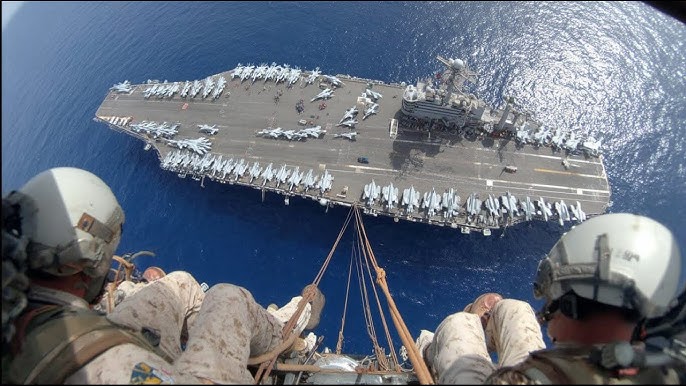
Aircraft carriers are large ships built to carry planes and operate at sea. They must handle tough weather like hurricanes. Their design helps them stay safe and strong.
These ships use special features and materials to survive strong winds and heavy waves. This article looks at how their design keeps them durable.
Structural Strength
Aircraft carriers have a strong frame to resist damage from storms. Their hull is thick and reinforced to handle rough seas. The ship’s shape helps it cut through waves smoothly.
Inside, bulkheads divide the ship into sections. This design stops water from flooding the entire ship if one part is damaged. The deck is built to hold heavy planes and equipment safely.
- Reinforced steel hull
- Watertight bulkheads
- Rounded bow for wave cutting
- Strong flight deck structure
Weather-resistant Features
Carriers have systems to protect against rain, wind, and salt spray. They use special coatings to stop rust and corrosion. The ship’s design also reduces wind pressure on its surfaces.
Advanced navigation and weather tools help crews avoid the worst parts of a hurricane. The ship can change course or speed to stay safer during storms. All doors and windows seal tightly to keep water out.
- Anti-corrosion paint and coatings
- Sealed doors and windows
- Wind-resistant superstructure
- Modern weather tracking systems
Materials Used
Aircraft carriers use tough metals like high-strength steel. These metals resist bending and breaking in strong winds and waves. The deck uses special non-slip materials for safety.
Electrical and mechanical parts are built to work in wet and salty conditions. Insulation and seals protect sensitive equipment from water damage. These materials help the ship last a long time.
- High-strength steel alloys
- Non-slip deck surfaces
- Waterproof seals and insulation
- Corrosion-resistant metals

Credit: news.yahoo.com
Hurricane Characteristics And Challenges
Hurricanes are powerful storms with strong winds and heavy rains. They create many challenges for ships at sea.
Aircraft carriers face tough conditions during hurricanes. Understanding these challenges helps us see if they can survive.
Wind Speeds And Pressure
Hurricanes have very strong winds that can reach over 150 miles per hour. These winds push hard against ships.
Low air pressure in the storm center causes the hurricane to be more intense. It can affect a ship’s stability.
- Wind speeds can exceed 150 mph
- Strong winds create large forces on ships
- Low pressure increases storm strength
Wave Heights And Sea Conditions
Hurricanes cause huge waves that can be 30 feet or higher. These waves make the sea very rough.
Rough seas make it hard for ships to stay steady. Waves can hit the ship from different directions.
- Waves can reach up to 30 feet or more
- Strong currents push ships off course
- Choppy seas increase risk of damage
Storm Surges
Storm surges are sudden rises in sea level caused by hurricanes. They flood coastal areas and can affect ships near shore.
For aircraft carriers far at sea, storm surges are less of a problem. But near ports, surges can cause serious damage.
- Storm surges raise water levels quickly
- They flood coastlines and harbors
- Ships near shore face high risks
How Carriers Navigate Severe Storms
Aircraft carriers face many challenges at sea. One big challenge is dealing with hurricanes. These huge storms bring strong winds and big waves that can be dangerous.
Carriers use special methods to stay safe during these storms. They plan and act carefully to avoid damage and keep the crew safe.
Storm Avoidance Tactics
Carriers try to avoid the worst parts of a hurricane. The ship’s captain and crew watch the storm’s path closely. They change course to move away from the storm’s center. This helps reduce risk to the ship.
- Change route to avoid high winds
- Seek calmer waters if possible
- Delay operations until the storm passes
Speed And Maneuvering
Carriers use their speed and size to handle rough seas. They adjust their speed to lessen the impact of large waves. Turning the ship at certain angles helps keep it stable. Skilled pilots steer the carrier to avoid dangerous motions.
| Action | Effect |
| Increase speed | Reduce wave impact |
| Turn bow into waves | Improve stability |
| Slow down | Prevent heavy rolling |
Use Of Weather Forecasting
Carriers rely on weather data to make smart decisions. Modern tools predict storm paths and strength. The crew gets constant updates. This helps them plan the best route and timing to avoid danger.
- Satellite images
- Radar tracking
- Storm models and simulations
- Real-time data from nearby ships

Credit: en.clickpetroleoegas.com.br
Damage Risks During Hurricanes
Aircraft carriers face serious risks during hurricanes. Strong winds and heavy seas can cause damage.
The ship’s structure, systems, and crew safety all are challenged by harsh hurricane conditions.
Impact On Deck And Superstructure
The flight deck can suffer from flying debris and water damage. High winds may damage antennas and radar.
Loose equipment or unsecured items can become dangerous projectiles during the storm.
- Flight deck equipment may break or be washed away
- Superstructure faces stress from wind pressure
- Water can flood exposed areas on deck
- Aircraft on deck must be secured or moved below
Electronic And Communication Systems
Hurricanes can disrupt electronic systems and communication gear. Saltwater and moisture cause short circuits.
Radar and radio equipment need protection to avoid failure during storms.
- Risk of power outages or system malfunctions
- Communication may be lost with other ships or aircraft
- Backup systems must be ready in case of failure
Crew Safety Concerns
Strong winds and rough seas make it hard for crew members to move safely. Slippery decks increase fall risks.
Crew must follow strict safety procedures to avoid injuries during the hurricane.
- Secure all personnel below deck if possible
- Use safety harnesses and protective gear on deck
- Monitor crew health and stress levels closely
Historical Cases Of Hurricanes And Carriers
Aircraft carriers are large ships designed to operate in many sea conditions. Hurricanes pose a serious threat to these massive vessels. This article looks at past hurricanes that affected aircraft carriers.
We explore some notable incidents, what was learned from them, and the improvements made to help carriers survive such storms.
Notable Incidents
Several aircraft carriers have faced hurricanes over the years. One famous case is the USS Enterprise during Hurricane Hazel in 1954. The ship sailed away from the storm but still faced heavy seas.
Another incident involved the USS Abraham Lincoln in 1999. It encountered Hurricane Floyd while returning to port. The crew had to take special measures to keep the ship safe.
- USS Enterprise (1954) – encountered Hurricane Hazel
- USS Abraham Lincoln (1999) – faced Hurricane Floyd
- USS Theodore Roosevelt (2018) – navigated near Hurricane Lane
- USS George Washington (2005) – impacted by Hurricane Katrina
Lessons Learned
These incidents taught the Navy how to better prepare carriers for hurricanes. Key lessons include the importance of early storm detection and changing course to avoid the worst weather.
- Monitor weather forecasts continuously
- Choose safe routes away from hurricane paths
- Secure all equipment on deck
- Maintain communication with nearby ships and bases
- Train crew on storm procedures regularly
Improvements Made
| Improvement | Description |
| Storm Tracking Systems | Advanced radar and satellite tools to detect hurricanes early |
| Hull Design | Stronger and more flexible hulls to resist heavy waves |
| Stabilization Technology | Systems that reduce ship roll during rough seas |
| Emergency Protocols | Clear steps for crew to follow during storms |
| Training Programs | Regular drills focusing on hurricane response |
These changes help aircraft carriers survive hurricanes better today than in the past.
Technological Advances Enhancing Survival
Aircraft carriers face extreme conditions at sea. Surviving a hurricane requires strong technology.
New advances help carriers stay safe during storms. These include better hulls, stabilization, and weather tools.
Hull Reinforcements
The hull is the ship’s outer shell. It must resist strong waves and wind.
Modern carriers use thicker steel and special shapes. These reduce damage from big waves.
- High-strength steel for extra toughness
- Curved designs to cut through waves
- Multiple watertight compartments for safety
Stabilization Systems
Stabilizers keep the ship steady in rough seas. They stop the ship from rocking too much.
Aircraft carriers have advanced stabilizers below the waterline. These adjust to wave movements quickly.
- Active fins that move to balance the ship
- Gyroscopes to detect movement changes
- Computer controls to adjust stabilizers fast
Advanced Weather Monitoring
Knowing the weather helps carriers avoid storms. They use satellites and radar to track hurricanes.
Onboard weather stations give real-time updates. This helps crews make safe decisions quickly.
- Satellite images to watch storm paths
- Radar to detect heavy winds and rain
- Data systems to predict storm strength
Operational Protocols For Extreme Weather
Aircraft carriers face serious challenges during hurricanes. They follow strict rules to stay safe. These rules help protect the ship and crew.
Understanding how carriers prepare, respond, and recover from storms is key to their survival. This guide explains the main steps.
Pre-storm Preparations
Before a hurricane arrives, the crew works hard to get ready. They secure the ship and protect important equipment.
- Remove or tie down loose objects on deck
- Secure aircraft in the hangar bays
- Check all watertight doors and hatches
- Stock emergency supplies and fuel
- Brief crew on storm protocols and safety roles
Emergency Procedures
During the storm, the ship follows strict procedures to maintain safety. The crew stays alert and follows orders carefully.
| Procedure | Purpose |
| Reduce speed | Minimize impact from waves |
| Change course | Avoid the hurricane’s strongest areas |
| Secure all personnel below deck | Protect crew from injury |
| Monitor weather updates | Adjust plans as needed |
| Maintain communication with fleet | Coordinate support and share information |
Post-storm Assessments
After the hurricane passes, the crew checks the ship for damage and safety. They act fast to fix problems.
- Inspect hull and deck for damage
- Check all systems and machinery
- Report any leaks or faults
- Conduct safety drills to ensure crew readiness
- Plan repairs and resupply if needed

Credit: www.msn.com
Comparing Aircraft Carriers To Other Ships
Aircraft carriers are some of the largest ships on the ocean. They serve as floating airbases for military operations. Comparing them to other types of ships helps us understand their ability to survive storms.
Other ships, like cargo vessels or cruise liners, have different designs and purposes. These differences affect how each ship handles extreme weather like hurricanes.
Size And Stability Differences
Aircraft carriers are much bigger than most ships. They can be over 1,000 feet long and weigh tens of thousands of tons. This size gives them good stability in rough seas.
- Large size helps resist strong waves.
- Flat decks reduce rolling from side to side.
- Heavy weight lowers the center of gravity.
- Advanced ballast systems keep the ship balanced.
Vulnerability Factors
Despite their size, aircraft carriers have some weak points during hurricanes. Sensitive equipment and aircraft on deck can be damaged by strong winds. Other ships have different vulnerabilities.
| Ship Type | Key Vulnerabilities |
| Aircraft Carrier | Aircraft damage, electronic systems |
| Cargo Ship | Heavy loads shifting, hull stress |
| Cruise Ship | Passenger safety, flooding risks |
| Fishing Vessel | Small size, limited stability |
Survivability Rates
Aircraft carriers have high survivability in hurricanes due to their design and crew training. They can ride out storms better than smaller ships. Survival often depends on preparation and storm avoidance.
- Monitor weather updates constantly.
- Secure all movable equipment and aircraft.
- Adjust speed and course to avoid the storm center.
- Use ballast and stabilizers to maintain balance.
- Rely on experienced crew for emergency actions.
Frequently Asked Questions
Can An Aircraft Carrier Withstand Hurricane-force Winds?
Yes, aircraft carriers are built to endure hurricane-force winds. Their heavy displacement and strong design help them stay stable during storms.
How Do Carriers Prepare For Hurricanes At Sea?
Carriers avoid hurricanes by changing course or heading into the storm’s eye to minimize impact. They secure all equipment and personnel.
What Features Help Carriers Survive Extreme Ocean Conditions?
Carriers have reinforced hulls, advanced stabilization systems, and powerful engines. These features help them resist rough seas and maintain balance.
Can Aircraft Carriers Operate During A Hurricane?
Operations are generally paused during hurricanes for safety. Flight operations stop, and the crew focuses on storm readiness and damage control.
Conclusion
Aircraft carriers are built strong to face tough seas. They have advanced technology to steer clear of storms. Crews prepare carefully before hurricanes arrive. Still, nature’s power can challenge even the best defenses. Staying safe means smart planning and quick action.
These ships show how human skill meets nature’s force. Can they survive a hurricane? Yes, but with caution and respect for the storm’s might.