Do Fleas Survive in Cold Weather: Shocking Truth Revealed
Have you ever wondered if those pesky fleas can survive the chilly winter months? As temperatures drop, you might hope that these unwelcome guests vanish with the first frost.
But can they really? Understanding how fleas cope with cold weather could be the key to protecting your home and pets all year round. You’ll uncover surprising insights about flea survival tactics and what you can do to keep them at bay, even when it’s freezing outside.
Get ready to discover how to outsmart these tiny invaders and ensure your home remains a safe haven for you and your furry friends. Curious to learn more? Let’s dive into the icy world of fleas and unravel their secrets!
Credit: harlingenveterinaryclinic.com
Flea Biology And Cold Tolerance
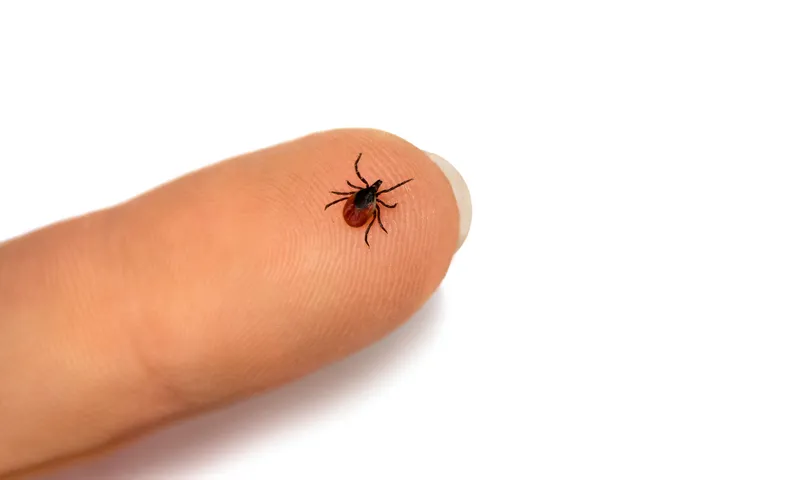
Fleas are small insects that live on animals like cats and dogs. They can cause itching and discomfort by biting their hosts.
Understanding how fleas survive cold weather helps us control their numbers better. Fleas have specific life stages that respond differently to temperature changes.
Flea Life Cycle
The flea life cycle has four stages: egg, larva, pupa, and adult. Each stage has unique features that help fleas survive in various conditions.
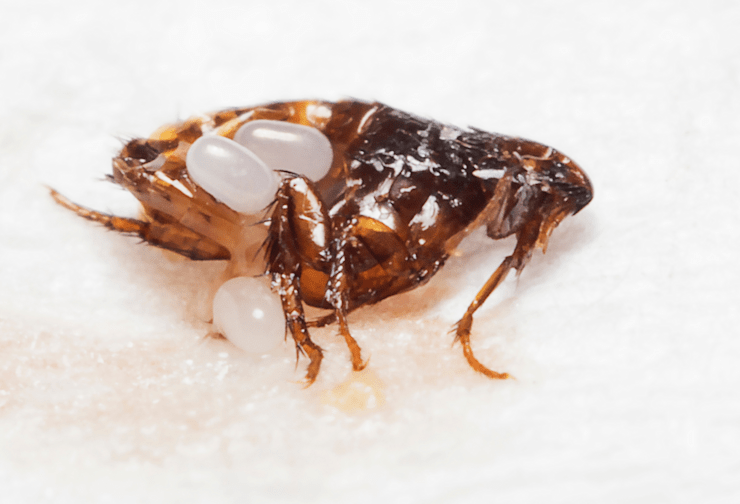
- Egg:Flea eggs are tiny and usually fall off the host into the environment.
- Larva:The larva stage is worm-like and avoids light, feeding on organic debris.
- Pupa:Pupae spin cocoons and can remain dormant for weeks or months.
- Adult:Adults live on hosts and feed on blood to reproduce.
The pupal stage is very important for cold survival. The cocoon protects fleas from harsh weather until conditions improve.
Temperature Impact On Fleas
| Temperature Range | Effect on Fleas |
|---|---|
| Below 32°F (0°C) | Fleas become inactive but can survive in pupal cocoons |
| 32°F to 50°F (0°C to 10°C) | Development slows; eggs and larvae survive in protected areas |
| Above 50°F (10°C) | Normal growth and reproduction occur |
Cold weather reduces flea activity but does not always kill them. Fleas hide in warm places like animal bedding or soil.
Fleas can survive winter inside homes or on animals. Using cold temperatures alone is not enough to remove fleas completely.
Cold Weather Effects On Fleas
Fleas are tiny insects that can cause problems for pets and people. Cold weather changes how fleas live and grow. Understanding these effects helps control fleas better.
Cold temperatures slow down flea activity. This can lower their numbers during winter months. Still, fleas can survive in some ways despite the cold.
Survival Rates In Winter
Fleas have lower survival rates in cold weather. Many fleas die if exposed to freezing temperatures for long times. Eggs and larvae are especially sensitive to cold.
Fleas often survive winter by hiding in warm places. These spots include pet bedding, carpets, and cracks in floors. Fleas stay active in these areas even when outside is cold.
- Adult fleas can survive short cold spells
- Eggs and larvae have lower survival in freezing
- Warm indoor areas help fleas live through winter
- Fleas reproduce less in cold months
Flea Behavior In Low Temperatures
In cold weather, fleas become less active. They jump and feed less often. This helps them save energy when food is scarce.
Fleas hide in protected places to avoid the cold. They stay close to animal hosts for warmth. Fleas wait for warmer temperatures to become more active again.
- Fleas reduce movement in cold weather
- They stay near pets to keep warm
- Fleas feed less but remain alive
- Activity increases with warmer temperatures
Fleas’ Adaptation Strategies
Fleas are small insects that can survive cold weather. They use special ways to stay alive when it gets cold.
These strategies help fleas hide from the cold and reduce their activity to save energy.
Hiding In Warm Environments
Fleas hide in warm places like animal fur and inside homes. These spots protect them from freezing temperatures.
They also live in places where animals rest, such as beds or nests, to stay warm during winter.
- Animal fur keeps fleas warm
- Homes provide shelter from cold
- Fleas stay near animals in winter
- They avoid open, cold areas
Reduced Activity And Reproduction
In cold weather, fleas slow down their movement. This helps them save energy and survive longer.
Fleas also lay fewer eggs during cold months. This lowers their population until warmer weather returns.
- Fleas move less to save energy
- Egg laying decreases in cold
- Population growth slows down
- Activity increases with warmth
Credit: www.itchpet.com
Common Myths About Fleas And Cold
Many people think cold weather kills fleas instantly. This idea is not always true. Fleas can survive in cold places in different ways.
Understanding how fleas react to cold helps in controlling them better. Let’s look at some common myths and facts about fleas and cold weather.
Do Fleas Die In Snow?
Snow and freezing temperatures do not always kill fleas. Fleas can hide in warm places like animal fur or inside homes. This protection helps them survive cold weather.
- Fleas lay eggs in carpets and bedding, safe from snow.
- Adult fleas can survive by staying on pets.
- Cold slows flea growth but does not stop it completely.
- Snow covers the ground, but fleas stay in sheltered spots.
Effectiveness Of Winter In Killing Fleas
Winter can reduce flea numbers but rarely eliminates all fleas. Many fleas survive in protected areas. Cold alone is not enough to control fleas completely.
| Winter Factor | Effect on Fleas |
| Outdoor Snow and Ice | Kills some fleas but many hide in warm spots |
| Indoor Heating | Keeps fleas alive inside homes |
| Cold Temperature Duration | Long cold spells reduce flea growth |
| Pet Fur Warmth | Protects fleas from freezing |
Preventing Flea Infestations Year-round
Fleas can survive cold weather better than many people think. They hide indoors where it is warm. Keeping fleas away all year helps protect your pets and home.
Use simple steps inside and outside your home. These actions stop fleas from growing and spreading. Consistent care is key to flea control in every season.
Indoor Flea Control Tips
Fleas often live inside on pets and in carpets. Clean your home regularly to reduce fleas. Vacuum floors, furniture, and pet bedding every week.
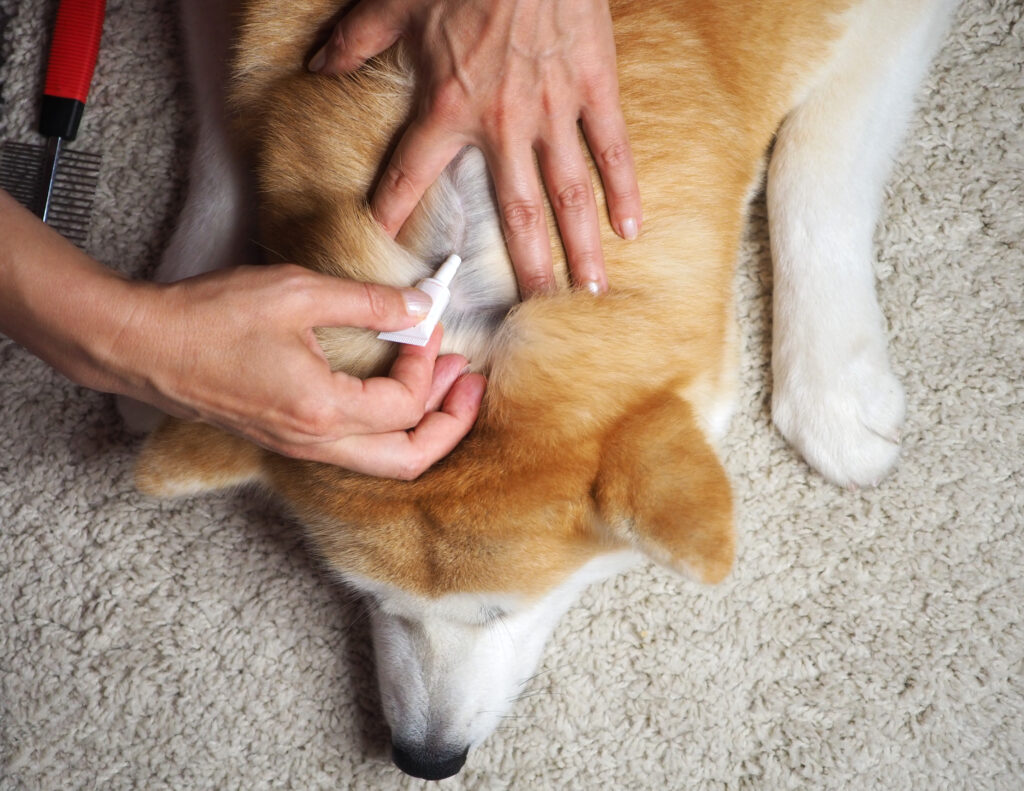
Wash pet bedding in hot water to kill flea eggs and larvae. Use flea treatments recommended by your vet on your pets. Keep pets clean and groomed to catch fleas early.
- Vacuum all floors and furniture weekly
- Wash pet beds in hot water often
- Use vet-approved flea treatments on pets
- Keep pets groomed and checked for fleas
- Seal cracks and gaps to block fleas entering
Outdoor Flea Management
Fleas live in shaded, damp outdoor areas. Keep grass trimmed and remove leaf piles. Fleas do not like dry, sunny places.
Treat your yard with safe flea control products if needed. Focus on areas where pets rest or play. Keep outdoor pet areas clean and dry to stop flea growth.
- Trim grass and bushes regularly
- Remove leaves and yard debris
- Use pet-safe flea sprays in shaded areas
- Clean pet outdoor spots frequently
- Block wild animals that may carry fleas
Credit: emeraldanimal.com
Frequently Asked Questions
Do Fleas Die In Cold Weather?
Fleas can survive cold weather by hiding in warm places like homes or on pets. Extreme cold may reduce their population but rarely kills all fleas.
How Do Fleas Survive Winter Months?
Fleas survive winter by staying in protected environments such as carpets, bedding, or animal fur where temperatures are warmer.
Can Fleas Infest Homes During Winter?
Yes, fleas can infest homes in winter by living on pets or inside warm areas, continuing their life cycle indoors.
What Temperature Kills Fleas Effectively?
Fleas die when exposed to temperatures below 32°F (0°C) for prolonged periods, but indoor warmth often prevents this from happening.
Conclusion
Fleas can survive cold weather but not extreme cold for long. They hide in warm places like pets, homes, or grass. Cold slows their activity but does not kill them all. Watch your pets carefully during winter months for fleas.
Regular cleaning and treatment help stop flea problems early. Knowing this helps protect your home and animals year-round. Stay alert and take action to keep fleas away. Cold weather alone won’t end flea issues completely.