Can Cicadas Survive Cold Weather? Shocking Truth Revealed!
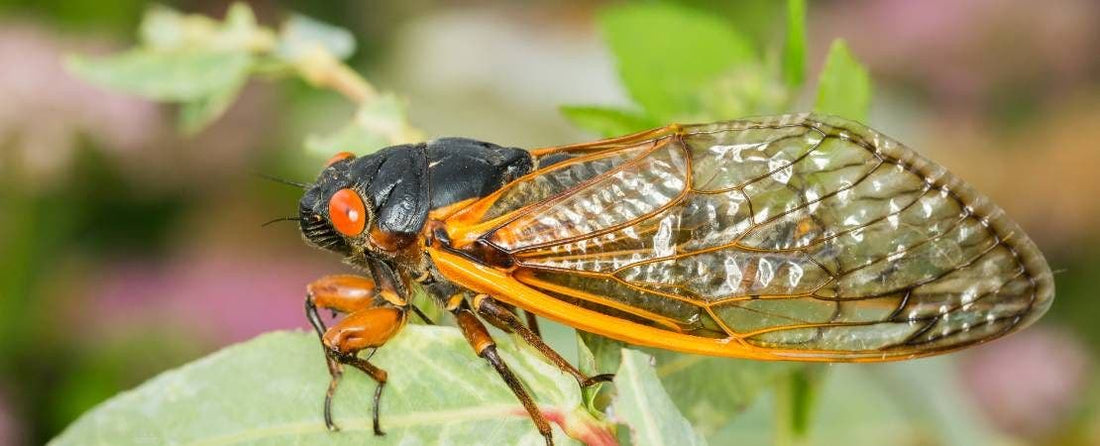
Have you ever heard that deafening hum filling the air during warm summer months? That’s the unmistakable sound of cicadas.
But what happens to these noisy insects when the temperature drops? Can cicadas survive cold weather, or do they disappear until the next heat wave? These curious questions might have popped into your mind as you prepared for the changing seasons.
Understanding how these creatures cope with chilly conditions can be fascinating and eye-opening. You’ll discover surprising facts that reveal how nature ingeniously equips cicadas to withstand the cold. Stick around to uncover the secrets behind their survival tactics. You’ll find yourself seeing these buzzing bugs in a whole new light!

Credit: www.yahoo.com
Cicada Life Cycle
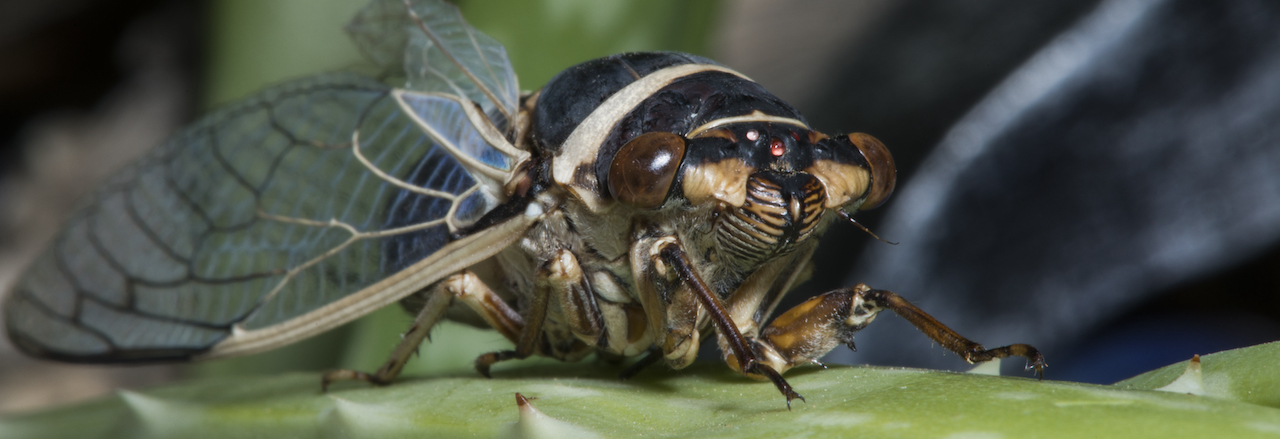
Cicadas have a unique life cycle that helps them survive cold weather. They spend most of their lives underground. Understanding each stage shows how they adapt to changing seasons.
Cold weather affects cicadas differently at each stage. Their life cycle has three main parts: egg, nymph, and adult. Each stage has special features for survival.
Egg Stage
Female cicadas lay eggs in small slits on tree branches. The eggs are tiny and protected by the tree bark. They stay safe during cold months inside the eggs.
Eggs usually hatch when the weather warms up. Cold weather slows down their development but does not kill them. This delay helps eggs survive until spring.
Nymph Development
After hatching, nymphs drop to the ground and burrow underground. They live there for several years, feeding on plant roots. The soil keeps them warm during winter.
Underground, nymphs stay safe from freezing air. They grow slowly and molt several times. This stage is long but helps cicadas survive cold weather easily.
Adult Emergence
When the soil warms, nymphs come out and shed their skin. They become adults and live above ground for a short time. Adults are active in warm weather only.
Adults do not survive cold weather well. They die before winter. The next generation stays underground as eggs or nymphs to survive the cold.
Credit: asknature.org
Cicadas And Temperature
Cicadas are insects that live in many parts of the world. Their life depends a lot on the temperature around them.
Understanding how cold weather affects cicadas helps us learn about their survival and behavior.
Preferred Climate
Cicadas like warm and mild climates. They grow best where summers are hot and winters are not very cold.
They live mostly in places with temperatures between 70°F and 90°F during their active months.
- Warm soil helps cicada nymphs grow underground
- Mild winters let adult cicadas survive longer
- Hot summers encourage cicadas to emerge and mate
Effects Of Cold On Cicadas
Cold weather can be dangerous for cicadas. Freezing temperatures may harm their bodies or slow their growth.
Some cicadas die in harsh winters, but others survive by staying underground as nymphs.
- Cold can freeze water inside cicadas, causing injury
- Deep underground soil stays warmer, helping nymphs survive
- Adult cicadas usually die if exposed to frost
- Cold slows cicada development and delays emergence
Survival Mechanisms In Cold
Cicadas face cold weather by using special survival methods. These help them stay alive during freezing times. Understanding these methods shows how insects adapt to harsh environments.
Cold weather can be deadly for many insects. Cicadas have unique ways to protect themselves. They use behavior and biological changes to survive the cold months.
Burrowing Behavior
Cicadas dig into the soil to escape cold air. The underground temperature is warmer than the surface. This helps cicadas avoid freezing during winter.
- Dig tunnels deep in the ground
- Stay below the frost line
- Use soil as insulation
- Remain inactive to save energy
Antifreeze Proteins
Cicadas produce special proteins that act like antifreeze. These proteins stop ice crystals from forming in their bodies. This keeps their cells safe from damage in cold weather.
| Function | Benefit |
| Prevent ice formation | Protect tissues from freezing |
| Lower freezing point of body fluids | Allow survival at lower temperatures |
| Stabilize cell membranes | Maintain cell function in cold |
Metabolic Adjustments
Cicadas slow down their metabolism during cold periods. This reduces energy use and helps them survive with less food. Their bodies adjust to conserve resources until warm weather returns.
- Reduce movement and activity
- Lower heart rate and breathing
- Store energy as fat
- Use energy slowly to last winter
Species Variation In Cold Tolerance
Cicadas live in different climates around the world. Their ability to survive cold weather varies by species. Some cicadas handle cold well, while others do not.
Understanding these differences helps us learn how cicadas adapt. Cold tolerance depends on where cicadas evolved and live now.
Temperate Zone Cicadas
Temperate zone cicadas experience cold winters. They have special ways to survive freezing temperatures. Many spend winter underground as nymphs.
These cicadas produce chemicals that act like antifreeze. This stops ice from forming inside their bodies. It helps them live through cold months.
- Live in places with cold winters
- Spend winter underground
- Produce antifreeze-like chemicals
- Can survive freezing temperatures
Tropical Cicadas
Tropical cicadas live in warm areas with little cold weather. They do not need strong cold tolerance. Their bodies do not produce antifreeze chemicals.
These cicadas stay active year-round. They hide in tree bark or leaves during cooler nights. Tropical cicadas are not built to survive frost.
- Live in warm, tropical climates
- Little exposure to cold weather
- Do not produce antifreeze chemicals
- Active all year round
Impact Of Cold Weather On Cicada Populations
Cold weather affects cicadas in many ways. It can change their survival and growth. Understanding this helps us learn how cicadas live through winters.
Cicadas spend much of their life underground. Cold soil temperatures can influence their chances of survival. This affects how many cicadas appear above ground each year.
Mortality Rates
Cold weather can increase cicada deaths. Very low temperatures may freeze them or slow their development. Some cicadas die before they emerge as adults.
Young cicadas underground are more vulnerable to cold. Adult cicadas have short life spans and are less affected by winter. Cold snaps can reduce the number of cicadas that survive to breed.
- Freezing soil kills some nymphs
- Extended cold slows growth
- Low temperatures cause higher death rates
- Adults are less affected by cold
Population Recovery
Cicada populations can bounce back after cold winters. Surviving nymphs continue to grow underground. They emerge when conditions improve in spring or summer.
Populations may take time to recover after harsh winters. Cicadas have long life cycles, so recovery is slow. Warmer seasons help cicadas reproduce and increase their numbers.
- Survivors grow and emerge later
- Long life cycles slow population growth
- Warmer weather helps cicadas reproduce
- Populations recover over several years
Climate Change And Cicada Survival
Cicadas are insects known for their loud sounds and long life cycles. They survive many years underground before emerging. Cold weather can be a challenge for cicadas.
Climate change affects weather patterns and temperatures. This can change how cicadas live and survive cold seasons.
Changing Weather Patterns
Climate change causes shifts in temperature and weather patterns. Winters may become shorter or less severe in some areas. This affects cicadas’ ability to survive cold weather.
- Milder winters may reduce cicada deaths from cold.
- Sudden cold snaps can still harm cicadas.
- Changes in rainfall affect soil moisture and cicada tunnels.
- Warmer temperatures can change cicada life cycles.
Future Adaptations
Cicadas may adapt to new climates over time. Their survival depends on how fast changes happen and how well they adjust.
| Possible Adaptations | Details |
| Shorter Life Cycles | Emerging sooner to avoid harsh weather |
| Deeper Burrowing | Staying underground longer to stay warm |
| Changing Emergence Times | Adapting to new temperature cues |
| Increased Cold Resistance | Developing tolerance to lower temperatures |

Credit: askabiologist.asu.edu
Frequently Asked Questions
Can Cicadas Survive Freezing Winter Temperatures?
Cicadas generally do not survive freezing temperatures above ground. They spend most of their life underground as nymphs, insulated from extreme cold. This underground habitat protects them during winter, allowing them to emerge in warmer months when conditions are favorable for survival.
How Do Cicadas Protect Themselves From Cold Weather?
Cicadas avoid cold by staying underground as nymphs for years. The soil acts as natural insulation, maintaining stable temperatures. This adaptation helps cicadas survive harsh winters until they emerge as adults in spring or summer when temperatures rise.
Do Cicadas Die After The First Frost?
Adult cicadas typically die soon after the first frost. They have short adult lifespans ranging from a few weeks to a couple of months. The frost signals the end of their active period, while the nymphs remain safely underground until next season.
Can Cicadas Adapt To Colder Climates Over Time?
Cicadas show limited adaptation to very cold climates. Most species thrive in temperate to tropical zones where winters are mild. Evolutionary changes may occur slowly, but drastic cold tolerance is uncommon due to their life cycle and habitat needs.
Conclusion
Cicadas have ways to survive cold weather. They stay underground where it is warmer. This helps protect them from freezing temperatures. Their bodies also adapt to handle the cold. Still, very harsh winters can be tough for them. Nature finds a balance to keep cicadas alive.
These insects show how life can endure challenges. Watching cicadas reminds us of nature’s strength and patience. Their survival is a small but important part of the ecosystem. Understanding this helps us appreciate these unique creatures more.