What Would You Put in a Survival Kit: Essential Items for Safety
Emergencies don’t announce themselves in advance: a winter car breakdown on a remote highway, a sudden flash flood that forces evacuation from your home, a multi-day power outage after a severe storm, or a wildfire that cuts off access to supplies can leave you without access to basic resources for 72 hours or longer. While many people assume survival kits are only for backcountry hikers or dedicated preppers, official federal preparedness standards recommend every household keep an emergency supply kit accessible, no matter their location or lifestyle. This guide breaks down exactly what to include, how to customize your kit for your specific needs, and common mistakes to avoid to ensure you’re ready for any unexpected scenario.
Who Needs a Survival Kit?
Survival kits are not one-size-fits-all, and they are not just for extreme outdoor enthusiasts. Every household benefits from having an emergency supply kit, regardless of where you live:
- Urban and suburban households need kits for power outages, gas leaks, or evacuation due to fires or floods
- Drivers should keep a compact car kit for breakdowns, accidents, or being stranded in bad weather
- Campers, hikers, and outdoor adventurers need lightweight, portable kits for remote trips
- Pet owners need to include food, medication, and comfort items for their animals
- Households with infants, elderly members, or people with chronic medical conditions need customized supplies to meet unique needs
Even a basic kit stored under your bed or in your car trunk can drastically reduce stress and risk during a crisis.
Core Survival Kit Categories
A well-stocked survival kit covers 9 core categories of supplies, prioritized by the order of your survival needs: air, water, food, shelter, warmth, health, navigation, signaling, and tools. Below is a detailed breakdown of what to include in each category, with practical guidance for real-world use. You can also read our guide on survival kits emergency preparedness kit red cross.
Water & Hydration
Water is your highest priority in any emergency: the average adult can only survive 3 days without it, and dehydration sets in much faster in hot weather or during physical activity. Pack a minimum of 1 gallon of water per person per day, for a total of 3 days of supply. For households with pets, add 1 quart of water per 10 pounds of animal weight per day.
- Include a sturdy, leak-proof water bottle or 1-gallon collapsible water container for storage and collection
- Pack a portable water filter (hollow-fiber filters remove 99.9% of bacteria and protozoa, while activated carbon filters improve taste and remove chemicals) and water purification tablets (1 tablet per liter of water, 30-minute wait time) to treat water from natural sources
- Add a small, lightweight collapsible cup for drinking and cleaning A common mistake new preppers make is packing only small single-use water bottles, which run out in less than a day for an active adult; a collapsible container paired with a filter is far more space-efficient for longer emergencies. You can also read our guide on what to pack for survival kit.
Food & Nutrition
Pack enough non-perishable, high-calorie food to provide 2,000 calories per person per day, for a total of 3 days of supply. Prioritize no-cook options that don’t require heating or preparation, in case you are unable to start a fire:
- Energy bars, protein bars, or dried fruit and nuts for quick, lightweight calories
- MREs (Meals Ready to Eat) or freeze-dried meals that require only water to prepare
- Jerky, peanut butter, and whole-grain crackers for shelf-stable protein and carbs
- Avoid high-sodium snacks, which increase thirst and dehydration risk If you have household members with dietary restrictions (gluten-free, vegan, allergy-friendly), pack options that meet their needs, plus extra food for infants, elderly members, and pets.
First Aid & Medical Supplies
A first aid kit is not just for minor cuts and scrapes: in a survival scenario, you may need to treat serious injuries like sprains, burns, or lacerations before professional help arrives. Stock your kit with:
- A variety of adhesive bandages, sterile gauze pads, medical tape, and elastic bandages for wound care and sprain support
- Antiseptic wipes, antibiotic ointment, burn gel, and hydrocortisone cream to prevent infection and soothe irritation
- Pain relievers (ibuprofen, acetaminophen), antihistamines for allergic reactions, and any personal prescription medications (keep a 2-week supply of prescription drugs in your kit, rotated regularly to avoid expiration)
- Trauma supplies: a tourniquet, Israeli bandage, and a pair of nitrile gloves for serious injury care
- A digital thermometer, tweezers, scissors, and a CPR mask If you or a household member has a severe allergy, pack an epinephrine auto-injector (EpiPen) and keep it in a cool, accessible part of your kit. A common mistake is only packing basic band-aids and ignoring supplies for serious injuries, which can lead to life-threatening infection or complications in a crisis. You can also read our guide on is metal gear survive dlc for phantom pain.
Navigation & Communication
Cell phones fail in 90% of large-scale emergencies due to network overload, damaged cell towers, or dead batteries, so you cannot rely on digital navigation alone. Pack redundant navigation tools that work without power or signal:
- A waterproof, tear-proof topographic map of your local region, marked with key landmarks, evacuation routes, and water sources
- A baseplate compass with a sighting mirror for orienteering, even in low-visibility conditions
- A NOAA weather radio with hand-crank or solar charging to receive emergency alerts even when power is out
- A satellite messenger or personal locator beacon (PLB) if you frequently travel to remote areas with no cell service For signaling, pack a loud, pealess whistle (the international distress signal is 3 short blasts, repeated every minute) and a signal mirror with a sighting hole to catch the attention of rescuers from miles away.
Fire & Warmth Equipment
Fire provides warmth, a way to cook food, a method to boil water, and a signal for rescuers. Pack multiple redundant fire-starting tools, as damp or windy conditions can make single tools fail:
- A windproof, waterproof lighter, plus a pack of waterproof matches stored in a sealed waterproof container
- A ferro rod (ferrocerium rod) that works in wet, cold, or windy conditions with no fuel required
- Tinder options: commercial fire starter cubes, cotton balls soaked in petroleum jelly (stored in a film canister to keep dry), dry pine needles, or birch bark, which ignites easily even when damp
- A compact trowel to dig a fire pit and a small container of water or dirt to fully extinguish fires when done In practice, ferro rods are the most reliable fire-starting tool for extreme conditions, but they require practice to use effectively; test your fire-starting tools in your local climate before an emergency strikes to avoid fumbling when you need them most. You can also read our guide on how many water barrels survival.
Tools & Multi-Purpose Gear
Multi-purpose tools reduce the amount of gear you need to carry while solving a wide range of problems, from building shelter to repairing gear to preparing food:
- A sharp, fixed-blade knife made of high-carbon steel for cutting rope, batoning wood, preparing food, and minor repairs; for guidance on sourcing high-quality options, check out our guide to reliable cutting tools. If you opt for a serrated blade, learn how they perform for cutting tough materials like rope or wood in our breakdown of specialized blade features.
- A multi-tool with pliers, screwdrivers, a can opener, and scissors to handle small repairs and food prep
- 50 feet of 550 paracord, which can be used for shelter building, tying down gear, creating a tourniquet, or replacing broken shoelaces
- A small repair kit with duct tape (wrap a few feet around a water bottle or trekking poles to save space), safety pins, needles, and thread for mending clothing or gear A common mistake is packing cheap, low-quality tools that break under pressure; invest in gear made from durable materials that will hold up to heavy use.
Shelter & Weather Protection
Exposure to the elements is one of the leading causes of injury and death in survival scenarios, so pack gear that protects you from rain, wind, cold, and sun:
- A compact, lightweight emergency bivvy or tarp that can be used to build a shelter in less than 5 minutes
- A sleeping bag or emergency blanket rated for the lowest temperature you could encounter in your region; note that sleeping bag ratings are survival ratings, not comfort ratings, so pair it with a closed-cell foam sleeping pad to insulate you from cold ground
- Moisture-wicking base layers (avoid cotton, which stays wet and accelerates hypothermia), an insulating mid-layer (fleece or wool), and a waterproof, windproof outer shell
- Sturdy, broken-in hiking boots with ankle support, work gloves for handling debris, and a wide-brimmed hat for sun and rain protection
- Sun protection: UPF 50+ clothing, UV-protective sunglasses, and SPF 30+ sunscreen; insect repellent with DEET or picaridin, plus a lightweight mosquito net if you are in an area with high bug activity
Light & Signaling
A reliable light source is critical for navigating in the dark, treating injuries, and signaling for help:
- A compact LED headlamp with a red light mode for preserving night vision, plus 2 sets of extra batteries stored in a waterproof container
- A small, durable flashlight as a backup
- Glow sticks for zero-light signaling or marking your location at night
- A loud, pealess whistle for audible signaling (3 blasts per minute is the universal distress signal)
Personal Hygiene & Sanitation
Poor hygiene can lead to infection and illness in a survival scenario, even if you have no access to running water:
- Moist towelettes, hand sanitizer (with at least 60% alcohol content), and biodegradable soap for cleaning
- A small supply of toilet paper, stored in a waterproof bag, plus a small trowel for digging a cathole for waste disposal if plumbing is unavailable
- Feminine hygiene products for people who menstruate
- A small bottle of water purification tablets for cleaning wounds or sanitizing surfaces
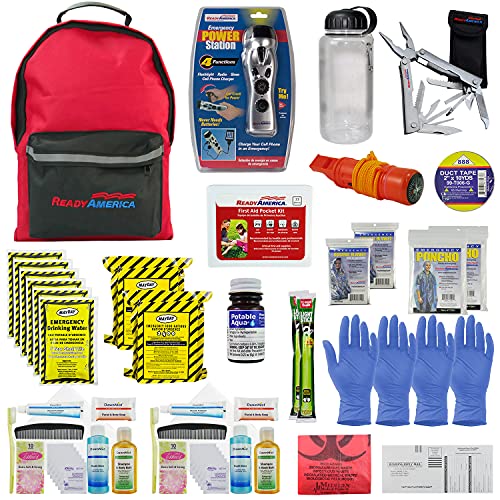
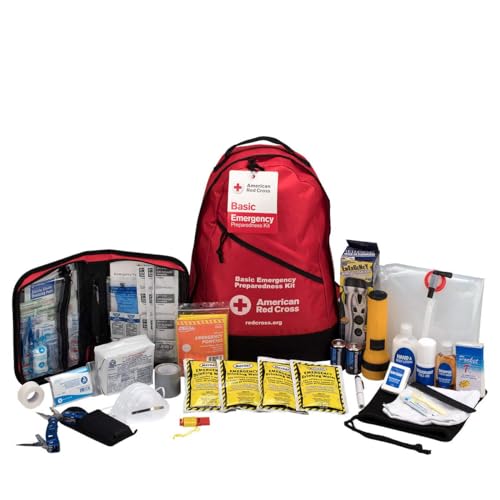
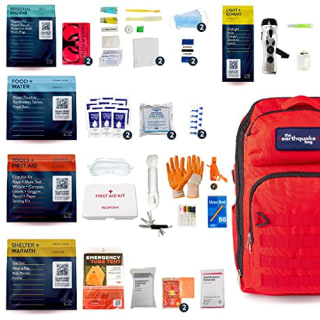
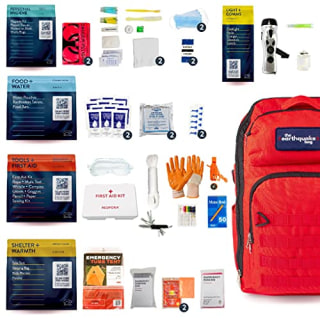
 A well-organized survival kit includes core supplies for water, food, first aid, and navigation.
Credit: trueprepper.com
A well-organized survival kit includes core supplies for water, food, first aid, and navigation.
Credit: trueprepper.com
Customizing Your Kit for Special Needs
The core categories above cover basic needs, but you will need to adjust your kit based on your household’s unique circumstances and local risks:
- If you live in a hurricane, flood, or wildfire zone, add storm-specific additions like waterproof document bags, sandbags, a N95 mask for smoke, and a portable NOAA weather radio. For a full breakdown of region-specific supplies, check out our guide to storm-specific additions.
- If you frequently camp or hike in remote areas, add bear spray, a snake bite kit, and learn basic wilderness threat response to reduce risk from local wildlife.
- For households with infants, pack diapers, formula, baby wipes, and a soft, warm blanket. For elderly members, pack extra medication, hearing aid batteries, and copies of medical records.
- For pet owners, pack 3 days of pet food, a leash and carrier, copies of vaccination records, and any required medication.
- If you drive frequently, keep a separate car survival kit with jumper cables, a warning triangle, extra warm clothes, a blanket, and a portable phone charger in case of breakdowns.
Kit Maintenance & Rotation
A survival kit is only useful if its supplies are in good condition and not expired. Follow these guidelines to keep your kit reliable:
- Check your kit every 6 months, aligning the check with the change of seasons (spring and fall)
- Replace expired food, water, medication, and batteries; test all electronics to ensure they work
- Rotate seasonal supplies: add extra warm layers, hand warmers, and a snow shovel in winter, and extra water and sun protection in summer
- Update clothing and supplies as your household’s needs change (e.g. larger clothing sizes for growing kids, new prescription medications)
- Store your kit in a cool, dry, easily accessible location (avoid attics, garages, or basements where temperature extremes or flooding could damage supplies)
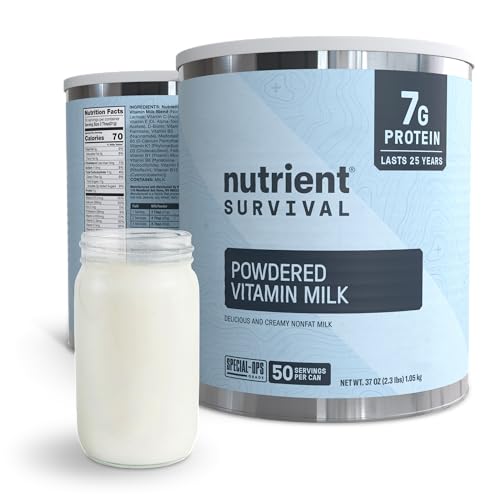
 Advanced kits may include hazard protection gear for high-risk scenarios like nuclear fallout or chemical spills.
Credit: trueprepper.com
Advanced kits may include hazard protection gear for high-risk scenarios like nuclear fallout or chemical spills.
Credit: trueprepper.com
Frequently Asked Questions
What Are The Essential Items In A Survival Kit?
The non-negotiable essentials for any survival kit are: 3 days of water (1 gallon per person per day), 3 days of non-perishable high-calorie food, a comprehensive first aid kit, fire-starting tools, a reliable cutting tool, navigation tools, emergency shelter, and a light source. Add additional items based on your location, household needs, and potential regional risks. You can also read our guide on survive a storm storm shelters.
How Do I Choose The Best Survival Kit For Camping?
For camping, prioritize lightweight, compact, multi-purpose gear that is easy to carry in a backpack. Opt for a sleeping bag rated 10°F lower than the lowest expected nighttime temperature, a compact water filter instead of heavy bottled water, and a portable stove if you plan to cook hot meals. Avoid heavy, non-essential items that take up space and add weight.
Can I Customize A Survival Kit For My Specific Needs?
Absolutely. Customization is critical to ensuring your kit meets your household’s unique requirements. Add personal medications, baby supplies, pet food, or region-specific gear like sandbags for flood zones or extra warm layers for cold climates. For a step-by-step breakdown of items to prioritize based on your household size and location, reference our personalized kit checklist. You can also read our guide on best fixed blade knife for survival.
How Often Should I Check And Update My Survival Kit?
Check your kit every 6 months, replacing expired food, water, batteries, and medications. Test all electronics to ensure they work, and update supplies as your household’s needs change or as seasonal risks shift in your area. You can also read our guide on what to buy for survival kit.
What’s The Biggest Mistake People Make When Building A Survival Kit?
The most common mistake is packing gear you have never tested. Many people buy expensive fire starters, water filters, or emergency food only to find they don’t work when needed, or that they don’t know how to use them properly. Test all gear in a low-stakes setting before an emergency strikes, and practice basic skills like fire starting, map reading, and first aid. You can also read our guide on is metal gear survive worth it.
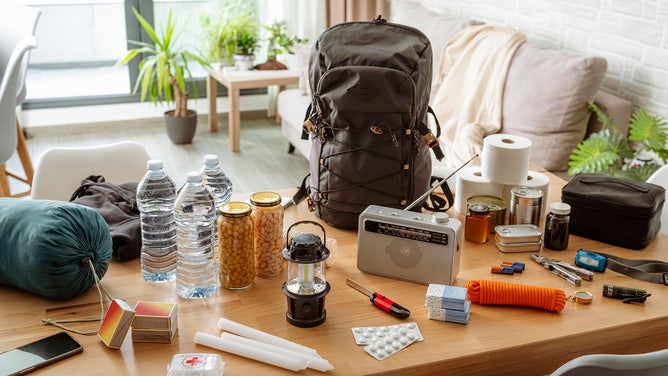
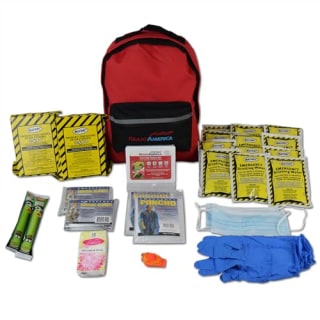 Pre-assembled 72-hour emergency kits are a convenient option for households new to preparedness.
Credit: www.nbcnews.com
Pre-assembled 72-hour emergency kits are a convenient option for households new to preparedness.
Credit: www.nbcnews.com
Conclusion
Building a survival kit is not a one-and-done task: it’s an ongoing practice of adjusting your supplies to match your household’s changing needs, seasonal risks, and local emergency threats. The small investment of time and money now can make the difference between minor discomfort and a life-threatening situation during a crisis. If you’re ready to source high-quality, tested components for your kit without the guesswork, check out our tested supply recommendations for every budget to find reliable gear that fits your needs and storage space. Remember, preparedness is not about paranoia—it’s about peace of mind, knowing you can keep yourself and your loved ones safe no matter what unexpected events come your way. You can also read our guide on emergency preparedness survival backpack kits.