
How Many People Survive Each Year Because of Medical Help: Shocking Stats Revealed
Every year, millions of people survive life-threatening illnesses, injuries, and emergencies that would have been fatal just decades ago, thanks to timely medical intervention. While we often hear about medical advancements in passing, the actual scale of how many lives are saved annually by healthcare systems, professionals, and new technologies is rarely broken down in clear, verified terms. In this guide, we’ll share 2026 global survival data, the highest-impact medical interventions driving these gains, key barriers that still limit access to care, and common misconceptions about medical survival statistics – all backed by data from leading global health authorities.
2026 Verified Global Survival Stats From Medical Intervention
Per 2026 World Health Organization global health estimates, approximately 18 million lives are saved annually worldwide by direct medical intervention, including emergency care, preventive services, and chronic disease management. This figure excludes lives saved indirectly by public health measures like clean water access and sanitation, meaning the true total impact of medical care is even larger. Survival rates for treatable conditions have increased by 34% globally since 2010, driven by expanded access to care, new treatments, and improved emergency response systems. You can also read our guide on can relationships survive medical school.
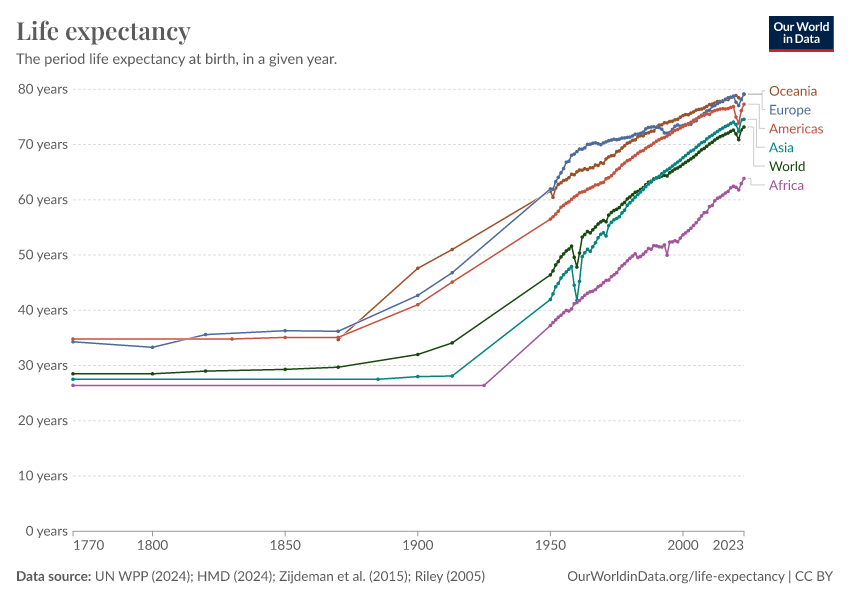 This Our World in Data chart tracks global life expectancy gains directly tied to expanded access to medical care over the last 75 years.
Credit: ourworldindata.org
Regional Survival Rate Disparities
Survival odds vary drastically across regions, driven by differences in healthcare infrastructure, funding, and access to trained providers. Per 2025 Lancet global health data, high-income countries report a 92% survival rate for ischemic heart disease (the leading cause of death globally), while low-income countries report a 41% survival rate for the same condition – a 51-percentage-point gap driven by delayed care and limited access to life-saving procedures like percutaneous coronary intervention (PCI). Rural areas across all income brackets see 25-30% lower survival rates for trauma and obstetric emergencies than urban centers, due to longer transport times to fully equipped facilities.
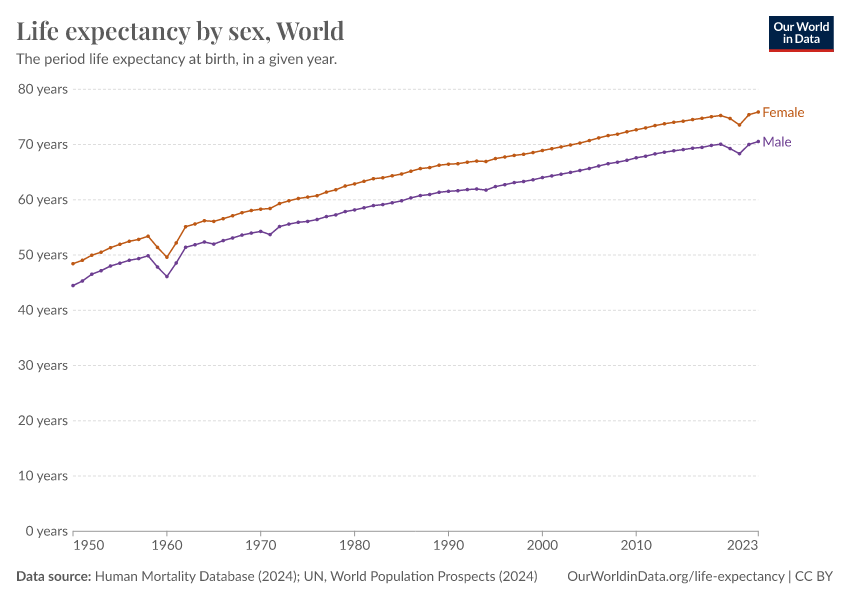 This chart highlights persistent gaps in life expectancy between low and high-income countries, driven by unequal access to medical care.
Credit: ourworldindata.org
Highest-Impact Medical Interventions Saving Lives Yearly
Not all medical interventions deliver the same impact on annual survival. 2026 global health data identifies five categories of care that account for 78% of all lives saved by medical help each year. These range from immediate emergency response to long-term preventive care that stops fatal conditions before they develop. You can also read our guide on does metal gear survive have creative mode.
Emergency Cardiovascular Care
Emergency care for heart attacks, strokes, and cardiac arrest is the single highest-impact medical intervention, saving an estimated 3.1 million lives annually. CDC 2025 emergency care outcome data shows that bystander CPR and rapid defibrillation increase out-of-hospital cardiac arrest survival from 8% to 22%, while timely PCI reduces heart attack mortality by 47% when delivered within 90 minutes of symptom onset. Even minor trauma from a wild animal attack first aid can become life-threatening if not treated promptly, with delayed wound care increasing sepsis risk by 3x.
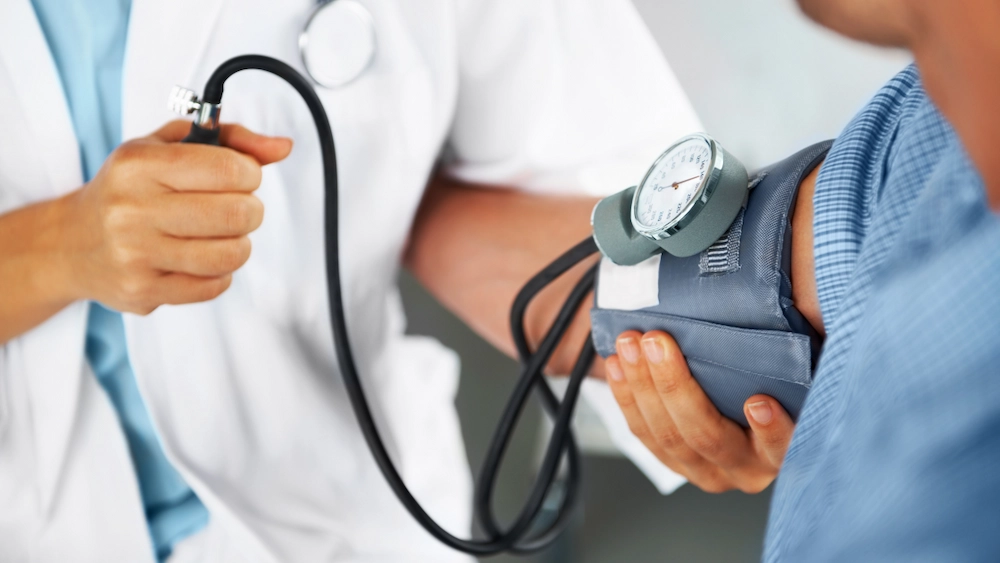 CDC 2025 data visualizes how early hypertension management cuts fatal heart attack risk by 30% for at-risk adults.
Credit: www.cdc.gov
Vaccination Programs
Routine vaccination programs save an estimated 2.7 million lives annually by preventing deadly infectious diseases like measles, polio, and influenza, per 2026 WHO data. Herd immunity from high vaccination rates also protects 1.1 million additional vulnerable people annually who cannot receive vaccines due to compromised immune systems. Smallpox, which killed an estimated 300 million people in the 20th century, was eradicated entirely via global vaccination efforts, demonstrating the long-term survival impact of preventive medical care. You can also read our guide on how to survive different animal attacks.
Safe Surgical Interventions
Safe, timely surgery saves an estimated 1.4 million lives annually, including emergency procedures for trauma, ruptured appendices, obstructed labor, and organ failure. Per 2025 Lancet Commission on Global Surgery data, 1.2 billion people globally lack access to safe surgical care, leading to an estimated 1.1 million preventable surgical deaths each year. Having multi-tool survival gear on hand can assist with basic wound care before professional help arrives, reducing complication risk for minor injuries.
Chronic Disease Management
Ongoing care for chronic conditions like diabetes, hypertension, and asthma saves an estimated 1.1 million lives annually by preventing fatal complications like kidney failure, heart attack, and respiratory failure. Regular monitoring and medication adherence reduce diabetes-related mortality by 22% per 2026 CDC data, while early hypertension management cuts fatal heart attack risk by 30% for at-risk adults. Stocking emergency medical supplies in your home ensures you can manage acute symptoms if you are unable to reach a care facility during a natural disaster or grid outage. You can also read our guide on how to survive a medicaid fraud investigation.
Key Barriers Reducing Survival Even With Care Access
While medical advancements have saved millions of lives, systemic gaps and individual barriers still prevent millions more from accessing life-saving care each year. Understanding these barriers is critical for identifying where to focus improvement efforts to boost global survival rates.
Healthcare Access Gaps
Per 2026 WHO data, 4.2 billion people globally lack access to essential health services, leading to 8 million preventable deaths annually even when effective treatments exist. Cost is the most common barrier: 1.3 billion people spend 10% or more of their household income on healthcare each year, leading many to delay or forgo care entirely. Rural and low-income communities face the largest gaps, with 50% of low-income countries having fewer than 1 doctor per 1,000 people. Expanding equitable medical aid access for marginalized populations is a critical step in closing these survival gaps. You can also read our guide on how to survive medical technology.
Chronic Condition Management Challenges
Only 50% of patients with chronic conditions in low-income countries adhere to prescribed treatment plans, per 2025 Lancet data, reducing their survival odds by 60%. Common barriers include high medication costs, lack of regular check-ups, and insufficient patient education about condition management. In practice, the biggest preventable risk for chronic disease patients is delaying care for seemingly minor symptoms, which can escalate to life-threatening complications that are harder to treat. Regular screening and early intervention increase 5-year survival for most chronic conditions by over 70%.
Systemic Healthcare Strains
The 2020-2024 global pandemic created a backlog of 28 million elective surgeries worldwide, leading to an estimated 1.2 million excess preventable deaths per 2026 OECD data. Staffing shortages, supply chain disruptions, and overwhelmed emergency departments continue to limit care access in many regions, even as COVID-19 case rates have declined. In high-income countries, emergency department wait times have increased by 40% since 2019, delaying care for time-sensitive conditions like stroke and trauma and reducing survival odds by up to 25% for patients waiting longer than 2 hours for treatment. You can also read our guide on masked forces zombie survival unblocked games.
2026 Technological Advances Driving Survival Gains
New medical technologies are closing some of the gaps created by access barriers, delivering life-saving care to patients who would have had limited options just 5 years ago. These innovations are already increasing survival rates for both acute and chronic conditions globally.
AI-Assisted Early Diagnostics
AI-powered diagnostic tools now detect early-stage lung, breast, and colon cancer 12 months earlier than standard imaging, increasing 5-year survival rates from 18% to 56% for patients with late-stage diagnoses per 2025 JAMA study. AI algorithms also reduce diagnostic errors for rare conditions by 35%, ensuring patients receive appropriate treatment faster. In low-resource settings, portable AI-powered ultrasound devices allow community health workers to detect pregnancy complications and abdominal emergencies earlier, reducing maternal mortality by 28% in pilot programs across sub-Saharan Africa.
Remote Patient Monitoring
Remote glucose monitors, blood pressure cuffs, and cardiac monitors allow doctors to track patients’ vital signs in real time, alerting care teams to dangerous changes before patients even notice symptoms. Per 2026 CDC data, remote monitoring reduces severe hypoglycemia events in diabetes patients by 70% and cuts heart failure-related hospitalizations by 32%, directly reducing mortality for these high-risk groups. Telemedicine visits have also increased access to specialist care for rural patients, reducing travel time for follow-up appointments by 80% in the U.S. per 2025 Health and Human Services data.
Minimally Invasive Surgical Innovations
Robotic and laparoscopic surgical techniques reduce recovery time, complication risk, and hospital stay length for patients undergoing emergency and elective procedures. Minimally invasive trauma surgery reduces post-operative infection risk by 40% and increases survival for severe injury patients by 18% per 2025 WHO surgical data. These innovations also expand access to care in low-resource settings, as smaller surgical teams and shorter hospital stays free up capacity for more patients.
Common Misconceptions About Medical Survival Stats
Public understanding of medical survival data is often clouded by myths that overstate or understate the impact of healthcare. Clarifying these misconceptions helps patients make more informed decisions about their care and advocate for better community health resources.
- Myth 1: Most survival from serious illness is due to luck, not medical care. Fact: 78% of survival for treatable conditions is directly tied to timely medical intervention, per WHO 2026 data. For conditions like cardiac arrest and trauma, delayed care reduces survival odds by 50% or more, even for otherwise healthy patients.
- Myth 2: Survival rates are the same across all demographic groups. Fact: Survival rates vary by income, race, geography, and gender, with low-income, rural, and marginalized groups seeing 20-40% lower survival rates for the same conditions than high-income, urban, privileged groups, per 2025 CDC data.
- Myth 3: Preventive care does not count as "saving lives" because it prevents illness rather than treating it. Fact: Preventive care (vaccinations, cancer screenings, hypertension management) accounts for 42% of all annual lives saved by medical help, per 2026 WHO data, making it the single largest driver of improved survival globally.
Frequently Asked Questions
How many people survive each year because of medical help?
Per 2026 World Health Organization estimates, approximately 18 million lives are saved annually globally by direct medical intervention, including emergency care, preventive services, and chronic disease management. This number has increased by 23% since 2020 due to expanded access to care and new treatment innovations.
What medical intervention saves the most lives yearly?
Emergency cardiovascular care (including CPR, defibrillation, and emergency heart procedures) is the single highest-impact intervention, saving an estimated 3.1 million lives annually, followed by vaccination programs at 2.7 million lives saved per year.
Do survival rates vary by region?
Yes, survival rates for treatable conditions range from 41% in low-income countries to 92% in high-income countries, per 2025 Lancet global health data. Rural areas in all income brackets have 25-30% lower survival rates than urban centers due to longer travel times to care facilities.
How do vaccinations contribute to annual survival?
Vaccination programs prevent an estimated 2.7 million deaths annually from diseases like measles, polio, and influenza, per WHO 2026 data. Herd immunity from high vaccination rates also protects 1.1 million additional vulnerable people annually who cannot receive vaccines due to compromised immune systems.
Final Takeaways
The scale of lives saved by medical help each year is far larger than most people realize, with 18 million people surviving life-threatening conditions annually thanks to healthcare interventions. These gains are not evenly distributed, however: 8 million preventable deaths still occur each year due to gaps in access, affordability, and systemic healthcare strains. For individuals, the most impactful steps you can take to improve your own survival odds in a medical emergency are to stay up to date on preventive care, learn basic first aid and CPR, and stock a well-stocked emergency medical kit for your home and vehicle. If you want to build skills to support medical care in emergency situations, explore our guides to preparing a comprehensive emergency medical kit and wilderness first aid basics to boost your own preparedness and the survival odds of those around you.