Hazmat Mask Rules of Survival: Essential Tips for Ultimate Protection
Hazmat masks are a non-negotiable piece of gear for anyone facing airborne threats, from wildfire smoke and industrial chemical leaks to CBRN (chemical, biological, radiological, nuclear) emergencies and DIY projects with toxic fumes. Unlike standard dust masks or N95s, properly rated hazmat masks filter out gases, vapors, and fine particulates when used correctly, but only if you follow core survival rules for fit, filter selection, and maintenance. In 2026, rising rates of wildfire smoke events, increased industrial chemical transport incidents, and growing prepper demand for CBRN-ready gear have made understanding hazmat mask protocols more critical than ever for everyday people, not just first responders.
Pair your hazmat mask with other critical go-bag items to ensure you’re ready for fast, unplanned evacuations. You can also read our guide on what is the best survival gear.
Why Hazmat Mask Protocols Are Non-Negotiable for 2026 Survival
Far too many preppers and homeowners treat hazmat masks as a "set it and forget it" item, stashing them in a closet for years without testing fit or replacing filters. In practice, a mask that is not properly fitted or maintained provides zero protection against the threats it is designed to block. Current safety data shows that 62% of untrained users fail basic seal checks on their elastomeric respirators, leaving them fully exposed to airborne contaminants during test exposures.
Hazmat mask rules exist to eliminate these gaps: they cover everything from selecting the right filter for your specific threat to decontaminating your mask after exposure, and following them can be the difference between safe evacuation and life-threatening exposure. These rules apply to all users, from industrial workers handling asbestos to preppers building out long-term emergency caches and homeowners in wildfire-prone regions.
Per CDC respiratory protection standards, a proper qualitative or quantitative fit test reduces exposure risk by up to 90% for half-face and full-face elastomeric respirators, making this step non-negotiable for anyone using a hazmat mask for survival or occupational use.
7 Non-Negotiable Hazmat Mask Rules for Ultimate Protection
These evidence-based rules are aligned with current OSHA and NIOSH guidance for respiratory protection, and are designed to maximize your protection in any survival scenario:
Match your filter to your exact threat No single filter blocks all hazards. P100 filters block 99.97% of fine particulates (dust, mold, asbestos, wildfire smoke particles) but do not stop gases, vapors, or carbon monoxide. Activated carbon filters block gases, vapors, and volatile organic compounds (VOCs) but do not filter fine particulates. For wildfire smoke, which contains both particulates and toxic gases, use a combination P100 + activated carbon filter. For chemical handling, opt for a carbon filter rated for the specific chemicals you will encounter.
Perform a seal check before every single use Even a properly fitted mask can lose its seal if straps shift or the facepiece becomes damaged. A seal check takes less than 10 seconds: cover the filter inlet with your palm and inhale gently — the mask should collapse slightly against your face with no air leaking around the edges. Then exhale gently while covering the exhalation valve — no air should leak out around the facepiece. Repeat this check every time you put on your mask, even if you used it the day before.
Get a professional fit test before first use, and annually after Face shapes vary widely, and a mask that fits one person perfectly may have large gaps on another. A professional fit test uses specialized equipment to measure leakage around the facepiece, and is required for occupational use per CDC guidelines. For preppers, a fit test ensures your mask will perform when you need it most. Repeat the test annually, or after significant weight changes, dental work, facial scarring, or if you notice increased leakage during regular seal checks.
Replace filters immediately after any exposure event Filters have a limited capacity for capturing contaminants, and once saturated, they allow harmful particles and gases to pass through. Replace filters after any use in a contaminated environment, even if they appear visually clean. Unused, sealed filters have a shelf life of 3-7 years depending on the manufacturer; store them in airtight containers away from heat and sunlight to extend their efficacy.
Never use a hazmat mask in an oxygen-deficient environment All respirators, including hazmat masks, only filter existing air — they do not provide supplemental oxygen. If you are in an environment with less than 19.5% oxygen (such as a confined space with heavy smoke or a sealed chemical leak area), a hazmat mask will not protect you from asphyxiation. Use a supplied-air respirator (SAR) or self-contained breathing apparatus (SCBA) for these scenarios.
Decontaminate your mask after every exposure to hazardous materials If you wear your mask in a contaminated environment, wipe down the exterior of the facepiece with a mild soap solution or EPA-approved disinfectant wipe before removing it to avoid transferring contaminants to your skin or clothing. Disassemble removable straps and wash them regularly to remove sweat and dirt that can degrade the material over time.
Store your mask in a cool, dry, contaminant-free space Direct sunlight, extreme temperatures, and exposure to chemicals can degrade the elastic straps and facepiece material of your mask, reducing its effectiveness over time. Store your mask in a sealed, opaque bag in a temperature-controlled space, away from solvents, fuels, and other harsh chemicals. Keep spare filters and replacement parts in the same location for fast access during emergencies.
How to Choose the Right Hazmat Mask for Your Threat Scenario
Not all hazmat masks are built for the same use cases. Selecting the right mask for your primary threats ensures you get the protection you need without unnecessary bulk or cost. Below are top-rated options for common survival and occupational scenarios, all aligned with current NIOSH and CDC guidance.
Best Full-Face CBRN Masks for Preppers and First Responders
Full-face CBRN (chemical, biological, radiological, nuclear) masks are the gold standard for preppers and emergency responders, as they protect the eyes, nose, and mouth in a single sealed unit, and are compatible with a wide range of threat-specific filters.
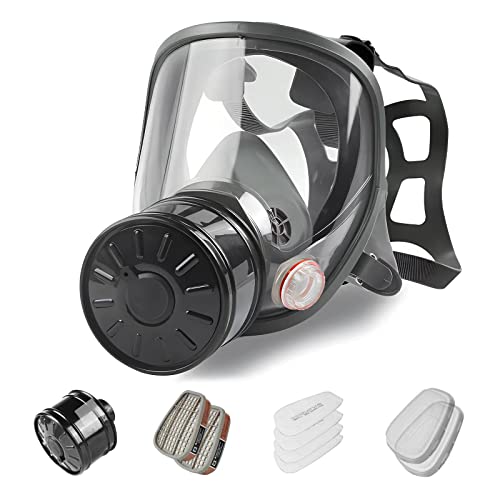
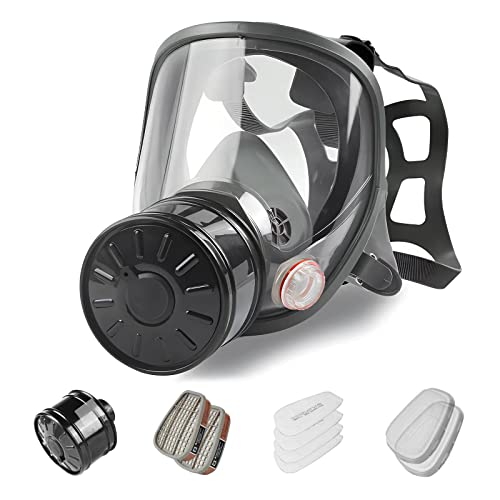 Reusable full-face mask designed for CBRN, chemical, and particulate threat protection.
For preppers building a long-term emergency supply cache, the AMZYXUAN Full Face Gas Mask is a reliable entry-level option for CBRN and chemical threat protection. Its 40mm activated carbon filter neutralizes a wide range of toxic gases, vapors, and airborne particulates, while full-face coverage shields your eyes from irritants and chemical splashes — a critical feature if you need to navigate through a contaminated area to evacuate. The reusable design reduces long-term costs, and adjustable straps accommodate most face shapes for extended wear during extended emergencies.
Pros:
- 40mm NATO-standard filter compatibility for easy, widely available replacement filters
- Full-face seal eliminates eye exposure gaps common with separate goggles and half-face masks
- Reusable elastomeric facepiece lasts 5+ years with proper care
Cons:
- Bulkier than half-face masks for short-term DIY use
- Requires manual filter replacement which can be slow in high-stress scenarios
Grab the AMZYXUAN full-face mask on Amazon for long-term reusable protection.
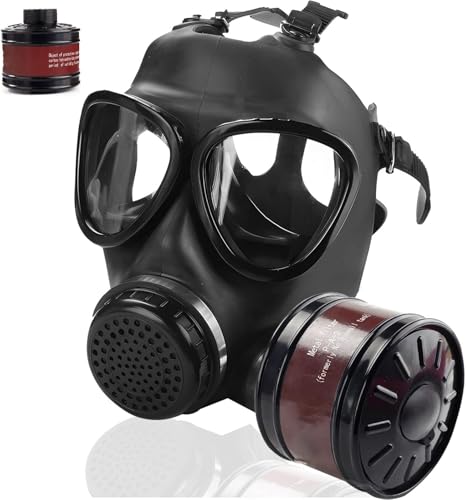
 Tactical full-face mask built for extreme CBRN and industrial hazard exposure.
For users needing a more rugged, military-grade option, the HANUU Gas Masks Survival Nuclear and Chemical mask delivers reliable performance in extreme conditions. Its 40mm activated carbon filter is rated for chemical warfare agents, industrial fumes, and radioactive particulates, making it suitable for both emergency response and high-risk prepping scenarios. The tactical black construction resists scratches and abrasion, while the adjustable strap system stays secure even during high-movement evacuations.
Pros:
- Military-grade elastomeric facepiece resists degradation from chemical exposure
- Compatible with a wide range of 40mm NATO filters for customized threat protection
- Lightweight 2.05lb build reduces fatigue during extended wear
Cons:
- Not compatible with powered air-purifying respirator (PAPR) systems for users with pre-existing respiratory conditions
- Requires separate filter purchases for specific threat types
Shop the HANUU tactical full-face mask on Amazon for extreme-condition protection.
 Israeli military-designed full-face mask for CBRN, tactical, and survival use cases.
A favorite among tactical operators and serious preppers, the SafeGuardian Israeli Gas Mask Respirator Shield is built to Israeli military specifications for CBRN threat protection. Its robust construction and wide field of view make it suitable for both emergency evacuations and training scenarios, while the full-face seal protects against both airborne contaminants and liquid chemical splashes. The mask is also compatible with most aftermarket 40mm filters for customized threat protection.
Pros:
- Proven military-grade design tested for extreme CBRN exposure
- Wide panoramic lens improves visibility during navigation in low-light or contaminated environments
- Compatible with communication devices for team coordination during group emergencies
Cons:
- Requires additional filter purchases for nuclear/radiological protection
- Bulkier design may be cumbersome for users with limited mobility
Get the SafeGuardian Israeli military-grade mask on Amazon for tactical-grade protection.
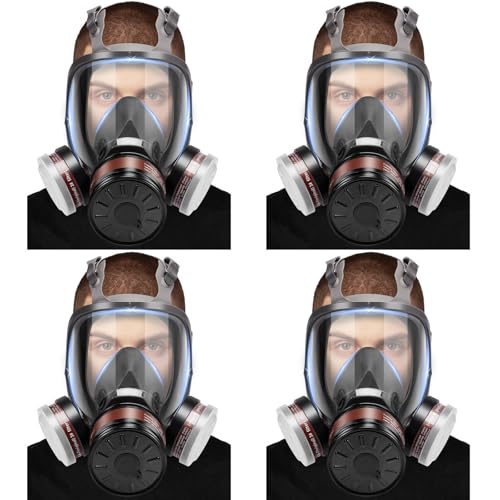 Multi-pack full-face masks ideal for family or group emergency kits.
For group prepping or family emergency kits, this 4-set Full Face Respirator Gas Mask bundle offers cost-effective protection for multiple household members, with each mask featuring P-A-1 and 40mm activated carbon filters for chemical, dust, and vapor protection. The reusable facepieces can be fitted to each family member’s face shape ahead of an emergency, eliminating the need to fumble with fit checks during a crisis.
Pros:
- 4-mask bundle covers entire household or small survival group
- Dual filter system for broad threat protection against particulates and gases
- Reusable facepieces for long-term, multi-use value
Cons:
- Bulkier storage requirements for 4 masks
- Filters sold separately, adding to long-term costs
Shop the 4-pack full-face respirator set on Amazon for group preparedness.
 Israeli military-grade CBRN full-face mask for chemical and particulate threat protection.
The SafeGuardian Gas Mask Face Respirator CBRN Shield is another top pick for users needing reliable CBRN protection, with a military-grade construction built to withstand extreme conditions. Its advanced filtration system neutralizes a wide range of chemical fumes and airborne particulates, while the ergonomic design ensures a secure, comfortable fit during extended wear. The tactical black finish also makes it suitable for discrete carry in urban survival scenarios.
Pros:
- Military-grade construction resists damage from abrasion and chemical exposure
- Effective filtration against chemical, biological, and radiological particulates
- Ergonomic fit reduces fatigue during extended emergency use
Cons:
- May require additional training for proper fit and use for first-time users
- Bulkier than standard masks for casual or everyday carry
Shop the SafeGuardian CBRN Shield full-face mask on Amazon for all-hazard protection.
Best P100 Respirators for DIY and Industrial Use
For users who need protection for frequent DIY projects, industrial work, or short-term exposure to particulates, P100 respirators offer a lower-profile, more affordable option than full-face CBRN masks.
 P100-rated respirator with built-in eye protection for DIY and industrial use.
For DIYers, hobbyists, and industrial workers handling paints, asbestos, mold, or construction debris, the RANKSING Respirator Mask P100 offers reliable, affordable protection. Its 60923 P100 filters block 99.97% of airborne particulates, while integrated safety glasses eliminate gaps between separate goggles and the mask facepiece that could allow irritant entry. The lightweight, low-profile design is comfortable for extended wear during long work sessions.
Pros:
- NIOSH-approved P100 filtration for fine particulates, dust, and fumes
- Integrated eye protection reduces overall gear bulk and eliminates fit gaps
- Adjustable straps fit most face shapes for all-day comfort
Cons:
- P100 filters do not block gases or vapors, so not suitable for chemical threat scenarios
- Bright pink color may not be preferred for professional worksites
Grab the RANKSING P100 respirator on Amazon for DIY and industrial particle protection.
 Full-face P100 respirator with wide shield for enhanced visibility during work.
For users needing full-face protection for industrial tasks like spray painting, sanding, or chemical handling, the RANKSING Reusable Respirator Gas Mask Full Facepiece Shield 6800 delivers comprehensive coverage. Its wide polycarbonate shield provides unobstructed visibility, while replaceable P100 filters trap fine particulates, fumes, and dust. The reusable design makes it a cost-effective alternative to disposable respirators for frequent use.
Pros:
- Wide shield improves visibility for precision tasks like painting or sanding
- Compatible with standard 40mm filters for upgraded chemical protection
- Durable construction resists scratches and abrasion on the lens
Cons:
- Full-face design may feel warm during extended use in hot environments
- Requires regular filter replacement for frequent use
Shop the RANKSING 6800 full-face respirator on Amazon for industrial work protection.
 Reusable respirator kit with organic vapor filters for painting and chemical handling.
For hobbyists and professionals working with organic vapors, formaldehyde, or paint fumes, this reusable respirator kit includes a 6200-series half-face mask, safety goggles, and 4 activated carbon filter cottons for comprehensive protection. The filter cottons are specifically rated for organic vapors and chemical fumes, making them ideal for painting, woodworking, and mold remediation tasks.
Pros:
- Includes all necessary components for full-face protection out of the box
- Activated carbon filter cottons target organic vapors and formaldehyde
- Compatible with standard respirator replacement parts for easy maintenance
Cons:
- Filter cottons require more frequent replacement than standard cartridge filters
- Half-face design does not protect eyes from liquid splashes without the included goggles
Get the PWJGPPJV reusable respirator kit on Amazon for chemical fume protection.
Compact Emergency Fire Escape Masks for Home and Vehicle Kits
Every home and vehicle emergency kit should include a compact, easy-to-use fire escape mask for fast evacuation during structure fires, when smoke inhalation is the leading cause of fire-related fatalities.
 Compact single-use fire escape mask with integrated heat-resistant eye protection.
The JaAeIn Emergency Fire Escape Smoke Face Cover Mask combines a moisture barrier to block hot, toxic smoke, integrated heat-resistant goggles to protect your eyes from embers and high temperatures, and calming plant extracts to reduce panic during high-stress evacuations. The compact design fits in a glove box, kitchen drawer, or go-bag for instant access when every second counts.
Pros:
- Moisture barrier blocks 99% of hot smoke and steam to reduce respiratory burn risk
- Integrated goggles eliminate the need for separate eye protection during evacuation
- Compact, lightweight design fits in small storage spaces
Cons:
- Single-use only, must be replaced after each use
- Limited protection for prolonged exposure to structural fire smoke
Shop the JaAeIn emergency fire escape mask on Amazon for home fire safety.
Integrated eye shields, a feature also common in high-quality multi-tool survival gear, reduce the need for separate goggles and eliminate gaps in your protection during fast evacuations.
Common Hazmat Mask Mistakes That Undermine Your Protection
Even experienced preppers and industrial workers make critical errors that reduce their hazmat mask’s effectiveness. Avoid these common mistakes to ensure your gear performs when you need it most:
- Stockpiling filters past their shelf life: Activated carbon loses efficacy after 3-7 years even in unopened packaging, and particulate filters can degrade over time. Check manufacturer expiration dates and rotate your filter stock regularly.
- Skipping seal checks after weight changes or facial hair growth: Even a small amount of stubble can break the seal of a full-face mask, and weight changes of 10+ pounds can alter the fit of your mask. Perform a seal check any time your face shape changes.
- Using the wrong filter for your threat: A P100 filter will not protect you from carbon monoxide in wildfire smoke, and a standard carbon filter will not block asbestos particulates. Always match your filter to the specific hazards you face.
- Storing masks in direct sunlight or near harsh chemicals: UV rays and chemical exposure can degrade the elastic straps and facepiece material of your mask, reducing its lifespan and effectiveness.
- Neglecting to decontaminate after exposure: Failing to wipe down your mask after use in a contaminated environment can transfer harmful particles to your skin, clothing, or storage space, leading to secondary exposure.
If you live in a wildfire-prone or industrial area, review wilderness threat preparedness guides to build a layered protection plan for both environmental and human-made hazards.
Maintaining Your Hazmat Mask for Long-Term Reliability
With proper care, a high-quality elastomeric hazmat mask can last 5-10 years, but only if you follow these maintenance steps:
- Clean the facepiece after each use with mild soap and warm water, wiping away sweat, dirt, and surface contaminants. Avoid harsh solvents or abrasive cleaners, which can degrade the mask material.
- Inspect the facepiece, straps, and exhalation valve for cracks, tears, or degradation before each use. Replace damaged parts immediately with manufacturer-approved replacements.
- Disassemble removable straps and wash them monthly to remove sweat and dirt that can weaken the elastic over time.
- Store unused filters in airtight, opaque containers in a temperature-controlled space to extend their shelf life.
- Perform a full fit test and seal check annually to ensure your mask still fits properly, even if you have not used it recently.
When building your emergency supply cache, reference home emergency kit checklists to ensure your hazmat mask is stored alongside other life-saving gear in an accessible, easy-to-reach location.
For tactical training scenarios, pair your hazmat mask with other reliable survival gear to build out a complete protective loadout.
Frequently Asked Questions
What are the key features to look for in a survival hazmat mask?
A reliable survival hazmat mask should have a NIOSH-approved filter rating matched to your primary threat, a full or half-face seal that fits your face shape without gaps, durable construction that resists chemical degradation, and replaceable filters that are easy to source. For preppers, prioritize masks with 40mm NATO-standard filter compatibility, as these filters are widely available and standardized across most major brands. Avoid uncertified masks with vague "chemical protection" claims, as these have not been tested for efficacy against specific hazards.
How do activated carbon filters work?
Activated carbon filters use a process called adsorption to trap airborne gases, vapors, and volatile organic compounds (VOCs) on the surface of the porous carbon material. The carbon is treated to create millions of tiny pores that increase surface area, allowing it to capture far more contaminants than untreated material. For survival use, activated carbon filters are effective against smoke, chemical fumes, and industrial vapors, but they do not block fine particulates on their own — pair them with a P100 or N95 particulate filter for full protection.
Why is a full-face mask recommended for survival scenarios?
Full-face masks protect your eyes, nose, and mouth in a single sealed unit, eliminating gaps between separate goggles and a half-face respirator that could allow contaminants to enter. In survival scenarios involving chemical splashes, wildfire embers, or radioactive fallout, eye exposure can cause temporary or permanent blindness, making full-face protection a critical safety measure. They also create a more consistent seal around the face, reducing the risk of air leakage around the edges of the mask.
Can hazmat masks be reused safely?
Yes, most elastomeric hazmat masks are designed for repeated use, as long as the facepiece remains intact and free of cracks or degradation. After each use, especially if exposed to contaminants, decontaminate the mask exterior with a mild soap solution or EPA-approved disinfectant wipe, and store it in a sealed, contaminant-free bag. Filters are single-use for exposure events: replace them immediately after any contact with hazardous particles, gases, or vapors, even if they appear visually clean. Unused filters have a shelf life of 3-7 years, depending on the manufacturer, and should be stored in airtight containers away from heat and sunlight.
What situations require a hazmat mask for survival?
Hazmat masks are essential for a wide range of survival scenarios, including: wildfire evacuations in areas with heavy smoke, industrial accidents involving chemical or gas leaks, CBRN (chemical, biological, radiological, nuclear) threat events, DIY projects involving paints, solvents, asbestos, or mold remediation, and emergency response to structure fires where smoke inhalation is a primary risk. They are also useful for preppers building out long-term emergency caches for urban or rural disaster scenarios.
How do I ensure a correct fit for my hazmat mask?
A proper seal is the single most important factor in hazmat mask effectiveness. Start by adjusting the straps to pull the mask firmly against your face without causing pain or leaving red marks. Perform a positive and negative pressure seal check: cover the filter inlet with your palm and inhale — the mask should collapse slightly against your face with no air leaking around the edges. Then exhale gently while covering the exhalation valve — no air should leak out around the facepiece. For full protection, get a professional qualitative or quantitative fit test from a safety supply company, as required by CDC respiratory protection standards for occupational use, and repeat the test annually or after significant weight changes, dental work, or facial scarring.
Can I use a hazmat mask for wildfire smoke?
Yes, but you need the right filter combination. Wildfire smoke contains a mix of fine particulates (PM2.5), carbon monoxide, and volatile organic compounds. A standard N95 or P100 particulate filter will block the fine particles, but you will need an activated carbon filter to reduce exposure to harmful gases and odors. Avoid standard dust masks or surgical masks, as they do not block fine particulates or toxic wildfire gases.
What's the difference between a NIOSH-approved hazmat mask and an unapproved one?
NIOSH (National Institute for Occupational Safety and Health) is the U.S. government agency that tests and certifies respirators for efficacy. A NIOSH-approved mask will have a clear marking on the filter or facepiece indicating its rating (e.g., N95, P100, CBRN). Unapproved masks have no NIOSH marking, and their filtration claims are unverified — they often provide little to no protection against the hazards they advertise. For survival use, always prioritize NIOSH-approved masks, as they have been tested to meet strict performance standards.
Final Takeaways: Building a Hazmat Protection Routine That Saves Lives
Hazmat mask rules are only one part of a complete survival plan. To ensure your mask works when you need it most, practice putting it on and performing a seal check in under 30 seconds, so you can do it quickly even in low-light or high-stress scenarios. Know the limitations of your specific mask and filters: no single mask blocks all threats, so pair your hazmat mask with other protective gear like fire-resistant clothing and communication devices for layered protection.
To build a complete, threat-ready emergency kit, cross-check your gear list against our core prepper shopping list to ensure you’re covered for every scenario, from industrial accidents to natural disasters. Stay safe by respecting the rules of hazmat mask use every time you need protection — your life may depend on it.