Can Relationships Survive Medical School: Secrets to Thriving Together
Yes — relationships absolutely survive medical school. Plenty even get stronger. But they rarely survive on love alone. What separates the couples still together on Match Day from the ones who quietly fell apart during second year is almost never how much they cared. It's whether they built systems — shared calendars, explicit expectations, repair rituals — before the pressure arrived.
Medical school is a four-year endurance event with predictable spikes: the first block exams, the dedicated study period before Step 1, the whiplash of clerkship schedules, away rotations, and the emotional lottery of the Match. Each of those phases stresses a relationship in a different way. Treat them as one long undifferentiated grind and you'll keep applying the wrong fix.
This guide breaks the problem down phase by phase, gives you scripts you can actually use at 11 p.m. after a bad exam, and is honest about the trade-offs nobody advertises on admissions tour day.
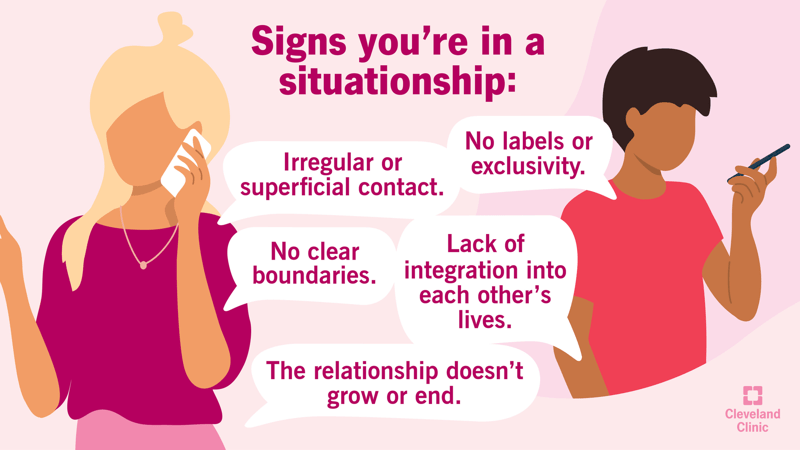
The hardest conversations in med school relationships usually happen when both people are already exhausted — which is exactly why they need to be scheduled, not improvised.
Credit: health.clevelandclinic.org
What Actually Puts Med School Relationships at Risk
Ask couples what broke them and you rarely hear "we ran out of love." You hear specifics.
1. Unpredictability, not just scarcity of time. Most partners can adapt to a spouse who is gone 70 hours a week. What they can't adapt to is not knowing whether Saturday is free until Friday night. In practice, unpredictability corrodes trust faster than absence does, because it makes the non-student partner feel like a low-priority option rather than a person with a life to plan.
2. Asymmetric identity growth. Medical training rewrites how you talk, what you find funny, what you're desensitized to, and who you spend your days with. The partner outside medicine can feel like they're dating a stranger who now speaks in acronyms.
3. Emotional depletion, not conflict. The classic failure mode isn't fighting — it's the med student coming home flat, giving one-word answers, scrolling, and going to bed. Repeated for months, that reads as rejection even when it's just a nervous system running on fumes.
4. Invisible caregiving imbalance. One partner starts absorbing rent logistics, family obligations, pet care, and emotional labour "just for this block" — and the block never ends. Resentment builds silently, often surfacing only years later during residency.
5. Loss of the shared social world. Your new friends are your classmates, your stories are unshareable for confidentiality reasons, and your partner increasingly meets people who talk about a life they're not in. The Association of American Medical Colleges has long emphasised student well-being and support services precisely because this isolation is a known feature of training, not a personal failing.
6. Untreated mental health strain. Depression, anxiety and burnout are meaningfully common in medical trainees. A relationship can absorb a bad month; it struggles to absorb an untreated mood disorder for a year. Free, confidential information on symptoms and treatment options is available through the National Institute of Mental Health, and most schools now have counselling that doesn't touch your academic record.
The Four-Year Timeline: What to Expect and When
Different years break relationships in different ways. Knowing the map lets you pre-negotiate instead of reacting.
| Phase | Main pressure | Relationship risk | What actually helps |
|---|---|---|---|
| M1 (first year) | Volume shock, imposter syndrome | Student over-corrects and disappears socially | Protect one weekly non-negotiable date; set a study end-time |
| M2 | Board content stacking on coursework | Chronic low-grade withdrawal | Quality-over-quantity rituals; partner builds own life outside the relationship |
| Dedicated / Step 1 (typically 4–8 weeks) | 10–12 hour study days, high anxiety | Peak conflict window; irritability spikes | Written "survival contract" agreed before it starts, with an end date |
| M3 clerkships | 60–80 hour weeks, rotating schedules, night float | Unpredictability, emotional flatness after tough cases | Shared digital calendar updated the moment schedules drop |
| M4 | Away rotations, applications, interviews, Match | Geographic uncertainty, fear of forced separation | Explicit conversation about the couples match and worst-case locations |
Two points worth internalising. First, Step 1 has been reported as pass/fail since 2022, which lowered the score-chasing arms race somewhat — but the dedicated period is still the single most relationship-hostile stretch of preclinical years, and Step 2 CK scores now carry more weight in residency selection, shifting some of that pressure into third year. Second, M4 is emotionally harder on couples than most people predict, because the Match places control over your geography in someone else's hands.
The Dedicated Study Period: Plan It Like a Deployment
Treat dedicated as a defined operation with a start date, an end date, and rules of engagement. Sit down two weeks before and write down:
- Daily study hard-stop time (and who is allowed to enforce it)
- One protected weekly block that is not moveable, even after a bad practice test
- Who handles groceries, bills, laundry, and family calls during the period
- A code word for "I'm not upset with you, I'm fried"
- What you'll do together the week it ends — book it, pay for it if you can
A common mistake is letting dedicated expand into "whatever it takes." Open-ended sacrifice with no end date is what turns supportive partners into exhausted ones.
Communication That Works Under Exhaustion
Generic advice ("communicate more!") fails in med school because both people are too tired to run a long conversation. What works is short, structured, and repeatable.
The 10-Minute Daily Debrief
Not a status update — a connection ritual. Three questions, ten minutes, phones face down:
- What was the hardest part of your day?
- What's one thing you need from me in the next 24 hours?
- What's one thing that went right?
The third question matters more than it sounds. Clinical training trains you to scan for pathology; you will start doing that to your relationship unless you deliberately practise noticing what's working.
The Weekly 30-Minute Logistics Meeting
Sunday evening, calendar open. Cover exam dates, call shifts, family events, money, and one "us" item. Keeping logistics in a scheduled meeting stops them from ambushing your rare free evenings.
Say the Subtext Out Loud
Two phrases save an extraordinary number of arguments:
- "I'm not withdrawing from you, I'm withdrawing from everything. Give me 40 minutes and I'll come back."
- "I need you to hear this, not fix it."
The second one is critical for medical students specifically. You are being trained all day to generate differentials and solutions. Your partner venting about their boss does not want a management plan.
Repair Fast, Not Perfectly
You will snap at each other. What predicts survival is repair speed. Agree on a low-effort repair signal — a text, a hand on the shoulder, a specific emoji — that means "I was short with you, I'm sorry, I still love you." Repairing badly but quickly beats repairing beautifully three days later.

Campus programming — lectures, wellness workshops, partner events — is one of the easiest ways for a non-medical partner to feel part of your world rather than parked outside it.
Credit: sph.cuny.edu
Building Your Relationship Survival Kit
The same logic applies to a relationship as to any other kind of preparedness: you decide what matters before the emergency, because you make terrible decisions mid-crisis. If you've ever thought carefully about assembling the essentials for a genuine emergency, you already understand the principle — deliberate choices made calmly, in advance.
Your kit should contain:
| Item | What it looks like in practice |
|---|---|
| Shared calendar | One colour-coded calendar both people can edit; schedules go in within 24 hours of release |
| Non-negotiable ritual | Same day, same time, weekly — coffee, a walk, Sunday breakfast |
| Financial plan | Who pays what while loans are the primary income; an agreed monthly "fun" number |
| Support bench | Two friends each, outside the relationship, who you can call at 10 p.m. |
| Professional backup | Names and contact details for campus counselling and a couples therapist you'd actually call |
| Exit-the-spiral plan | An agreed 20-minute pause rule when a fight escalates past a certain point |
Deciding what's worth carrying is half the work — the other half is actually setting it up while things are calm. Same as prepping before a storm hits: nobody assembles supplies while the wind is already at the windows.
Set up one item from this kit tonight — the shared calendar takes eleven minutes and prevents more arguments than any other single change on this list.
For the Non-Medical Partner: You Are Not Being Selfish
Most advice on this topic is written for the student. That's backwards, because the partner outside medicine usually carries the heavier emotional load with the least recognition.
Things that are legitimate to say out loud:
- "I need to know 72 hours ahead if the weekend is free."
- "I don't want to be the only one who initiates plans."
- "Your stress is real. So is mine, and mine doesn't get a pass because yours is louder."
- "I'd like to meet your classmates, not just hear about them."
Things that quietly help you stay sane:
- Build a life that isn't contingent on their schedule. A league, a class, a standing friend night. Waiting around is corrosive.
- Learn just enough of the map. Knowing what a shelf exam, a clerkship and the Match actually are reduces the feeling of being locked out.
- Get your own support. Many schools have significant-other groups; if yours doesn't, there are large online communities of med spouses and partners who will validate what you're going through in about four minutes.
- Track the fairness ledger honestly. Temporary imbalance is fine. Permanent imbalance disguised as temporary is not.
Resilience here isn't dramatic. It looks a lot like weathering a cold snap — surviving the exposure and getting back to growth once conditions improve.
Intimacy When There's No Time and No Energy
Sex and physical closeness are usually the first casualties, and couples often misread that as a relationship problem when it's a sleep-deprivation problem.
What actually restores intimacy during training:
- Prioritise sleep over spontaneity. Chronic sleep loss suppresses libido in both partners. Six protected hours does more for your sex life than any date-night hack.
- Trade frequency for reliability. A predictable slot you both look forward to beats waiting for a mood that exhaustion will never produce.
- Keep non-sexual touch alive. Twenty seconds of hugging, sitting shoulder-to-shoulder, a hand on the back walking through a car park. This is the connective tissue that makes reconnecting easier after a dry stretch.
- Separate "I'm not attracted to you" from "I have nothing left." Say the second one explicitly, because your partner will otherwise assume the first.
- Protect the transition. Give yourself 20–30 minutes after getting home before you're expected to be emotionally present. Shower, eat, decompress. In practice this single buffer prevents a huge share of evening conflict.

A useful reality check: connection and esteem sit above sleep, food and safety for a reason. When the base of the pyramid is crumbling, the relationship layer can't hold weight.
Credit: blanchethouse.org
Long Distance, Away Rotations, and the Couples Match
Long distance during medical school is survivable, but only with structure.
Make it work with:
- A fixed visit rhythm. Every third weekend, dates booked and flights bought a month out. Vague "we'll see each other soon" is where long distance dies.
- Asynchronous intimacy. Voice notes beat texts. Send them between cases; your partner hears your actual tone instead of guessing at it.
- A defined end date. Open-ended distance is far harder than "14 more months."
The Match conversation needs to happen in third year, not the week before rank lists are due. Decide, explicitly:
- Which cities are genuinely acceptable, and which are dealbreakers
- Whether you'll pursue the couples match (available through the NRMP if you're both applying) or one person will relocate
- What happens if the outcome is a place neither of you wanted
- Whose career takes priority in this round — and how that's balanced later
A couple that has agreed on the worst-case scenario in advance handles Match week enormously better than one discovering their differences on the day.
When Strain Is Normal — and When It's a Red Flag
Not every rough patch means the relationship is failing. Use this as a rough triage.
| Normal med school strain | Genuine warning sign |
|---|---|
| Fewer date nights during exam blocks | No plans made, by either person, for two months |
| Irritability the week of a shelf exam | Contempt, eye-rolling, mockery as a default tone |
| Feeling temporarily disconnected | Relief when the other person isn't home |
| One person carrying more chores for a rotation | Chore imbalance that has never once reversed |
| Occasional venting to friends | Sharing details of your relationship with someone you're attracted to |
| Missing an event for a call shift | Using medicine as a shield against every difficult conversation |
| Low libido during dedicated | Persistent low mood, hopelessness, or drinking to sleep |
That last row is the one to take most seriously. Depression in trainees is common and treatable, and it masquerades convincingly as "the relationship isn't working." Get the mood assessed before you make a permanent decision.
Getting Outside Help Without Losing Time
Campus counselling. Most medical schools now provide confidential mental health services that are separate from academic evaluation and sometimes extend to partners. Ask specifically about evening and telehealth slots — the schedule barrier is the real barrier.
Couples therapy, done efficiently. Six to eight sessions with a therapist who understands high-demand careers is often enough to install better patterns. Book a recurring slot rather than scheduling one at a time; if it's not on the calendar, it won't happen.
Peer and spouse networks. Student affairs offices, partner groups, and class social committees. If your school doesn't run one, starting a monthly partner dinner takes almost no effort and pays off for years.
Family, deliberately used. Instead of vague "let us know if you need anything," give specific asks: a meal drop during dedicated, a weekend of pet care during away rotations.
Even a relationship operating in low light can hold on — the same way growing in limited light keeps a plant alive through winter. The goal in the hardest months isn't flourishing. It's not losing ground.
Thinking Past Graduation
Be honest with each other: residency is usually harder than medical school, not easier. Duty-hour rules cap most residents at an average of 80 hours per week, and that's the ceiling, not the norm. The habits you build now are the ones you'll rely on then.
Talk concretely about:
- Specialty choice and lifestyle. Dermatology, radiology and emergency medicine imply very different family lives than neurosurgery or general surgery. This is a joint decision, not a solo one.
- Money. Loan repayment, whether one income supports both, and when major purchases realistically happen.
- Children. Timing during training is genuinely difficult but far from impossible — and the plan should be explicit rather than assumed.
- Whose turn is next. If your partner deferred a career move for your training, put their turn on the calendar with an actual year attached.
The same adaptability shows up throughout a medical career, from adapting to clinical technology to relocating for fellowship. Couples who treat change as expected handle it dramatically better than couples who treat each change as a crisis.
Frequently Asked Questions
Do most relationships survive medical school?
Many do, and many don't — the honest answer is that outcomes vary widely and reliable, current numbers are hard to pin down. What's clear from observation is that the surviving couples tend to share three things: explicit expectations, protected recurring time together, and willingness to get professional help early rather than as a last resort.
Is it a bad idea to start dating during medical school?
No, but the first six months of M1 and the dedicated period are the two worst windows to begin something new, because you can't offer consistency. Be upfront about your schedule from the first few dates. Vagueness about your availability is what breeds resentment, not the schedule itself.
Is it easier to date another medical student?
It's easier to be understood and harder to be scheduled. Two med students share the vocabulary, the stress and the rhythm — but also compete for the same scarce hours, and eventually face the couples match. Dating outside medicine gives you a life outside the hospital, at the cost of more explaining. Neither is objectively better.
How do I stop bringing hospital stress home?
Build a transition ritual: a 15-minute walk, a shower, or a specific playlist between the parking lot and the front door. Tell your partner what "I need 30 minutes" means so it isn't read as rejection. And decide in advance which clinical experiences you'll share — patient deaths and difficult cases need processing somewhere, but a partner shouldn't be your only outlet.
How much time together is realistic per week?
During preclinical years, most couples can protect 6–10 waking hours plus one longer block. During heavy clerkships, aim for one weekly ritual, a daily 10-minute check-in, and one longer stretch per month. Consistency beats duration — a reliable Tuesday coffee outperforms an unpredictable weekend.
Should we take a break during Step 1 dedicated?
Usually no. "Breaks" during high-stress periods rarely function as pauses; they function as slow separations. A structured, time-limited reduction in expectations — agreed in writing, with a clear end date — is almost always the better tool.
What if my partner resents medicine itself?
Distinguish resentment of the career from resentment of feeling deprioritised. The second is fixable with changed behaviour; the first requires a genuine conversation about whether this life is one they want. Couples therapy is well suited to telling those two apart.
The Bottom Line
Medical school will not gently make room for your relationship. It takes whatever you don't actively defend — so the defence has to be deliberate, written down, and put on a calendar.
Do these five things and you'll be ahead of most couples in your class:
- One shared calendar, updated the day schedules drop.
- One weekly ritual that survives bad exam results.
- A 10-minute daily debrief, phones down.
- A pre-negotiated plan for dedicated, clerkships and the Match — written before each begins.
- A low bar for getting help, from campus counselling or a couples therapist, long before things feel dire.
The couples who thrive aren't the ones who avoided strain. They're the ones who named it early, divided the load honestly, and kept showing up in small, unglamorous ways — the text between cases, the meal left in the fridge, the twenty-second hug in a doorway at midnight.
Pick one item from the list above and set it up before you close this tab. Then tell your partner which one you chose — that conversation is the actual first step.