
When faced with difficult decisions about pregnancy, you may find yourself asking crucial questions. One such question could be, “Can an embryo survive a medical abortion?”
Navigating through the complexities of medical procedures can be daunting, especially when it involves your body and future. Your curiosity and concern are valid, and understanding the facts can empower you to make informed choices. As you read on, you’ll discover essential insights into how medical abortions work, their effectiveness, and what they mean for you.
Grasping these details not only eases your concerns but also equips you with the knowledge to approach your choices with confidence. Stay with us as we unravel the facts that matter most to you.
Medical Abortion Basics
Understanding medical abortion basics helps clarify how it affects an embryo. This process uses medicine to end a pregnancy early. It is a non-surgical way to safely stop pregnancy.
Medical abortion is effective during the first 10 weeks of pregnancy. The medicines work by blocking pregnancy hormones and causing the uterus to empty. Knowing these basics helps answer if an embryo can survive this process.
How Medical Abortion Works
Medical abortion stops pregnancy by using two specific drugs. The first drug blocks progesterone, a hormone needed for pregnancy. Without progesterone, the embryo cannot grow.
The second drug causes the uterus to contract. These contractions push out pregnancy tissue. This process ends the pregnancy fully within days.
The drugs work together to make sure the embryo does not survive. The uterus clears out everything, including the embryo and placenta.
Medications Involved
- Mifepristone:This drug blocks progesterone, stopping embryo growth.
- Misoprostol:This drug causes uterine contractions to expel the pregnancy.
Mifepristone is taken first, followed by misoprostol after 24 to 48 hours. Both are needed for a complete abortion.
The medications are approved and safe when used correctly under medical guidance. They work quickly and have a high success rate.
Timeline Of Embryo Development
The timeline of embryo development plays a key role in understanding medical abortion effects. It shows how the embryo grows and changes over days and weeks. This timeline helps clarify whether an embryo can survive after a medical abortion.
Early Stages Of Pregnancy
Pregnancy begins with fertilization, usually inside the fallopian tube. The fertilized egg, called a zygote, starts dividing as it moves toward the uterus. Around day 5, it becomes a blastocyst and implants in the uterus lining. This implantation marks the start of embryo development.
During the first two weeks, the embryo is very small and not fully formed. Cells multiply quickly, setting the foundation for organs and tissues. This period is called the germinal stage. The embryo is fragile and very sensitive to changes.
Embryo Viability
Embryo viability means the embryo can live and grow. Before 6 weeks, the embryo’s heart may start beating. This heartbeat is a sign of life but does not guarantee survival. The embryo depends on the mother’s body for nutrients and oxygen.
Medical abortion usually occurs before 10 weeks of pregnancy. At this stage, the embryo is developing but not yet a fetus. The abortion medicine blocks hormones needed for growth. Without these hormones, the embryo cannot survive.
Survival chances of an embryo after a medical abortion are extremely low. The medicine causes the uterus to expel the embryo and pregnancy tissue. This process ends the pregnancy safely and effectively.
Effectiveness Of Medical Abortion
Understanding the effectiveness of medical abortion is crucial if you or someone you know is considering this option. Medical abortion uses medication to end a pregnancy, and its success depends on several important factors. Knowing how well it works can help you make informed decisions and prepare for what to expect.
Success Rates
Medical abortion is highly effective, especially when done early in the pregnancy. Studies show success rates between 95% and 98%within the first 10 weeks. This means most individuals will complete the abortion without needing surgical intervention.
Success rates tend to drop slightly as the pregnancy progresses beyond 10 weeks. If you are considering medical abortion, timing plays a key role in its effectiveness.
Factors Influencing Outcomes
Several factors can influence how successful a medical abortion will be for you. These include:
- Gestational Age:The earlier you take the medication, the higher the success rate.
- Proper Medication Use:Following the dosage and timing instructions exactly improves outcomes.
- Health Conditions:Certain medical issues might affect how your body responds.
- Access to Follow-up Care:Regular check-ins with your healthcare provider ensure complications are caught early.
Have you thought about how these factors might impact your own experience? Being aware can help you feel more in control and ready to act if needed.
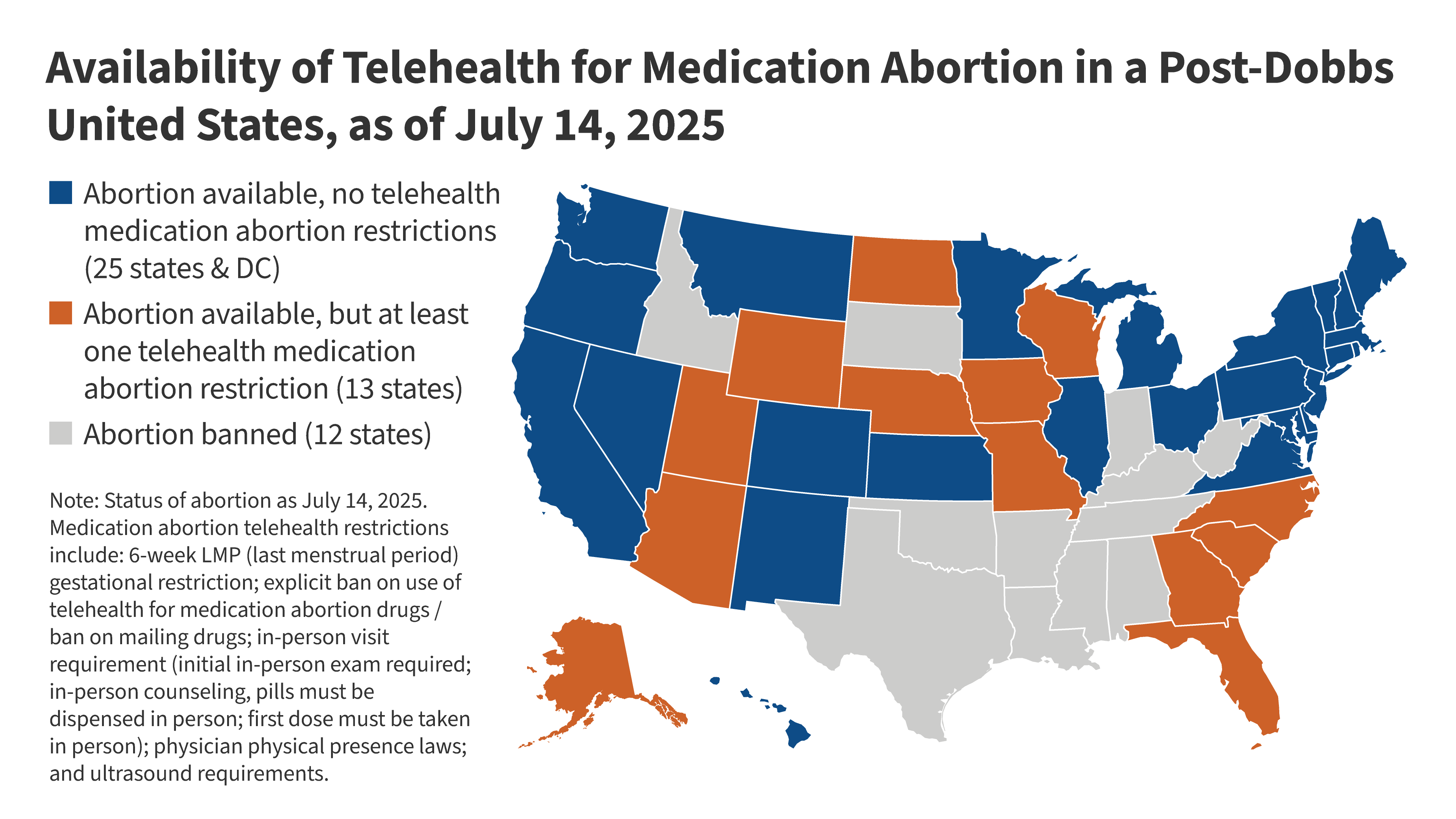
Credit: www.kff.org
Possibility Of Embryo Survival
The possibility of an embryo surviving a medical abortion raises many questions for those seeking clarity on what happens during the process. Understanding this possibility means looking at both real-world cases and the biological realities the embryo faces. Let’s examine the evidence and the challenges involved in embryo survival after a medical abortion.
Cases And Evidence
There have been rare reports of embryos surviving after the initial stages of a medical abortion. These cases often involve incomplete abortions where the pregnancy continues despite medication.
However, such occurrences are extremely uncommon. Medical abortion drugs, like mifepristone and misoprostol, are designed to stop the embryo’s development effectively.
Doctors monitor the process carefully to ensure completion. If the embryo survives, follow-up medical attention is usually required to avoid complications.
Biological Challenges
The embryo faces significant biological challenges once medical abortion begins. The drugs work by blocking hormones essential for the embryo’s growth and by triggering uterine contractions to expel pregnancy tissue.
Without necessary hormones like progesterone, the embryo cannot sustain itself. Even if some tissue remains, the environment becomes hostile for survival.
So, could the embryo adapt or resist these effects? The science shows that survival beyond the drug’s impact is extremely unlikely due to these biological barriers.
Complications And Risks
Medical abortion is generally safe, but it’s important to understand the possible complications and risks involved. These issues can affect your health and well-being if not addressed promptly. Knowing what to watch for can help you take control of your recovery and seek help when necessary.
Incomplete Abortion
An incomplete abortion occurs when some pregnancy tissue remains in the uterus after the medication. This can cause heavy bleeding, prolonged pain, or infection. You might feel stronger cramps or notice unusual discharge, which signals you need medical attention.
Doctors usually confirm this with an ultrasound or physical exam. If tissue remains, a follow-up procedure may be required to clear the uterus. Ignoring these signs can lead to serious health issues, so don’t hesitate to contact your healthcare provider if you suspect something is wrong.
Health Implications
Beyond incomplete abortion, medical abortion carries other health risks like infection or excessive bleeding. Infections can develop if bacteria enter the uterus during or after the process, leading to fever, foul-smelling discharge, or severe pain.
Heavy bleeding that soaks through two or more pads per hour for more than two hours is a warning sign. You should always have a clear plan for emergency care before starting medical abortion. Taking care of your health means recognizing these signs early and acting fast.
Legal And Ethical Perspectives
Understanding the legal and ethical perspectives on medical abortion is important. These perspectives shape how societies view the procedure and its implications. Laws differ worldwide, reflecting cultural and moral values. Ethical debates influence public opinion and medical practices. Both aspects affect discussions about whether an embryo can survive a medical abortion.
Regulations On Medical Abortion
Many countries have strict rules for medical abortion. These laws control when and how the procedure can be done. Some places allow abortion only within a certain number of weeks. Others require counseling or waiting periods before the process starts.
Medical abortion often involves two drugs: mifepristone and misoprostol. Regulations may limit who can prescribe these drugs. Some countries allow use only in hospitals, while others permit at-home use under doctor supervision.
- Gestational limits vary by region.
- Consent from the pregnant person is mandatory.
- Access to medical abortion can be restricted or supported.
These regulations impact the chances of embryo survival after medical abortion. Early use of medication usually prevents survival. Late or improper use may raise complex legal questions.
Ethical Debates
Ethical debates focus on the value of embryonic life and reproductive rights. Some believe life begins at conception and argue against abortion. They see embryo survival as a critical moral issue.
Others emphasize the pregnant person’s right to choose and bodily autonomy. They support access to safe medical abortion. The possibility of embryo survival challenges both views.
- Respect for potential life versus individual freedom.
- Concerns about pain and suffering of the embryo.
- Balancing medical risks and ethical responsibilities.
These debates influence laws and medical guidelines. They shape how society handles the reality of embryo survival during abortion.
Myths Vs Facts
Many people have questions about medical abortion and embryo survival. Myths spread easily, causing confusion and fear. Separating myths from facts helps understand what really happens during a medical abortion. Clear information supports better decisions and peace of mind.
Common Misconceptions
- Some believe the embryo can survive after medical abortion pills.
- Others think medical abortion is painful and unsafe.
- Many assume medical abortion is 100% effective immediately.
- There is a myth that medical abortion causes long-term infertility.
- Some confuse medical abortion with surgical abortion and their effects.
Scientific Findings
- Medical abortion uses medications to stop the pregnancy from growing.
- The embryo cannot survive once the process begins.
- Studies show medical abortion is safe and effective in early pregnancy.
- Most women experience mild side effects, like cramping and bleeding.
- Medical abortion does not affect future fertility in healthy women.

Credit: hersmartchoice.com
Support And Resources
Facing a medical abortion can bring many questions and emotions. Support and resources play a key role in helping individuals understand the process and cope with their feelings. Access to proper guidance and counseling provides comfort and clarity during this time.
Medical Guidance
Trusted medical advice ensures the abortion process is safe and effective. Health professionals explain what to expect before, during, and after the procedure. They monitor health to prevent complications and answer any questions. Clear instructions help individuals follow the treatment correctly and reduce stress.
Counseling Services
Emotional support is vital throughout a medical abortion. Counselors listen without judgment and offer a safe space to share feelings. They help manage emotions like sadness, guilt, or confusion. Counseling can be individual or in groups, providing connection with others in similar situations.

Credit: www.theguardian.com
Frequently Asked Questions
Can An Embryo Survive After Medical Abortion?
Medical abortion uses medication to end pregnancy early. It is highly effective, with over 95% success. Rarely, embryos may survive if the abortion is incomplete, requiring follow-up care.
What Medications Are Used In Medical Abortion?
Mifepristone and misoprostol are the two main medications. Mifepristone blocks pregnancy hormones, and misoprostol causes uterine contractions to expel the embryo.
How Effective Is Medical Abortion In Ending Pregnancy?
Medical abortion is about 95-98% effective within the first 10 weeks. Effectiveness decreases slightly with advancing pregnancy weeks, making early treatment crucial.
Can Medical Abortion Fail And What Happens Then?
Yes, failure is rare but possible. If the embryo survives, symptoms like bleeding may persist. A doctor may recommend surgical intervention to complete abortion.
Conclusion
Medical abortion is designed to end a pregnancy early. The medicine stops the embryo from growing. It rarely allows the embryo to survive. Some cases may need a follow-up to ensure completion. Always talk to a healthcare provider for advice.
Understanding the process helps reduce worries. This knowledge supports making informed choices. Every person’s situation is unique and important.