How Do You Survive in a Vehicle in Hurricane: Essential Safety Tips
When a hurricane strikes, the last place you want to find yourself is stuck in a vehicle. Yet, sometimes nature catches us off guard, and you may face the daunting challenge of surviving in your car during one of these powerful storms.
Your mind might race with questions and concerns: How can you stay safe? What should you do first? How do you protect yourself and your loved ones? Understanding the steps to take in this situation isn’t just about knowledge—it’s about survival.
This guide will arm you with practical, life-saving tips to ensure you and your family can weather the storm with confidence. As you read on, you’ll discover crucial strategies that could make all the difference when the winds start to howl and the rain begins to pour. Prepare yourself with the information you need to stay safe and secure, even in the face of nature’s fury.
Preparing Your Vehicle
Surviving a hurricane in your vehicle means being ready before it hits. Proper preparation can keep you safe and comfortable.
Focus on your vehicle’s condition and supplies. This ensures it works well and supports you during the emergency.
Check Fuel And Fluids
Keep your gas tank full. Running out of fuel during a hurricane is dangerous. Also, check all fluids like oil, coolant, and brake fluid. Make sure they are at proper levels.
Stock Emergency Supplies
Have essential items ready in your car. These can help you survive if you get stuck or lose power.
- Water bottles
- Non-perishable food
- First aid kit
- Flashlight with extra batteries
- Blankets or warm clothing
- Basic tools and jumper cables
- Charged mobile phone and charger
Inspect Tires And Battery
Good tires and a strong battery are key. Check tire tread and air pressure. Make sure the battery terminals are clean and the battery is fully charged.
| Item | What to Check | Why It Matters |
| Tires | Tread depth and air pressure | Prevent blowouts and improve grip |
| Battery | Charge level and terminal cleanliness | Ensure vehicle starts reliably |

Credit: www.reddit.com
Recognizing Dangerous Conditions
Surviving in a vehicle during a hurricane means knowing when conditions are unsafe. Recognizing danger early helps you make smart choices.
Storms can change fast. Watch for signs that the road or weather is too risky to stay on the move.
Identifying Flooded Roads
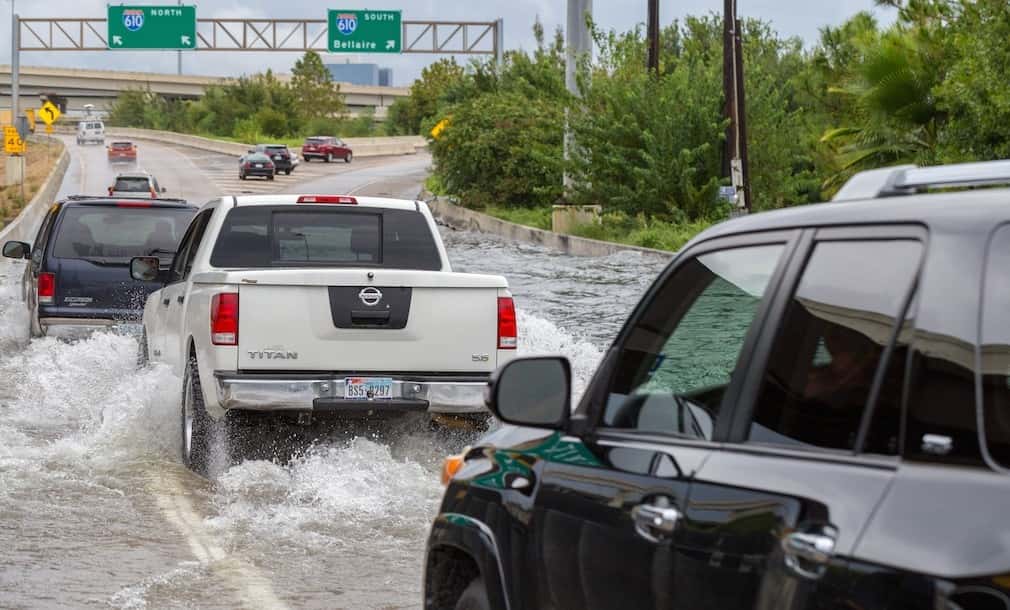
Flooded roads are very dangerous. Water can hide deep holes or strong currents that push your vehicle away.
Never drive through standing or flowing water. Even a few inches can cause loss of control or stall your engine.
- Look for water covering the road surface
- Watch for debris or mud carried by water
- Check for road signs warning about floods
- Turn around if you see water blocking the way
Spotting Wind Hazards
Strong winds can make driving hard and unsafe. High winds may push your vehicle off course or cause objects to fall.
Be alert to sudden gusts or swaying trees. These signs warn that wind strength is increasing near you.
- Watch for leaning or falling trees and branches
- Notice debris blowing across the road
- Feel your vehicle shake or pull to one side
- Slow down or stop if winds are too strong
Monitoring Weather Updates
Stay informed about the hurricane’s path and changes. Weather updates give you time to prepare or find safer shelter.
Use a radio, phone, or other device to get alerts. Check updates regularly while you are in the vehicle.
- Listen for emergency alerts and warnings
- Follow instructions from local authorities
- Note any changes in storm speed or direction
- Be ready to move to safety if needed
Safe Driving Practices
Driving during a hurricane is very dangerous. You must know how to stay safe if you must be in a vehicle. This guide covers key tips for driving safely in a hurricane.
Focus on avoiding floodwaters, keeping control in strong winds, and dealing with debris on the road. Follow these tips to protect yourself and others.
Avoiding Floodwaters
Flooded roads are very risky. Water can hide deep holes and strong currents. Do not try to drive through water if you are not sure it is safe.
- Turn around and find a different route if you see water on the road.
- Do not drive through moving water that is higher than six inches.
- Stay informed about flood warnings in your area before driving.
- Park your vehicle on high ground if flooding is likely.
Maintaining Control In High Winds
Strong winds can push your car and make it hard to steer. Stay calm and keep a firm grip on the wheel. Slow down to keep control.
| Tip | Action |
| Hold Steering Wheel | Use both hands to keep steady control |
| Reduce Speed | Drive slower to react to sudden gusts |
| Keep Distance | Stay far from large vehicles that wind can push |
| Avoid Sudden Moves | Steer gently to prevent loss of control |
Navigating Debris
Hurricanes can leave branches, signs, and other debris on roads. Watch carefully and avoid hitting these objects to prevent damage and accidents.
Follow these tips for debris:
- Scan the road ahead and sides for obstacles.
- Slow down when you see debris to have time to react.
- Do not swerve suddenly; brake gently and steer around debris safely.
- Report large or dangerous debris to local authorities if possible.

Credit: www.aol.com
When To Stay Or Evacuate
Surviving a hurricane in a vehicle is risky. Knowing when to stay or leave can save your life.
Make clear decisions based on the storm’s strength and your surroundings. Safety is the top priority.
Assessing Shelter Options
Look for solid shelters before the hurricane arrives. Vehicles offer little protection from strong winds.
Public buildings or storm shelters are safer than staying inside your car. Avoid low-lying areas that can flood.
- Find a sturdy building nearby
- Avoid flood-prone zones
- Choose shelters above ground level
Knowing When To Abandon Vehicle
Leave your vehicle if floodwater rises or winds become too strong. Cars can be swept away or crushed.
Exit early to reach safer ground. Do not wait until the last minute to abandon your vehicle.
- Leave if water reaches the tires
- Abandon car if wind speeds increase dangerously
- Move to higher ground immediately
Finding Safe Locations
Locate areas that protect you from wind and water. Hills and sturdy buildings are best choices.
Keep away from trees and power lines that could fall. Plan your route to safety before the storm hits.
- Seek high ground to avoid floods
- Stay inside strong buildings or shelters
- Keep distance from trees and utility poles
Emergency Communication
Staying connected is important when trapped in a vehicle during a hurricane. Communication helps you get help and stay safe.
Using the right tools and signals can save your life. Learn how to use mobile devices, signal for help, and stay updated.
Using Mobile Devices Wisely
Keep your phone charged before the storm arrives. Use power-saving mode to extend battery life.
Send messages to family or emergency services only if necessary. Avoid making long calls to save battery.
- Turn on airplane mode when not using the phone
- Use text messages instead of calls
- Limit app use to essential functions
- Charge devices with a car charger if possible
Signaling For Help
Make yourself visible to rescuers by using bright colors or reflective materials. Use your vehicle’s horn or lights to attract attention.
Place a cloth or flag outside the window if safe. Use emergency flares only if you have them and it is safe to do so.
- Use hazard lights to show distress
- Wave a bright cloth from the window
- Flash headlights intermittently
- Sound the horn in short bursts
Staying Informed
Listen to weather updates on the radio or phone. Use a battery-powered or hand-crank radio if possible.
Check emergency alerts regularly. Knowing the situation helps you make safe decisions inside your vehicle.
- Keep a radio tuned to local emergency stations
- Use apps that send weather alerts
- Monitor official sources for evacuation updates
- Stay calm and follow instructions carefully
Post-hurricane Vehicle Safety
After a hurricane, your vehicle may have hidden damage. It is important to check it carefully before driving.
Safety risks are common on roads after a storm. Knowing what to avoid helps keep you safe.
Inspecting For Damage
Look over your vehicle for broken glass, dents, or leaks. Check the tires for damage or low pressure.
- Check under the hood for fluid leaks
- Test the brakes before driving
- Make sure lights and signals work properly
- Look for loose parts or hanging wires
Avoiding Contaminated Areas
Floodwaters and debris can harm your vehicle and health. Avoid driving through flooded roads or areas with visible contamination.
Reporting Hazards
Report road hazards like fallen trees, power lines, or deep water to local authorities. This helps protect others from danger.
| Hazard Type | Who to Contact |
| Fallen Trees | Local Public Works |
| Downed Power Lines | Electric Company |
| Flooded Roads | Emergency Services |
Credit: www.youtube.com
Frequently Asked Questions
How Safe Is Staying In A Vehicle During A Hurricane?
Staying in a vehicle during a hurricane is risky. Vehicles can be easily overturned or swept away by floodwaters. It’s safer to find sturdy shelter on higher ground if possible. Use your vehicle only if no other safe options are available.
What Should I Do If Caught In A Hurricane In My Car?
If caught in a hurricane, park your car away from trees and power lines. Keep your seatbelt on and stay inside. Avoid driving through flooded roads. Listen to emergency broadcasts on the radio for updates and instructions.
How Can I Prepare My Vehicle Before A Hurricane?
Before a hurricane, fill your gas tank and check tire pressure. Stock your car with emergency supplies like water, food, and blankets. Keep a flashlight and first aid kit handy. Ensure your phone is charged for communication.
Can I Drive During A Hurricane Safely?
Driving during a hurricane is extremely dangerous due to strong winds and flooding. Avoid travel unless absolutely necessary. If you must drive, go slowly, avoid flooded areas, and watch for debris on the road.
Conclusion
Surviving a hurricane in a vehicle takes careful planning and quick action. Stay calm and keep your seatbelt fastened. Avoid floodwaters and seek higher ground if possible. Keep your emergency kit close and listen to weather updates. Your safety depends on good choices and staying alert.
Remember, staying inside the vehicle is safer than going outside during strong winds. Prepare before the storm to protect yourself and your loved ones. Stay safe and be ready to act fast.