How Do Hurricane Hunter Planes Survive: Inside Their Incredible Resilience
Ever wondered how hurricane hunter planes brave the fiercest storms and live to tell the tale? You’re not alone.
The idea of flying directly into a hurricane sounds like a scene from an action movie, yet it’s a real and vital mission. These planes gather crucial data that helps predict storm paths and intensities, potentially saving countless lives. But how do they manage to survive such extreme conditions?
It’s a question that piques curiosity and demands an answer. You’ll discover the secrets behind these incredible aircraft and the brave crews that operate them. From cutting-edge technology to meticulous planning, you’ll learn what makes these missions possible and why they matter. Get ready to uncover the fascinating details that keep these planes in the sky, even when the weather is at its worst.
Design Features For Durability
Hurricane hunter planes face strong winds and heavy rain. Their design keeps them safe during storms.
These planes have special features that help them resist damage and stay in the air.
Reinforced Airframes
The airframe is the main structure of the plane. It is made stronger to handle rough weather.
Extra metal and support beams help the plane resist strong winds and turbulence.
- Thicker metal parts
- Additional support beams
- Strengthened joints and connections
Specialized Materials
Materials used in these planes resist corrosion and damage from saltwater and rain.
Some parts use lightweight metals that stay strong in tough conditions.
- Corrosion-resistant alloys
- Lightweight but strong metals
- Waterproof coatings on surfaces
Advanced Aerodynamics
The shape of the plane helps it move smoothly through strong winds. This reduces stress on the plane.
Special wing designs improve stability and control during storms.
- Streamlined body shape
- Wings designed for strong wind resistance
- Control surfaces to keep steady flight

Credit: blog.anduril.com
Cutting-edge Technology
Hurricane hunter planes fly directly into storms to collect data. They use advanced technology to stay safe and gather important information.
These planes rely on special systems that help pilots see weather conditions, measure data, and communicate with teams on the ground.
Weather Radar Systems
Hurricane hunter planes have powerful radar systems on board. These radars scan the storm to detect rain, wind, and storm structure.
The radar helps pilots find the safest path through the storm. It shows real-time images of the hurricane’s strength and movement.
- Measures rainfall intensity
- Detects wind speed and direction
- Maps the storm’s eye and walls
Real-time Data Instruments
Planes carry instruments that collect live data from the storm. Sensors measure temperature, pressure, humidity, and wind.
This data helps scientists understand the storm’s power and predict its path. Instruments update pilots during the flight.
- Pressure sensors track changes in air pressure
- Temperature sensors monitor heat variations
- Anemometers measure wind speed inside the storm
- Humidity sensors record moisture levels
Communication Equipment
Strong communication gear keeps the crew connected to mission control. It sends data and receives instructions in real time.
Reliable radios and satellite links help pilots stay safe. They coordinate with weather experts and other aircraft during flights.
- Satellite phones for long-range contact
- VHF radios for air traffic communication
- Data links to send live weather information
Pilot Training And Expertise
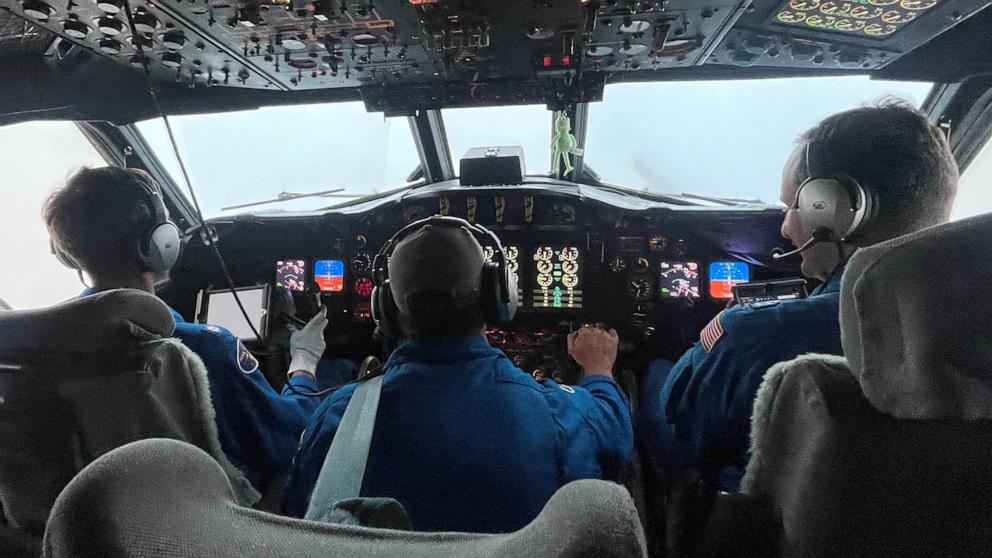
Pilots flying hurricane hunter planes face extreme weather. They need special skills and training to stay safe. Their expertise helps the plane survive strong winds and rain.
This training focuses on handling storms, making quick decisions, and following safe flight paths. It prepares pilots to face dangerous conditions with confidence.
Rigorous Simulation Drills
Pilots train using flight simulators that copy hurricane conditions. These drills help them practice flying in strong turbulence and low visibility. Simulators also test their reactions to system failures.
Simulators create realistic storm scenarios. Pilots repeat drills to improve their skills and reduce mistakes. This training builds muscle memory for emergency moves.
Crisis Management Skills
Hurricane hunter pilots learn how to stay calm under pressure. They practice clear communication with their crew and ground control. This teamwork is key during emergencies.
They follow strict checklists and protocols. These steps help them quickly solve problems like engine trouble or navigation errors. Good crisis skills keep everyone safe.
- Stay calm and focused
- Communicate clearly with the team
- Follow emergency checklists
- Make quick, smart decisions
Flight Path Strategies
Pilots use special flight paths to avoid the worst parts of the storm. They fly around the strongest winds and dangerous turbulence. This helps protect the plane and crew.
They adjust routes based on weather data from radar and satellites. Careful planning allows them to gather needed information while staying safe.
- Plan routes using weather data
- Avoid strongest winds and turbulence
- Adjust flight paths during the mission
- Focus on safety and data collection

Credit: www.flightglobal.com
Maintenance And Safety Protocols
Hurricane hunter planes face tough conditions inside storms. Their safety depends on strict maintenance and checks. Each flight follows detailed steps to keep the crew and plane safe.
These protocols cover the time before, during, and after flights. Teams work hard to spot and fix any issues early. This care helps the planes survive harsh weather.
Pre-flight Inspections
Before each flight, experts check every part of the plane. They look for damage, wear, or anything unusual. The goal is to prevent problems during the mission.
- Check engines and fuel systems for leaks
- Inspect electrical wiring and instruments
- Verify flight control surfaces move freely
- Test communication and navigation gear
- Ensure safety equipment is ready
In-flight Monitoring
During the flight, crews watch the plane’s systems closely. They track engine performance, fuel levels, and weather data. This helps them respond quickly to any issues.
| System | What is Monitored | Action if Issue Found |
| Engines | Temperature, Pressure | Adjust power or return to base |
| Fuel | Levels, Consumption Rate | Plan for refueling or mission change |
| Navigation | Position, Weather Radar | Change course or altitude |
| Communication | Signal Quality | Switch channels or backup systems |
Post-flight Repairs
After landing, crews inspect the plane again for damage. They fix any wear from the storm and flight stress. This keeps the plane ready for the next mission.
- Examine the airframe for cracks or dents
- Test all flight instruments for accuracy
- Change fluids like oil and hydraulic fluid
- Repair or replace worn parts
- Update maintenance logs and reports
Mission Planning And Execution
Hurricane hunter planes fly into storms to collect important data. Their missions need careful planning to stay safe and effective.
Teams study weather and map routes to avoid the worst parts of the storm. They also prepare fuel and supplies for the long flights.
Route Mapping
Pilots plan the flight path to reach key areas inside the hurricane. They use radar and satellite images to find the safest routes.
- Identify the storm’s eye and strongest winds
- Choose entry and exit points carefully
- Avoid areas with extreme turbulence
- Adjust routes based on latest weather data
Storm Behavior Analysis
Experts analyze how the hurricane moves and changes. This helps pilots know what to expect during the flight.
| Factor | Importance |
| Wind speed | Shows storm strength |
| Pressure drop | Indicates storm intensity |
| Rainfall patterns | Helps predict flooding |
| Storm path | Guides route planning |
Fuel And Supply Management
Fuel and supplies must last for the entire mission. Teams plan for extra fuel in case of delays or changes.
- Calculate fuel needs for planned route
- Add reserve fuel for emergencies
- Stock emergency supplies and equipment
- Check all systems before takeoff
Case Studies Of Resilient Missions
Hurricane hunter planes fly into strong storms to collect important data. These missions are risky but help scientists understand hurricanes better. Some flights show great strength and smart planning.
This article looks at past flights that faced tough conditions. It also shares lessons learned and new ideas made from these challenges.
Historic Hurricane Flights
One of the first hurricane flights happened in 1943. Pilots flew into a hurricane over the Gulf of Mexico. Their goal was to find out if storms could be tracked from the air.
These early flights used basic instruments but gave valuable data. Over time, flights became safer and more precise. They helped save lives by improving forecasts.
Lessons From Near-disasters
Some missions came close to disaster. For example, in 1992, Hurricane Andrew hit a plane hard. The crew had to use quick thinking to keep control and land safely.
These events taught crews to prepare better. They now have strict safety rules and backup plans. Training also focuses on how to handle unexpected problems.
- Always check weather updates before flights
- Have extra fuel and emergency supplies
- Practice emergency procedures regularly
- Use multiple communication systems
Innovations Inspired By Challenges
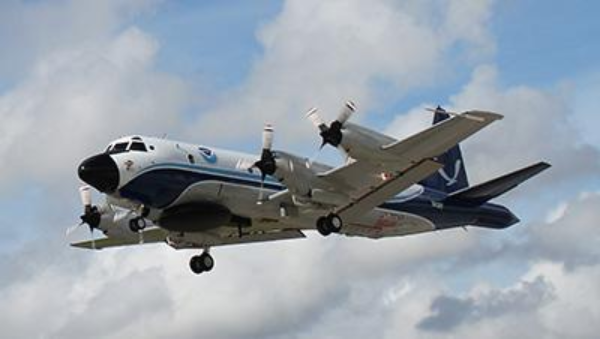
Challenges during flights pushed engineers to create better planes. Modern hurricane hunters have strong hulls and advanced radar. They can fly deeper into storms safely.
Technology improvements include better sensors and real-time data links. These help scientists get quick, accurate information. The planes also use special engines designed for tough weather.
- Reinforced fuselage to resist strong winds
- State-of-the-art radar and sensors
- Real-time data transmission to ground teams
- Engines built to handle heavy rain and turbulence
Credit: www.cira.colostate.edu
Frequently Asked Questions
How Do Hurricane Hunter Planes Withstand Strong Winds?
Hurricane hunter planes are specially designed with reinforced structures. They have strong materials and advanced engineering to resist intense wind pressure during storms. Their aerodynamic shape helps maintain stability, allowing them to navigate safely through turbulent conditions.
What Technology Helps Hurricane Hunters Survive Extreme Weather?
These planes use advanced radar and weather instruments to detect dangerous conditions. Real-time data helps pilots adjust flight paths and avoid the most severe turbulence. This technology ensures safer missions and accurate storm tracking.
How Are Pilots Trained For Hurricane Hunting Flights?
Pilots undergo rigorous training in storm flying techniques and emergency procedures. They practice handling severe weather and learn to interpret meteorological data. This expertise is crucial for navigating hurricanes safely and successfully.
Why Are Hurricane Hunter Planes Built Stronger Than Regular Planes?
They are reinforced to endure extreme turbulence and heavy rainfall. Components like engines and avionics are specially protected. This durability allows them to fly directly into hurricanes, collecting critical storm data.
Conclusion
Hurricane hunter planes face extreme weather to gather vital data. Their strong design and skilled pilots help them stay safe. Special instruments measure wind, pressure, and rain inside storms. These planes fly through dangerous clouds to predict hurricane paths. This work saves lives by improving weather forecasts worldwide.
Understanding how these planes survive shows human courage and technology. It also reminds us how science helps us prepare for nature’s power. The brave crews and sturdy planes together fight fierce hurricanes. Their mission continues to protect communities from storm damage.