How Do Ocean Animals Survive Hurricanes: Incredible Survival Secrets Revealed
Have you ever wondered how ocean animals manage to survive the fierce power of hurricanes? These massive storms can churn the seas and change the ocean landscape in minutes.
Yet, beneath the waves, countless creatures find ways to stay safe and carry on. Understanding their survival secrets can amaze you and even inspire new ways we think about resilience. Keep reading to discover how these incredible animals protect themselves when the ocean turns wild.
Ocean Storms And Wildlife
Hurricanes are powerful storms that change the ocean environment quickly. Many ocean animals face big challenges during these storms.
Understanding how hurricanes affect marine life helps us learn how animals survive in tough conditions.
Impact Of Hurricanes On Marine Life
Hurricanes bring strong winds and heavy rains that change ocean water and habitats. These changes can harm animals or force them to move.
- Strong currents can carry animals far from their homes.
- Water becomes cloudy, making it hard for fish to see.
- Coral reefs can break or get covered in debris.
- Food sources may become scarce after a storm.
- Some animals get injured or trapped by debris.
Types Of Ocean Animals Affected
Many ocean animals are affected by hurricanes. Some move to safer places, while others stay and face the storm.
| Animal Type | How They Are Affected |
| Fish | Moved by currents, lose food and shelter |
| Sea Turtles | Forced to swim away from nesting sites |
| Marine Mammals | Seek deeper waters to avoid rough surface |
| Coral | Damaged by waves and sediment |
| Crustaceans | Burrow in sand to protect themselves |
Natural Adaptations
Ocean animals face strong hurricanes that change their environment quickly. They have natural ways to survive these storms. These ways help them stay safe and find food.
Many ocean creatures use their bodies and actions to handle the rough waters. These adaptations are key to their survival during hurricanes.
Physical Traits For Survival
Ocean animals have physical features that protect them during hurricanes. These traits help them resist strong waves and currents.
- Strong shells or hard exoskeletons protect animals like crabs and clams from debris.
- Streamlined bodies help fish swim quickly to avoid dangerous areas.
- Flexible fins and tails allow better control in fast-moving water.
- Camouflage helps animals hide from predators stirred up by the storm.
- Burrowing ability lets some animals hide under sand or mud for safety.
Behavioral Changes During Storms
Animals change their behavior to survive hurricanes. They move to safer places or change how they act during the storm.
| Behavior | Purpose |
| Seeking deeper water | Avoids strong surface waves and currents |
| Hiding in coral reefs or caves | Protects from debris and predators |
| Reducing movement | Conserves energy during rough conditions |
| Schooling or grouping together | Provides safety in numbers |
| Using sensory organs | Detects changes in water pressure and movement |
Migration And Movement
Ocean animals use movement to survive hurricanes. They often migrate to safer places before storms arrive.
Moving helps them avoid strong winds and rough waters. This behavior increases their chances of staying safe.
Seeking Shelter In Safe Zones
Many ocean animals find shelter in calm areas during hurricanes. Coral reefs and underwater caves are common safe zones.
These places protect animals from strong currents and heavy waves. Sheltering helps reduce injury and stress.
- Coral reefs block strong waves
- Underwater caves offer cover from currents
- Seagrass beds slow down water flow
- Deep waters provide stable temperatures
Patterns Of Avoidance And Escape
Some animals swim away from storms to avoid danger. They sense changes in water pressure and move to safer areas.
Fish and marine mammals often travel long distances to escape hurricanes. This movement helps them survive extreme weather.
- Detecting pressure drops signals an approaching storm
- Swimming to deeper or calmer waters reduces risk
- Changing migration routes to avoid storm paths
- Using group movement for better navigation
Credit: environmentamerica.org
Use Of Ocean Features
Ocean animals face strong winds and waves during hurricanes. They use parts of the ocean to stay safe. These natural features help reduce damage and protect marine life.
Many sea creatures rely on ocean structures to survive storms. These features offer shelter and lower the impact of harsh weather.
Coral Reefs As Protective Barriers
Coral reefs act like walls against big waves. They break up the power of the storm. This helps protect animals living nearby.
Many fish and small animals hide inside coral reefs during hurricanes. The reef’s shape makes it harder for waves to reach them.
- Reefs reduce wave energy
- Provide shelter in cracks and holes
- Keep water calmer near the shore
Deep-sea Refuge Strategies
Some ocean animals swim deep into the sea during storms. The water below is calmer and safer. This helps them avoid strong surface waves.
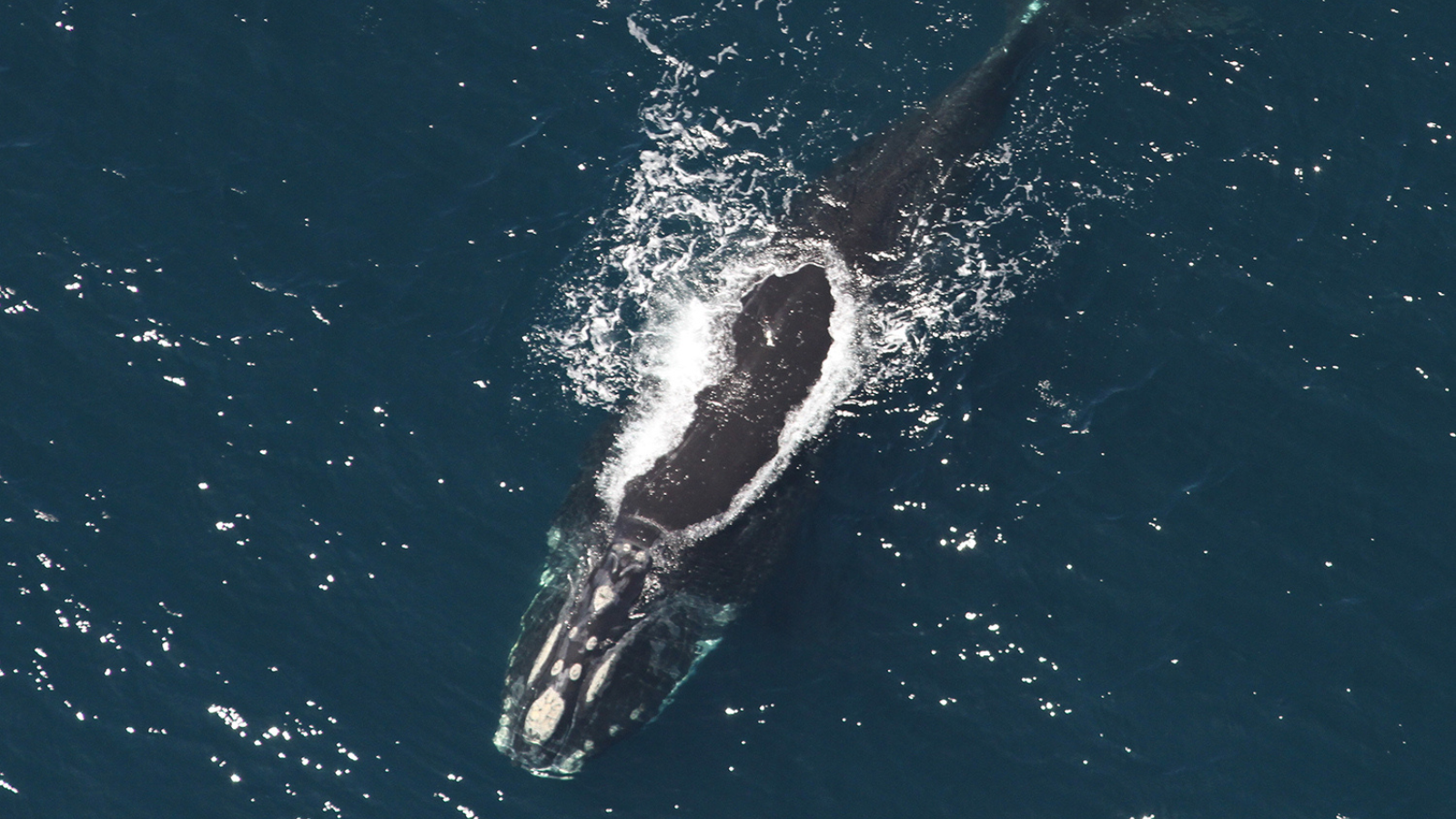
Deep-sea areas have less change in water movement. Animals like whales and squids use these places to hide until the storm ends.
- Move to deeper water layers
- Find areas with less wave action
- Use ocean currents to stay safe
Communication And Coordination
Ocean animals face strong storms like hurricanes. They use communication to stay safe and work together.
Coordination helps them find shelter and avoid danger during these storms.
Group Behavior During Hurricanes
Many ocean animals form groups to protect each other. They swim close to stay together.
Groups move as one to find safer waters and avoid strong currents during hurricanes.
- Fish schools tighten their formation to reduce risk.
- Dolphins swim in pods to support each other.
- Turtles dive deep to avoid waves and stay calm.
Signals And Alerts Among Species
Ocean animals use sounds and movements to warn about storms. These signals help others prepare.
Some animals change their calls to alert friends and family of danger.
- Whales produce loud calls to guide their group.
- Fish release chemicals to warn nearby creatures.
- Crabs tap shells to send vibration signals.

Credit: www.yahoo.com
Post-hurricane Recovery
Hurricanes cause strong waves and heavy rain that change ocean homes. Many ocean animals lose their shelters during storms.
After a hurricane, animals and nature work to heal and rebuild. This process is called post-hurricane recovery.
Rebuilding Habitats
Ocean habitats like coral reefs and seagrass beds get damaged by storms. These places need time to grow back.
Some animals help rebuild by moving pieces of coral or planting new grasses. This helps homes return faster.
- Coral animals grow new skeletons to repair reefs
- Seagrass spreads through roots to cover ocean floors
- Fish return to cleaned and recovered areas
Resilience And Adaptation Over Time
Ocean animals learn to survive storms by changing their behaviors. They may hide deeper or find safer places to stay.
Over many storms, animals and plants adapt. This helps ocean life stay strong and recover faster after hurricanes.
- Some fish swim to calm waters during storms
- Corals become stronger to resist wave damage
- Seagrass beds grow faster after storms to replace lost plants
Scientific Research And Discoveries
Ocean animals face huge challenges during hurricanes. Scientists study how these animals survive strong winds and rough seas. Research helps us understand their behavior and safety.
New findings show animals use smart ways to avoid danger. Tracking their responses gives clues about their survival skills.
Tracking Animal Responses
Researchers attach small trackers to marine animals. These devices record movement, depth, and water conditions. Data shows how animals change behavior during storms.
- Some fish swim to deeper water to avoid strong currents.
- Turtles find sheltered bays to stay safe.
- Whales may change their migration routes.
- Crustaceans hide under rocks or burrow in the sand.
Technological Advances In Study
New technology allows better study of ocean animals during hurricanes. Sensors and satellites track storms and animal locations at the same time.
| Technology | Purpose | Example |
| Satellite Tags | Track animal location over long distances | Whales, sharks |
| Acoustic Sensors | Record animal sounds and movements underwater | Dolphins, fish |
| Remote Cameras | Observe behavior without disturbance | Coral reefs, sea turtles |
| Weather Buoys | Measure storm strength and water conditions | Ocean monitoring |

Credit: www.insidehook.com
Frequently Asked Questions
How Do Ocean Animals Detect Approaching Hurricanes?
Ocean animals sense changes in water pressure, temperature, and currents. These cues help them detect hurricanes early and prepare to respond.
What Survival Strategies Do Marine Animals Use During Hurricanes?
Marine animals seek shelter in reefs, burrows, or deeper waters. These strategies protect them from strong waves and turbulent conditions.
Can Ocean Animals Migrate To Avoid Hurricanes?
Yes, many species migrate away from storm paths. Migration helps them avoid dangerous conditions and find safer habitats during hurricanes.
How Do Coral Reefs Help Marine Life During Hurricanes?
Coral reefs act as natural barriers, reducing wave impact. They provide shelter and protect smaller animals from strong storm forces.
Conclusion
Ocean animals have remarkable survival skills during hurricanes. They use instincts to find shelter. Deep waters often provide safety. Animals adapt to changing conditions quickly. Their bodies withstand strong currents. Some even use the storm to their advantage. Feeding becomes easier with stirred-up nutrients.
Nature equips them with resilience. This ensures they thrive, even in harsh weather. By understanding their strategies, we appreciate their strength. It also highlights the importance of protecting marine life. Each species plays a crucial role in the ecosystem. Their survival during hurricanes showcases nature’s incredible design.