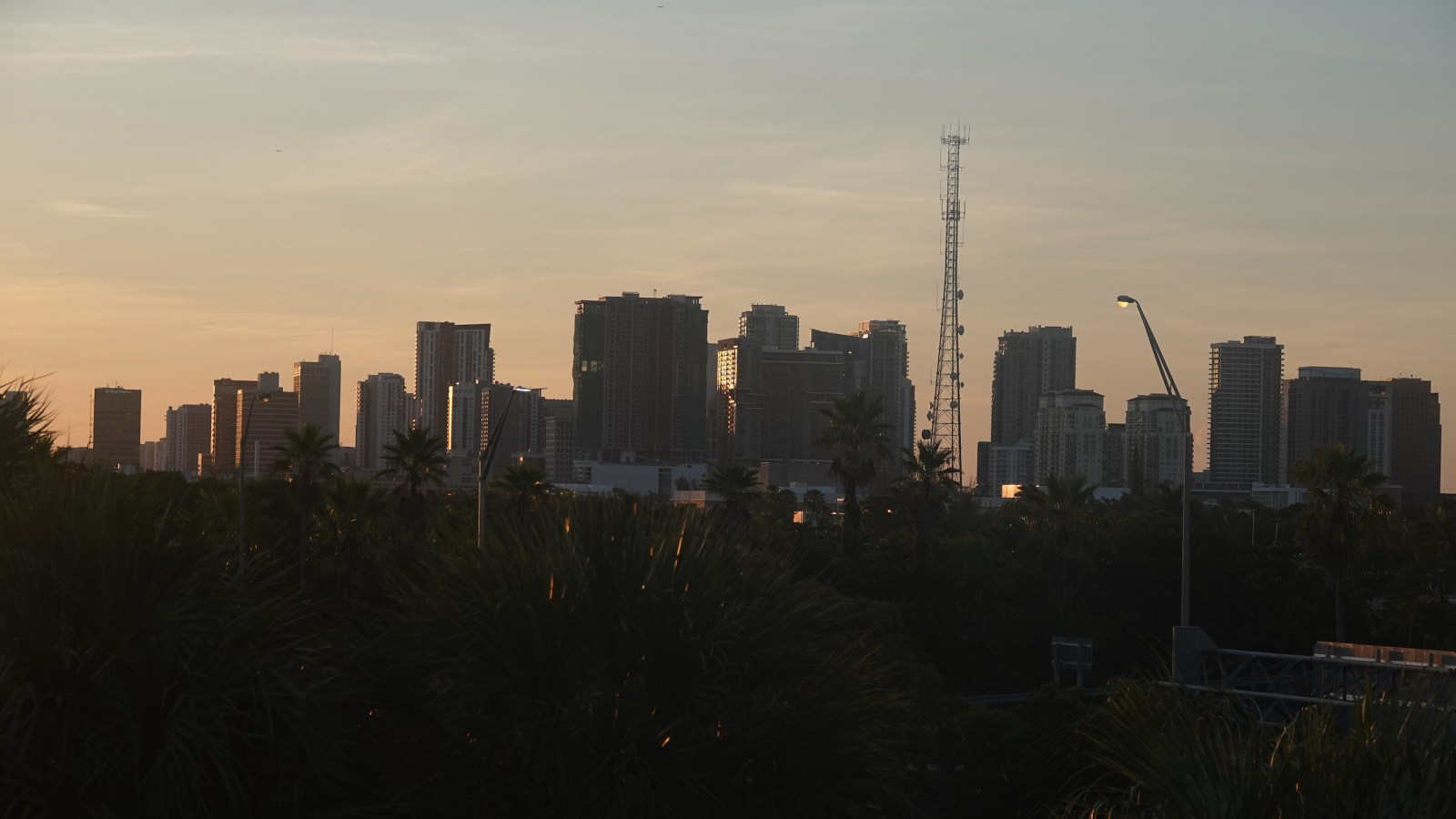
How Do Skyscrapers Survive Hurricanes: Engineering Marvels Unveiled
Have you ever stood in awe beneath a towering skyscraper, marveling at its sheer height and grandeur? Now imagine that same structure standing firm against the raging winds of a hurricane.
It’s a fascinating thought, isn’t it? You might wonder, “How do these architectural giants manage to withstand such fierce storms? ” The answer lies in the incredible engineering and smart design behind them. You’ll discover the secrets that keep skyscrapers standing tall, even when Mother Nature unleashes her fury.
Prepare to be amazed at how innovation and technology work together to protect these urban giants—and maybe even your own safety. Curious? Keep reading to uncover the marvels that make skyscrapers not just feats of architecture, but true survivors.
Skyscraper Design For Wind Resistance
Skyscrapers face strong winds during hurricanes. Designers use special methods to keep them safe. These methods help buildings stand tall and steady.
Wind resistance is a key part of skyscraper safety. Engineers study wind behavior and build structures that handle strong gusts without damage.
Aerodynamic Shapes And Wind Flow
Shaping a skyscraper to reduce wind pressure is very important. Rounded corners and tapered tops help wind flow smoothly around the building. This lowers the force on the structure.
- Curved surfaces reduce wind drag
- Sloped edges guide wind upward
- Open spaces let wind pass through
- Twisted shapes break wind patterns
Structural Frameworks And Materials
Strong frameworks keep skyscrapers stable in hurricanes. Steel and reinforced concrete are common materials. These materials resist bending and breaking.
| Material | Use | Benefit |
| Steel | Frame structure | High strength and flexibility |
| Reinforced Concrete | Core walls and columns | Strong compression resistance |
| Glass | Facades | Impact-resistant and aerodynamic |
Damping Systems And Vibration Control
Damping systems reduce building sway from wind. They absorb energy and stop vibrations. These systems protect the structure and keep people safe inside.
- Mass Dampers: Heavy weights that move opposite to sway
- Viscous Dampers: Use fluid to absorb motion
- Tuned Sloshing Dampers: Use water movement to reduce vibrations
Credit: www.theguardian.com
Foundation And Load Distribution
Skyscrapers face strong winds and heavy rain during hurricanes. Their strength depends on how well they are built from the ground up.
The foundation and how the building spreads its weight are key to surviving storms. These parts keep the skyscraper steady and safe.
Deep Foundations And Anchoring
Skyscrapers use deep foundations to hold tight to the earth. These foundations go deep into the ground, reaching solid layers of soil or rock.
Anchoring connects the building firmly to its foundation. This stops the skyscraper from moving or tipping during strong winds.
- Piles are long columns driven deep into the ground
- Caissons are large, hollow cylinders filled with concrete
- Anchors tie the structure firmly to the foundation
Load Transfer Mechanisms
Load transfer means moving the building’s weight safely to the ground. Skyscrapers use strong beams and columns to share the load.
These parts work together to spread forces from wind and rain evenly. This keeps any one part from breaking or bending too much.
- Columns carry vertical weight down to the foundation
- Beams spread weight across floors and walls
- Shear walls resist sideways forces from wind
- Bracing adds extra support during strong winds
Soil And Site Considerations
The soil type affects how well a skyscraper stands during a hurricane. Engineers study the soil to design the right foundation.
Building on stable soil reduces risks. Weak soil may need extra work to make sure the skyscraper stays safe.
- Rock or dense soil offers strong support
- Soft soil may require deep piles or soil improvement
- Engineers check for water levels and drainage
- Site shape affects how wind hits the building
Impact Of Hurricane Forces
Skyscrapers face powerful forces during hurricanes. These forces test the strength and design of tall buildings. Understanding these forces helps engineers build safer structures.
Wind, rain, and flying debris all affect skyscrapers differently. Each factor requires special design features to protect the building and its occupants.
Wind Speeds And Pressure Effects
Hurricanes produce very high wind speeds that push against skyscraper walls. This creates pressure that can bend or break parts of the building. Engineers design buildings to handle these forces with strong frames and flexible materials.
- Wind pressure varies on different sides of the building
- Wind can cause vibrations or swaying
- Buildings have dampers to reduce motion
- Windows use impact-resistant glass to withstand pressure
Rain And Flooding Challenges
Heavy rain and flooding can damage the lower floors and foundations of skyscrapers. Water can enter through doors, windows, or underground areas. Drainage systems and waterproof barriers help keep water out.
| Challenge | Protection Method |
| Floodwater entering basement | Sealed basement walls and pumps |
| Water leaks through windows | Waterproof window seals |
| Rain damage to exterior | Water-resistant building materials |
| Poor drainage on site | Advanced drainage design |
Debris Impact And Protection
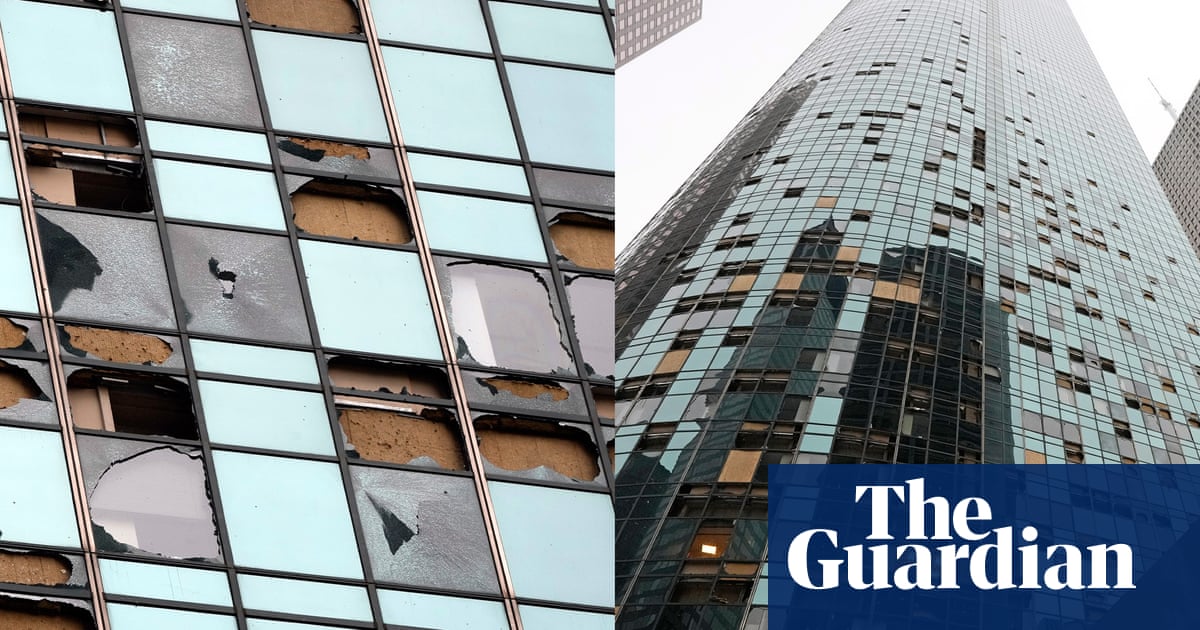
Flying debris can break windows and damage walls during hurricanes. Skyscrapers use tough materials and protective screens to reduce this risk. The design also limits loose objects that debris can hit.
- Use of impact-resistant glass on all windows
- Metal screens or shutters on vulnerable openings
- Strong exterior cladding to absorb impacts
- Secure rooftop equipment to prevent debris
Building Codes And Standards
Skyscrapers must follow strict building codes to survive hurricanes. These rules help protect buildings from strong winds and heavy rain.
Building codes set the minimum safety requirements. They guide architects and engineers on how to design strong, safe skyscrapers.
Hurricane-resistant Regulations
Regulations require buildings to resist hurricane forces. They focus on wind speeds, pressure, and impact from debris.
These rules include rules for windows, walls, roofs, and foundations. They ensure the building can handle extreme weather.
- Use of impact-resistant glass on windows
- Reinforced concrete and steel frames
- Secure roof attachments
- Strong foundation anchoring
Testing And Simulation Methods
Engineers test materials and designs in labs to check hurricane strength. They use wind tunnels and computer simulations.
Simulations predict how skyscrapers react to wind and rain. This helps improve building designs before construction.
- Wind tunnel testing with scale models
- Computer models simulating wind pressure
- Impact tests with flying debris
- Stress tests on building materials
Updating Codes For Climate Change
Building codes are updated to match changing climate risks. Stronger storms need stronger building rules.
Experts review new weather data and improve safety standards. This helps skyscrapers stay safe in future hurricanes.
- Raising wind speed requirements
- Adding flood resistance measures
- Improving emergency power and systems
- Encouraging use of resilient materials
Innovations In Hurricane-resilient Technology
Skyscrapers face strong winds and heavy rain during hurricanes. New technology helps these tall buildings stay safe and stable. Engineers use smart tools and materials to protect them from damage.
Understanding these innovations shows how buildings can resist hurricanes and keep people safe inside.
Smart Sensors And Monitoring
Smart sensors are installed in skyscrapers to watch the building’s condition. These sensors send real-time data about wind pressure, movement, and structural stress. This helps engineers fix problems fast and avoid damage.
- Measure wind speed and direction
- Detect building sway and vibrations
- Monitor cracks or shifts in structure
- Alert maintenance teams immediately
Energy-absorbing Materials
New materials can absorb energy from strong winds and impacts. These materials reduce the force that hits the building, lowering the risk of damage. They also help the building return to its original shape after a storm.
| Material | Function | Benefit |
|---|---|---|
| Viscoelastic Dampers | Absorb vibrations | Reduce building sway |
| Shape Memory Alloys | Return to original form | Fix structural bends |
| Fiber-Reinforced Polymers | Strengthen surfaces | Prevent cracks and breaks |
Adaptive Structural Systems
Adaptive systems change how a building reacts to hurricanes. These structures can adjust their shape or stiffness based on wind forces. This control helps keep the building steady and safe during storms.
- Active mass dampers move to balance building sway
- Adjustable braces change stiffness as needed
- Smart joints allow controlled movement

Credit: www.discovermagazine.com
Case Studies Of Hurricane-surviving Skyscrapers
Skyscrapers face extreme forces during hurricanes. Winds and rain test their strength and design. Some buildings have stood strong through major storms.
Studying these buildings helps engineers improve future skyscrapers. Understanding what works is key to safer cities.
Notable Buildings And Their Features
Many tall buildings have survived hurricanes due to special features. These include strong frames, wind-resistant glass, and flexible foundations.
- One World Trade Center, New York:Uses a strong steel frame and reinforced concrete core.
- Bank of America Tower, Miami:Has impact-resistant glass and storm shutters.
- Salesforce Tower, Houston:Designed with deep foundations to resist flooding and strong winds.
- JPMorgan Chase Tower, Houston:Features a flexible design to absorb wind forces.
Lessons From Past Storms
Past hurricanes show how buildings respond to strong winds and water. Damage often comes from flying debris and water pressure.
Engineers learned that strong frames and protective windows reduce damage. Flexible structures prevent collapse by bending instead of breaking.
- Use of impact-resistant glass stops window breakage.
- Reinforced concrete cores add strength.
- Flexible joints allow buildings to sway safely.
- Storm shutters protect openings from debris.
Future Trends In Skyscraper Engineering
New skyscraper designs focus on stronger materials and smart technology. These help buildings survive stronger storms in the future.
Engineers plan to use sensors that monitor wind and movement. This data can help protect buildings during hurricanes.
- Advanced materials like carbon fiber for stronger frames
- Smart sensors to track building stress in real time
- Improved aerodynamic shapes to reduce wind pressure
- Flood-resistant designs to handle rising water levels

Credit: www.sun-sentinel.com
Frequently Asked Questions
How Do Skyscrapers Resist Hurricane Winds?
Skyscrapers use aerodynamic designs to reduce wind pressure. They have flexible structures that absorb and dissipate wind energy. Engineers incorporate dampers to minimize sway during strong winds, ensuring stability and safety.
What Materials Protect Skyscrapers From Hurricane Damage?
High-strength steel and reinforced concrete are primary materials. These materials provide flexibility and durability against extreme wind forces. Specialized glass and window systems resist impact from flying debris during hurricanes.
How Are Skyscraper Foundations Designed For Hurricanes?
Foundations are deeply anchored into bedrock or stable soil layers. They are engineered to withstand uplift and lateral forces caused by hurricane winds. This ensures the building remains secure during severe weather.
Why Is Building Shape Important In Hurricane Resistance?
Streamlined shapes reduce wind load and vortex formation around structures. Rounded or tapered designs allow wind to flow smoothly, lessening pressure on the building. This reduces structural stress during hurricanes.
Conclusion
Skyscrapers stand tall because engineers design them to resist strong winds. They use strong materials and smart shapes to keep buildings steady. Deep foundations hold the towers firm during storms. Flexible structures help buildings bend without breaking. Ventilation systems reduce pressure inside the building.
These features work together to protect skyscrapers from hurricanes. Understanding these methods shows how science and design save lives. Next time you see a tall building, remember the careful planning behind it. Safety and strength go hand in hand in these giants.