How Do Fish Survive a Hurricane: Amazing Nature Survival Secrets
Have you ever wondered how fish manage to survive the fury of a hurricane? It’s a fascinating question that piques curiosity, especially for those who love the mysteries of the ocean.
When the ocean’s surface is being whipped by powerful winds and torrential rain, you might picture chaos beneath the waves. Yet, fish have evolved with incredible adaptations to endure these intense storms. Understanding these survival tactics not only satisfies your curiosity but also deepens your appreciation for nature’s resilience.
Stick around as we dive into the intriguing world of underwater survival during a hurricane. You won’t want to miss the surprising strategies fish use to weather the storm!
Fish Behavior Before A Hurricane
Fish can sense changes in the environment before a hurricane hits. They adjust their behavior to survive the storm.
This article explains how fish detect the storm, find safe places, and change their swimming.
Detecting Atmospheric Changes
Fish detect changes in water pressure and temperature. These changes warn them of an approaching hurricane.
Lower pressure and cooler water signal the storm’s arrival. Fish use their sensitive organs to feel this shift.
Seeking Shelter In Safe Zones
Before the hurricane, fish move to safer areas like coral reefs or underwater caves. These places protect them from strong waves.
- Coral reefs offer hiding spots and break waves
- Underwater caves shield fish from debris
- Deep waters provide calmer conditions
- Dense vegetation helps fish stay hidden
Changes In Swimming Patterns
Fish swim slower and stay close to the bottom. They avoid strong currents and reduce energy use.
| Behavior | Purpose |
| Swimming near the bottom | Avoid strong surface waves |
| Reduced speed | Save energy during rough water |
| Grouping in schools | Increase protection from predators |
Physical Adaptations For Survival
Fish face many challenges during hurricanes. Strong winds and rough waters make survival tough. Their bodies have special features to help them live through these storms.
These physical traits allow fish to swim well, stay safe, and avoid dangers. Understanding these helps us see how fish cope with hurricanes.
Streamlined Bodies For Strong Currents
Fish have sleek, smooth bodies shaped like torpedoes. This shape helps them cut through fast water with less effort. It stops them from getting pushed away by strong currents.
The streamlined body reduces drag and lets fish swim faster. This is very important during hurricanes when water moves quickly and chaotically.
Ability To Hold Position
Fish use strong fins and muscles to hold their place in water. They can anchor themselves near rocks or coral. This helps them avoid being swept away by storm waves.
Some fish can adjust their swimming speed and angle to stay stable. This skill keeps them from drifting into dangerous areas during hurricanes.
- Use fins to push against currents
- Stay close to stable surfaces
- Swim slower to save energy
Use Of Camouflage And Hiding Spots
Fish blend in with their surroundings to avoid predators during storms. Their colors and patterns mimic plants, rocks, or sand. This camouflage keeps them hidden.
They also hide in crevices, coral reefs, and underwater caves. These spots protect them from strong waves and dangerous animals stirred up by the hurricane.
Hurricane Impact On Marine Habitats
Hurricanes cause strong winds and heavy rain that affect oceans and marine life. The habitats underwater face many changes during these storms.
Fish and other sea creatures depend on these habitats to find food and shelter. Understanding how these places change helps us know how fish survive hurricanes.
Coral Reefs As Natural Shelters
Coral reefs protect fish by breaking the force of waves and currents. Their complex shapes give fish places to hide from strong water movement.
Reefs also provide food and breeding areas, helping fish stay safe during and after storms. Some fish take cover inside coral branches until the storm passes.
Mangroves And Seagrass Beds
Mangroves and seagrass beds act as buffers against hurricanes. They reduce water speed and trap sediments, protecting smaller fish and marine animals.
Fish use these areas as nurseries and hiding spots. The roots of mangroves and dense seagrass help fish avoid being swept away by strong currents.
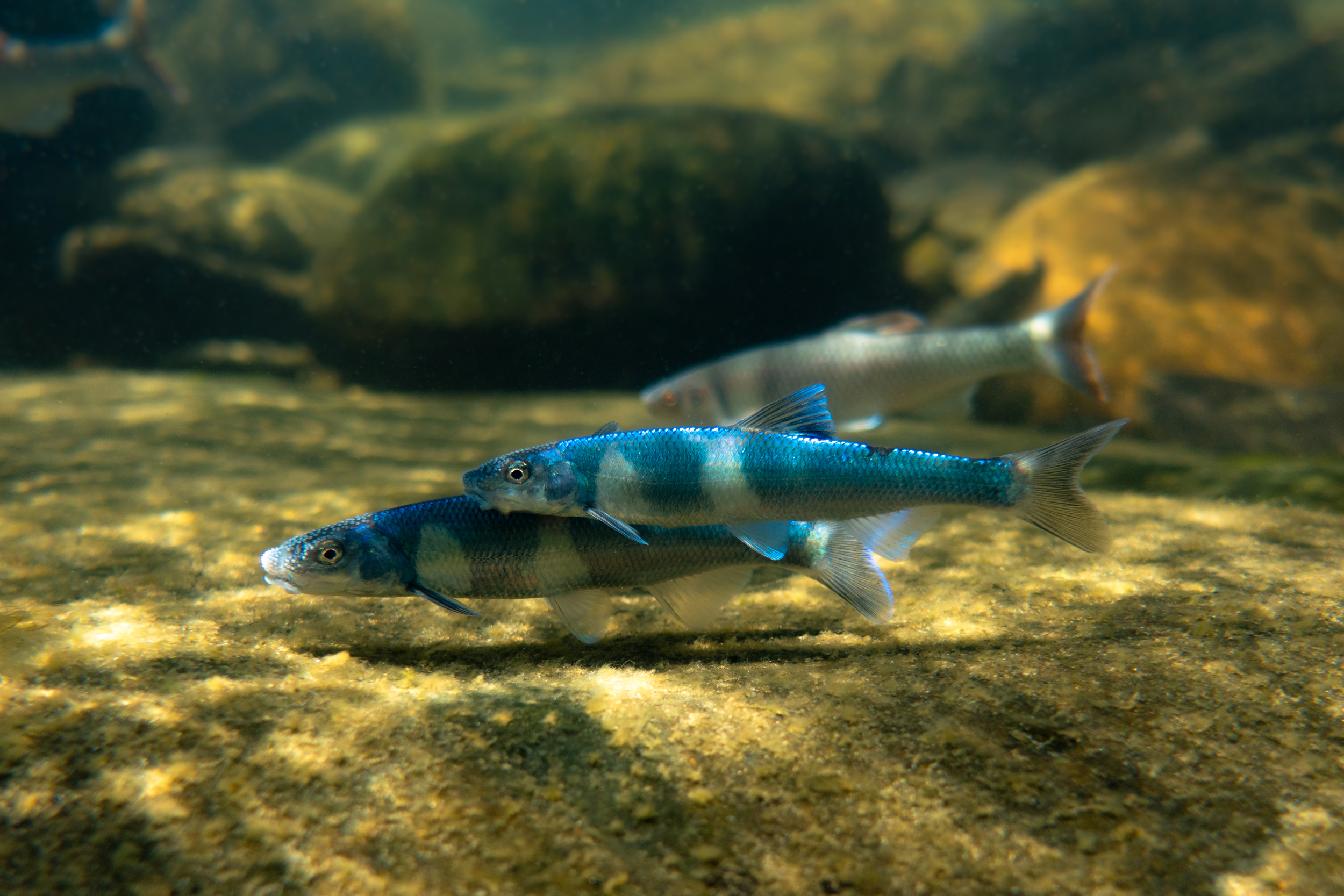
Temporary Habitat Shifts
During hurricanes, fish often move to safer places. They swim to deeper water or find calm areas to avoid strong waves.
This shift helps fish survive until the storm ends. After the hurricane, they return to their regular habitats to find food and shelter again.
Credit: insideclimatenews.org
Post-hurricane Recovery Strategies
Hurricanes can change underwater habitats quickly. Fish must adapt to survive after the storm.
They use special strategies to find food, reclaim space, and help their populations grow again.
Finding Food After The Storm
Strong currents can wash away food sources. Fish search new areas for food and eat what is available.
- Scavenge debris for small animals and plants
- Hunt smaller fish displaced by the storm
- Shift diet to include more algae or plankton
Reestablishing Territory
After the hurricane, fish must find safe spots to live again. They fight for the best shelters and hide from predators.
| Territory Strategy | Purpose |
|---|---|
| Claim coral reefs | Protection and food supply |
| Use underwater plants | Camouflage and shelter |
| Move to deeper waters | Safety from strong currents |
Breeding And Population Recovery
Fish work to rebuild their numbers after the storm. Breeding helps their species survive hard times.
- Find mates in safer areas
- Lay eggs in protected spots
- Care for young until they can swim away
- Grow population slowly to avoid food shortages
Scientific Studies On Fish Survival
Scientists study how fish survive during hurricanes. They learn about fish behavior and safety. These studies help us protect marine life.
Hurricanes cause strong winds and waves. Fish face many challenges in these storms. Research shows how fish move and change during hurricanes.
Tracking Fish Movements
Researchers use special tags to track fish. These tags send signals about fish location. Scientists follow fish before, during, and after storms.
Tracking helps show where fish swim to stay safe. Some fish move to deeper water. Others hide in coral reefs or underwater caves.
Observing Behavioral Changes
Fish change how they act during hurricanes. Scientists watch these changes closely. Fish may slow down or hide more to avoid danger.
Studies show fish can sense changes in water pressure and temperature. These signals help fish prepare for storms. Some fish group together for protection.
Technological Advances In Marine Research
New technology helps scientists study fish better. Underwater cameras and sensors collect detailed data. Drones can monitor large ocean areas during storms.
Computer models predict how hurricanes affect fish habitats. These tools improve understanding of fish survival. Technology lets researchers gather more accurate information.

Credit: www.inc.com
Lessons From Fish For Human Resilience
Fish live in water that can change quickly during a hurricane. They survive by using smart ways to stay safe. Humans can learn from fish how to be strong in tough times.
These lessons help us face storms, floods, and other dangers. Fish show us how to adapt, find shelter, and work together to survive.
Adaptability In Extreme Conditions
Fish adjust their behavior when the water becomes rough. They swim to calmer areas or change their depth to avoid strong currents. This helps them stay safe during hurricanes.
Humans can adapt by changing plans and staying flexible. Being ready to face new problems helps us survive disasters.
- Fish move to calm waters to avoid danger
- They use their senses to detect changes
- People can prepare emergency plans and stay alert
Importance Of Safe Havens
Fish find safe places like reefs or deep pools to hide from strong waves. These safe spots protect them from harm during storms.
Humans also need safe shelters during hurricanes. Having a strong, secure place helps protect families and keeps them calm.
- Fish use natural shelters to avoid strong water
- Safe areas reduce stress and injury
- People should know safe locations before storms hit
Cooperation And Community Survival
Some fish swim in groups to protect each other from danger. This teamwork helps them confuse predators and stay strong.
Humans survive better when they help each other during disasters. Sharing resources and working together improves safety for all.
- Fish stay close to protect the group
- Groups share information about threats
- Communities can share supplies and support
Credit: thefisheriesblog.com
Frequently Asked Questions
How Do Fish Sense An Approaching Hurricane?
Fish detect changes in water pressure and temperature. They use these cues to anticipate storms and adjust their behavior accordingly.
Where Do Fish Hide During Hurricanes?
Fish seek shelter in deep waters, coral reefs, and underwater caves. These areas provide protection from strong currents and debris.
How Do Hurricanes Affect Fish Survival Rates?
Hurricanes can cause habitat destruction and food scarcity. However, many fish species have adapted to survive these natural disturbances.
Can Fish Swim Away From Hurricanes?
Fish may try to move to calmer waters. Their swimming ability helps them avoid the most dangerous parts of the storm.
Conclusion
Fish survive hurricanes by using natural instincts and safe habitats. They swim to deeper water or hide among coral and rocks. Strong currents and waves make survival hard, but fish adapt quickly. These animals have lived through storms for millions of years.
Their ability to find shelter helps protect them during rough weather. Understanding how fish cope shows nature’s strength and balance. It reminds us to respect the ocean and its creatures. Nature’s resilience is truly remarkable.