Can Succulents Survive Cold Weather? Expert Tips Revealed
Succulents are beloved for their low-maintenance charm and unique beauty. But when the cold weather approaches, you might find yourself wondering: can your succulents survive the chill?
As a succulent enthusiast, you know how rewarding it is to watch them thrive. Yet, the thought of winter’s icy grip may leave you feeling a bit anxious. Fear not! This article is here to ease your worries and offer you the insights you need.
Discover how to protect your green companions from the cold, ensuring they continue to bring joy and vibrancy to your space all year round. Keep reading to unlock the secrets of keeping your succulents safe and sound, even when the temperature drops.

Credit: espritlaita.com
Succulent Cold Tolerance
Succulents store water in their leaves and stems, helping them survive dry conditions. Cold weather can be tough for many succulents. Some types handle frost better than others.
Knowing which succulents tolerate cold helps you protect your plants. Watch for signs of cold damage to save your garden.
Types That Withstand Frost
Some succulents can survive light frost and cold snaps. These plants have adapted to colder climates or have natural protection.
- Hens and Chicks (Sempervivum): Hardy to -20°F (-29°C)
- Stonecrop (Sedum): Can survive down to 0°F (-18°C)
- Christmas Cactus (Schlumbergera): Tolerates temperatures as low as 50°F (10°C)
- Agave: Some species handle frost well, down to 20°F (-6°C)
- Yucca: Can survive light frost and snow
Signs Of Cold Damage
Cold damage can harm succulents quickly. Spotting early signs helps prevent plant loss. Watch for changes in color, texture, and growth.
| Symptom | Description | Action |
|---|---|---|
| Blackened or dark spots | Cells freeze and die, causing dark patches | Move plant to warmer place |
| Soft or mushy leaves | Freezing water inside cells breaks them | Trim damaged parts carefully |
| Leaf drop | Plant sheds leaves to save energy | Reduce watering and improve shelter |
| Wrinkled or shriveled leaves | Cold causes dehydration inside plant | Water lightly and protect from frost |
Protecting Succulents Outdoors
Succulents are tough plants, but cold weather can harm them. Protecting them outdoors helps them survive winter.
Knowing how to shield succulents from cold keeps them healthy and growing.
Best Shelter Options
Choose a place that blocks cold wind and frost. A sheltered spot near a wall or fence works well.
Using small greenhouses or cold frames offers extra warmth and protection for succulents.
- Place succulents near south-facing walls
- Use cold frames to trap heat
- Set up mini greenhouses for sensitive plants
- Keep plants off the ground to avoid frost
Using Mulch And Covers
Mulch helps keep soil warm and stops roots from freezing. Use straw or dry leaves around succulents.
Covers like frost cloths or old sheets protect leaves from frost without blocking sunlight.
- Apply 2-3 inches of mulch around the base
- Use breathable fabric covers for frost protection
- Remove covers during the day to allow light
- Do not use plastic directly on plants
Indoor Care For Succulents
Succulents can survive cold weather if kept indoors. They need the right care to stay healthy inside. This guide helps you create a good indoor environment for your plants.
Follow simple tips on lighting and watering to keep your succulents thriving during chilly months. Proper care indoors protects them from frost and cold damage.
Ideal Indoor Conditions
Succulents prefer warm, dry places inside. Keep the temperature between 60 and 80 degrees Fahrenheit. Avoid spots near cold drafts or heaters.
- Place succulents in rooms with stable temperatures
- Use well-draining pots to prevent water buildup
- Keep humidity low to mimic desert conditions
- Avoid overcrowding plants to allow air circulation
Lighting And Watering Tips
| Light Type | Duration | Watering Frequency |
| Bright indirect sunlight | 6 to 8 hours daily | Once every 2 weeks |
| Artificial grow lights | 10 to 12 hours daily | Once every 2 weeks |
| Low light areas | Not ideal | Water sparingly |
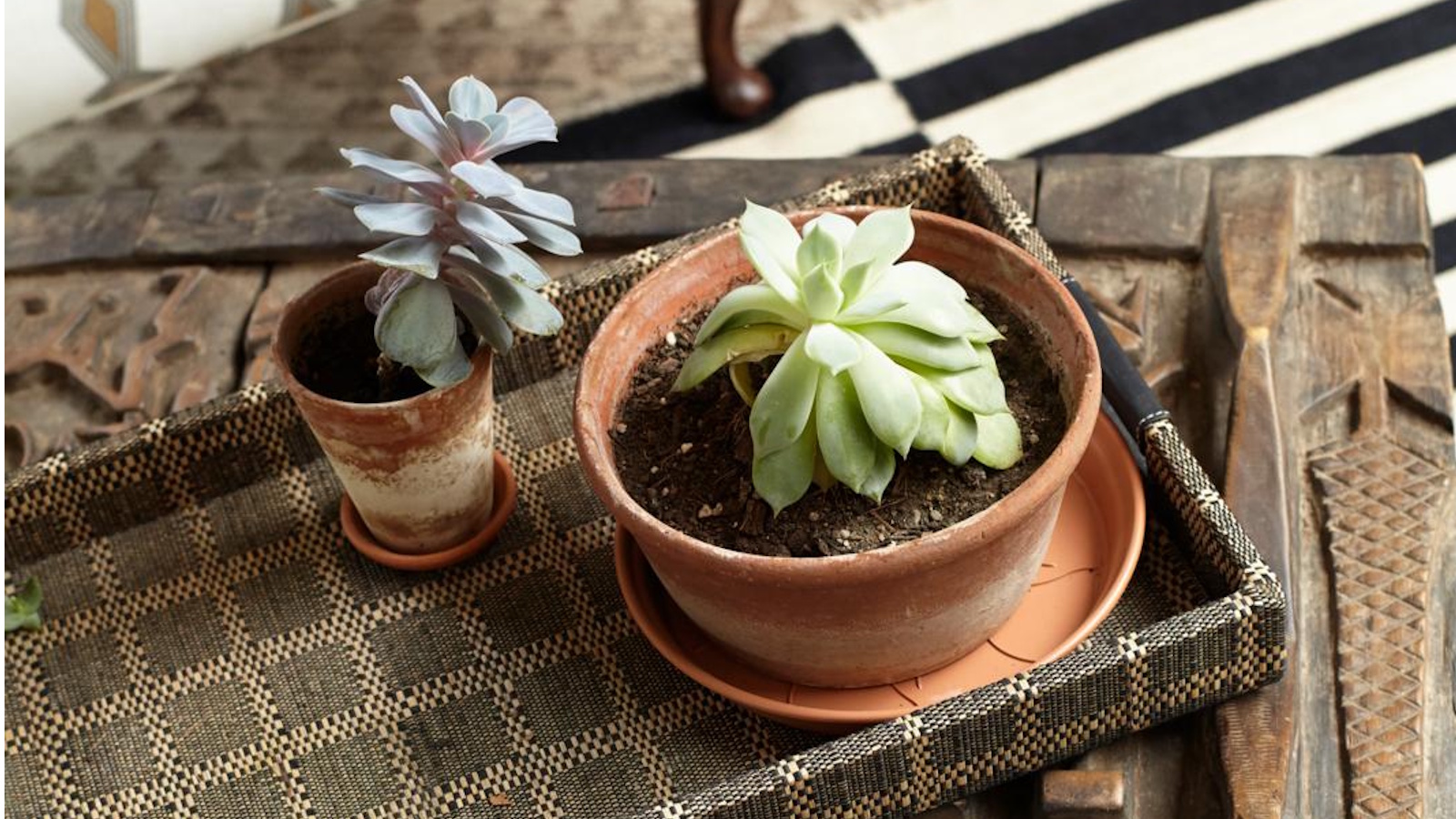
Succulents need bright light but not harsh sun indoors. Use a south-facing window or grow lights. Water only when the soil is dry to avoid root rot.
Credit: www.homesandgardens.com
Preventing Common Cold Issues
Succulents can face many problems in cold weather. Cold temperatures cause stress and damage. Knowing how to protect them helps them stay healthy.
This guide focuses on two main issues: overwatering and frostbite. Avoiding these problems keeps your plants safe during winter.
Avoiding Overwatering
Cold weather slows down a succulent’s growth. They need less water than usual. Too much water can cause root rot and kill your plant.
- Water succulents only when the soil is dry
- Use pots with good drainage holes
- Reduce watering frequency in winter
- Avoid watering late in the day to prevent cold soil
- Check for soggy soil before watering
Dealing With Frostbite
Frostbite happens when plant tissues freeze. It causes brown or black spots on leaves and stems. Protecting succulents from frost is key in cold areas.
| Symptom | Cause | Prevention |
| Blackened leaves | Freezing temperatures | Move plants indoors or use frost cloths |
| Soft, mushy stems | Cell damage from cold | Keep plants dry and warm |
| Leaf drop | Stress from frost | Provide wind protection and insulation |
Seasonal Succulent Maintenance
Succulents are tough plants but cold weather can harm them. Proper care helps them survive winter months.
Seasonal maintenance keeps succulents healthy during cold and helps them grow again after winter.
Preparing For Winter
Before cold weather starts, move succulents indoors or to a protected spot. Cold can freeze their leaves.
Reduce watering during winter. Succulents need less water because they grow slower in cold.
- Place succulents near bright windows for sunlight
- Use frost cloths or blankets if kept outside
- Check soil drainage to avoid waterlogging
- Keep plants away from cold drafts or vents
Post-winter Recovery
After winter, start watering succulents more often. Warm weather helps them grow faster.
Check plants for damage like soft or dark leaves. Remove dead parts to keep plants healthy.
- Move plants back to outdoor sunlight gradually
- Use balanced fertilizer to support growth
- Watch for pests that appear in spring
- Repot if soil looks old or compacted
Credit: m.youtube.com
Frequently Asked Questions
Can Succulents Survive Freezing Temperatures?
Most succulents cannot survive freezing temperatures below 32°F (0°C). They may suffer frost damage or die. Protect them by bringing indoors or covering during cold snaps.
Which Succulents Tolerate Cold Weather Best?
Cold-hardy succulents like Sedum, Sempervivum, and some Echeveria varieties tolerate frost and snow. These species can survive short periods of cold with minimal damage.
How To Protect Succulents In Winter?
Move succulents indoors or to a greenhouse during frost. Use frost cloths or mulch to shield outdoor plants. Avoid overwatering, as cold soil increases root rot risk.
What Temperature Is Too Cold For Succulents?
Temperatures below 28°F (-2°C) are generally too cold for most succulents. Prolonged exposure can cause cell damage and kill the plant. Prompt protection is essential.
Conclusion
Succulents can survive cold weather with the right care. Protect them from frost and keep soil dry. Choose hardy succulent types for better chances. Bring plants indoors when temperatures drop too low. Watch for signs of stress and act quickly.
Cold weather does not always mean the end. With simple steps, succulents can stay healthy all year. Remember, small efforts make a big difference. Growing succulents in cold climates is possible and rewarding.