How Do Deer Survive in Cold Weather: Essential Survival Secrets Revealed
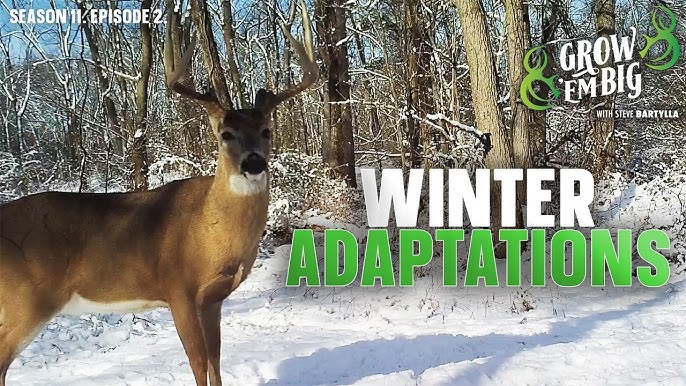
Ever wondered how deer manage to thrive in the biting cold of winter? As temperatures drop and snow blankets the ground, these graceful creatures continue to roam the wild.
What’s their secret? You’re about to uncover fascinating insights into the survival techniques of deer in harsh winter conditions. From their unique physical adaptations to their clever behavioral strategies, this article reveals how deer stay warm and well-fed when the world turns icy.
You’ll discover not only the resilience of these animals but also the intricate balance of nature that supports their survival. Curious to know more about how deer defy the winter chill? Keep reading to unravel the mysteries of their winter survival tactics.
Deer Adaptations To Cold
Deer live in places that get very cold in winter. They have special ways to stay warm. These adaptations help them survive harsh weather and find food.
Understanding how deer adapt shows us how animals cope with cold. Their bodies change to keep heat and energy during winter months.
Thick Winter Coat
Deer grow a thick winter coat to protect against cold winds and snow. This coat has two layers: a soft undercoat and long guard hairs. The undercoat traps warm air close to the skin. Guard hairs keep moisture out and block the wind.
- The undercoat is dense and fluffy.
- Guard hairs are hollow to trap air.
- The coat changes color to blend with winter surroundings.
- It sheds in spring to keep the deer cool.
Fat Reserves
Deer build fat reserves before winter starts. Fat stores energy and helps keep the body warm. It acts like insulation under the skin. Deer eat more in fall to gain fat for cold months.
| Season | Fat Level | Purpose |
| Summer | Low | Normal activity |
| Fall | High | Energy storage |
| Winter | Moderate | Heat and energy |
Body Temperature Regulation
Deer can control their body temperature to survive cold. They lower blood flow to their legs to reduce heat loss. Their breathing slows to save energy. These changes keep core temperature stable.
Here are some ways deer regulate temperature:
- Reducing blood flow to extremities
- Growing thicker fur in winter
- Seeking shelter in dense forests
- Changing posture to conserve heat

Credit: thetravelingoutdoorsman.com
Behavioral Strategies
Deer use many behaviors to survive cold weather. These actions help them stay warm and safe.
They change their habits to save energy and avoid harsh conditions during winter.
Seeking Shelter
Deer look for places that protect them from wind and snow. Thick forests and dense bushes are common shelters.
- Hide under evergreen trees
- Use natural landforms like hills
- Find areas with heavy brush for cover
- Stay in spots that block the cold wind
Reducing Activity
Deer move less in winter to save energy. They avoid running or traveling far unless needed.
By resting more, deer use less body fat and keep their strength.
Group Living Benefits
Deer often gather in groups during cold months. This helps them stay warmer and safer.
| Benefit | Description |
| Body Warmth | Group huddling conserves heat |
| Safety | More eyes to spot predators |
| Energy Saving | Shared shelter reduces heat loss |
Food And Water Sources
Deer face tough challenges in cold weather. Finding food and water becomes harder during winter months. Their survival depends on smart ways to get enough nutrition and hydration.
Deer adapt their habits to survive the cold. They change what they eat and how they find water. These changes help them stay healthy until spring arrives.
Winter Diet Changes
Deer eat different plants in winter than in other seasons. Leaves and grasses are scarce, so they rely on twigs, bark, and buds. These foods give deer energy to keep warm.
They also eat evergreen plants and fallen acorns. These sources provide fat and nutrients. Deer use stored body fat to survive when food is limited.
- Twigs from trees like maple and oak
- Bark from small branches
- Buds on trees before they bloom
- Evergreen leaves and needles
- Acorns and nuts found under snow
Foraging Techniques
Deer use their strong sense of smell to find hidden food. They dig through snow with their hooves to reach plants below. This helps them find food covered by snow.
Deer also move to areas with less snow. Open fields or forests with thinner snow cover are easier to forage. They spend more time searching in these places to find enough food.
- Use hooves to dig through snow
- Follow scents to buried food
- Move to areas with less snow
- Eat plants that stay green in winter
Accessing Water In Frozen Conditions
Water can freeze in cold weather, making it hard for deer to drink. They find water in streams that still flow under ice. Deer also eat snow to stay hydrated.
Eating snow helps but uses energy to melt it inside their bodies. Deer look for places where ice breaks or where water is shallow. This gives them better access to liquid water.
- Drink from open streams or rivers
- Eat snow when no liquid water is found
- Search for thin ice or broken ice spots
- Use shallow water sources under snow

Credit: www.youtube.com
Physical Traits Supporting Survival
Deer live in cold places and have special body features. These traits help them stay warm and safe during winter. Their bodies work well with nature’s cold challenges.
We will look at three main parts of their bodies. These include their hooves, breathing system, and muscle and fat setup. Each part has a role in helping deer survive cold weather.
Hoof Adaptations
Deer have hooves that change with the seasons. In winter, their hooves become harder and sharper. This helps them walk on ice and snow without slipping. The hooves also dig into frozen ground to find food.
- Hooves grow thicker in cold months
- Sharp edges provide better grip
- Hooves spread to support walking on snow
- Help in digging through ice and snow for plants
Nasal Passages And Breathing
Deer have special noses that warm cold air before it reaches their lungs. Their nasal passages are long and lined with tiny hairs. These hairs trap heat and moisture. This reduces heat loss and keeps their lungs safe.
| Feature | Function |
|---|---|
| Long Nasal Passages | Warm cold air before breathing |
| Tiny Hairs Inside Nose | Trap heat and moisture |
| Moisture Recovery | Keep lungs from drying out |
Muscle And Fat Distribution
Deer build up fat under their skin for warmth. Fat acts like a blanket that holds heat. They also have strong muscles to keep moving in deep snow. Muscles help create body heat through activity.
- Thick layer of fat under the skin
- Fat stores energy for winter use
- Strong muscles generate heat when moving
- Muscle helps deer escape predators in cold
Challenges In Harsh Winters
Deer face many problems during cold winters. Snow and low temperatures make survival hard.
They need to find food and stay safe while using less energy. These challenges shape their behavior.
Predator Threats
Predators find it easier to catch deer in snow. Deer move slower, making them more visible.
Deer must stay alert and use hiding spots. They often stay in groups to protect each other.
Energy Conservation
Deer reduce movement to save energy. They eat less but choose high-energy plants.
Thicker fur helps keep body heat. Deer lower their metabolism to survive cold times.
- Limit activity during the day
- Eat woody plants and bark
- Use sheltered areas to rest
- Grow thick winter coats
Impact Of Snow Depth
Deep snow makes it hard for deer to move and find food. They use trails made by other animals.
Snow also hides predators but can trap deer in some areas. Deer choose places with less snow.
- Snow slows down deer travel
- Hard to reach ground plants
- Use old paths to save energy
- Pick low snow areas for shelter

Credit: anilogics.com
Human Impact And Conservation
Deer face many challenges during cold weather. Human actions affect how they survive winter months. It is important to understand these effects and help protect deer.
Conservation efforts aim to keep deer populations healthy. These efforts focus on habitat, feeding, and population safety. Learning about these topics helps us support deer in cold weather.
Habitat Changes
Humans change land by building cities, roads, and farms. These changes reduce natural spaces where deer live. Less space means less food and shelter in winter.
- Forests are cut down for homes and businesses.
- Wetlands are drained and filled.
- Open areas turn into farms or roads.
- Natural corridors for deer movement disappear.
Winter Feeding Practices
People sometimes feed deer in winter to help them survive. Feeding can be helpful but must be done carefully. Wrong food or too much feeding can harm deer.
| Feeding Practice | Effect on Deer |
| Providing natural plants | Supports natural diet and health |
| Feeding corn or grains | May cause poor nutrition or crowding |
| Leaving food in one spot | Can increase disease risk |
| Feeding in small amounts | Helps avoid dependency |
Protecting Deer Populations
Conservation groups work to protect deer from harm. They create safe zones and set hunting rules. They also monitor health and numbers of deer.
Key actions to protect deer include:
- Maintaining natural habitats and corridors
- Regulating hunting seasons and limits
- Educating the public about responsible feeding
- Researching deer health and winter survival
Frequently Asked Questions
How Do Deer Keep Warm In Winter?
Deer grow a thick winter coat with hollow hairs that trap air for insulation. They also reduce activity to conserve energy and seek shelter in dense forests.
What Do Deer Eat During Cold Weather?
Deer switch to eating woody plants, twigs, and bark in winter. They rely on stored fat from fall to survive when food is scarce.
How Do Deer Find Food Under Snow?
Deer use their hooves to paw through snow and reach buried vegetation. Their keen sense of smell helps locate hidden food sources.
Do Deer Migrate To Avoid Cold Winters?
Most deer do not migrate far but move to sheltered areas with less snow. They adapt by changing their behavior and habitat use during winter.
Conclusion
Deer stay warm by growing thick fur in winter. They eat more food to keep energy high. Deer find shelter in dense trees and bushes. Their bodies slow down to save energy. These simple ways help deer live through cold months.
Nature’s design keeps them safe and strong. Watching deer adapt shows how life survives tough times. Cold weather is hard, but deer handle it well. Their survival skills are quiet and effective. Deer remind us how animals adjust to nature’s challenges.