Can Turtles Survive Cold Weather: Essential Survival Facts Revealed
Have you ever wondered how turtles, those slow-moving, shelled creatures, cope when temperatures drop? It’s a fascinating topic, especially for those of you who care deeply about wildlife or perhaps own a turtle as a pet.
You might assume that these reptiles, known for their sun-soaked days, would struggle in the cold. But the truth might surprise you. Imagine your turtle, nestled in its habitat, as the chilly air creeps in. What happens next? Will it be okay?
Understanding how turtles survive cold weather is not just interesting; it’s crucial for ensuring their well-being. By the time you finish reading this article, you’ll have a clearer picture of how these resilient creatures adapt to cold climates and what you can do to help them thrive. Keep reading to uncover the secrets of turtle survival in the cold and ensure your shelled friend stays safe and healthy.
Turtle Cold Tolerance
Turtles live in many places, some very cold. Their ability to survive cold weather varies widely. Some species can handle freezing temperatures well. Others need warmer homes to live safely.
Understanding how turtles survive cold helps protect them. It also shows how animals adapt to tough environments. Below, we explore species differences and their body changes.
Species Variation
Different turtle species handle cold in unique ways. Some live in places with harsh winters. Others stay in mild climates all year. Their cold tolerance depends on their habitat and genetics.
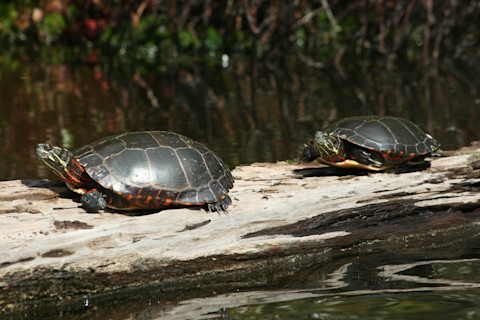
- Painted turtles can survive frozen ponds by slowing their heartbeat.
- Box turtles burrow into the soil to stay warm during cold months.
- Sea turtles do not tolerate cold well and migrate to warmer waters.
- Snapping turtles can hibernate underwater under ice for months.
Physiological Adaptations
Turtles use body changes to survive cold. These changes help them avoid damage from ice and low oxygen. Their metabolism slows down to save energy.
| Adaptation | Description | Benefit |
| Antifreeze Proteins | Protect cells from freezing damage | Prevents ice crystals in tissues |
| Reduced Heart Rate | Slows blood flow and oxygen use | Conserves energy in cold conditions |
| Hibernation | Long sleep during winter | Allows survival without food |
| Burrowing | Digging into mud or soil | Provides insulation from cold air |
Hibernation And Brumation
Turtles are cold-blooded animals. They cannot stay active in cold weather like warm-blooded animals.
They use special behaviors called hibernation and brumation to survive low temperatures.
Behavioral Changes
During cold weather, turtles slow down their body functions. This helps save energy. They stop eating and move less.
- Turtles find safe places like mud or under leaves.
- They stay hidden from predators and cold winds.
- Breathing slows, and their heart rate drops.
- They may stay underwater for long times.
Duration And Conditions
The length of hibernation or brumation depends on the weather and species. It can last from weeks to months.
| Condition | Hibernation | Brumation |
| Temperature | Below 50°F (10°C) | Above freezing but cold |
| Duration | Several months | Weeks to months |
| Activity | Almost none | Very low, occasional movement |
| Breathing | Very slow | Slow but regular |
Habitat Influence
Turtles face different challenges in cold weather depending on where they live. Their habitat plays a big role in how they survive the cold months.
This section explains how aquatic and terrestrial turtles cope with cold weather. It also looks at how shelter and microclimates help turtles stay safe and warm.
Aquatic Vs. Terrestrial Turtles
Aquatic turtles live in water, while terrestrial turtles live on land. These habitats affect their cold weather survival methods.
- Aquatic turtlesslow down and bury themselves in mud underwater.
- Terrestrial turtlesfind dry places like under logs or leaves to hibernate.
- Aquatic turtles rely on water temperature, which changes slower than air temperature.
- Terrestrial turtles face quick temperature drops and must find good shelter fast.
Shelter And Microclimates
Turtles use shelters and microclimates to protect themselves from cold. These places have stable temperatures and less wind.
| Shelter Type | Location | Benefits |
| Burrows | Underground | Keep stable temperature, block wind |
| Leaf litter | Forest floor | Insulates and hides turtles |
| Under rocks | Near water or land | Protects from cold air and predators |
| Mud at pond bottom | Underwater | Slows metabolism, keeps warm |
Credit: www.discovermagazine.com
Survival Strategies
Turtles face cold weather by changing how their bodies work. They use different ways to survive low temperatures. These changes help them stay alive until warm weather returns.
This section explains how turtles adjust their metabolism and oxygen use during cold times. These strategies are key for their survival in chilly conditions.
Metabolic Rate Adjustments
Turtles slow down their metabolism to save energy in cold weather. Their body processes become much slower, which reduces the need for food and oxygen.
- Reduce energy use by slowing heart rate
- Lower activity levels to conserve energy
- Enter a state of dormancy or hibernation
- Use stored fat for energy during winter
Oxygen Consumption
Turtles also change how they use oxygen in cold weather. They can survive with less oxygen by using special breathing methods and by reducing their oxygen needs.
| Oxygen Strategy | Description |
|---|---|
| Cutaneous Respiration | Absorbing oxygen through the skin when underwater |
| Lowered Breathing Rate | Slowing down breaths to save oxygen |
| Anaerobic Metabolism | Using energy without oxygen for short times |
Risks During Cold Weather
Turtles face many risks when the weather turns cold. Their bodies slow down to save energy. This makes them weaker and less active.
Cold weather can harm turtles in different ways. Some dangers come from the cold itself, and others come from animals looking for easy prey.
Frostbite And Hypothermia
Turtles can get frostbite if exposed to freezing temperatures too long. Their skin and limbs may get damaged. Hypothermia happens when their body temperature drops too low.
- Frostbite causes swelling and pain in turtle limbs.
- Hypothermia slows the turtle’s heart and breathing.
- Both conditions can lead to death if not treated.
- Turtles need shelter to avoid cold injuries.
Predation Vulnerability
Cold turtles move slowly and cannot defend themselves well. This makes them easy targets for predators like raccoons and birds.
| Predator | Risk to Turtle |
| Raccoons | Attack turtles in shallow water or on land |
| Birds of Prey | Pick off slow-moving turtles |
| Fish | May bite turtles if they are weak in water |

Credit: www.willyswilderness.org
Human Impact And Care
Turtles face many challenges from human actions. People keep turtles as pets and must care for them properly. Cold weather can be dangerous for turtles in captivity. Understanding how to care for turtles during winter helps keep them safe.
Wild turtles also suffer from habitat loss and pollution. Human impact affects their survival during cold months. Conservation efforts focus on protecting turtles and their homes.
Captive Turtle Winter Care
Turtles in captivity need special care in winter. They cannot always hibernate safely indoors. Owners must provide the right temperature and environment. Without proper care, turtles can get sick or die.
- Keep water temperature between 70°F and 75°F for aquatic turtles.
- Provide a basking spot with heat lamps around 85°F.
- Reduce feeding as turtles eat less in cold months.
- Offer clean water and a dry area for resting.
- Use a thermostat to avoid sudden temperature drops.
Conservation Challenges
Wild turtles struggle with cold weather and human threats. Roads, pollution, and habitat destruction make survival hard. Conservation groups work to help turtles live safely through winter.
| Threat | Impact on Turtles |
| Habitat Loss | Less space to hibernate and find food |
| Pollution | Water and land contamination harm health |
| Climate Change | Unusual cold spells or warm periods disrupt cycles |
| Road Traffic | Many turtles die crossing roads in fall |

Credit: www.willyswilderness.org
Frequently Asked Questions
Can Turtles Survive Freezing Temperatures?
Turtles can survive freezing by entering a state called brumation. They slow their metabolism and hide in mud or underwater. This helps them endure cold months safely.
How Do Turtles Adapt To Cold Weather?
Turtles adapt by reducing activity and oxygen needs. They burrow into soft soil or stay under water. This behavior protects them from freezing and conserves energy.
Do All Turtles Hibernate In Winter?
Not all turtles hibernate; it depends on species and location. Some remain active in mild climates, while others brumate during cold seasons to survive.
What Happens To Turtles In Winter?
Turtles enter brumation, a deep dormancy similar to hibernation. They slow down bodily functions and avoid food, conserving energy until warmer weather returns.
Conclusion
Turtles can survive cold weather by slowing down their body functions. They enter a state called brumation, like hibernation but for reptiles. During this time, turtles stay mostly still and breathe less. They find safe places underwater or buried in mud to stay warm.
Not all turtles handle cold well; some need warmer climates. Understanding their needs helps keep turtles healthy in winter. Nature equips turtles with ways to survive cold seasons. This shows how adaptable and strong turtles really are.