
Why Does Cortisol Help Survival in Cold Weather: Vital Insight
Have you ever wondered how your body fights the biting cold when temperatures drop? It’s not just about bundling up or finding warmth—there’s a powerful hormone working behind the scenes to keep you alive.
That hormone is cortisol. Understanding why cortisol helps you survive in cold weather can change the way you take care of yourself during chilly days. Ready to discover the secret your body uses to stay strong and warm? Keep reading to unlock how cortisol plays a crucial role in your survival.
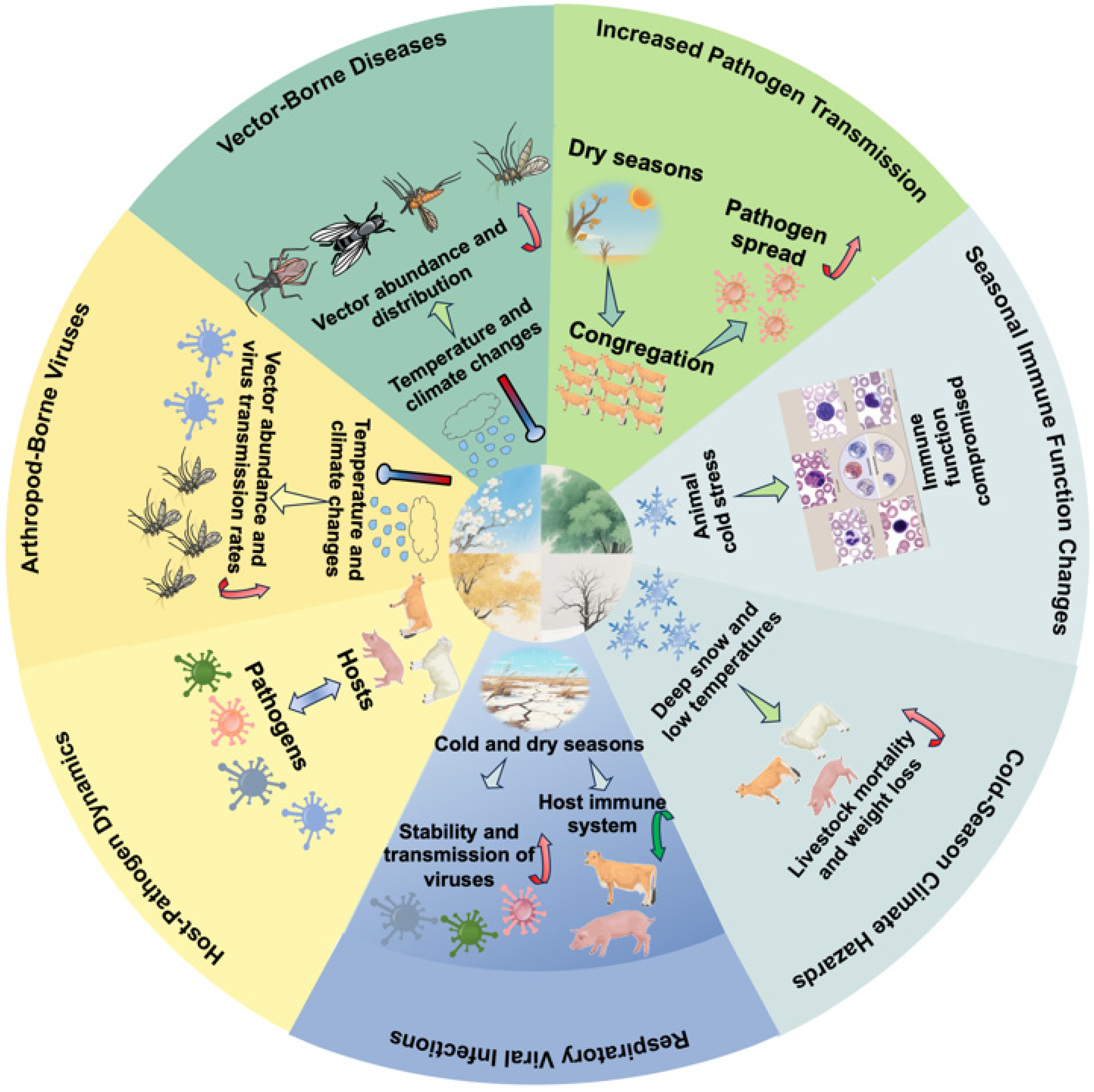
Credit: www.mdpi.com
Cortisol And Stress Response
Cortisol is a hormone that helps the body deal with stress. It plays an important role in keeping us safe during tough situations.
Cold weather is a kind of stress that triggers the body to respond. Cortisol helps the body manage this stress to improve survival chances.
Role Of Cortisol In The Body
Cortisol controls many body functions. It helps regulate metabolism and immune response. It also balances blood sugar levels and reduces inflammation.
- Increases energy by raising blood sugar
- Reduces swelling and pain from injury
- Controls use of fats, proteins, and carbs
- Supports brain function and mood stability
- Helps the body handle physical and mental stress
Cortisol Activation In Cold Conditions
When the body gets cold, cortisol levels rise. This activates the stress response system to protect the body from cold damage.
| Effect | How Cortisol Helps |
| Heat Production | Increases energy use to generate heat |
| Blood Sugar | Raises glucose levels for energy |
| Immune Response | Prevents excessive inflammation from cold stress |
| Fat Breakdown | Releases fatty acids for fuel |
| Heart Rate | Keeps blood flowing to vital organs |

Credit: www.theguardian.com
Metabolic Effects Of Cortisol
Cortisol is a hormone that helps the body respond to cold weather. It changes how the body uses energy. These changes help keep the body warm and working well in the cold.
This article explains how cortisol affects energy and fat during cold exposure. It shows why cortisol is important for survival in cold conditions.
Energy Mobilization During Cold Exposure
Cortisol helps the body release stored energy. It increases the breakdown of fats and proteins. This process gives the body fuel to make heat and stay active.
- Breaks down fat into fatty acids for energy
- Breaks down proteins into amino acids
- Increases glucose production for quick energy
- Supports muscle activity to generate heat
Fat And Glucose Regulation
Cortisol controls how fat and glucose move in the body. It raises blood sugar by making the liver create glucose. It also moves fat from storage to the blood.
| Effect | Role of Cortisol |
| Fat Breakdown | Increases release of fatty acids |
| Glucose Production | Stimulates liver to produce glucose |
| Blood Sugar | Raises glucose levels for energy |
| Energy Use | Supports tissues needing fuel |
Cortisol And Immune Function
Cortisol is a hormone that helps the body handle stress. It plays a big role in how the immune system works, especially in cold weather.
When the body is cold, cortisol helps keep the immune system balanced. This helps protect the body from sickness.
Modulating Inflammation
Cortisol controls inflammation in the body. Inflammation is the immune system’s way of fighting injury or infection.
Too much inflammation can harm the body. Cortisol lowers inflammation to keep it from getting too high.
- Reduces swelling and redness
- Prevents damage to tissues
- Keeps immune cells from overreacting
Protecting Against Cold-related Illnesses
Cold weather can make the body weaker and more prone to sickness. Cortisol helps protect against these risks.
It supports the immune system to fight infections like colds and flu. Cortisol also helps the body recover faster.
- Boosts energy to fight germs
- Limits damage from cold stress
- Helps heal after illness
Thermoregulation And Cortisol
Cortisol is a hormone that helps the body manage stress. It also plays a key role in keeping the body warm in cold weather.
Thermoregulation is the process of keeping the body’s temperature stable. Cortisol supports this process by affecting how the body produces and uses heat.
Influence On Heat Production
Cortisol helps increase heat production by boosting metabolism. It tells the body to break down fats and sugars for energy.
This energy turns into heat, which keeps the body warm. Cortisol also helps maintain blood flow to keep the skin warm.
- Raises metabolism to create more heat
- Breaks down fats and sugars for energy
- Improves blood flow to skin and muscles
Interaction With Other Hormones
Cortisol works with other hormones like adrenaline and thyroid hormones. Together, they help the body respond to cold.
Adrenaline speeds up heart rate and energy use. Thyroid hormones increase metabolism and heat production.
- Cortisol supports adrenaline’s quick energy release
- It helps thyroid hormones raise metabolism
- These hormones work together to keep body heat steady
Adaptation To Cold Environments
Cold environments challenge the body to keep warm and survive. Hormones play a key role in helping the body adapt. Cortisol is one important hormone that helps manage stress from cold weather.
Understanding how cortisol works can explain why it aids survival. This hormone supports energy use and protects the body during long exposure to cold.
Long-term Hormonal Adjustments
The body changes hormone levels over time to handle cold better. Cortisol levels rise to help the body stay alert and keep energy flowing. This helps maintain body heat and function.
- Increases glucose availability for energy
- Reduces inflammation caused by cold stress
- Supports metabolism to generate heat
- Helps the body adapt to prolonged cold exposure
Cortisol’s Role In Survival Strategies
Cortisol acts as a survival tool in cold weather. It balances energy needs and protects the body from damage. This hormone supports key functions during cold stress.
| Function | How Cortisol Helps |
| Energy Supply | Boosts sugar release for quick energy |
| Inflammation Control | Reduces swelling and tissue damage |
| Heat Production | Enhances metabolism to create warmth |
| Stress Response | Keeps the body alert and ready |

Credit: www.theguardian.com
Frequently Asked Questions
What Role Does Cortisol Play In Cold Weather Survival?
Cortisol helps regulate metabolism and energy use during cold stress. It boosts glucose availability, supporting vital organs and maintaining body heat. This hormone also reduces inflammation and modulates immune response, helping the body adapt and survive harsh cold conditions efficiently.
How Does Cortisol Affect Body Temperature In Cold?
Cortisol increases metabolism, generating more body heat to maintain core temperature. It stimulates glucose release for energy, crucial in cold environments. By enhancing heat production, cortisol helps prevent hypothermia and supports physical and mental functions during cold exposure.
Why Is Cortisol Important For Energy In Cold Weather?
Cortisol triggers glucose release from liver stores, providing quick energy. This energy supports muscle activity and vital organs in cold conditions. It ensures the body has enough fuel to sustain shivering and other heat-producing mechanisms essential for survival.
Can Cortisol Help Reduce Cold-induced Inflammation?
Yes, cortisol has anti-inflammatory properties. It limits tissue damage caused by cold stress and reduces swelling. This helps maintain proper blood flow and tissue function, improving the body’s ability to cope with prolonged exposure to cold temperatures.
Conclusion
Cortisol plays a vital role in surviving cold weather. It helps the body manage stress from cold temperatures. This hormone boosts energy and supports metabolism. It aids in maintaining body heat. Cortisol also strengthens the immune system during cold months.
Understanding its function can enhance our approach to cold environments. It’s a natural way our bodies adapt and survive. So, cortisol is more than just a stress hormone. It’s a key player in keeping us warm and safe. Embrace its benefits during chilly seasons.
Stay informed, stay warm.