What You Will Need to Survive a Hurricane: Essential Life-Saving Gear
When a hurricane is on the horizon, your top priority is to ensure your safety and the safety of your loved ones. You might feel a mix of anxiety and urgency, wondering if you have everything you need to weather the storm.
Imagine having a clear, comprehensive guide that not only eases your fears but also empowers you to take decisive action. This article is your lifeline, designed to equip you with essential knowledge and tools. As you read on, you’ll discover exactly what you need to gather, prepare, and safeguard to confidently face the challenges a hurricane might bring.
By the end, you’ll feel more prepared and in control, ready to tackle whatever the storm throws your way. Stay with us, and transform uncertainty into assurance.

Credit: www.cnn.com
Emergency Food And Water
Surviving a hurricane means having enough food and water. You may lose power and access to stores.
Planning ahead keeps you safe and healthy during the storm and after it passes.
Non-perishable Food Items
Choose foods that last long without refrigeration. These items help you stay nourished during emergencies.
- Canned vegetables and fruits
- Dry pasta and rice
- Peanut butter and nut butters
- Granola bars and trail mix
- Canned meats like tuna or chicken
- Powdered milk or shelf-stable milk
- Instant soups and noodles
- Crackers and dry cereal
Water Storage And Purification
Store enough clean water for drinking and cooking. Each person needs one gallon daily.
Keep water in clean, sealed containers. Use water purification methods if supply runs low.
- Store bottled water in a cool, dark place
- Use water purification tablets or drops
- Boil water for at least one minute before use
- Use a portable water filter for natural sources
Hydration Tips
Drink water regularly to avoid dehydration. Even if you do not feel thirsty, drink small amounts often.
Avoid sugary or caffeinated drinks. They can make you lose more water and feel tired.
- Keep a water bottle with you
- Take small sips if water is limited
- Use oral rehydration solutions if needed
- Eat foods with high water content, like canned fruits
Shelter And Clothing
Surviving a hurricane means having the right shelter and clothing. These keep you safe from wind, rain, and cold.
Focus on durable materials that protect you well. Prepare before the storm hits.
Waterproof Clothing
Waterproof clothing keeps your body dry during heavy rain. Wet clothes can cause illness and discomfort.
- Wear waterproof jackets and pants made from breathable materials.
- Use waterproof boots to keep your feet dry.
- Choose gloves and hats with water-resistant fabrics.
- Layer clothes to stay warm and dry.
Durable Shelter Options
Strong shelter protects you from wind and rain. Choose sturdy and secure options.
| Shelter Type | Description | Best Use |
| Tent with waterproof cover | Easy to set up and carry | Short-term outdoor use |
| Storm-proof room | Built with reinforced walls and windows | Home safety during hurricanes |
| Emergency shelter kit | Includes tarps and ropes | Quick shelter setup |
Warmth And Protection
Keep warm to avoid hypothermia. Protect your skin from injuries.
- Wear insulated clothing under waterproof layers.
- Use thermal blankets or sleeping bags inside shelters.
- Cover exposed skin with gloves and scarves.
- Have sturdy shoes to protect feet from debris.
First Aid Supplies
Preparing first aid supplies is important to stay safe during a hurricane. You need items to treat minor injuries and manage health problems.
Keep your first aid kit ready and stocked with the right tools. Check it often to make sure nothing is missing or expired.
Basic Medical Kit
A basic medical kit helps you handle cuts, scrapes, and minor burns. It should be easy to carry and use in emergencies.
- Adhesive bandages of various sizes
- Antiseptic wipes and ointment
- Sterile gauze pads and adhesive tape
- Scissors and tweezers
- Disposable gloves
- Thermometer
- Instant cold packs
- Elastic bandages for sprains
Medications And Prescriptions
Bring enough medicine for all family members. Keep prescriptions in a safe and waterproof container.
| Type | Examples | Notes |
| Pain Relievers | Ibuprofen, Acetaminophen | For headaches and muscle pain |
| Allergy Medicine | Antihistamines | For allergic reactions |
| Prescriptions | Heart, diabetes, asthma meds | Bring enough for several days |
| Digestive Aids | Antacids, anti-diarrheal | Relieve stomach issues |
Injury Prevention Tools
Preventing injuries is key during a hurricane. Use tools to protect yourself and your family.
- Heavy-duty gloves to handle debris
- Protective eyewear to block dust and flying objects
- Face masks to avoid breathing dust and mold
- Flashlights with extra batteries for safe movement
- Whistle to signal for help if trapped
Communication Devices
Communication is key during a hurricane. It helps you stay informed and safe. You need reliable devices that work without power.
Here are important communication tools to prepare before a storm hits.
Battery-powered Radios
Battery-powered radios let you hear weather updates and emergency alerts. They work when the power is out. Choose radios with long battery life and easy tuning.
Chargers And Power Banks
Chargers and power banks keep your phones and radios running. They store energy to use when outlets fail. Pick power banks with high capacity and multiple ports.
- Charge all devices before the storm
- Keep power banks fully charged
- Use solar chargers if possible
- Store extra batteries for devices
Emergency Contact Tools
| Tool | Purpose | Tips |
|---|---|---|
| Pre-written Contact List | Quickly reach family and friends | Keep printed and digital copies |
| Whistle or Signal Mirror | Attract help if trapped | Easy to carry in your emergency kit |
| Two-way Radios | Communicate with nearby people | Test before the storm |
Lighting And Tools
Having the right lighting and tools is vital during a hurricane. Power outages can last for days. Good lighting helps you move safely in the dark.
Tools help you fix problems and stay safe. Prepare these items before the storm arrives.
Flashlights And Lanterns
Flashlights and lanterns provide light without electricity. Choose ones with long battery life and bright bulbs. Keep extra batteries ready.
- LED flashlights use less power and last longer
- Battery-powered lanterns light up a room evenly
- Headlamps free your hands for work
- Solar or crank lanterns do not need batteries
Multi-purpose Tools
Multi-purpose tools save space and help with many tasks. They can open cans, cut ropes, and fix small damages. Keep one in your emergency kit.
| Tool | Use |
|---|---|
| Multi-tool knife | Cutting, screwing, opening cans |
| Adjustable wrench | Tighten or loosen bolts |
| Hammer | Drive nails, break objects |
| Screwdrivers | Fix appliances and furniture |
Fire-starting Equipment
Fire-starting tools help you cook and stay warm. Carry waterproof matches and lighters. Store fire starters like cotton balls or small sticks.
- Waterproof matches in a sealed container
- Windproof lighter
- Fire starter materials
- Small knife to prepare kindling

Credit: weather.thefuntimesguide.com
Personal Safety Gear
Personal safety gear is essential to protect yourself during a hurricane. These items help keep you safe from water, debris, and loud noises.
Wearing the right gear can reduce injuries and increase your chances of staying safe in dangerous conditions.
Life Jackets And Floatation Aids
Life jackets keep you afloat if you are caught in floodwaters. They help prevent drowning during strong currents.
Floatation aids like inflatable vests or arm bands can also help if you cannot swim well. Always choose a well-fitted life jacket.
- Choose life jackets with proper buoyancy for your weight
- Ensure the jacket fits snugly without slipping off
- Wear it anytime you are near or in water
- Check for damage before use
Protective Helmets
Helmets protect your head from falling debris during a hurricane. They reduce the risk of serious head injuries.
Use sturdy helmets like bike helmets or construction helmets. Avoid thin or soft hats that offer no protection.
- Wear helmets when in damaged buildings or outdoors
- Check that the helmet fits well and fastens securely
- Look for helmets with hard outer shells
- Replace helmets after heavy impact
Eye And Ear Protection
Strong winds and debris can hurt your eyes during a hurricane. Protect your eyes with safety goggles or glasses.
Ear protection helps block loud noises like thunder and sirens. Use earplugs or earmuffs to reduce noise damage.
- Choose goggles that fit tightly and do not fog easily
- Use earplugs if you expect loud, continuous noise
- Wear earmuffs for longer noise exposure
- Keep spare eye and ear protection in your emergency kit
Important Documents And Cash
Preparing for a hurricane means keeping your important papers safe. You also need cash because ATMs might not work.
Having these items ready helps you stay calm and organized during the storm.
Waterproof Document Storage
Keep your documents in a waterproof container to protect them from water damage. Use plastic bags or special waterproof boxes.
- Use zip-lock bags for small papers.
- Store boxes off the ground to avoid flood damage.
- Label containers clearly for quick access.
Essential Identification
Gather all ID cards, passports, and health insurance papers. These help prove your identity and get aid if needed.
| Document | Why You Need It |
| Driver’s License | Proves your identity |
| Passport | Needed for travel or ID |
| Health Insurance Card | For medical help |
| Birth Certificate | Proof of citizenship |
Emergency Cash Reserves
Keep cash in small bills because credit cards may not work during power outages. Store money in a safe, hidden place.
- Save a mix of $1, $5, $10, and $20 bills.
- Check your cash regularly for damage.
- Keep cash in a waterproof pouch.
Preparing Your Home
Preparing your home before a hurricane is essential for safety. Taking the right steps helps protect your family and property.
Focus on securing openings, managing utilities, and having power backups ready. These actions reduce damage and keep you safe.
Securing Windows And Doors
Windows and doors are vulnerable during a hurricane. Strong winds and flying debris can break glass and cause injury.
- Install storm shutters or plywood panels over windows.
- Reinforce door frames and hinges with heavy-duty hardware.
- Use weather stripping to seal gaps around doors and windows.
- Check and repair any broken locks or handles.
- Close and lock all doors and windows securely before the storm.
Utility Shutoff Tools
Knowing how to shut off utilities can prevent fires and floods. You need the right tools and knowledge to act fast.
| Utility | Shutoff Location | Tool Needed |
| Water | Near the main water meter | Adjustable wrench |
| Gas | Outside gas meter valve | Pipe wrench or pliers |
| Electricity | Main circuit breaker panel | No tool required, switch off breakers |
Backup Power Solutions
Power outages often happen during hurricanes. Backup power can keep essential devices running.
Consider these backup options:
- Portable generators with enough fuel
- Uninterruptible power supplies (UPS) for small electronics
- Solar chargers for phones and small devices
Always test your backup power before the storm. Keep safety in mind when using generators.
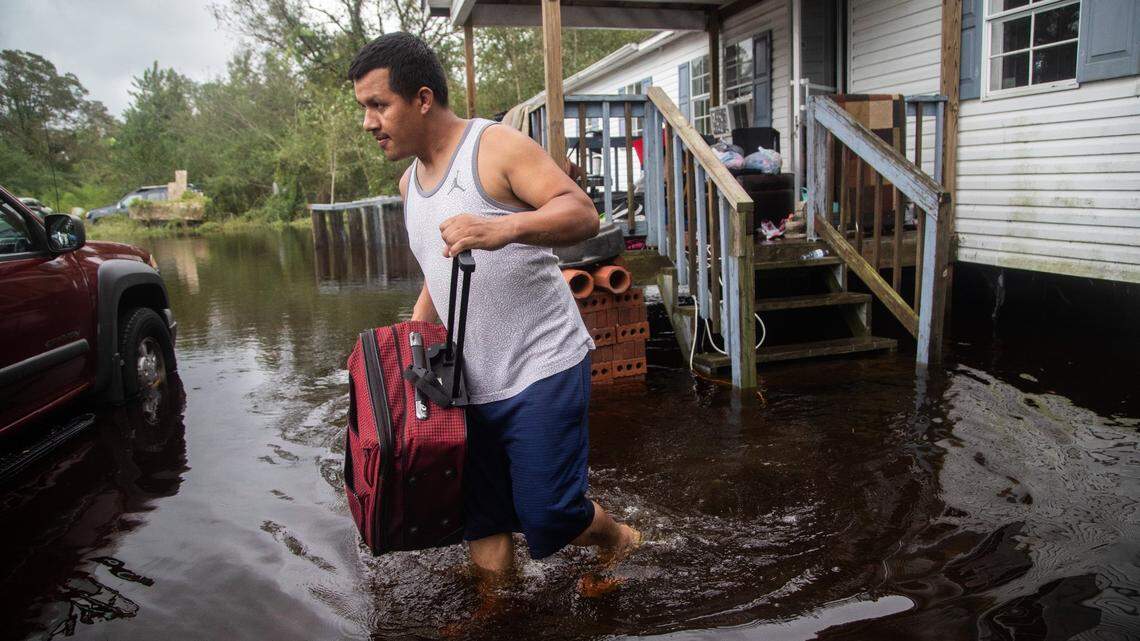
Credit: www.newsobserver.com
Frequently Asked Questions
What Essential Items Are Needed To Survive A Hurricane?
You need water, non-perishable food, first aid kit, flashlight, batteries, and important documents. These items ensure safety and basic needs during power outages and emergencies.
How Much Water Should I Store For A Hurricane?
Store at least one gallon of water per person per day. Keep enough for three to seven days to stay hydrated and safe.
Why Are Flashlights Important During A Hurricane?
Flashlights provide light during power outages. They help you navigate safely and signal for help if needed.
What Food Types Are Best For Hurricane Survival Kits?
Choose non-perishable, ready-to-eat foods like canned goods, granola bars, and dried fruits. Avoid items requiring refrigeration or cooking.
Conclusion
Preparing for a hurricane saves lives and reduces stress. Gather water, food, and essential supplies early. Keep a flashlight, batteries, and a first aid kit nearby. Secure important documents in a safe place. Stay informed with a battery-powered radio. Plan where to go if you must evacuate.
Talk with family about your plan ahead. Being ready helps you stay calm and safe. Don’t wait until the last minute to act. Safety starts with simple steps and good planning. Stay strong and take care during the storm.