Do Polar Bears Need Cold Weather to Survive? Shocking Truths Revealed
Have you ever wondered if polar bears really need cold weather to survive? You might think these majestic creatures can only live in freezing temperatures.
But what if there’s more to their survival than just the cold? Understanding how polar bears adapt to their environment could surprise you and change the way you see these powerful animals. Keep reading to uncover the truth about polar bears and their relationship with cold weather—you won’t want to miss it.
Polar Bears And Cold Habitats
Polar bears live in the Arctic, one of the coldest places on Earth. They depend on this icy environment to find food and survive. Their home is made of sea ice, snow, and freezing water.
These bears are strong and well suited to cold weather. Their bodies have special features to keep them warm and safe in harsh conditions. Understanding their natural habitat helps us learn how they live and thrive.
Natural Arctic Environment
The Arctic is a frozen landscape with ice and snow most of the year. Polar bears use sea ice to hunt seals, their main food. The ice moves with the seasons, changing the bears’ range and behavior.
- Sea ice covers the Arctic Ocean and nearby seas.
- Winter temperatures can drop below -30°C (-22°F).
- Snow covers the land and ice for many months.
- Summer brings some melting, but ice still remains.
- Polar bears travel long distances on ice to find food.
Adaptations To Cold
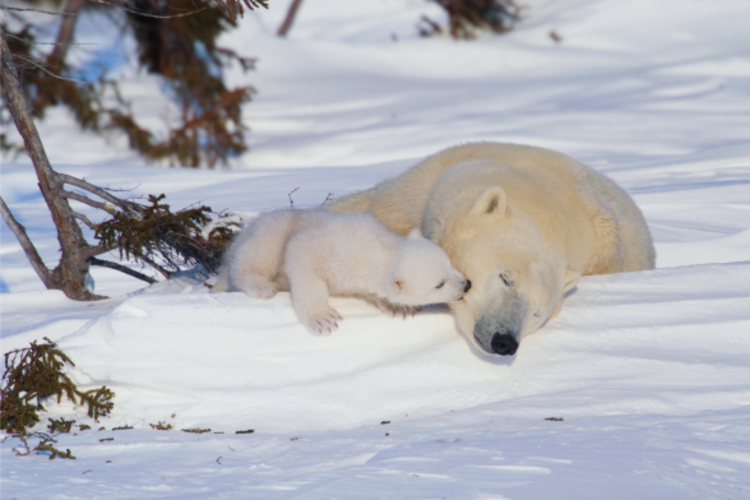
Polar bears have many features that help them survive cold weather. Their thick fur and fat keep them warm. They also have large paws that work like snowshoes on ice and snow.
| Adaptation | Function |
| Thick Fur | Traps heat and keeps the body warm |
| Fat Layer | Insulates the body from cold water and air |
| Large Paws | Distribute weight to walk on thin ice and snow |
| White Fur Color | Camouflages in snowy environment |
| Small Ears and Tail | Reduce heat loss from body extremities |
Credit: polarbearsinternational.org
Thermal Regulation Mechanisms
Polar bears live in very cold places. They have special ways to keep warm. Their bodies use thermal regulation to survive.
These mechanisms help polar bears keep their body heat safe. They do not need cold weather to survive because of these adaptations.
Insulating Fur And Fat
Polar bears have thick fur that traps warm air near their skin. Their fur looks white but is actually clear and hollow.
Under the fur, a thick layer of fat keeps heat inside the body. This fat can be several inches thick and acts like a blanket.
- Fur traps warm air close to skin
- Fat layer stops heat from escaping
- Fur and fat work together to keep warmth
Body Temperature Control
Polar bears control their body temperature by adjusting blood flow. They can send more blood to the skin to cool down.
When it is cold, they reduce blood flow to the skin. This keeps the heat inside their body and protects vital organs.
- More blood flow cools the body
- Less blood flow keeps heat inside
- Helps polar bears stay comfortable in cold or mild weather
Impact Of Rising Temperatures
Polar bears live in cold Arctic regions. Rising temperatures affect their survival. The warming climate changes their environment and food sources.
This article explains how rising temperatures impact polar bears. We look at hunting and food supply first. Then we explore changes in habitat and range.
Effects On Hunting And Food Supply
Polar bears hunt seals on sea ice. Warmer temperatures melt the ice early. This reduces hunting time and access to food.
- Less sea ice means fewer seals to catch.
- Polar bears must swim longer distances to find food.
- Long swims cause exhaustion and lower survival rates.
- Reduced fat intake harms bear health and reproduction.
Changes In Habitat And Range
Rising temperatures change polar bear habitats. The ice melts and forces bears to move. They travel farther to find cold places and food.
| Habitat Aspect | Impact of Rising Temperatures |
| Sea Ice Coverage | Decreases, reducing hunting grounds |
| Land Habitat | Increases, but less food available |
| Range Shifts | Bears move north or inland |
| Population Effects | Smaller groups, more competition |

Credit: rangerrick.org
Survival Without Cold Weather
Polar bears are known for living in icy Arctic areas. But can they survive if the weather is not cold?
We look at how polar bears might live in warmer places and what helps them survive.
Behavioral Flexibility
Polar bears can change their actions to fit new conditions. They may hunt different animals or find new places to live.
- Hunting seals on ice might change to hunting land animals.
- Swimming longer distances to find food.
- Using shaded areas to avoid heat.
- Changing resting times to cooler parts of the day.
Potential For Adaptation
Polar bears might adapt over time to warmer climates. Their bodies and habits could slowly change.
| Adaptation Type | Description |
| Physical | Thinner fur and less fat for cooling |
| Dietary | Eating more plants and different animals |
| Behavioral | Active during cooler hours, seeking shade |
| Reproductive | Changing breeding times to suit new seasons |
Human Influence And Conservation
Polar bears depend on cold weather and sea ice for survival. Human actions change their environment. These changes affect how polar bears live and hunt.
People must understand these effects to help polar bears. Conservation efforts aim to protect their homes and reduce harm caused by humans.
Climate Change Threats
Climate change causes ice to melt faster in the Arctic. Polar bears use sea ice to catch seals, their main food source.
Less ice means polar bears have less time to hunt. They must swim longer distances, which uses more energy. This can lead to starvation.
- Sea ice loss reduces hunting time
- Longer swims increase energy use
- Food scarcity weakens polar bears
- Warmer temperatures change their habitat
Conservation Efforts And Challenges
Conservation groups work to protect polar bears and their habitats. They focus on reducing greenhouse gases and preserving sea ice.
Challenges include balancing human activities like oil drilling and shipping with wildlife protection. Climate change makes it hard to keep habitats stable.
- Protect sea ice areas from development
- Limit pollution and greenhouse gas emissions
- Monitor polar bear populations closely
- Educate people about polar bear needs

Credit: www.yahoo.com
Frequently Asked Questions
Do Polar Bears Survive Only In Cold Climates?
Polar bears thrive in cold climates but can adapt to slightly warmer areas. Their thick fur and fat layer protect them from freezing temperatures, making cold environments ideal for hunting seals and surviving.
How Does Cold Weather Affect Polar Bear Hunting?
Cold weather maintains sea ice, crucial for polar bears to hunt seals. Without ice, hunting becomes difficult, limiting their food supply and threatening their survival.
Can Polar Bears Live Without Sea Ice?
Polar bears depend on sea ice for hunting and breeding. Without ice, they struggle to find food, leading to decreased health and survival rates.
What Adaptations Help Polar Bears Survive Cold Weather?
Polar bears have dense fur, a thick fat layer, and large paws. These adaptations insulate them from cold and aid in swimming and walking on ice.
Conclusion
Polar bears need cold weather. It helps them hunt and stay healthy. Warmer climates can cause challenges. These challenges affect their survival and well-being. Sea ice is crucial for their hunting. Without it, finding food gets tough. Polar bears face threats from climate change.
Protecting their habitat is important. We must act to preserve cold regions. This ensures polar bears can thrive. Their survival depends on our actions. Keeping the Arctic cold is essential. Together, we can help these majestic creatures. Their future is in our hands.