How to Survive a Hurricane Facts: Essential Tips for Safety
When a hurricane is on the horizon, it’s not just the weather that changes. Your heart races, and your mind is flooded with questions and concerns.
How do you keep your family safe? What do you need to prepare? These natural forces can be terrifying, but understanding how to survive them is crucial. You’ll discover essential facts that can make all the difference when facing these powerful storms.
We’ll guide you step-by-step on what actions to take before, during, and after a hurricane. Stay with us, and empower yourself with the knowledge to protect what matters most. Are you ready to learn how to face a hurricane with confidence?
Hurricane Basics
Hurricanes are powerful storms that form over warm ocean water. They bring strong winds, heavy rain, and dangerous floods.
Understanding hurricanes helps you stay safe before, during, and after the storm. Learn about how they form, their types, and the dangers they cause.
Formation And Types
Hurricanes form when warm, moist air rises over the ocean. The air cools and creates clouds and storms. These storms grow and spin because of the Earth’s rotation.
There are different types of tropical storms based on their wind speeds. When winds reach 39 mph, it is a tropical storm. When winds reach 74 mph or more, it becomes a hurricane.
Categories And Wind Speeds
Hurricanes are divided into five categories. The category depends on the storm’s wind speed. Higher categories mean stronger winds and more damage.
| Category | Wind Speed (mph) | Damage Level |
|---|---|---|
| 1 | 74-95 | Minimal damage |
| 2 | 96-110 | Moderate damage |
| 3 | 111-129 | Major damage |
| 4 | 130-156 | Severe damage |
| 5 | 157+ | Catastrophic damage |
Common Hazards
Hurricanes cause many hazards that threaten lives and property. These include strong winds, heavy rain, flooding, and storm surges.
- Strong winds can break trees and damage buildings.
- Heavy rain causes flooding in homes and streets.
- Storm surge is a rise in ocean water that floods coastal areas.
- Landslides can happen in hilly or mountain areas after heavy rain.
Preparing Before A Hurricane
Hurricanes can cause serious damage and danger. Preparing early helps keep you safe. Knowing what to do before a hurricane can protect your family and home.
This guide covers key steps to prepare: creating an emergency kit, securing your home, and developing a family plan.
Creating An Emergency Kit
An emergency kit has all the supplies you need if you must leave your home or lose power. Pack items that will last for several days.
- Water – one gallon per person per day for at least three days
- Non-perishable food – enough for three days
- Flashlight and extra batteries
- First aid kit
- Medications and medical supplies
- Battery-powered or hand-crank radio
- Important documents in a waterproof container
- Cash in small bills
- Personal hygiene items
- Clothing and blankets
Securing Your Home
Protect your home by strengthening windows and doors. Remove loose items that can become dangerous projectiles in strong winds.
| Action | Details |
|---|---|
| Install storm shutters | Cover all windows with shutters or plywood |
| Secure doors | Use heavy-duty locks and reinforce garage doors |
| Trim trees | Cut weak branches near your house |
| Bring outdoor furniture inside | Store patio items to prevent damage |
| Check roof | Fix loose shingles or tiles before storm season |
Developing A Family Plan
Make sure every family member knows what to do during a hurricane. Plan how to communicate and where to meet if separated.
- Choose a safe room in your home for shelter
- Decide on an emergency meeting place outside your home
- Share contact information with all family members
- Plan for pets and their needs
- Practice your plan regularly to keep everyone prepared
During The Hurricane
Hurricanes can be very dangerous. It is important to stay calm and safe while the storm happens. Follow safety rules to protect yourself and your family.
Knowing what to do during a hurricane helps you avoid harm. Focus on staying indoors, handling power outages, and avoiding flood and wind dangers.
Staying Indoors Safely
Stay inside your home or a strong building during the hurricane. Do not go outside until the storm ends and officials say it is safe.
Keep away from windows and glass doors. Find a small, windowless room on the lowest floor to stay in if the winds get very strong.
- Stay in an interior room or closet
- Avoid windows and glass doors
- Keep a battery-powered radio or phone nearby
- Do not use candles; use flashlights instead
Dealing With Power Outages
Power often goes out during hurricanes. Prepare to live without electricity for some time. Use flashlights, not candles, to avoid fire risk.
Keep your refrigerator closed to save food. Turn off electrical appliances to prevent damage when the power returns.
- Use flashlights for light
- Keep refrigerator and freezer doors closed
- Turn off and unplug appliances
- Use a battery-powered radio for updates
Avoiding Flood And Wind Dangers
Do not walk or drive through floodwaters. Water can hide dangerous debris and strong currents. Stay away from windows to avoid wind injuries.
Keep pets inside and watch for fallen power lines or broken trees. Report hazards to local authorities when it is safe.
- Never walk or drive in floodwater
- Stay away from windows and glass
- Keep pets indoors during the storm
- Watch for downed power lines and fallen trees

Credit: x.com
Evacuation Tips
Hurricanes can be dangerous. Knowing when and how to evacuate keeps you safe.
Follow these tips to prepare for evacuation during a hurricane.
When To Evacuate
Listen to local officials for evacuation orders. Leave immediately if told to do so.
Do not wait until the last minute. Roads may get crowded and dangerous.
Choosing A Safe Shelter
Pick a shelter that is outside the hurricane’s path and built to withstand storms.
- Find a public evacuation shelter if you have no safe place nearby.
- Consider staying with family or friends in a safe area.
- Avoid shelters prone to flooding or structural damage.
Packing Essentials
| Item | Reason |
| Water (one gallon per person per day) | Stay hydrated during power outages |
| Non-perishable food | Food lasts without refrigeration |
| Medication and prescriptions | Maintain health needs |
| Important documents | Proof of identity and insurance |
| Flashlight and batteries | Light during power loss |
| Clothing and blankets | Stay warm and dry |
After The Hurricane
The hurricane has passed, but dangers may still be present. It is important to stay alert and act carefully to keep yourself and others safe.
Knowing what to do after the storm can help you recover faster and avoid injuries or further damage.
Assessing Damage Safely
Before inspecting your property, wait for official word that it is safe to go outside. Watch out for fallen power lines and broken glass. Wear sturdy shoes and gloves to protect your feet and hands.
- Check for structural damage before entering buildings.
- Look for gas leaks by smelling or listening for hissing sounds.
- Take photos of damage for insurance claims.
- Do not use open flames indoors until gas is confirmed safe.
- Stay away from floodwaters that may carry bacteria or chemicals.
Handling Utilities And Hazards
Utilities like electricity, gas, and water may be unsafe after a hurricane. Turn off utilities if you suspect damage. Do not try to fix these issues yourself unless you are trained.
| Utility | Action to Take |
| Electricity | Turn off at main breaker if flooding or damage is visible. |
| Gas | Shut off supply if you smell gas or hear a leak. |
| Water | Avoid using tap water until it is declared safe. |
| Phones | Use cell phones for emergency calls only. |
Seeking Help And Resources
After a hurricane, many services may be available to help you recover. Contact local emergency offices for aid and shelter information. Keep a list of important phone numbers handy.
- Emergency Services: 911
- Local Shelter Information
- Utility Companies
- Insurance Providers
- Community Help Centers

Credit: caregiver.com
Additional Safety Tips
Hurricanes can be very dangerous. Being prepared helps keep you safe. This section gives extra tips for staying safe during a hurricane.
These tips cover protecting your pets, staying in touch with others, and caring for your mental health.
Protecting Pets
Pets need special care during hurricanes. Make sure they have food, water, and shelter ready.
- Keep your pet’s ID tags and microchip info updated.
- Prepare a pet emergency kit with food, water, and medicines.
- Bring pets indoors before the storm starts.
- Never leave pets tied up outside during a hurricane.
- Plan where to take your pets if you must evacuate.
Communicating With Others
Good communication helps you stay safe and informed. Have a plan to contact family and emergency services.
| Communication Method | Tips |
| Phone Calls | Save emergency numbers in your phone and keep it charged. |
| Text Messages | Use texts to save battery and avoid network overload. |
| Social Media | Follow local emergency pages for updates. |
| Two-Way Radios | Useful if phone networks fail. |
| Emergency Alerts | Sign up for alerts from local authorities. |
Mental Health Care
Hurricanes can cause stress and fear. Take steps to care for your mental health during and after the storm.
- Talk to friends or family about your feelings.
- Take breaks from news and social media.
- Practice deep breathing or meditation to stay calm.
- Keep a routine to feel more in control.
- Seek professional help if you feel overwhelmed.
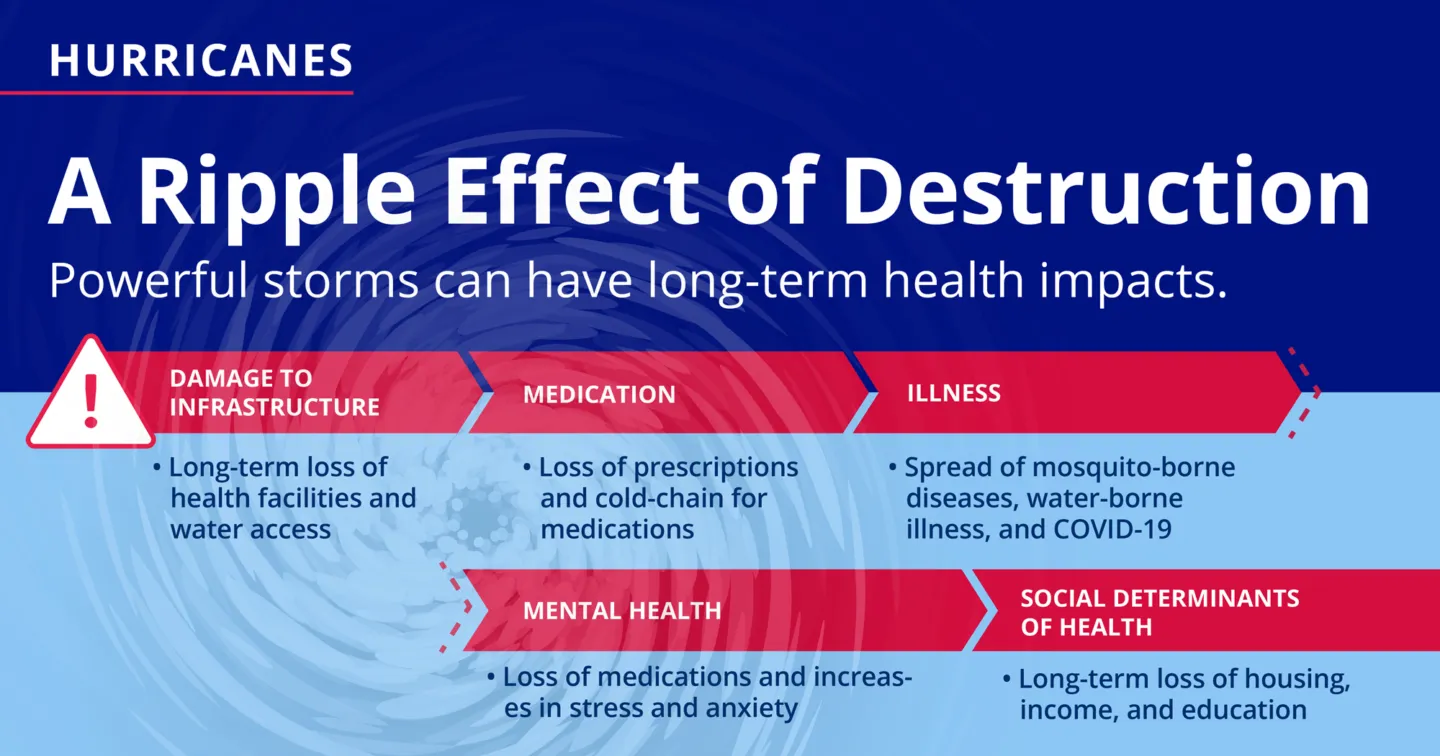
Credit: www.projecthope.org
Frequently Asked Questions
What Are The Essential Steps To Survive A Hurricane?
To survive a hurricane, prepare an emergency kit, stay informed, evacuate if advised, and secure your home. Follow official warnings and avoid floodwaters. Always have a communication plan with family to ensure safety.
How Can I Prepare My Home Before A Hurricane?
Secure doors and windows with storm shutters or plywood. Clear gutters and drains. Bring outdoor furniture inside. Reinforce your roof and seal leaks to minimize damage during the hurricane.
What Items Should Be In A Hurricane Emergency Kit?
Include water, non-perishable food, flashlight, batteries, first aid supplies, medications, important documents, and cash. Also pack a battery-powered radio, phone chargers, and personal hygiene items for at least three days.
When Should I Evacuate During A Hurricane?
Evacuate immediately if local authorities issue a mandatory evacuation order. Do not wait until the last minute to avoid traffic and danger. Follow official routes and stay updated on weather alerts.
Conclusion
Staying safe during a hurricane starts with good knowledge. Prepare your home and gather supplies early. Listen to weather updates and follow official advice. Keep calm and act quickly when danger approaches. Helping family and neighbors can save lives. Remember, being ready can reduce harm and stress.
Always respect the power of nature. Your safety depends on smart, fast choices. Stay alert, stay safe, and protect what matters most.