How Do Polar Bears Survive Cold Weather: Incredible Adaptations Explained
Ever wondered how polar bears manage to thrive in the icy wilderness of the Arctic? It’s a fascinating mystery that captures the curiosity of many.
Imagine enduring temperatures that can plummet to bone-chilling lows, yet feeling perfectly at home. How do these magnificent creatures do it? You might be surprised to learn that polar bears possess incredible adaptations that make this possible. Dive into their world and discover the secrets behind their survival.
From their thick fur to their unique hunting skills, each aspect of their life is a lesson in resilience and adaptation. Get ready to uncover the remarkable strategies polar bears use to conquer the cold. It’s a story of survival that will captivate your imagination and leave you in awe of nature’s ingenuity.
Polar Bear Habitat
Polar bears live in the Arctic, a cold and icy region. Their habitat is mainly on sea ice and along the coastlines.
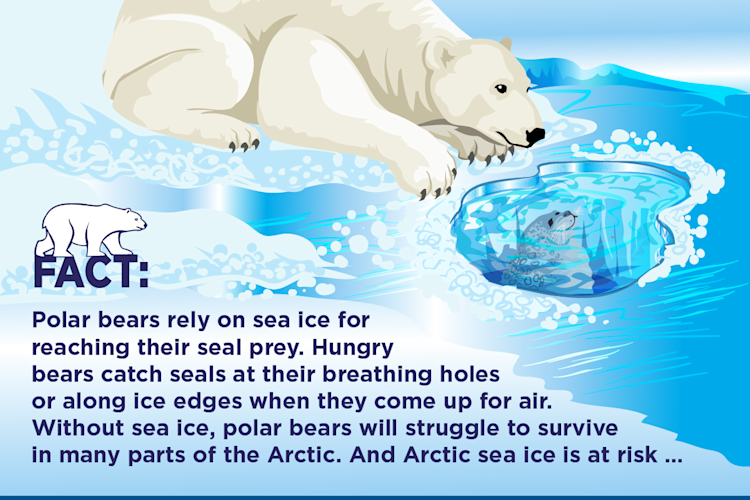
This environment provides them with food and shelter. The bears depend on the ice to hunt seals and to move around.
Arctic Environment
The Arctic is a very harsh place. It has freezing temperatures and long winters. Snow and ice cover most of the land and sea.
- The Arctic Ocean is mostly frozen year-round.
- Sea ice forms a platform for polar bears to hunt seals.
- Coastal areas provide den sites for female bears.
- Strong winds and storms are common in this region.
Seasonal Changes
Seasons affect polar bear habitats strongly. Ice melts in summer and freezes again in winter. This cycle changes their hunting and travel.
| Season | Sea Ice Condition | Polar Bear Activity |
| Winter | Thick and widespread | Hunting seals on ice |
| Spring | Ice starts melting | Building dens and hunting |
| Summer | Ice breaks up | Swimming or resting on land |
| Fall | Ice begins to form | Moving back to ice to hunt |
Insulating Fur
Polar bears have special fur that helps them stay warm in cold weather. Their fur works like a natural coat that protects them from freezing temperatures.
The fur is not just thick but also designed to keep heat close to their bodies. This helps polar bears survive in the Arctic’s icy environment.
Double Layered Coat
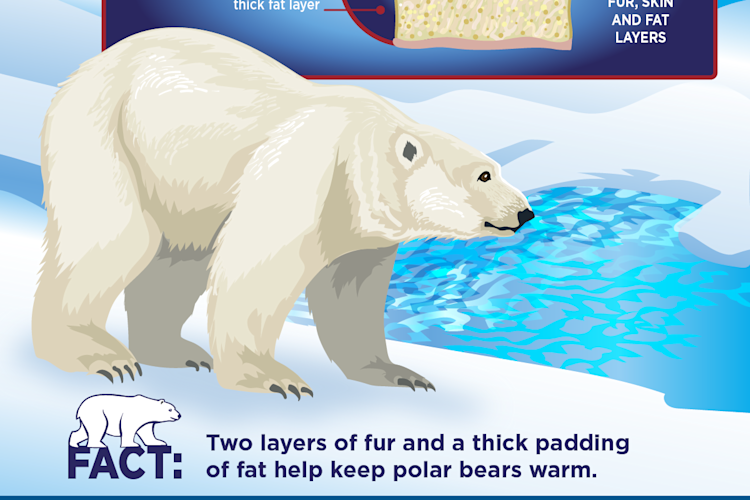
Polar bear fur has two layers: a dense undercoat and longer guard hairs. The undercoat traps warm air near the skin. The guard hairs protect against wind and water.
- Undercoat:Soft and thick, keeps heat close to the body.
- Guard hairs:Long and hollow, block cold wind and water.
- Air pockets:Formed by fur to add extra insulation.
Water Repellent Properties
The outer fur of polar bears repels water. This stops cold water from reaching their skin and helps them dry quickly after swimming.
| Feature | Benefit |
|---|---|
| Hollow guard hairs | Keep water on the surface and dry fast |
| Oily coat | Repels water and prevents moisture absorption |
| Layered fur | Traps warm air and blocks cold water |
Body Fat And Shape
Polar bears live in very cold places. Their body fat and shape help them stay warm. These features keep heat inside and protect them from the cold air.
Their thick layer of fat and unique body shape work together. This helps polar bears survive in freezing weather all year round.
Thick Blubber Layer
Polar bears have a thick blubber layer under their skin. This fat can be up to 4.5 inches thick. It acts like an insulator to keep their body heat in.
The blubber also stores energy. This helps polar bears when food is scarce during winter. The fat keeps them warm and gives them fuel.
- Blubber thickness: up to 4.5 inches
- Helps trap body heat
- Stores energy for long periods
Compact Body Structure
Polar bears have a compact body shape with small ears and tail. This shape reduces heat loss by limiting surface area.
A round body shape keeps their body heat inside. Short limbs and a thick neck also help hold in warmth. This shape helps them survive cold Arctic winds.
- Small ears and tail reduce heat loss
- Round body traps heat
- Short limbs keep warmth inside
Credit: polarbearsinternational.org
Heat Retention Techniques
Polar bears live in one of the coldest places on Earth. They use special ways to keep their body heat safe. These heat retention techniques help them survive the freezing weather.
Their body keeps heat from leaving and keeps cold from getting in. Two main ways they do this are through their blood flow and their fur and skin.
Circulatory Adaptations
Polar bears have a unique blood system that helps keep their core warm. Blood flows in a special way to save heat. Their arteries and veins are close together. This lets warm blood heat the cold blood returning from their paws.
- Warm blood travels from the body’s center to the limbs.
- Cold blood returns from the paws to the heart.
- Heat moves from warm arteries to cold veins.
- This stops too much heat from leaving the body.
Minimizing Heat Loss
Polar bears have thick fur and fat that block cold air and water. Their black skin under the fur also helps catch sunlight. These things keep heat inside and cold outside.
| Feature | How It Helps |
|---|---|
| Thick Fur | Traps warm air near the skin |
| Fat Layer | Insulates body against cold |
| Black Skin | Absorbs sunlight for extra warmth |
Behavioral Adaptations
Polar bears use special behaviors to survive the cold Arctic weather. These behaviors help them stay warm and find food.
Understanding these habits shows how polar bears live in one of the coldest places on Earth.
Denning Habits
Pregnant female polar bears build dens in snowdrifts or on land to protect their cubs from cold winds. They stay inside for several months during winter.
- Dens keep bears warm by blocking harsh winds.
- Females give birth and nurse cubs in the den.
- Bears stay hidden from predators and harsh weather.
- Cubs grow strong before leaving the den in spring.
Hunting Strategies
Polar bears hunt seals by waiting near breathing holes in the ice. They use patience and stealth to catch their prey.
| Hunting Strategy | Description |
| Still Hunting | Waiting quietly by seal holes to catch seals. |
| Stalking | Slowly approaching seals resting on ice. |
| Breaking Ice | Breaking thin ice to reach seals below. |
| Swimming | Chasing seals in water when close enough. |
Metabolic Adjustments
Polar bears live in very cold places. They need special ways to stay warm and survive. Their bodies change how they use energy to keep heat inside.
These changes help polar bears save energy and use fat as fuel. This keeps them warm and strong during cold times.
Energy Conservation
Polar bears lower their energy use to save heat. They slow down movements and reduce body activities. This helps keep energy for important tasks.
They also have a thick layer of fat and fur to trap heat. This reduces the need to use extra energy to stay warm.
- Slow body functions to save energy
- Reduce unnecessary movement
- Use fat and fur to keep heat inside
Fat Metabolism
Polar bears use fat as their main energy source. Their bodies burn fat slowly to produce heat. This process keeps them warm for a long time.
The fat also stores energy for times when food is scarce. This helps polar bears survive long winters without eating much.
- Burn fat to create heat
- Slow fat metabolism for lasting energy
- Store fat for long winter survival
Sensory Adaptations
Polar bears live in very cold places. They need special senses to find food and stay safe. Their senses help them survive harsh weather.
Two important senses for polar bears are their vision and smell. These senses help them hunt and move in snowy areas.
Enhanced Vision
Polar bears have sharp vision to see far across ice and snow. Their eyes adjust well to bright and low light.
This helps them spot seals and other prey from a distance. They can also see well underwater while hunting.
Acute Smell
Polar bears have an excellent sense of smell. They can smell seals from miles away under the ice.
Their strong nose helps them find food even when it is hidden. This sense is very important for survival.
Credit: polarbearsinternational.org
Credit: polarbearsinternational.org
Frequently Asked Questions
How Do Polar Bears Stay Warm In Freezing Temperatures?
Polar bears have thick fur and a dense fat layer that insulates them from cold. Their black skin absorbs heat from the sun. They also have small ears and tails to minimize heat loss, helping them survive Arctic conditions.
What Adaptations Help Polar Bears Survive Cold Weather?
Polar bears have large paws with fur for traction on ice. Their hollow fur traps air for insulation. Their metabolism adjusts to conserve energy. These adaptations enable them to endure extreme cold and hunt efficiently.
Why Is Polar Bear Fur Important For Cold Survival?
Polar bear fur is water-repellent and traps heat close to the skin. It helps keep the bear dry and warm after swimming. The fur’s transparency allows sunlight to reach the black skin, aiding heat absorption.
How Does Fat Help Polar Bears In The Cold?
Polar bears have a thick fat layer up to 4. 5 inches thick. This fat stores energy and provides insulation against freezing temperatures. It also helps them survive long periods without food during harsh winters.
Conclusion
Polar bears survive cold weather by using thick fur and fat. Their fur traps heat, keeping them warm in icy conditions. A layer of fat under their skin acts as insulation. They also have small ears and paws to reduce heat loss.
These adaptations help them stay active and hunt in freezing temperatures. Nature designed polar bears perfectly for the Arctic environment. Their survival skills show how animals adapt to harsh climates. Understanding these traits helps us appreciate wildlife and the need to protect their habitats.
Polar bears remind us of nature’s strength and resilience.