What Kind of Palm Trees Can Survive Cold Weather: Top Hardy Varieties
Are you dreaming of transforming your garden into a tropical paradise, but worried about cold weather? You’re not alone.
Many homeowners love the idea of having palm trees swaying in their yard, yet fear the chill of winter will ruin their dreams. But what if you could have the best of both worlds? Imagine stepping into your backyard oasis, with palm trees that not only survive but thrive in colder climates.
Intrigued? You’re about to discover which palm trees can withstand the cold, bringing that exotic flair right to your doorstep. Dive into this article to find out how you can achieve this and ensure your garden remains lush and vibrant all year round.
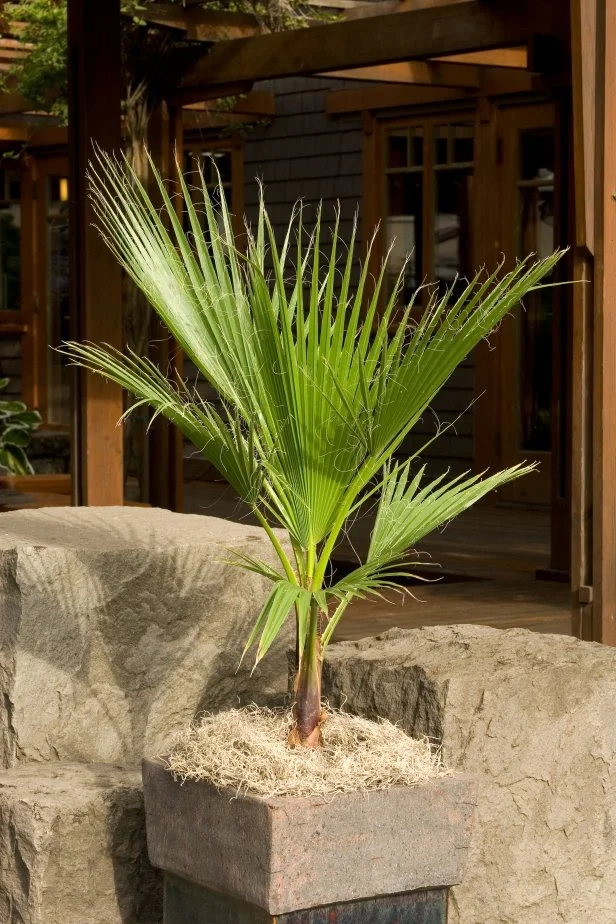
Credit: www.hgtv.com
Cold-hardy Palm Tree Traits
Some palm trees can survive in cold weather better than others. They have special traits that help them live through frost and chilly conditions. Understanding these traits helps gardeners choose the right palms for colder areas.
Cold-hardy palms have different needs and growth habits. This guide explains their frost tolerance, growth rates, and soil and moisture preferences.
Frost Tolerance Levels
Cold-hardy palms can survive light to moderate frost. Some types tolerate temperatures just below freezing. Others can handle temperatures down to 15°F (-9°C) for short periods.
- Needle palms survive down to 5°F (-15°C)
- Pindo palms tolerate 15°F (-9°C)
- Windmill palms survive 10-15°F (-12 to -9°C)
- European fan palms handle mild frost
Growth Rates In Cold Climates
Cold weather slows palm tree growth. These palms grow more slowly than in warm climates. Slow growth helps them conserve energy and survive harsh winters.
| Palm Type | Average Growth Rate | Cold Climate Notes |
|---|---|---|
| Needle Palm | 6 inches per year | Very slow but steady in cold zones |
| Pindo Palm | 12 inches per year | Moderate growth, tolerates frost well |
| Windmill Palm | 10 inches per year | Slows significantly in winter |
| European Fan Palm | 8 inches per year | Growth slows in frost periods |
Soil And Moisture Needs
Cold-hardy palms need well-drained soil to avoid root rot. They do best in soil that holds some moisture but drains fast. Proper watering helps them survive cold and dry winter air.
- Use sandy or loamy soil
- Avoid heavy clay soils that stay wet
- Water deeply but infrequently
- Mulch around base to keep roots warm
Top Palm Trees For Freezing Temperatures
Palm trees usually grow in warm places. Some types can live in cold weather. These palms survive freezing temperatures and add beauty to cold gardens.
Choosing the right palm for cold climates helps your garden stay green. Here are some palm trees that handle freezing weather well.
Windmill Palm
The Windmill Palm is very cold hardy. It can survive temperatures as low as 5°F (-15°C). This palm has fan-shaped leaves and a slender trunk.
It grows slowly but adapts well to cold zones. It is perfect for gardens with limited space.
Needle Palm
The Needle Palm is one of the toughest cold-hardy palms. It can survive temperatures down to -5°F (-20°C). It has small, fan-like leaves and sharp needle tips.
This palm stays low to the ground. It works well as a groundcover or border plant in cold areas.
Pindo Palm
Pindo Palm is also called the Jelly Palm. It can handle freezing temperatures near 15°F (-9°C). This palm has feathery leaves and produces edible fruit.
The Pindo Palm grows medium-sized and adds a tropical look to cold gardens.
Sabal Palm
The Sabal Palm is very strong in cold weather. It survives temperatures down to 10°F (-12°C). This palm has large fan-shaped leaves and a thick trunk.
Sabal Palms grow tall and are great for windbreaks or shade in cold climates.
European Fan Palm
The European Fan Palm stands cold weather well. It can live through temperatures near 15°F (-9°C). It has fan-shaped leaves and a slender trunk.
This palm grows slowly and fits well in small cold gardens or patios.
Planting Tips For Cold Regions
Growing palm trees in cold areas can be tricky. Some palm trees can survive low temperatures.
Choosing the right type and caring for it properly helps palms live through cold weather.
Choosing The Right Location
Pick a spot that gets plenty of sunlight. Palms need sun to stay healthy in cold climates.
Look for a place shielded from strong winds. Wind can damage palm leaves and lower temperature around the tree.
- South-facing areas get more sun
- Near a wall or building for wind protection
- Avoid low spots where cold air settles
Soil Preparation
Use well-draining soil to stop water from sitting around roots. Too much water can harm palms in cold weather.
Add organic matter like compost to improve soil health. It helps roots grow strong and get nutrients.
- Mix sand or perlite to improve drainage
- Add compost or peat moss for nutrients
- Test soil pH; palms prefer slightly acidic to neutral soil
Watering And Mulching
Water palms deeply but less often during cold months. Overwatering can cause root problems.
Apply mulch around the base to keep soil warm and moist. Mulch also protects roots from freezing.
- Water early in the day to avoid ice forming
- Use organic mulch like bark or straw
- Keep mulch a few inches away from the trunk
Protecting Palms During Winter
Cold weather can harm many palm trees. Some palms survive better in chilly climates.
Knowing how to protect your palms helps them stay healthy through winter.
Frost Protection Methods
Frost can damage palm leaves and roots. Covering palms during frost helps reduce harm.
- Water the soil before frost to keep roots warm
- Use mulch around the base to protect roots
- Remove damaged leaves carefully after frost
- Choose cold-hardy palm varieties for your area
Using Covers And Wrapping
Covers and wraps keep palms warm by trapping heat. Use breathable materials to avoid moisture buildup.
| Material | Use | Notes |
| Frost cloth | Wrap palm crown | Lightweight and breathable |
| Burlap | Wrap trunk and leaves | Protects from wind and cold |
| Plastic sheet | Temporary cover | Remove during daytime to avoid heat buildup |
Heating Options For Extreme Cold
In very cold areas, extra heat keeps palms safe. Use heating devices carefully to avoid fire risk.
- Place outdoor-safe heat lamps near palms
- Use Christmas lights to warm palm crowns
- Install small heaters in protected areas
- Monitor temperature to prevent overheating
Common Challenges In Cold Weather
Palm trees often face many problems in cold climates. Cold weather can harm their growth and health. Understanding these challenges helps in protecting palms better.
This guide covers cold damage signs, pest and disease risks, and recovery strategies for palm trees in cold weather.
Cold Damage Signs
Cold damage can show in different ways on palm trees. Leaves may turn brown or black. The trunk might crack or show dark spots. New growth can stop or die back.
- Leaf discoloration and browning
- Wilting or drooping fronds
- Trunk splitting or cracking
- Slow or no new growth
- Blackened leaf tips
Pest And Disease Risks
Cold stress makes palm trees weaker. Weak palms are easy targets for pests and diseases. Common pests include scale insects and spider mites. Fungal infections can also increase in cold, damp conditions.
| Risk | Effect on Palm | Signs to Watch |
| Scale Insects | Drain sap | Sticky residue, yellow leaves |
| Spider Mites | Damage leaves | Fine webbing, speckled leaves |
| Fungal Diseases | Rot roots or leaves | Black spots, mold |
Recovery Strategies
Helping palms recover after cold damage needs care and patience. Pruning dead parts and watering properly are key. Using mulch keeps roots warm. Protecting palms before frost can reduce damage.
- Prune dead or damaged fronds
- Water palms deeply but not too often
- Apply mulch around the base
- Cover young palms during frost
- Use pest control if needed

Credit: www.hgtv.com
Landscaping Ideas With Hardy Palms
Hardy palms bring a tropical feel to cold regions. They survive frost and chill better than many palms.
Using hardy palms in landscaping creates unique garden designs. They add texture and height with green fronds.
Combining Palms With Other Plants
Pair hardy palms with plants that also tolerate cold weather. This mix adds variety and interest to the garden.
- Evergreen shrubs like boxwood or holly
- Perennials such as lavender and ornamental grasses
- Flowering plants like hellebores or camellias
- Ground covers including pachysandra or ivy
Designing Windbreaks
Hardy palms can be part of effective windbreaks. They reduce cold winds and protect other plants.
| Plant Type | Height | Wind Protection |
| Windmill Palm | 15 feet | High |
| Needle Palm | 6 feet | Medium |
| European Fan Palm | 20 feet | High |
| Evergreen Shrubs | 4-8 feet | Medium |
Creating Tropical Appeal In Cold Zones
Use hardy palms to build a tropical look that lasts through cold seasons. Choose palms with bold leaves.
Tips for Tropical Style
- Plant palms near patios or walkways
- Mix in bright-colored pots or garden art
- Use lighting to highlight palm shapes at night
- Include water features like small fountains
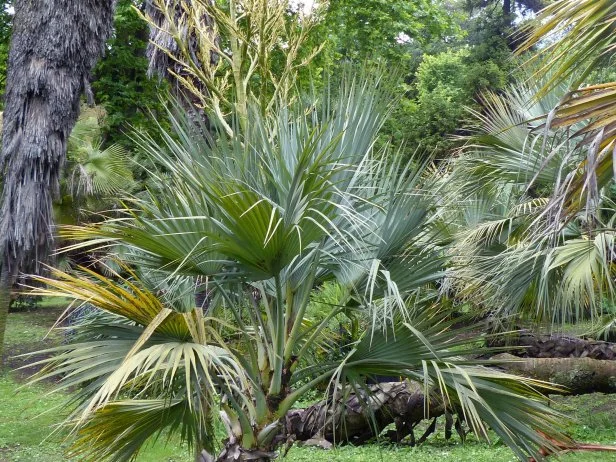
Credit: www.hgtv.com
Frequently Asked Questions
What Palm Trees Survive Freezing Temperatures?
Cold-hardy palms like Windmill, Needle, and Sabal palms survive freezing temperatures. They tolerate brief frost and snow, making them ideal for cold climates.
Can Palm Trees Grow In Temperate Zones?
Yes, certain palms adapt well to temperate zones. Species like Windmill and European Fan palms thrive in mild winters with occasional frost.
How Cold Can Palm Trees Tolerate?
Most cold-hardy palms tolerate temperatures as low as 5°F (-15°C). Survival depends on species, duration of cold, and protection during harsh weather.
What Care Do Cold-hardy Palms Need?
Cold-hardy palms require well-drained soil, adequate watering, and mulching in winter. Protection from strong winds and heavy frost increases their survival chances.
Conclusion
Cold-hardy palm trees bring tropical beauty to cooler places. Some types, like the Windmill and Needle palms, handle frost well. Planting the right palm helps your garden thrive through winter. Protect young palms with mulch and covers during cold snaps.
Choose palms that fit your local climate for best results. Enjoy green leaves even when temperatures drop. These palms prove that cold weather does not stop nature’s charm. Start with hardy varieties to keep your outdoor space lively all year.