Can You Survive a Cat 4 Hurricane: Essential Survival Tips
Imagine the wind howling outside your window, trees swaying like dancers in a storm, and the relentless roar of a Category 4 hurricane approaching your doorstep. It’s a scenario you hope you never have to face, yet understanding how to navigate such a formidable force of nature could be crucial.
Are you prepared to stand your ground against winds reaching up to 156 mph? Can your home withstand the pressure, or do you have a plan to keep your loved ones safe? We’ll delve into what it truly means to survive a Cat 4 hurricane, equipping you with the knowledge and strategies to ensure you’re not just hoping for the best, but actively preparing for it.
Your safety, peace of mind, and readiness are our top priorities—let’s get started.
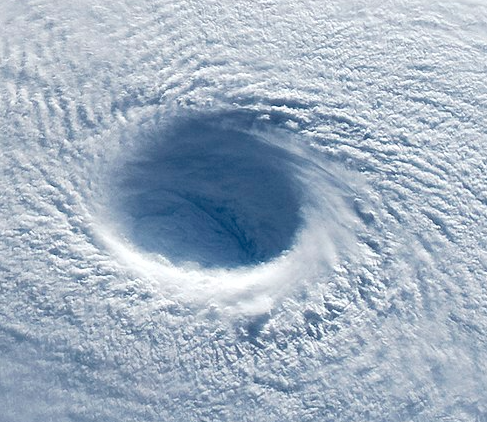
Credit: craigkcollins.medium.com
Cat 4 Hurricane Risks
Category 4 hurricanes bring very strong winds and heavy rains. They cause serious damage to buildings and nature.
Knowing the risks helps you prepare better and stay safe during a Cat 4 hurricane.
Wind Speeds And Damage
Cat 4 hurricanes have wind speeds between 130 and 156 miles per hour. These winds can break windows and tear off roofs.
- Trees can be uprooted or snapped.
- Power lines often fall down.
- Cars and mobile homes may flip over.
- Flying debris causes injury and damage.
Storm Surge Impact
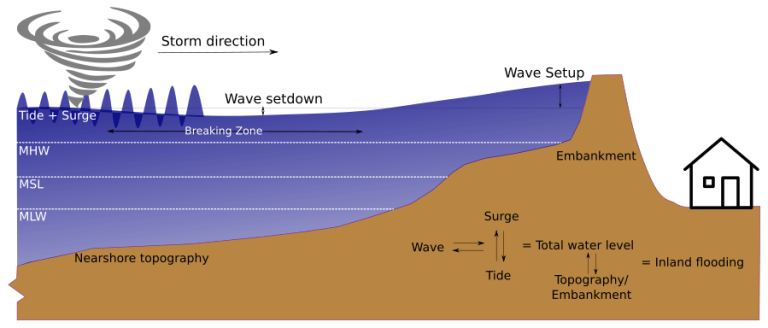
Storm surge is a rise in sea level caused by the hurricane. It can flood coastal areas quickly and with great force.
| Storm Surge Height | Damage Level |
| 10 to 13 feet | Severe flooding and structural damage |
| 13 to 18 feet | Extreme flooding, homes flooded and destroyed |
| Above 18 feet | Catastrophic damage to coastal communities |
Flooding And Power Outages
Heavy rain causes flooding inland after the hurricane passes. Floodwaters can cover roads and homes.
- Floodwaters may rise several feet quickly.
- Water can damage electrical systems and appliances.
- Power outages can last days or weeks.
- Backup power sources like generators may be needed.
Preparing Your Home
Preparing your home is key to surviving a Category 4 hurricane. Strong winds and heavy rain can cause serious damage. Taking time to protect your house can keep your family safe.
Focus on making your home stronger and removing anything that might become dangerous. This will lower risks and damage during the storm.
Securing Windows And Doors
Windows and doors are weak spots in your home. They can break or blow open in strong winds. Protect them before the hurricane arrives.
Install storm shutters or cover windows with plywood. Make sure doors have strong locks and reinforce sliding doors with extra bars.
- Use storm shutters made of metal or heavy plastic
- Cut plywood panels to fit each window and door
- Secure plywood with screws, not nails
- Check door frames for any damage and fix it
- Place a wooden or metal bar behind sliding doors
Reinforcing Roof And Walls
Your roof and walls take the biggest hit from strong winds. Reinforce them to prevent leaks and collapse. This helps keep your home dry and standing.
Use hurricane straps to tie the roof to walls. Check for loose shingles or tiles and fix them. Add extra support to weak walls if needed.
- Install metal hurricane straps on roof trusses
- Replace or nail down loose roof shingles or tiles
- Inspect walls for cracks and seal them
- Add plywood or metal sheets to strengthen walls
- Clear gutters to avoid water buildup
Clearing Yard Debris
Loose items in your yard can become dangerous projectiles in high winds. Clear everything that could fly or block paths around your home.
Trim trees and remove dead branches. Store outdoor furniture and tools inside or secure them tightly.
- Pick up toys, grills, and garden tools
- Move outdoor furniture into a garage or shed
- Trim tree branches near the house
- Remove dead or weak branches from trees
- Secure trash cans or store them indoors
Emergency Supplies
Preparing for a Category 4 hurricane means having the right supplies. These supplies help you stay safe and comfortable during the storm and after it passes.
Focus on essentials like water, food, first aid, and power tools. These items can make a big difference in an emergency.
Water And Food Storage
You need enough water and food to last at least three days. Store water in clean containers and keep food in cool, dry places.
- One gallon of water per person per day
- Non-perishable foods like canned goods and dried fruits
- Manual can opener for canned food
- High-energy snacks such as nuts and granola bars
- Baby food and pet food if needed
First Aid Kit Essentials
A first aid kit can treat minor injuries and prevent infections. Include items to handle common wounds and illnesses.
- Adhesive bandages in various sizes
- Antiseptic wipes and ointments
- Gauze pads and medical tape
- Pain relievers like ibuprofen or acetaminophen
- Scissors and tweezers
- Disposable gloves
- Thermometer
- Any personal medications
Power And Lighting Tools
Power outages are common during a Category 4 hurricane. Have tools that provide light and power without electricity.
- Flashlights with extra batteries
- Battery-powered or hand-crank radio
- Portable power banks for charging devices
- Solar-powered lanterns
- Matches or waterproof lighters
Evacuation Planning
Surviving a Category 4 hurricane needs a strong plan. Evacuation helps keep you and your family safe.
Planning early gives you time to act fast. Know what to do before the storm hits.
When To Leave
Leave as soon as local officials say to evacuate. Waiting too long can be dangerous.
Check weather updates and warnings regularly. Plan to leave early to avoid traffic and chaos.
Safe Routes And Shelters
Find safe roads that are open and clear. Avoid flooded or damaged streets during evacuation.
Locate nearby shelters that accept pets if needed. Know the shelter rules before you go.
- Use main highways and avoid shortcuts
- Have a backup route in case roads close
- Choose shelters with supplies and security
- Plan for traffic delays and rest stops
Packing Essentials
Pack items you need for at least three days. Include food, water, and medicine.
Bring important documents and a first aid kit. Don’t forget clothes and personal hygiene items.
- Water – one gallon per person per day
- Non-perishable food and snacks
- Medications and prescriptions
- Flashlight with extra batteries
- Important papers in waterproof bags
- Clothes and sturdy shoes
- Personal hygiene supplies
- Phone charger and backup battery
During The Hurricane
A Category 4 hurricane is very dangerous. It can cause strong winds and heavy rain. Knowing what to do during the storm can save your life.
Stay calm and follow safety steps. Protect yourself inside your home and keep updated on the storm’s progress.
Safe Spots Inside Your Home
Find a small, windowless room to stay in during the hurricane. This could be a bathroom, closet, or interior hallway.
Stay away from glass doors and windows. Avoid large rooms with wide roofs that may collapse.
- Use a basement or storm cellar if available
- Stay on the lowest floor possible
- Bring pillows or blankets for protection
- Keep a flashlight and emergency supplies nearby
Staying Informed
Keep a battery-powered radio or phone nearby to hear updates. Listen to local news and weather reports.
Do not rely only on your phone if power goes out. Have a backup way to get information.
- Charge devices before the storm
- Use a NOAA weather radio for alerts
- Follow official emergency instructions
Handling Power Outages
Power may go out during a Category 4 hurricane. Prepare to live without electricity for some time.
Use flashlights, not candles, to avoid fire risks. Keep your refrigerator closed to preserve food.
- Have extra batteries ready
- Turn off electrical appliances to avoid damage
- Use generators only outside and away from windows
Post-hurricane Actions
After a Category 4 hurricane passes, your safety and well-being depend on careful actions. The storm can cause severe damage and hidden dangers. Knowing what to do right after helps you and your family stay safe.
This guide covers important steps to take after the hurricane ends. Focus on checking damage, avoiding risks, and getting the help you need.
Assessing Damage Safely
Before going outside, wait for official word that it is safe. Look for downed power lines, broken glass, and unstable structures. Avoid walking or driving through floodwater. Use a flashlight, not candles, to check inside your home.
- Check the roof and walls for cracks or leaks.
- Inspect windows and doors for broken glass.
- Look for water damage inside and outside.
- Note any fallen trees or debris blocking paths.
- Take photos for insurance claims.
Avoiding Hazards
Stay clear of hazards to avoid injury. Floodwater may hide sharp objects or dangerous animals. Do not touch electrical equipment if it is wet. Use protective gear like boots and gloves when cleaning debris.
| Hazard | What to Do |
|---|---|
| Downed Power Lines | Keep at least 30 feet away and report to authorities |
| Floodwater | Avoid walking or driving through it |
| Contaminated Water | Use bottled water for drinking and cooking |
| Fallen Trees | Do not climb or cut without professional help |
| Damaged Gas Lines | Leave the area immediately and call emergency services |
Seeking Help And Resources
After the hurricane, many services may be disrupted. Find local shelters, medical help, and food supplies. Contact emergency responders if you or someone else is injured. Use a battery-powered radio to get updates.
- Call 911 for emergencies only.
- Register with disaster relief groups for aid.
- Check community centers for food and water distribution.
- Share your location with family and friends.
- Follow local news for recovery plans and safety tips.
Building Long-term Resilience
Surviving a Category 4 hurricane needs more than quick fixes. Long-term resilience helps you face storms safely over time.
Planning, preparing your home, and training your community all add up. This guide covers key ways to build strength for the future.
Home Upgrades
Strong homes protect your family during fierce winds and heavy rain. Upgrades reduce damage and keep you safe.
- Install impact-resistant windows and doors
- Reinforce roof with hurricane straps
- Seal gaps to prevent water leaks
- Elevate electrical systems above flood level
- Secure outdoor items that could fly away
Community Support Systems
Communities that work together recover faster after storms. Support systems share resources and provide help when needed.
| Support System | Purpose | Benefit |
| Neighborhood Watch | Monitor safety | Quick alerts for danger |
| Emergency Shelters | Provide safe housing | Protect those without strong homes |
| Resource Sharing | Share food and supplies | Reduce shortages during crisis |
| Communication Network | Keep everyone informed | Coordinate rescue and aid |
Emergency Drills And Training
Practice helps you stay calm and act fast during a hurricane. Training builds skills to protect yourself and others.
Common drills include:
- Evacuation route practice
- First aid training
- Fire safety drills
- Communication plan tests

Credit: www.youtube.com
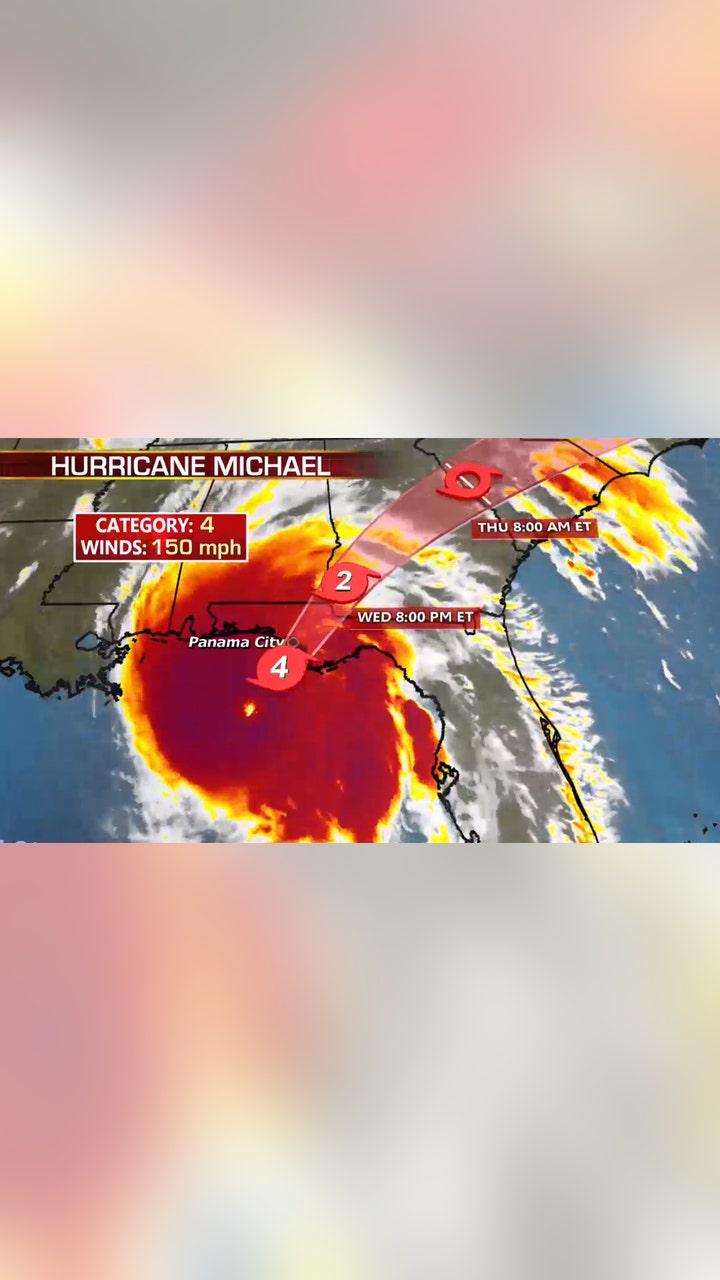
Credit: www.foxnews.com
Frequently Asked Questions
What Safety Measures Help Survive A Cat 4 Hurricane?
To survive a Cat 4 hurricane, secure your home, stock emergency supplies, and follow evacuation orders. Stay informed through weather updates and have a communication plan ready. Proper preparation significantly increases your chances of safety during such intense storms.
How Strong Are Cat 4 Hurricane Winds?
Cat 4 hurricane winds range from 130 to 156 mph. These winds can cause severe damage to structures, uproot trees, and disrupt power. Understanding wind strength helps in preparing homes and communities for the storm’s impact.
Can Homes Withstand A Cat 4 Hurricane?
Well-built, reinforced homes can withstand Cat 4 hurricanes if properly prepared. Using storm shutters, securing roofs, and reinforcing doors improve resilience. However, weaker structures are at high risk of severe damage or collapse.
Is Evacuation Necessary During A Cat 4 Hurricane?
Evacuation is highly recommended in Cat 4 hurricanes, especially in flood-prone or coastal areas. Authorities issue evacuation orders to protect lives from extreme winds, storm surges, and flooding. Always follow official guidance to ensure safety.
Conclusion
Surviving a Cat 4 hurricane takes careful planning and quick action. Stay informed with weather updates every day. Prepare your home and gather supplies early. Follow safety rules and listen to local officials. Stay calm and help others if you can.
Remember, being ready can save your life. Facing a hurricane is tough, but you can protect yourself. Stay safe and stay strong.