How Do Lizards Survive Hurricanes: Nature’s Incredible Adaptations
Have you ever wondered how lizards manage to survive the fury of hurricanes? While these powerful storms can wreak havoc on their environment, somehow these resilient creatures often emerge unscathed.
What secrets do they hold that allow them to withstand such extreme conditions? Understanding their survival tactics not only unveils the fascinating world of lizard behavior but also can inspire you in facing life’s storms. You’re about to discover the surprising strategies that these small but mighty reptiles use to thrive when the winds roar and the rain pours.
Get ready to dive into the captivating world of lizard survival tactics during hurricanes, and you might find yourself captivated by nature’s remarkable ingenuity.

Credit: www.reddit.com
Lizard Habitats And Hurricane Zones
Lizards live in many places where hurricanes happen. These storms test how animals survive harsh weather.
Understanding where lizards live and where hurricanes strike shows how lizards adapt to survive.
Common Regions For Hurricanes
Hurricanes usually form in warm ocean waters near the equator. They hit coastal areas in these regions:
- Caribbean Sea and Gulf of Mexico
- Southeastern United States
- Eastern Mexico and Central America
- Western Atlantic Ocean
- Parts of Southeast Asia and the Pacific Islands
These areas face strong winds, heavy rain, and flooding during hurricane season.
Typical Lizard Environments
Lizards live in deserts, forests, and coastal areas. Many lizards live near or inside hurricane zones.
| Environment | Features | How Lizards Survive Hurricanes |
|---|---|---|
| Coastal Mangroves | Wet, salty, and storm-prone | Hide in roots and underground burrows |
| Dry Forests | Warm, leafy, some shelter | Seek refuge under rocks and logs |
| Urban Areas | Buildings, gardens, heat islands | Use cracks and crevices for shelter |
| Rocky Hills | Stony, exposed to wind | Stay in rock crevices and caves |
Credit: www.miamiherald.com
Physical Traits For Survival
Lizards have special body features that help them survive hurricanes. These traits keep them safe and help them move well during storms.
Two main traits help lizards stay alive: their body structure and their camouflage. These traits work together to protect them from strong winds and floods.
Body Structure And Flexibility
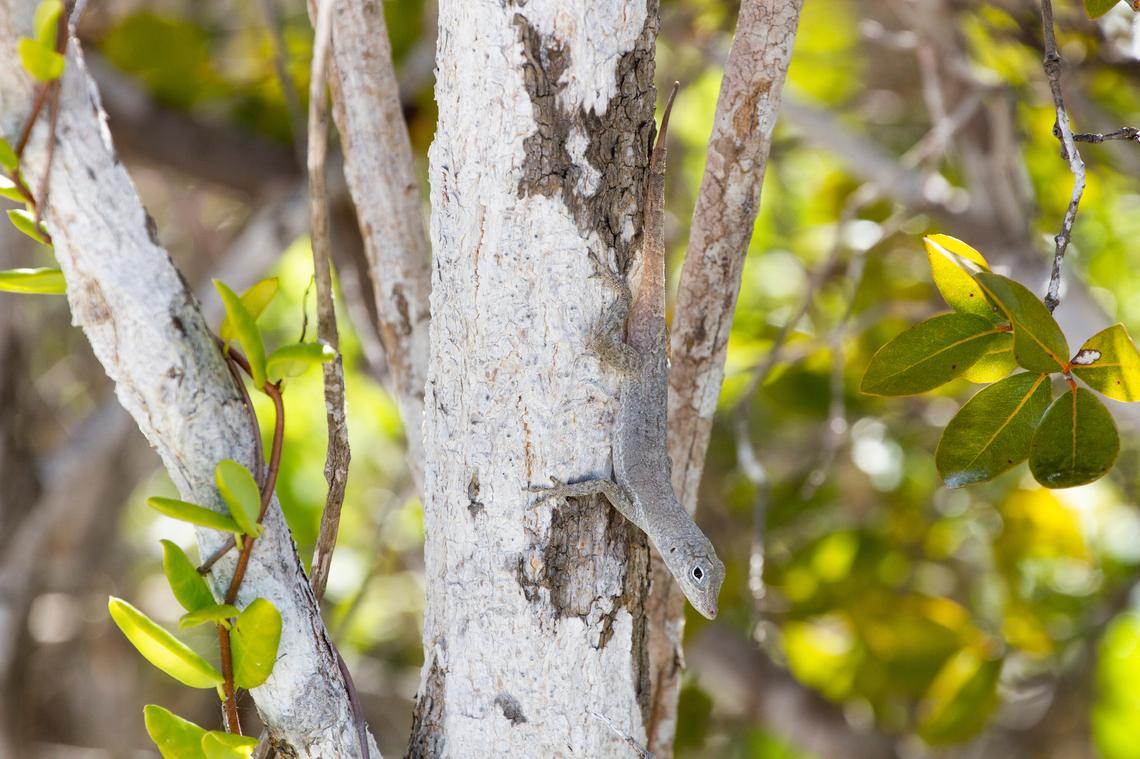
Lizards have strong, flexible bodies that help them hold tight during hurricanes. Their tails can bend and twist to keep balance. Some lizards can even drop their tails to escape predators.
- Strong legs to grip branches and rocks
- Flexible spine to twist and move easily
- Long tails for balance and quick movement
- Ability to drop tail to distract threats
Camouflage And Color Adaptations
Lizards use their colors and patterns to blend into their surroundings. This camouflage helps them hide from predators during storms. Their colors also change to match different environments.
| Color | Purpose |
| Green | Blends with leaves and plants |
| Brown | Matches tree bark and soil |
| Gray | Hides on rocks and branches |
Behavioral Strategies During Storms
Lizards face many challenges during hurricanes. These storms bring strong winds and heavy rains. Lizards use special behaviors to survive these dangerous times.
They change how they act to avoid harm. Two main ways are seeking shelter and reducing their activity levels.
Seeking Shelter
Lizards look for safe places to hide before the storm hits. They find spots that protect them from wind and water. Some hide under rocks or inside tree bark.
- Hide in crevices or burrows
- Climb trees to avoid floodwaters
- Use dense vegetation as cover
- Stay under fallen logs or leaves
Reducing Activity Levels
During the storm, lizards move less to save energy. Staying still helps them avoid attracting predators. It also lowers their chance of getting injured by flying debris.
| Behavior | Purpose |
| Minimal movement | Conserve energy and avoid danger |
| Remain quiet | Reduce attention from predators |
| Stay low to ground | Prevent being blown away by wind |
| Slow breathing | Lower stress and energy use |
Role Of Burrows And Natural Shelters
Lizards face strong winds and heavy rain during hurricanes. They need safe places to hide. Burrows and natural shelters keep them protected.
These shelters help lizards survive by blocking the storm’s damage. They also provide a stable environment until the storm ends.
Using Underground Spaces
Lizards often dig or find holes underground. These burrows shield them from strong winds and rain. The ground keeps them dry and safe.
Underground spaces also keep temperatures steady. This helps lizards avoid extreme cold or heat during storms.
- Burrows reduce risk of being blown away
- They protect from flooding by staying above water level
- Provide a calm space away from storm noise
Hiding Under Rocks And Vegetation
Lizards use rocks and plants as natural shelters. These spots block wind and rain from hitting them directly.
Thick vegetation and big rocks create small safe zones. Lizards can stay hidden and rest until the hurricane passes.
- Rocks act as strong barriers against wind
- Vegetation slows rain and reduces flooding risk
- These shelters blend with the environment to avoid predators
Resilience To Flooding And Wind
Lizards face tough conditions during hurricanes. Strong winds and flooding can be dangerous.
They have special ways to survive these storms. Their bodies and behaviors help them stay safe.
Clinging To Surfaces
Lizards use their feet to hold tightly to trees and rocks. This helps them avoid being blown away.
They have sticky pads or sharp claws that give them a strong grip during strong winds.
- Sticky pads create suction on smooth surfaces
- Sharp claws dig into rough bark or ground
- Strong muscles keep their grip firm
Floating And Swimming Abilities
Some lizards can float on water when floods happen. They use their bodies to stay on the surface.
They can swim to reach safe places. Their tails help them move through water quickly.
- Flattened bodies help with floating
- Powerful tails push them forward
- Strong limbs aid in swimming strokes
Recovery After Hurricanes
Hurricanes can destroy the homes of many animals, including lizards. After the storm passes, lizards start to recover and rebuild their lives.
They face many challenges but use natural skills to find shelter, food, and water. This helps them survive and grow strong again.
Rebuilding Territories
Lizards lose their homes during hurricanes. They quickly find new places to live and hide.
They look for safe spots like fallen logs, rocks, or bushes. These places protect them from predators and the weather.
- Search for shelter in natural debris
- Use trees and plants for cover
- Mark new territory by scent or movement
- Avoid open areas to stay safe
Finding Food And Water
After a hurricane, food and water can be hard to find. Lizards look for insects and small animals to eat.
They also find water from rain puddles or dew on leaves. Staying hydrated is very important for their survival.
- Hunt insects hiding under leaves and bark
- Drink water from small puddles or wet plants
- Move slowly to avoid predators while searching
- Eat fruits or plants if insects are scarce
Examples Of Hurricane-resistant Lizards
Lizards live in many places where hurricanes happen. These storms bring strong winds and heavy rain. Some lizards have traits that help them survive these tough events.
Scientists study how some lizards stay safe during hurricanes. They learn from the lizards’ behavior and body features. This helps us understand how animals adapt to nature’s challenges.
Species Known For Toughness
Some lizard species are very good at surviving hurricanes. Their bodies and habits help them avoid harm. These species often live in coastal or island areas where storms are common.
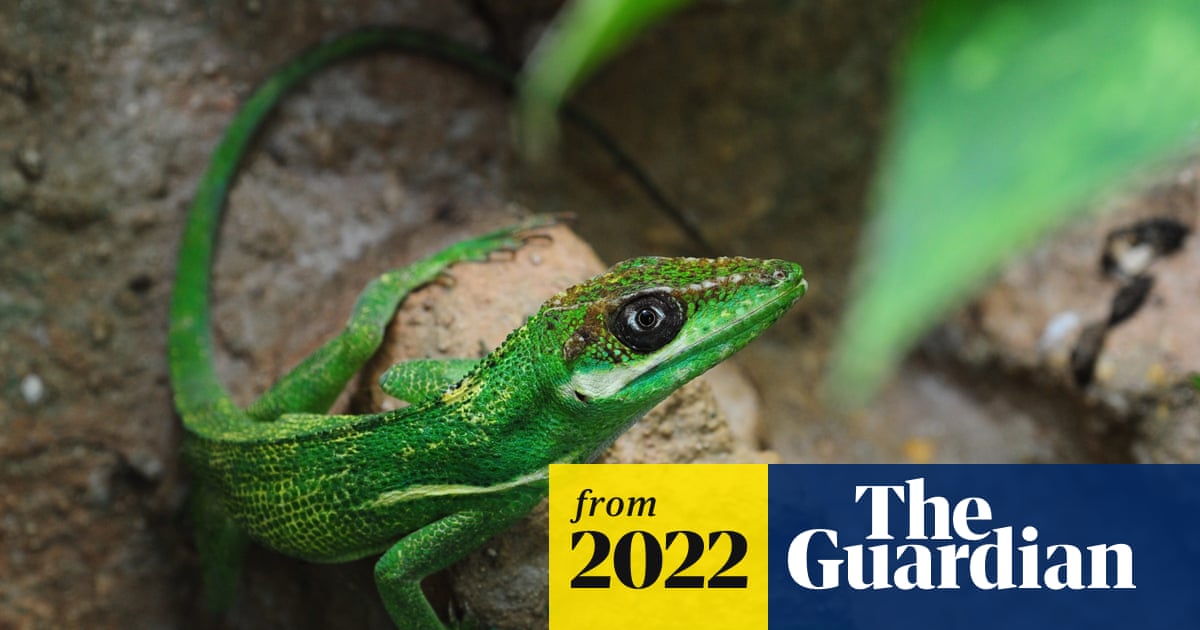
For example, the Anole lizards have strong claws. They hold tightly to tree branches during strong winds. Another species, the Gecko, can hide in small crevices to stay safe.
- Anole lizards use claws to grip branches.
- Geckos hide in cracks to avoid wind and rain.
- Horned lizards use camouflage to blend with rocks.
- Skinks burrow into soil to escape floods.
Case Studies From Recent Storms
Studies after recent hurricanes show how lizards survive. For example, after Hurricane Maria in 2017, scientists found many Anoles alive in Puerto Rico. They stayed in dense forests that shielded them.
Another study after Hurricane Dorian in 2019 found that Geckos on the Bahamas used rock crevices to protect themselves. These shelters stopped strong winds and kept them dry.
- Hurricane Maria: Anoles survived by staying in thick trees.
- Hurricane Dorian: Geckos hid in rocks for safety.
- Studies show shelter choice is key to survival.
Credit: www.theguardian.com
Impact Of Climate Change On Survival
Lizards face many dangers during hurricanes. Climate change makes these storms worse. This affects how lizards survive.
Rising temperatures and stronger storms change lizard habitats. Understanding these changes helps us see their survival challenges.
Increasing Hurricane Intensity
Climate change causes hurricanes to grow stronger and last longer. This means lizards face more damage to their homes. Strong winds and flooding can harm them.
Lizards often hide under rocks or in small holes. These shelters may not protect them during powerful storms. Food sources also become scarce after hurricanes.
- Stronger winds destroy shelter
- Floods wash away food
- Longer storms increase stress
Adaptation Challenges Ahead
Lizards must adapt to survive in changing climates. But fast changes make it hard for them to adjust. Their breeding and feeding habits may be disrupted.
Some lizards may move to safer places. Others may face population decline. Protecting their environment helps give them a chance to adapt.
- Changing habitats reduce safe shelters
- Food availability shifts unpredictably
- Breeding cycles may be disturbed
- Migration to new areas is risky
Frequently Asked Questions
How Do Lizards Find Shelter During Hurricanes?
Lizards seek refuge in burrows, crevices, or dense vegetation. These shelters protect them from strong winds and heavy rain. Their ability to hide helps them avoid injury and survive until the storm passes.
What Adaptations Help Lizards Survive Hurricanes?
Lizards have strong claws and flexible bodies to cling onto surfaces. Their quick reflexes allow them to escape flooding and debris. These adaptations increase their chances of surviving extreme weather events like hurricanes.
Can Lizards Survive Flooding Caused By Hurricanes?
Yes, some lizards can hold their breath and swim short distances. They use elevated shelters to avoid floodwaters. Their survival depends on the storm’s severity and available shelter.
Do Hurricanes Affect Lizard Populations Long-term?
Hurricanes can temporarily reduce lizard numbers by destroying habitats. However, lizards often repopulate quickly due to high reproduction rates. Long-term effects vary based on habitat recovery and storm frequency.
Conclusion
Lizards use smart ways to stay safe during hurricanes. They find shelter under rocks, logs, or in burrows. Their small size helps them hide quickly from strong winds. Some lizards slow down their body to save energy. Nature has given them tools to survive tough storms.
Watching how they adapt shows us the power of life. These creatures remind us to be resilient too. Survival is about patience, strength, and finding the right place. Lizards teach a simple lesson: stay calm and hold on.