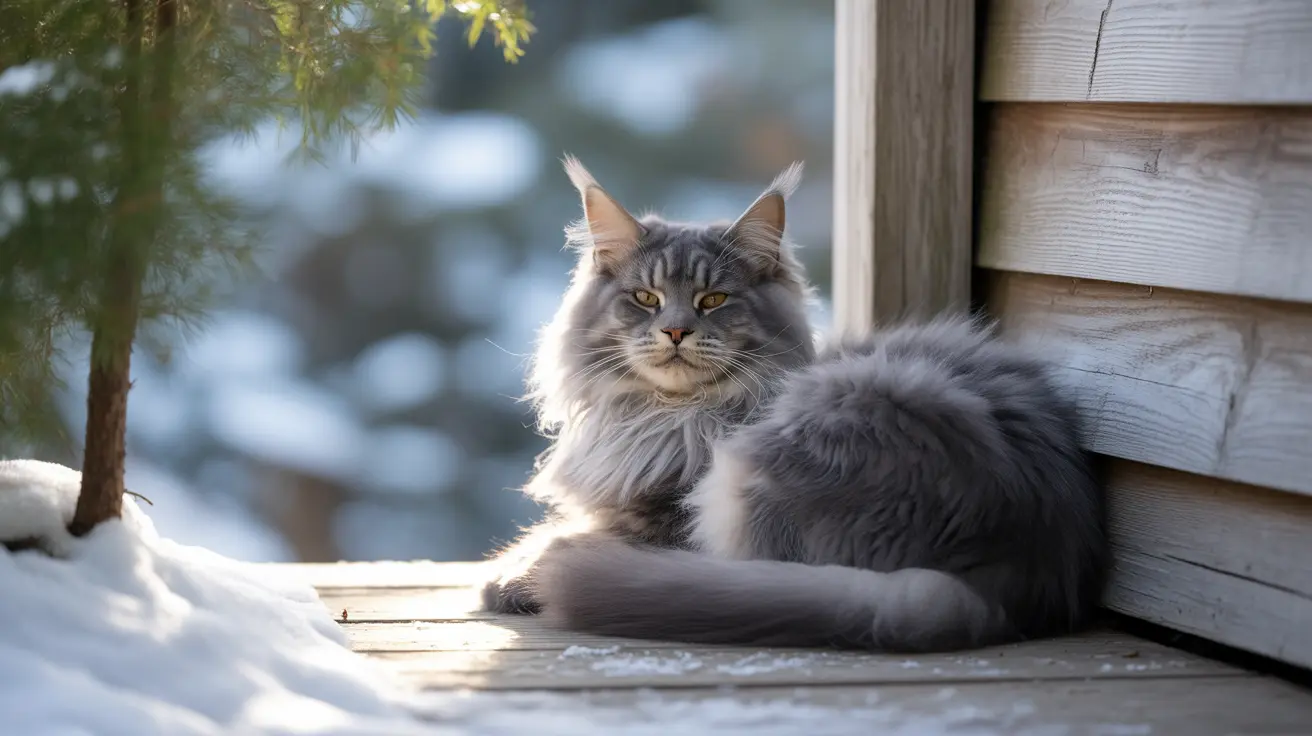
How Do Stray Cats Survive in Cold Weather: Essential Survival Tactics
Ever wonder how stray cats manage to survive the biting chill of winter? You’re not alone.
As temperatures drop, you might find yourself thinking about these resilient creatures and their fight against the cold. Your curiosity is not just a passing thought; it’s a natural instinct to care and to understand. By diving into the world of stray cats during the winter months, you’ll discover not only their survival tactics but also how you can play a role in their well-being.
This isn’t just about cats—it’s about connection, compassion, and community. So, let’s explore the surprising ways these cats navigate the winter months, and how you can make a difference.

Credit: www.reddit.com
Shelter Choices
Stray cats face tough challenges in cold weather. Finding shelter helps them stay warm and safe. They use many clever ways to protect themselves from the cold.
Choosing the right shelter is key for survival. Cats look for places that block wind and hold heat well. These shelters help them live through harsh winters.
Finding Warm Hiding Spots
Stray cats look for warm hiding spots to avoid cold winds. They prefer places that are dry and shielded. These spots help keep their body heat inside.
- Under thick bushes or dense shrubs
- Inside hollow trees or logs
- Among piles of leaves or straw
- Near rocks that absorb sunlight
Using Human Structures
Cats often shelter near or inside human-made structures. These places offer good protection from harsh weather. They also provide some warmth from trapped heat.
| Structure | Benefits |
| Abandoned buildings | Dry and shielded from wind |
| Porches and decks | Raised off cold ground |
| Garages and sheds | Close to human activity and warmth |
| Vents and crawl spaces | Warm air flows inside |
Creating Makeshift Nests
Stray cats build nests to stay warm during cold days. They use materials that trap heat and block wind. These nests create a cozy space for rest.
Common materials used by cats for nests include:
- Dry leaves and grass
- Old blankets or fabric scraps
- Straw or hay
- Paper or cardboard pieces
Body Adaptations
Stray cats face cold weather every day. Their bodies change to help them stay warm.
These changes help cats survive when the temperature drops. Their fur and fat play big roles.
Thickening Fur Coat
Stray cats grow thicker fur in cold months. The thick coat traps warm air near their skin.
This fur also protects them from wind and snow. It works like a natural blanket all winter long.
Body Fat Insulation
Stray cats build up fat under their skin to stay warm. Fat acts as an extra layer of insulation.
This fat keeps their body heat from escaping. It also stores energy to use when food is scarce.
Reducing Heat Loss
Stray cats curl up tightly to keep heat in. They tuck their paws and tail close to their body.
Their ears and nose have less blood flow in cold weather. This reduces heat loss from those areas.
- Curling into a ball traps body heat
- Lower blood flow in extremities saves warmth
- Less heat escapes through small body parts
Food And Water Strategies
Stray cats face many challenges during cold weather. Finding enough food and water is one of the hardest tasks. They use smart ways to survive in harsh conditions.
These cats rely on different strategies to get food and stay hydrated. Their methods help them keep strong and healthy when the weather is cold.
Hunting Small Prey
Stray cats hunt small animals like mice, birds, and insects. These prey are easier to catch and provide enough energy. Cats use their sharp senses and quick moves to find and catch prey.
- They wait quietly near hiding spots.
- Use their ears to listen for movements.
- Attack swiftly to catch prey before it escapes.
- Eat the prey immediately to keep warm.
Scavenging Leftovers
Stray cats also look for leftover food. They search trash bins, discarded food, or scraps from other animals. This helps when hunting is harder due to snow or cold.
They are careful to avoid dangerous places and eat only safe scraps. This method saves energy and helps them survive tough days.
Locating Fresh Water
Water is vital for stray cats, especially in freezing weather. They look for fresh sources like puddles, streams, or melted snow. Sometimes, they drink from dripping pipes or condensation.
| Water Source | Where to Find | Notes |
| Puddles | Near roads or open areas | May freeze quickly |
| Streams | Near forests or parks | Usually flowing, less likely frozen |
| Melted Snow | Snow piles or shaded areas | Needs to be fresh and clean |
| Dripping Pipes | Buildings or fences | Can provide small water drops |
Behavioral Tactics
Stray cats face tough challenges during cold weather. They use smart behaviors to stay warm and safe.
These behaviors help them save energy and avoid harsh conditions. Understanding these tactics shows how they survive outdoors.
Seeking Shelter In Groups
Stray cats often gather in groups to share body heat. Staying close helps reduce heat loss on cold nights.
They find safe places like abandoned buildings or under cars. Group sheltering gives them warmth and protection.
- Body warmth from nearby cats keeps them warmer
- Shared shelter reduces exposure to wind and cold
- Groups can watch for danger better than alone
Limiting Outdoor Activity
Cold weather makes stray cats move less to save energy. They stay in one place longer to keep warm.
By limiting their outdoor time, cats avoid using extra energy. This helps them survive when food is scarce.
- Resting more helps preserve body heat
- Less movement means less energy used
- Staying hidden reduces exposure to cold wind
Using Nighttime Warmth
Stray cats take advantage of warmer night spots. They find areas that hold heat like near buildings or vents.
Nighttime warmth helps them stay comfortable when temperatures drop. These spots reduce the risk of hypothermia.
- Warm surfaces like concrete store heat
- Areas near human activity often stay warmer
- Cats seek out dry, insulated places for rest
Health And Energy Management
Stray cats face tough conditions in cold weather. They must manage their health and energy to survive. This helps them stay warm and active.
Understanding how they conserve energy, avoid cold injuries, and find good food is key to seeing how they live through winter.
Conserving Energy
Stray cats save energy by staying still and resting during very cold times. They find sheltered spots to keep warm and avoid harsh winds.
- Find dry places like under cars or porches
- Stay curled up to keep body heat
- Limit movement to save calories
- Use thick fur as insulation
Dealing With Frostbite And Hypothermia
Cold weather can cause frostbite and hypothermia in stray cats. Their ears, tails, and paws are most at risk. They try to avoid frostbite by keeping these parts covered or warm.
| Condition | Signs | How Cats Cope |
| Frostbite | Cold, pale skin on ears or paws | Hide in warm spots, reduce exposure |
| Hypothermia | Shivering, weakness, slow movement | Rest to save energy, find warmth |
Finding Nutrient-rich Food
Stray cats need food high in nutrients to stay healthy and warm. They often eat small animals like mice or birds. Eating enough helps keep their energy up.
- Hunt rodents and birds for protein
- Eat scraps from human trash carefully
- Drink fresh water to stay hydrated
- Eat frequently to maintain body heat

Credit: khpet.com
Human Interaction
Stray cats face tough times in cold weather. They rely on humans more than many think. People can help them survive winter.
Understanding how human actions affect stray cats helps improve their safety. Care and support make a big difference.
Benefits Of Feeding Programs
Feeding programs give stray cats reliable food sources. Food helps them keep warm and stay healthy during winter.
Regular feeding also helps people watch over the cats. It allows early help if a cat is sick or injured.
- Prevents starvation in cold months
- Supports energy for warmth
- Builds trust between cats and humans
- Makes health checks easier
Providing Safe Shelters
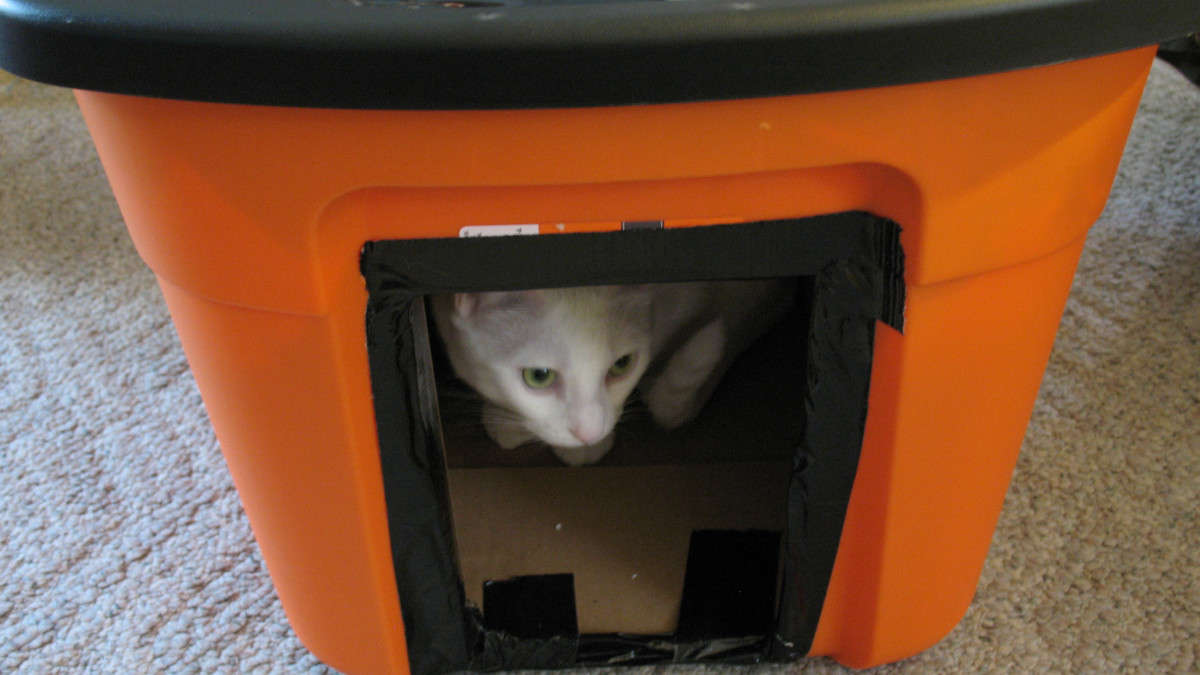
Humans can offer warm shelters to protect stray cats from harsh weather. Shelters block wind, rain, and snow.
Good shelters use insulated materials and stay dry. These places give cats a safe spot to rest and save energy.
- Use straw or blankets for warmth
- Place shelters in quiet, safe areas
- Keep shelters clean and dry
- Check shelters often for damage
Challenges Of Urban Environments
Urban areas can be hard for stray cats in winter. Cold surfaces and traffic create risks for them.
Human activity may scare cats or limit safe spaces. Sometimes, people do not notice stray cats need help.
- Limited natural shelter spots
- Danger from cars and machinery
- Less quiet places to hide
- Fewer people providing care
Credit: pethelpful.com
Frequently Asked Questions
How Do Stray Cats Keep Warm In Cold Weather?
Stray cats find shelter in insulated spots like garages, sheds, or under cars. They fluff their fur to trap heat and huddle with other cats for warmth.
What Food Helps Stray Cats Survive Winter?
High-calorie food is essential for stray cats in winter. Fatty and protein-rich meals provide energy to maintain their body heat.
Do Stray Cats Grow Thicker Fur For Winter?
Yes, stray cats develop a thicker, denser coat in cold weather. This natural fur growth helps insulate their bodies against the cold.
How Do Stray Cats Find Shelter During Winter?
Stray cats seek sheltered places such as abandoned buildings, under porches, or inside dense bushes to stay protected from cold wind and snow.
Conclusion
Stray cats face tough cold weather every day. They find small places to stay warm. Thick fur helps protect them from the chill. They eat more food to keep energy high. Cats stay active to keep their bodies warm. People can help by providing shelter and food.
These simple steps make a big difference. Stray cats show strong survival skills in winter. Their courage and instinct help them live through cold times. Caring for them can save many lives.