Can an Alligator Survive in Cold Weather? Shocking Truth Revealed!
Have you ever wondered if an alligator could survive in cold weather? The answer might surprise you.
While these formidable reptiles are often associated with the sweltering heat of the southern United States, they have a few surprising tricks up their scaly sleeves when the temperature drops. You’ll discover how alligators adapt to chilly environments and what it means for their survival.
By the end, you’ll not only be armed with fascinating facts but also a deeper understanding of these incredible creatures. Keep reading to find out how alligators manage to thrive, even when the weather turns frosty.
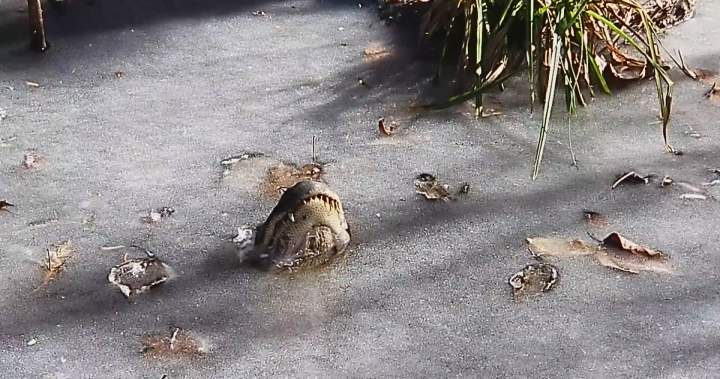
Credit: globalnews.ca
Alligator Habitat Basics
Alligators live mostly in warm places. They need water and land to survive. Their homes include swamps, rivers, and lakes.
Understanding where alligators live helps us know if they can survive in cold weather. Their habitat limits their movement and growth.
Preferred Climate Zones
Alligators prefer warm and humid climates. They live in places where winter temperatures rarely drop below freezing.
- Warm summers with temperatures above 80°F (27°C)
- Mild winters with temperatures rarely below 40°F (4°C)
- High humidity levels to keep their skin moist
- Access to freshwater bodies like swamps and rivers
Natural Range Limits
Alligators live mainly in the southeastern United States. Their range stops where cold weather lasts too long.
| State | Presence of Alligators | Winter Temperature Range |
| Florida | Common | 50°F – 90°F (10°C – 32°C) |
| Louisiana | Common | 45°F – 85°F (7°C – 29°C) |
| Georgia | Present | 40°F – 85°F (4°C – 29°C) |
| South Carolina | Rare | 35°F – 80°F (2°C – 27°C) |
| North Carolina | Very Rare | 30°F – 80°F (-1°C – 27°C) |
| Texas | Common | 45°F – 90°F (7°C – 32°C) |
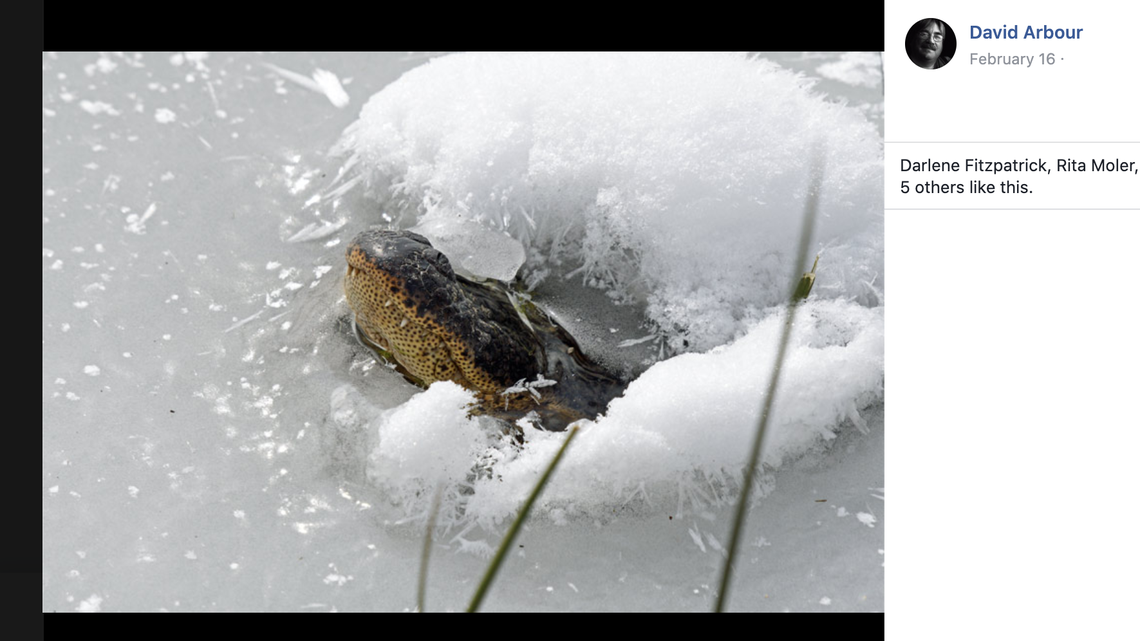
Credit: www.tri-cityherald.com
Cold Weather Impact
Alligators are cold-blooded animals. Their body temperature changes with the environment. Cold weather can be hard for them to survive.
Understanding how cold weather affects alligators helps us learn about their survival skills. They face many challenges and make changes in behavior.
Physiological Challenges
Cold weather slows down an alligator’s metabolism. This means they use less energy but also move slower. Their heart rate drops and digestion slows.
- Lower body temperature reduces muscle strength.
- Slower metabolism means less food is needed.
- Blood flow to limbs decreases to keep vital organs warm.
- Prolonged cold can cause stress and illness.
Behavioral Adjustments
Alligators change their behavior to survive cold weather. They find ways to stay warm and reduce energy use.
| Behavior | Description |
| Brumation | Alligators enter a state like hibernation, slowing down activity. |
| Burrowing | They dig into mud or find dens to protect from cold air. |
| Basking | Alligators lie in the sun to raise body temperature. |
| Grouping | Sometimes they stay close to share warmth. |
Survival Strategies
Alligators live in warm places, but they can face cold weather too. They use special ways to survive when it gets cold.
These survival strategies help alligators stay safe and alive until the warm weather returns.
Brumation Explained
Brumation is like hibernation for cold-blooded animals. Alligators slow down their body functions during cold months.
They stay still and eat less. This helps them save energy and survive when food is scarce.
Finding Warm Microhabitats
Alligators look for warm spots to stay during cold weather. These places help keep their body temperature up.
They hide in burrows, mud, or shallow water where the sun warms the area.
- Burrows dug into riverbanks
- Areas with thick mud layers
- Sunlit shallow waters
Extreme Cold Events
Alligators live mostly in warm areas. They are cold-blooded, so cold weather can be hard for them. Extreme cold events happen when temperatures drop very low for days.
These cold spells can affect alligator behavior and survival. Understanding these effects helps protect alligator populations during cold weather.
Effects On Alligator Populations
When cold events happen, alligators slow down their activity. They may stop eating and find places to stay warm. Cold can cause stress and sometimes death.
- Alligators enter a state like hibernation called brumation.
- They hide in mud or water to keep warm.
- Cold stress lowers their immune system.
- Young alligators are at higher risk of dying.
- Populations may shrink after very cold winters.
Notable Cold Snap Incidents
Some cold snaps have caused many alligator deaths. These events show how fragile alligators are in freezing weather.
| Year | Location | Temperature (°F) | Impact |
| 2010 | Florida | 20 | Many alligators found frozen |
| 2014 | Louisiana | 18 | High mortality in young alligators |
| 2021 | Texas | 15 | Alligator shelters damaged by ice |
Adaptations Over Time
Alligators live mostly in warm places. Cold weather is tough for them. They have changed over time to handle colder climates better.
These changes help alligators survive winters that are colder than usual. They do not stay active all year in cold areas.
Evolutionary Responses
Alligators have evolved ways to survive cold weather. They slow down their body functions in winter. This is called brumation, like hibernation.
They find deep water or mud to stay warm. This helps them avoid freezing temperatures. Their bodies use less energy during this time.
- Brumation reduces energy needs
- Seeking deep water keeps them warmer
- Slower body functions protect them
Genetic Variations
Some alligator groups have genes that help them handle cold better. These genes may control metabolism or fat storage. Fat helps keep their bodies warm.
Genetic differences mean some alligators can live farther north. These changes happen slowly as they adapt to new environments.
- Genes affect how they use energy
- Fat storage helps with insulation
- Genetic traits spread in colder regions
Human Influence
Alligators live in warm climates and struggle in cold weather. Human activities affect their habitats and survival.
People change the environment where alligators live. These changes impact how alligators handle colder temperatures.
Impact Of Climate Change
Climate change causes warmer winters and changes rainfall patterns. This affects alligator habitats and their cold weather survival.
Warmer temperatures help alligators stay active longer. But sudden cold snaps can be dangerous for them.
- Warmer winters reduce frost and ice risks
- Changes in water levels affect alligator homes
- Extreme weather events can harm alligator populations
Conservation Efforts
Conservation groups work to protect alligator habitats. Healthy wetlands help alligators survive cold weather.
People also create safe areas where alligators can find shelter during cold spells. Education helps reduce human harm to them.
- Protecting wetlands and water sources
- Creating refuges for alligators in cold months
- Teaching communities about alligator safety
Myths Vs Facts
Alligators often live in warm climates. Many people wonder if they can survive cold weather. Some stories say alligators freeze in winter. Others claim they can live in snow. Let’s look at the facts and myths.
This article clears up common ideas about alligators and cold weather. You will see what science says about their survival.
Common Misconceptions
People believe many things about alligators and cold weather. Some think alligators freeze if it gets too cold. Others say they hibernate like bears. These ideas are not always true.
- Alligators freeze solid in winter.
- Alligators hibernate underground.
- Cold kills alligators quickly.
- Alligators cannot live outside warm states.
Scientific Findings
Scientists have studied how alligators survive cold weather. They find that alligators slow down but do not freeze. They enter a state called brumation. This is like hibernation but different.
| Cold Weather Behavior | Details |
| Brumation | Alligators become less active and eat less. |
| Temperature Tolerance | Can survive short cold spells above freezing. |
| Winter Survival | Use mud dens and water holes to stay safe. |
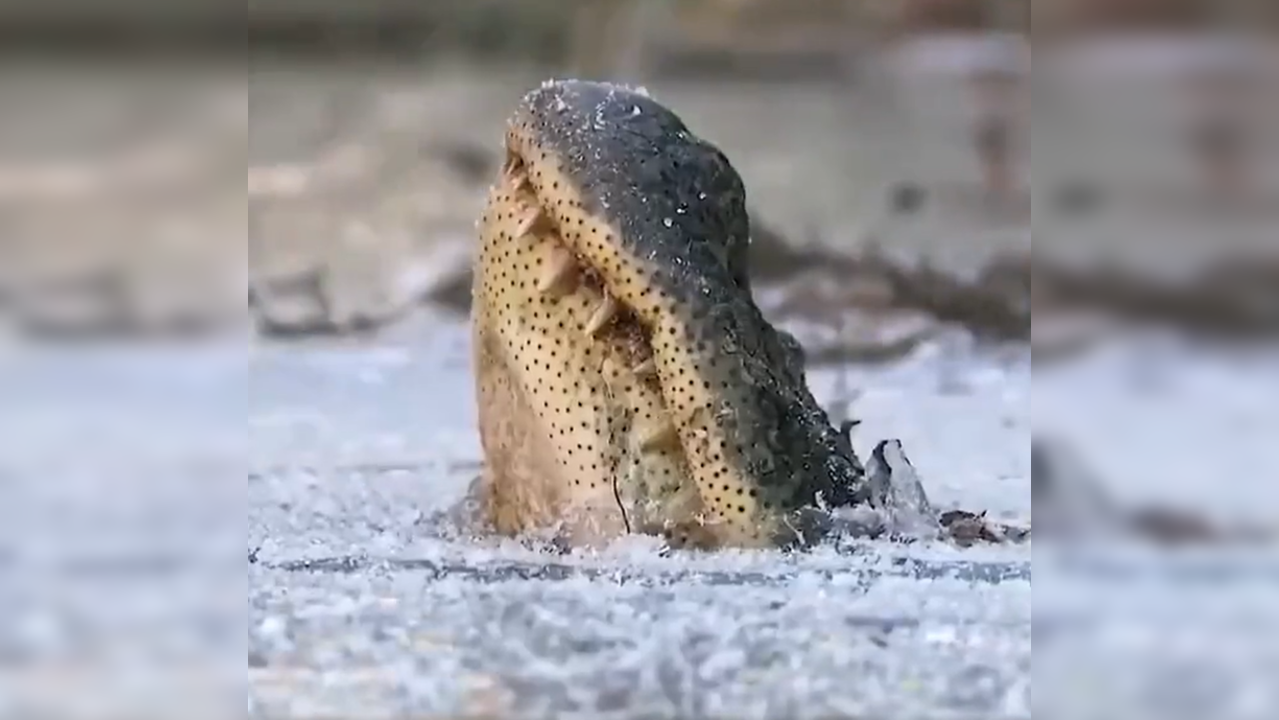
| Freezing Risk | Exposure to ice longer than a few hours is dangerous. |

Credit: www.newsbreak.com
Frequently Asked Questions
Can Alligators Survive Freezing Temperatures?
Alligators cannot survive freezing temperatures for long. They enter a state called brumation to slow metabolism and conserve energy during cold.
How Do Alligators Adapt To Cold Weather?
Alligators adapt by burrowing into mud or underwater dens. This helps them avoid freezing air and maintain body temperature.
What Happens To Alligators In Winter?
In winter, alligators become less active and eat less. They rely on stored energy and minimal movement to survive cold periods.
Can Alligators Freeze And Still Live?
Alligators can survive brief freezing if only parts of their body freeze. They use special proteins to protect cells from damage.
Conclusion
Alligators do face challenges in cold weather. They slow down and become less active. They find deep water to stay warm. This helps them survive winter’s cold. Yet, they cannot live in freezing places long. Their bodies need warmth to work well.
So, alligators thrive best in warm climates. Cold weather limits where they can live. Knowing this helps us protect these ancient reptiles. Nature’s way keeps them safe during chilly times.