Can Robins Survive Cold Weather? Surprising Facts Revealed!
Have you ever wondered how robins manage to survive when the temperatures drop and snow blankets the ground? These tiny birds, often seen as the harbingers of spring, face the chilly challenges of winter with remarkable resilience.
As you sip your warm coffee, let your curiosity take flight. Imagine the thrill of uncovering the survival secrets of robins, and how these feathery creatures can teach you a thing or two about enduring life’s cold spells. Dive into this fascinating exploration and discover how robins brave the cold—and maybe even find a bit of inspiration for your own life.
Robin Habitat And Migration
Robins are common birds known for their bright red breasts. They live in many places and face cold weather each year. Understanding their habitat and how they migrate helps us know if they survive winter.
This article looks at where robins live all year and their travel patterns in cold seasons.
Where Robins Live Year-round
Some robins stay in the same area all year long. They find places with food and shelter to survive the cold. These habitats include forests, gardens, and parks.
- Wooded areas with plenty of trees
- Backyards with shrubs and bushes
- Open fields near water sources
- Urban parks with safe nesting spots
Migration Patterns In Cold Seasons
Many robins move south when winter comes. They travel to warmer places with more food. Migration helps them avoid harsh weather and find insects and berries.
| Migration Stage | Description |
| Early Fall | Robins gather in groups before leaving |
| Mid Fall | Begin traveling south in flocks |
| Winter | Stay in warmer areas with food |
| Early Spring | Return north to breeding grounds |

Credit: naturenotesblog.blogspot.com
Physical Adaptations To Cold
Robins face cold weather with special changes in their bodies. These changes help them stay warm and survive low temperatures. Their feathers and body work together to keep heat inside.
Understanding these physical adaptations shows how robins manage winter’s challenges. Their survival depends on how well they keep warm and use energy.
Feather Insulation And Body Heat
Robins have thick feathers that trap warm air close to their skin. This layer acts like a blanket to hold body heat. They fluff up their feathers to increase insulation.
- Down feathers provide soft, warm insulation
- Outer feathers protect from wind and rain
- Fluffing feathers creates air pockets for heat
- Feather oils keep them water-resistant
Metabolic Changes During Winter
Robins change how they use energy in cold months. Their metabolism speeds up to make more body heat. They eat more food to fuel this process and stay warm.
| Metabolic Change | Effect on Robin |
| Increased calorie use | Generates extra body heat |
| Higher food intake | Supports energy needs |
| Fat storage | Provides energy reserves |
| Shivering | Produces heat through muscle movement |
Behavioral Strategies For Winter
Robins face cold weather by changing how they behave. These changes help them stay warm and find food.
They use smart ways to survive when winter is harsh and food is scarce.
Food Foraging And Diet Shifts
Robins look for different foods in winter. They eat more berries and less insects.
They spend more time searching for food to keep their energy up.
- Eat berries from bushes and trees
- Look for leftover fruits in gardens
- Search for insects under leaves or snow
- Visit bird feeders for seeds and suet
Sheltering And Roosting Habits
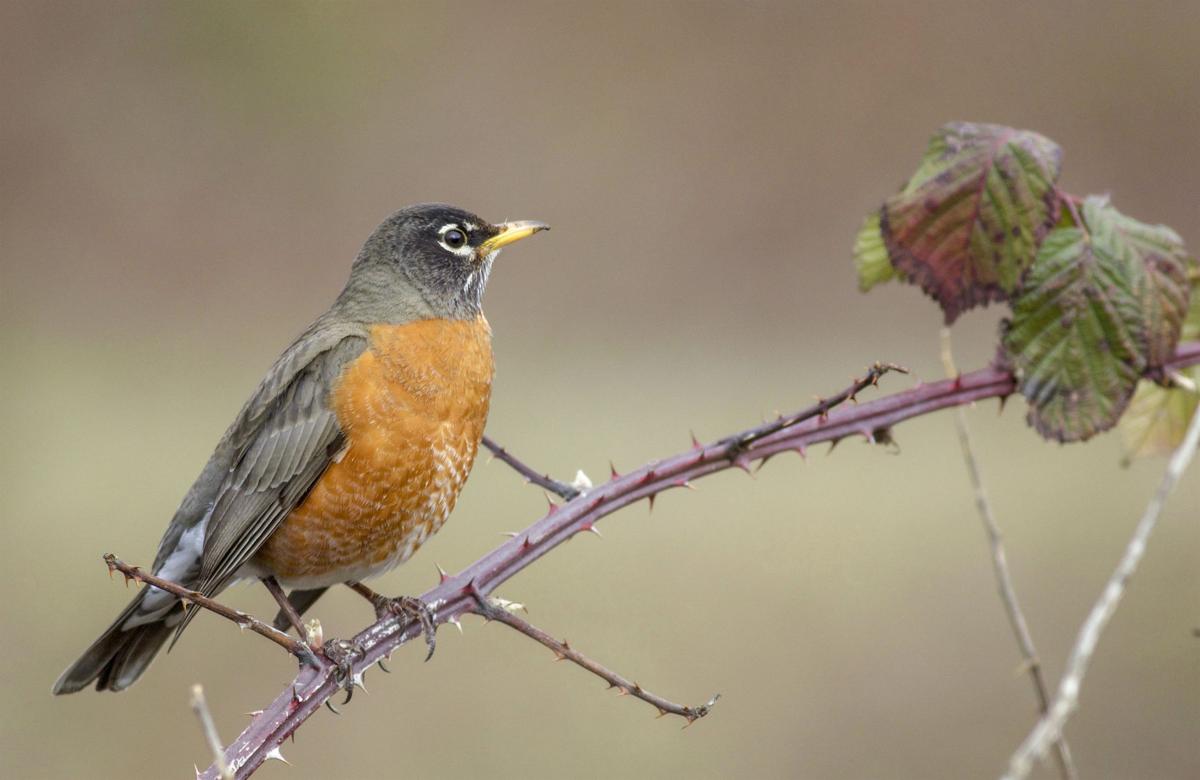
Robins find safe places to rest at night. They gather in groups to stay warm.
They use thick bushes, evergreens, or tree cavities to protect themselves from wind and cold.
- Group roosting to share body heat
- Choose dense shrubs or conifers for shelter
- Hide in tree holes or behind bark
- Reduce movement to save energy
Credit: www.postandcourier.com
Challenges Faced In Freezing Temperatures
Robins face many challenges during cold weather. The freezing temperatures make it hard to find food and stay safe.
These birds must work harder to survive when snow and ice cover their habitats.
Impact Of Snow And Ice On Food Availability
Snow and ice cover the ground where robins usually find food. Worms and insects hide deep under frozen soil.
This makes it very hard for robins to get enough to eat in winter.
- Frozen soil blocks access to earthworms.
- Snow covers berries and seeds.
- Insects become less active or hidden.
- Robins must search farther for food.
Predators And Survival Risks
Cold weather makes robins slower and weaker. Predators can find them more easily.
Robins also face risks like frostbite and lack of shelter during storms.
- Less energy to escape predators.
- Harder to find warm shelter.
- Risk of frostbite on exposed parts.
- Weaker immune system in cold.
Human Impact On Winter Survival
Robins face many challenges during cold weather. Human actions can help or harm their chances of survival. Understanding these impacts is important for their care.
This article looks at how feeding robins and changes in habitats affect their winter survival. Both are influenced by people living near robins.
Feeding Robins In Cold Weather
People often feed robins during winter to help them find food. Robins need extra energy to keep warm. Feeding them can make a big difference.
- Provide mealworms or berries as natural foods
- Offer water that is not frozen
- Avoid bread, as it lacks nutrients
- Feed consistently to help robins rely on the source
- Keep feeders clean to prevent disease
Habitat Changes And Urban Effects
Urban growth changes the places robins live. Trees and bushes may be cut down. This loss of habitat makes winter survival harder for robins.
| Human Activity | Effect on Robins |
| Cutting Trees | Loss of shelter and nesting areas |
| Building Roads | Fragmented habitats and less food |
| Gardening with Native Plants | Provides food and shelter |
| Leaving Leaf Litter | Supports insects robins eat |

Credit: www.albatt.com
Frequently Asked Questions
Can Robins Survive Harsh Winter Temperatures?
Yes, robins can survive cold winters by fluffing their feathers to trap heat. They also seek shelter and reduce activity to conserve energy.
What Do Robins Eat During Cold Weather?
Robins eat berries, fruits, and insects during cold weather. When insects are scarce, they rely heavily on winter fruits.
Do Robins Migrate To Warmer Areas In Winter?
Some robins migrate south to warmer areas, but many stay in colder regions if food is available. Migration depends on food supply and weather.
How Do Robins Stay Warm During Freezing Nights?
Robins tuck their heads under their wings and huddle in dense shrubs to stay warm during freezing nights.
Conclusion
Robins have strong ways to handle cold weather. They fluff their feathers to stay warm. They find food even under snow and ice. These birds often move to milder spots if needed. Their survival skills help them live through winter.
Watching robins in cold months shows nature’s toughness. They remind us that life finds a way. Robins are small but tough winter survivors.